
Sleep and Breathing Disorders Fellowship
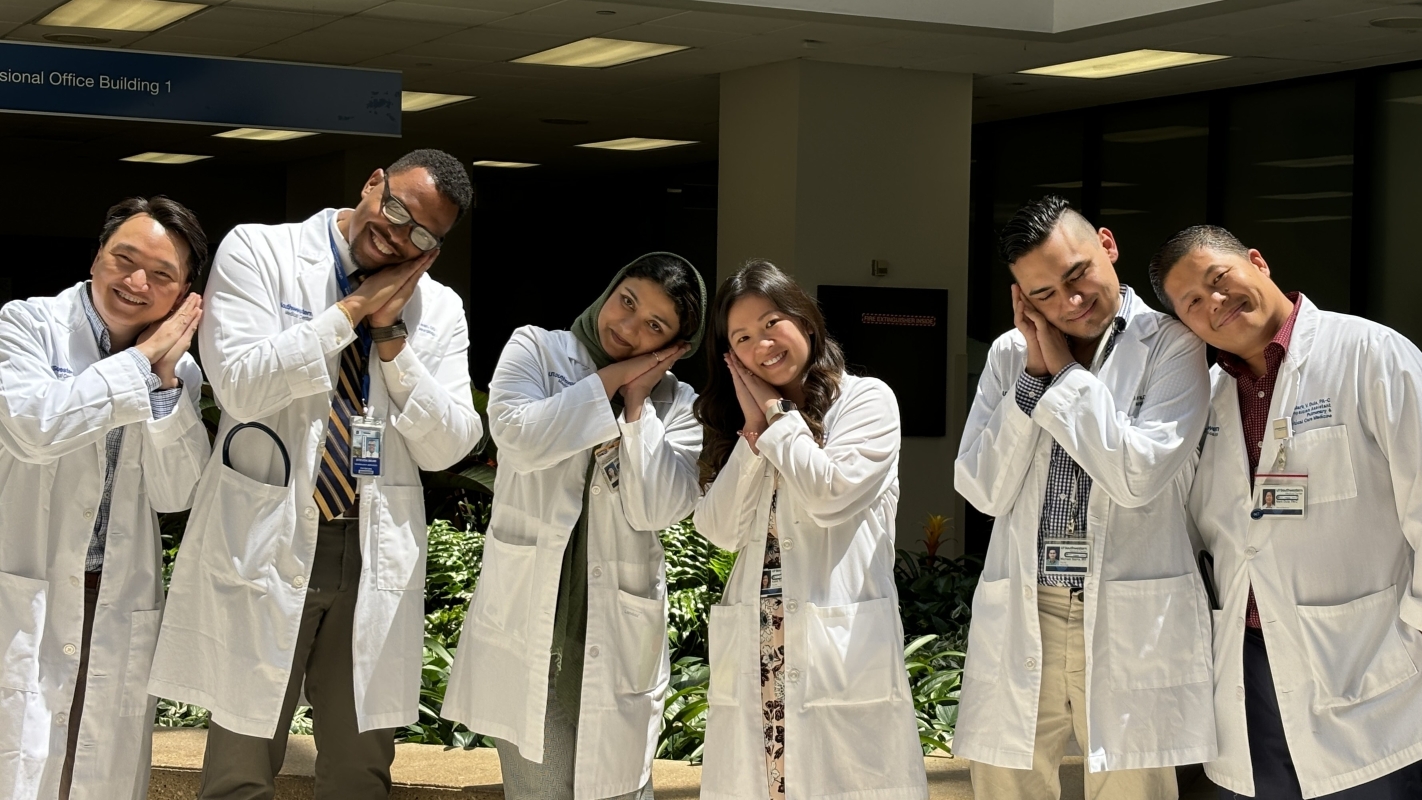

Sleep medicine is a uniquely multidisciplinary field, and our fellowship is committed to guiding fellows based on their individual career goals. We have three tracks, each of which have specialized clinical experiences, targeted mentorship, and scholarly opportunities. Our program provides the depth and versatility needed for excellence in clinical practice & academic leadership.
Unique Features
Our fellowship prepares physicians to expertly diagnose and manage the full range of sleep disorders through training at nationally ranked, AASM-accredited institutions. With a multidisciplinary team of sleep-trained neurologists, pulmonologists, psychiatrists, pediatric specialists, and otolaryngologists, fellows gain broad clinical exposure across specialized programs, including narcolepsy, Hypoglossal Nerve Stimulation, and women’s sleep health. The pediatric track—supported by the largest pediatric sleep lab at Children’s Health—and focused neuromuscular and pulmonary tracks offer advanced, research-driven training across diverse patient populations, including those with complex and high-altitude sleep apnea.
3
Tracks
34
Dedicated beds across 4 lab locations
8000
Sleep studies conducted
Program Specifics
Learn more about our one-year, ACGME-accredited fellowship. UT Southwestern offers robust training in the field of Sleep Medicine.
- Clinical Training
Fellows are exposed to a broad spectrum of sleep disorders spanning pediatric and adult patients through three training tracks. Rotation time at each site is tailored to the specific focus of the selected track.
- Neuromuscular Sleep Track: Fellows learn complex ventilatory support strategies for sleep-disordered breathing in patients with ALS, muscular dystrophies, cervical spine injuries, myasthenia gravis, Ehler Danlos syndrome, and other neurodegenerative conditions. There is hands-on training in the management of non-invasive ventilation (NIV) and interpretation of polysomnograms in patients with hypoventilation and advanced disease.
- Pulmonary Sleep Track: Fellows gain experience managing overlap syndromes and hypoventilation in those with COPD, ILD, and pulmonary hypertension and post-transplant patients. Fellows work with sleep-trained pulmonologists to manage advanced PAP modalities, including ASV and bilevel therapy.
- Pediatric Sleep Track: Through rotations in pediatric sleep clinics and inpatient consults, fellows are exposed to a wide range of disorders, including OSA, parasomnias, insomnia, and narcolepsy in children
Clinical Center for Sleep and Breathing Disorders at Clements University Hospital (33% of time): Accredited by both AASM and the Joint Commission, it features a six-bed sleep lab and E/M clinics led by interdisciplinary sleep-trained faculty.
Parkland Sleep Center (33% of time): Dallas County's safety net hospital, and is part of one of the largest public hospital systems in the United States. Fellows will be trained to manage the care of patients from a variety of racial and ethnic backgrounds.
Children's Health Sleep Disorders Center (~15-33%): At the largest AASM-accredited pediatric sleep lab in North Texas, fellows gain comprehensive training in the behavioral and physiologic aspects of sleep disorders in infants, children, and adolescents. Fellows become proficient in evaluating pediatric polysomnography and actigraphy under the guidance of pediatric neurologists, pulmonologists, and otolaryngologists. Trainees coordinate care for pediatric patients transitioning to the adult sleep clinic for continuity.
Dallas VA Medical Center (~15% of time): fellows and sleep-trained pulmonologists provide care to veterans, active duty military personnel, and their families. Disrupted sleep can exacerbate cognitive symptoms in veterans with TBI. Fellows provide the full spectrum of sleep care for pediatric and adult patients alike.
- Didactic Training
Didactics provide our trainees with time to reflect on clinical nuances, discuss recent discoveries and updates in guidelines, learn from complex cases, and take a thoughtful approach to building human connections with our patients. All the following are touchpoints to deepen understanding of Sleep Medicine.
Weekly
- Sleep Lecture Series: Bringing together Sleep Medicine faculty across the four training sites, fellows, APPs, NPs, and rotating residents, the lecture series incorporates flipped-classroom teaching (learners as educators), and to cover a wide range of common and rare sleep disorders. This fosters a dynamic learning environment that encourages engagement, critical thinking, and scholarly growth.
- Departmental Grand Rounds: These sessions provide a platform for in-depth discussions with leading experts of recent advances and cutting-edge research across various specialties. It encourages critical thinking by presenting complex diagnostic challenges, novel treatment approaches, and emerging scientific insights.
- Neurology: fellows primarily attend Neurology grand rounds, where all faculty, APPs, residents, and fellows are invited to join in person to hear from leading national experts.
- Internal Medicine: fellows have the opportunity to attend weekly virtual grand rounds
- Family Medicine or Pediatric Grand Rounds: fellows have the opportunity to attend weekly hybrid grand rounds
Monthly
- Journal Club: provides a collaborative forum for trainees and faculty to critically review and discuss current scientific literature relevant to the sleep medicine specialty. Participants analyze current research articles, evaluate study design and methodology, and explore clinical implications to enhance evidence-based practice.
- Case Conference: goal is to enhance clinical reasoning and management skills. Fellows, residents, and faculty collaboratively review complex and unique cases. The interactive format enables multidisciplinary discussion, promotes evidence-based decision-making, and fosters a deeper understanding of disease mechanisms and therapeutic interventions.
- Polysomnogram Interpretation: under the guidance of experts, fellows have protected time to develop strong competency in sleep study interpretation and evaluation.
- Research Opportunities
Fellow Research Opportunities
Fellows benefit from rich and diverse mentorship opportunities that support their scholarly growth. Working alongside world experts, fellows develop skills in grant writing, data collection and analysis, and scientific writing for publication. Our integrated Biostatistics and Clinical Informatics section enriches research mentorship by collaborating with fellows to develop high-quality study designs.
Examples of research opportunities include:
- Women's Sleep Health - Safia Khan, M.D.
- Sleep and respiratory failure in neuromuscular diseases - Won Lee, M.D., Bethany Lussier, M.D.
- SIDS and safe sleep in the hospital - Michelle Caraballo, M.D.
- Pediatric Narcolepsy & Down Syndrome in multicenter research trials - Syed Kamal Naqvi, M.D.
- Pediatric sleep apnea in cystic fibrosis - Aarti Shakkottai, M.D.
- Hypoglossal Nerve Stimulation for OSA and bariatric surgery- Katie Tran, M.D.
- Quality Improvement projects
Fellows showcase their work at the Annual Neurology Research Day, where posters and research are evaluated on originality, study design, significance, and independence of work, providing constructive feedback to prepare them for national meetings.
Funds to Attend Meetings
Trainees have educational funds and can apply for scholarship funds to support attendance when presenting an abstract or poster at a conference. Fellows can apply for the UTSW-led Clinical and Translational Science Award and OBI travel funds. Trainees often attend:
- Southern Sleep Society (April)
- American Thoracic Society (May) – for neuromuscular and pulmonary sleep fellows
- CHEST
- Associated Professional Sleep Society (June)
- Program Leadership, Education Team, & Application Information
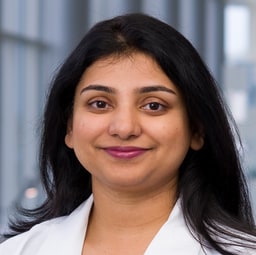
Program Director
Sleep Medicine Fellowship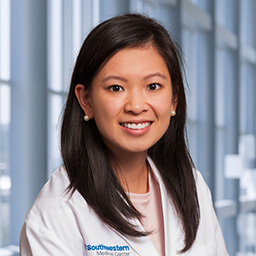
Associate Program Director
Sleep Medicine FellowshipFamily and Community Medicine
Neurology
Pulmonology
- Tang Kuang, M.D., Ph.D.
(Internal and Sleep Medicine | Dallas VA Medical Center) - Won Lee, M.D.
(Internal Medicine) - Shan Luong, M.D.
(Internal Medicine) - Thoris Pan, M.D.
(Pulmonology | Dallas VA Medical Center) - Abha Patel, D.O
(Pulmonology | Dallas VA Medical Center)
Pediatric Pulmonology
- Michelle Caraballo, M.D.
- Tanya M. Martinez-Fernandez, M.D.
- Elisa Basora Rovira, M.D.
- Aarti Shakkottai, M.D.
- Syed Kamal Naqvi, M.D.
- Anna Wani, M.D.
(Family and Community Medicine)
Psychiatry
Otolaryngology
Requirements
Applicants must have completed residency training from ACGME-accredited programs in one of the following: Neurology, Internal Medicine, Family Medicine, Pediatrics, and Psychiatry. Combined Internal Medicine-Pediatrics, Neurology-Psychiatry, and Peds Neurology are eligible to apply. Applicants with scholarly work in the field of sleep medicine, sleep-related publications, research projects, and presentations will be given preference.Fellows are typically appointed at the PGY4 level. If previous training would support a higher PGY level, this can be discussed with the program during the application process.
Application & Typical Timeline
Interested candidates may submit their applications through the ERAS portal.- July - August: applications are open through ERAS
- September - October: interviews upon receipt of application
- December: Match
Questions? neurofellowship@UTSouthwestern.edu
- Tang Kuang, M.D., Ph.D.
Current Fellows
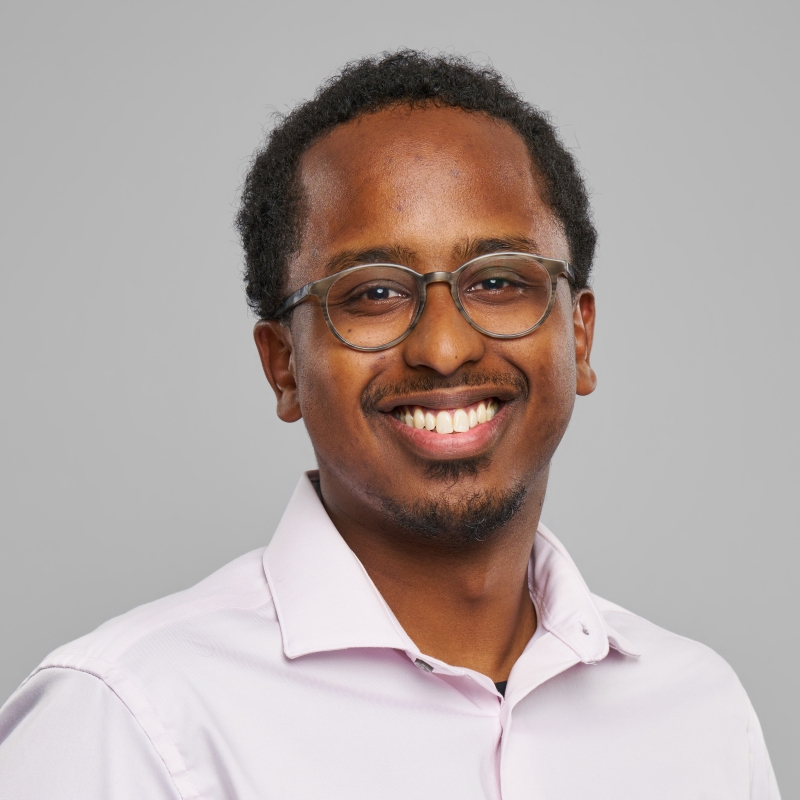
Loyan Hassan, D.O.
Residency: Henry Ford Macomb, Family Medicine
Medical School: Kansas City Univ.
Undergraduate: Univ. of Windsor, Canada
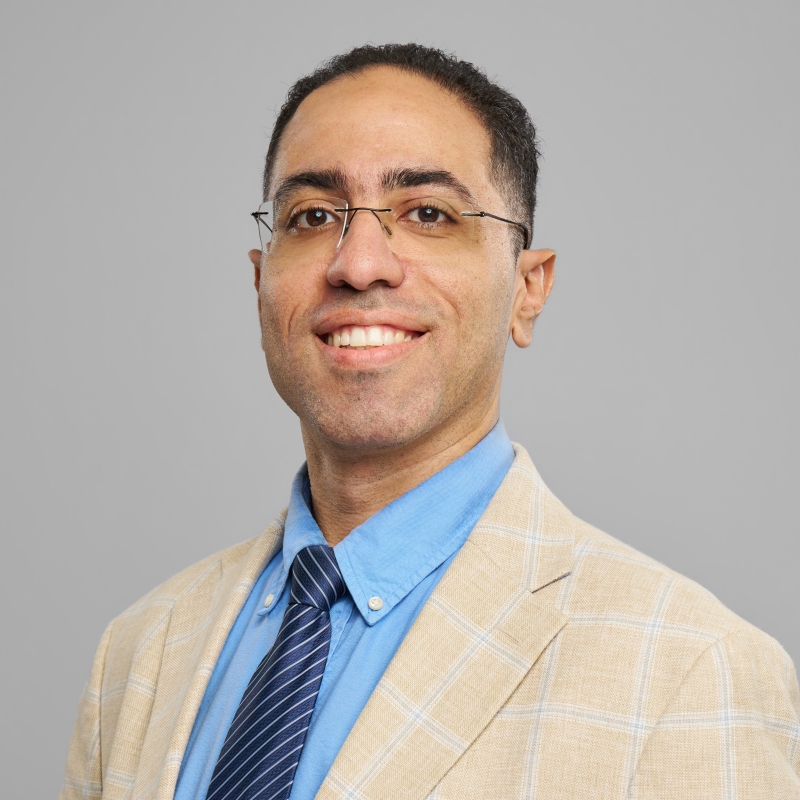
Mohamed Hassouba, M.B.B.Ch.
Fellowship: SUNY Downstate Health and Science Univ., Pediatric Pulmonology
Residency: Driscoll Children's Hospital, Pediatrics
Medical School: Cairo Univ.
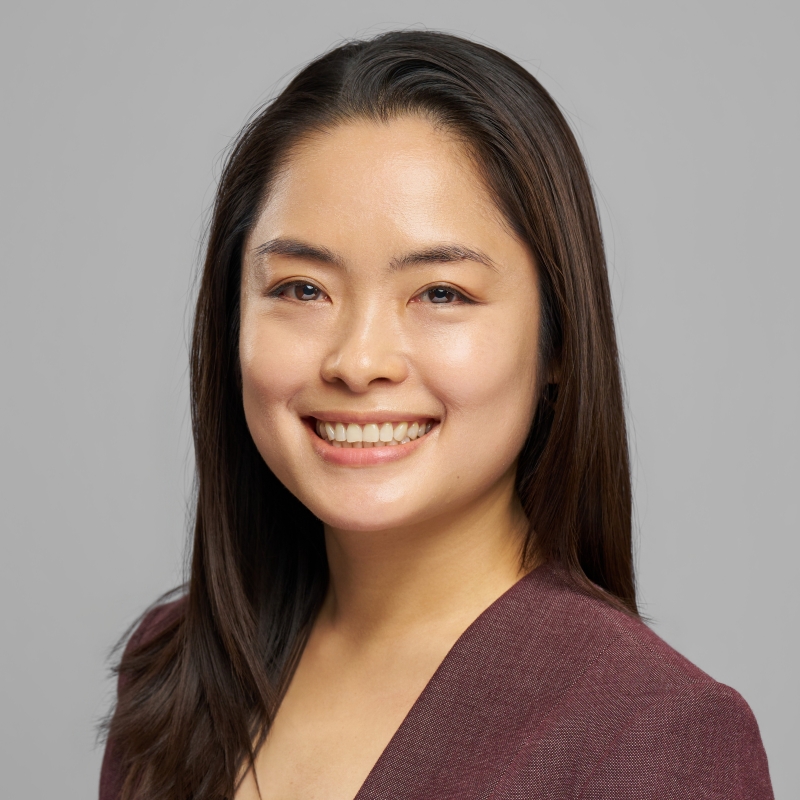
Teresia Pham, M.D.
Residency: Texas Tech Univ., Pediatrics (Lubbock)
Medical School: Texas Tech Univ.
Undergraduate: UT Austin