
Pediatric Neurocritical Care Fellowship
Unique Features
UT Southwestern Medical Center and Children’s Health℠ Dallas provide an outstanding environment for advanced training in pediatric neurocritical care. As one of the largest academic medical campuses in the country, UT Southwestern is home to a highly accomplished and diverse faculty across pediatric neurology, critical care, and cardiac critical care. The Children’s Medical Center Dallas is a high-volume tertiary care facility serving a broad and complex patient population, offering fellows exposure to a wide spectrum of neurologic and systemic pathologies. The hospital includes a robust Pediatric Intensive Care Unit with over 60 PICU beds and continued plans for expansion. Our program emphasizes individualized curriculum design and tailored learning opportunities based on each fellow’s background and career goals. Fellows benefit from close collaboration with some of the nation's most active adult neurocritical care, stroke, and trauma programs, as well as longitudinal exposure through dedicated acquired brain injury and ECMO follow-up clinics.
Overview
Fellows are trained in advanced neurologic assessment, the use and interpretation of multimodal neuromonitoring, and the provision of comprehensive, coordinated management for children with critical neurologic illness. Emphasis is placed on the integration of neurologic and critical care principles to optimize outcomes for children with complex and life-threatening neurologic conditions. We welcome applicants from both pediatric neurology and pediatric critical care backgrounds. Through a robust and flexible curriculum, fellows gain broad exposure and engage in longitudinal management from acute injury through recovery. This multidisciplinary fellowship brings together faculty with expertise across pediatric neurological and critical care subspecialties to provide comprehensive and integrated training in the care of critically ill children with neurologic disease. Our program is designed to train the next generation of pediatric neurointensivists with expertise in the recognition, evaluation, and management of acute neurologic injury and its systemic implications.
Program Specifics
Learn more about our one-year, Texas Medical Board (TMB)-accredited fellowship, led jointly by the Divisions of Pediatric Neurology & Pediatric Critical Care.
- Curriculum
Our program offers two tracks with rotations tailored to the trainee's background (Pediatric Neurology or Pediatric Critical Care).
Fellows gain broad exposure to multidisciplinary care, advanced monitoring techniques, and longitudinal management from acute injury through recovery. Rotations include the following:
- Pediatric Neurocritical Care Consult Service
- Pediatric Intensive Care Unit
- Cardiovascular Intensive Care Unit
- Adult Neurocritical Care and Stroke Neurology
- ICU EEG
- Pediatric Neurosurgery
- Pediatric Neuroradiology
- Pediatric Physical Medicine and Rehabilitation (PM&R)
- Electives
- Didactic Training
Fellows are immersed in a dynamic learning environment that combines structured curricula with high-frequency, case-based learning. Boot Camp is held by both pediatric neurology and critical care divisions for new incoming fellows. Fellows participate in interdisciplinary didactic sessions across the Child Neurology Residency, Pediatric Critical Care Fellowship, and Adult Neurocritical Care Fellowship programs, fostering a broad and integrated educational experience.
Weekly:
- EEG Rounds (three times a week)
- Neuroradiology Conference (three times a week)
- PICU Case Conference
Monthly:
- Pediatric Neurocritical Care (PNCC) Conference: Collaborative forum led by PNCC core faculty for trainees and faculty to critically review cases and discuss current scientific literature
Bi-monthly:
- "Pulse and Perfusion" Rounds: Challenging case conference reviewing cases of neurologic morbidity accrued by patients in the cardiovascular intensive care unit (CVICU). Discussion of relevant physiology and literature is led by core PNCC faculty and trainees.
- Research Opportunities
Fellows have opportunities to collaborate with faculty engaged in pediatric neurocritical care research across clinical, translational, and basic science domains. Many projects are externally funded and include multicenter collaborations, providing exposure to a broad range of scholarly activities.
Dedicated research time is available through elective rotations, allowing fellows to pursue individual interests with mentorship and develop academic skills in pediatric neurocritical care.
Funds to Attend Meetings
Trainees have educational funds and can apply for scholarship funds to support attendance when presenting an abstract or poster at a conference. Fellows can apply for the UTSW-led Clinical and Translational Science Award and OBI travel funds.
- Program Leadership & Application Information
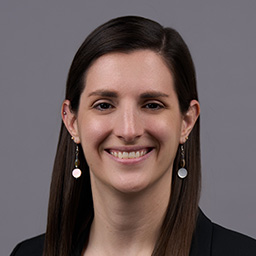
Delaney Dowd, M.D.
Program Director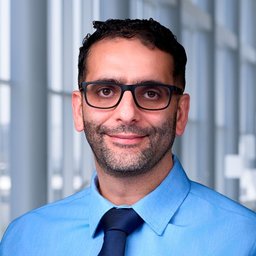
Salim Aljabari, M.D.
Associate Program DirectorRequirements
- Applicants must be board-certified or board eligible in child neurology or pediatric critical care medicine at time of matriculation. Applicants must meet the requirements for a Texas Medical Board Physician License or Texas Medical Board Physician in Training License. Please see the UT Southwestern Graduate Medical Education website for additional information regarding institutional policies, benefits, stipend, and sample contracts.
Application & Typical Timeline
- Prior to application: prospective candidates should email Michelle Augustine to receive a copy of the UTSW Pediatric Neurocritical Care Fellowship standard application.
- July 31: Completed applications should be submitted to Michelle Augustine by July 31st of the year preceding the intended start date. Applications are reviewed on a rolling basis, and selected candidates will be invited to interview.
- Required application materials:
- UTSW Pediatric Neurocritical Care Fellowship standard application
- Personal statement describing interest in pediatric neurocritical care and career goals
- Current curriculum vitae (CV)
- USMLE transcript
- Three letters of recommendation (one must be from current residency or fellowship program director)
Core Faculty
Child Neurology
Dr. Dowd's clinical and research interests include super refractory status epilepticus, brain death, and neuroprotective strategies as applicable to children with congenital or acquired heart disease.

Dr. Said is recognized nationally for her work in child neurology education and considered a world expert in management of new onset super refractory status epilepticus (NORSE).

Dr. Dowling is a founding member of the International Pediatric Stroke Organization (IPSO), and he is also the editor-in-chief of the journal, Pediatric Stroke. His research focuses on stroke in children and neurologic complications of sickle cell disease. In addition to stroke, he has a strong interest in medical ethics, brain death, and the care of neurologically devastated children.
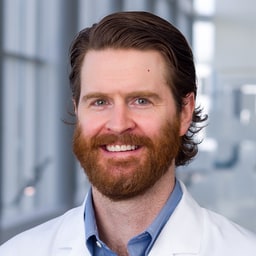
Dr. Bonnet was the first trainee to complete the combined adult and pediatric vascular fellowship at UT Southwestern, which he helped build. In addition to his interest in stroke, Dr. Bonnet also helped establish the acquired brain injury clinic at UT Southwestern in 2022.
Pediatric Critical Care
Dr. Aljabari's clinical and academic interests focus on pediatric neurocritical care, including the management and monitoring of acute neurologic injury in critically ill children and efforts to improve the quality of care for neurocritical care patients.
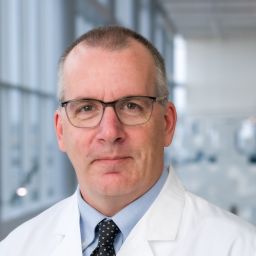
Dr. Bell is an internationally recognized leader in pediatric critical care and neurocritical care. Dr. Bell’s clinical and research interests focus on pediatric brain injury and neurocritical care. He has authored more than 200 peer-reviewed publications and contributed to several major textbooks. He is widely recognized for his leadership in advancing pediatric neurocritical care research, education, and collaborative clinical care.
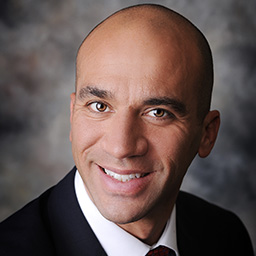
Dr. Miles' academic work focuses on understanding the mechanisms and long-term neurodevelopmental outcomes of acquired brain injury in children. Dr. Miles has authored numerous peer-reviewed publications on pediatric brain injury and recovery and continues to contribute to advances in pediatric neurocritical care through clinical and collaborative research.

Dr. Raman was the past chair of publication at the Extracorporeal Life Support Organization (ELSO). Dr. Raman’s clinical and research interests focus on neurological monitoring and neurological injury in patients on extracorporeal life support. Her work integrates advanced monitoring technologies and collaborative research to better understand and prevent brain injury in pediatric critical illness.
Cardiac Critical Care

Dr. McGetrick's clinical and research interests lie at the intersection of pediatric cardiac critical care and neurocritical care, with a focus on optimizing neurologic outcomes in infants and children with congenital heart disease. Her research aims to integrate physiologic data, imaging, and clinical outcomes to better understand brain–heart interactions and to develop targeted strategies for neuroprotection. She is actively involved in multicenter collaborations and quality improvement initiatives focused on standardizing neurocritical care practices in the cardiac ICU.