
Movement Disorders Fellowship
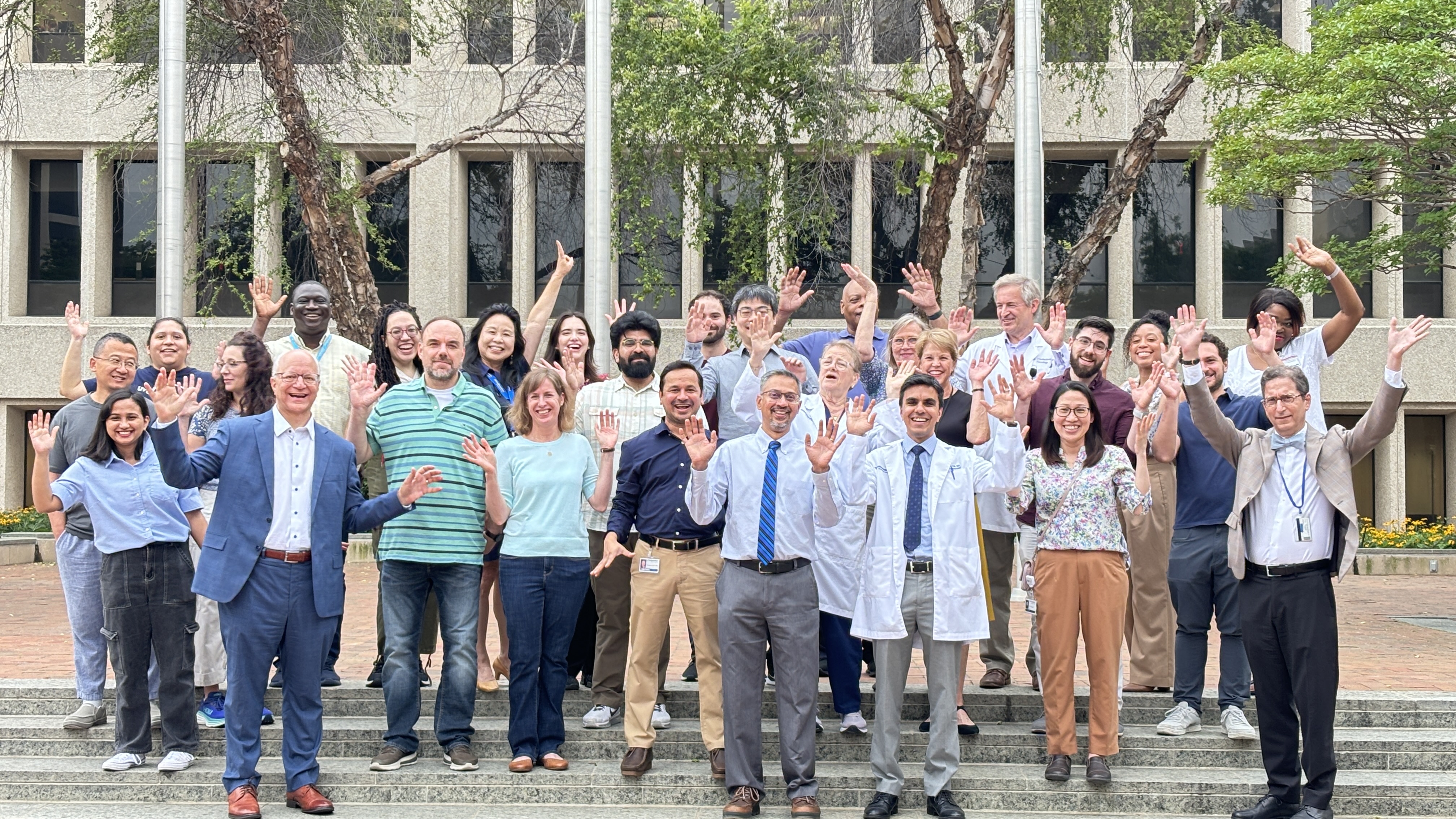

The fellowship provides exceptional training in all areas of movement disorders, with mentorship from internationally recognized faculty in ataxia, dystonia, and tremor. There is abundant exposure to advanced treatments (DBS, HiFu) and active research programs.
Unique Features
Our fellowship provides broad clinical training across all movement disorders, with extensive experience in specialty clinics for ataxia, tremor, normal pressure hydrocephalus, neuromodulation, chemodenervation, and multiple system atrophy. Fellows train within a robust interdisciplinary neuromodulation program and gain experience at nationally designated Parkinson's Disease, Ataxia, and MSA Centers of Excellence. A distinctive feature is the combination of robust clinical training with a strong research environment, supported by seven renowned faculty with active extramural funding and several others with extensive experience mentoring trainees to K awards and independent research careers.
View clinical &research faculty
2
Up to 2 fellows accepted
4
Recognized Specialty Centers
9
Subspecialty clinics
7
Faculty with extramural funding
Program Specifics
Learn more about our Texas Medical Board (TMB)-accredited, two-year fellowship program.
- Clinical Training
Shaped by their own clinical expertise, our faculty have established subspecialty clinics, providing fellows with comprehensive, hands-on experience across the full spectrum of movement disorders and the flexibility to tailor training to individual career goals. Altogether, our faculty conduct approximately 26 half-day clinic sessions per week.
- Movement Clinics at Aston Ambulatory Care Center: Fellows gain broad, hands-on experience across the full spectrum of movement disorders through 4-5 half-day sessions per week, including specialty clinics for tremor, ataxia, normal pressure hydrocephalus, Huntington’s disease, dystonia, and chemodenervation led by internationally recognized faculty.
- Movement Clinic at Parkland Clinic: Fellow spend one half-day per week at Parkland where training emphasizes care for diverse and underserved patient populations. Fellows gain hands-on training in neurotherapeutic interventions, and EMG-guided botulinum toxin treatment of hyperkinetic movement disorders & spasticity. Fellows take an active leadership role by staffing resident continuity clinics and consult services, managing complex outpatient movement disorder cases
- Inpatient Consults at Clements University Hospital: fellows have unique opportunities to participate and learn intraoperative neurophysiological monitoring for deep-brain stimulation procedures while providing occasional inpatient consultative care for complex cases.
- Neuromodulation Program at Aston Ambulatory Care Center: For two half-days per week, fellows work closely with neurology, neurosurgery, neuroradiology, psychiatry, and rehab team to evaluate surgical candidates for DBS and focused ultrasound therapies. Clinical training is complemented by a monthly Neuromodulation conference.
- Pediatric Movement Clinic at Children's: fellows spend two half-days per month at Children's medical center working with pediatric movement faculty.
- Didactic Training
Didactics provide our trainees with time to reflect on clinical nuances, discuss recent discoveries and changes in guidelines, learn from complex cases, and take a thoughtful approach to building human connections with our patients. All the following are touchpoints to deepen your understanding of Movement Disorders while broadening your neurology knowledge base.
Weekly:
- Video rounds: Several of our faculty trained under Dr. Stanley Fahn, carrying forward his tradition of deep clinical characterization. In these dedicated 1-hour sessions, the entire movement disorders faculty gather to review patient videos, debate clinical phenomenology, and share perspectives drawn from extensive experience. Fellows play an active role, making this a cornerstone of their training and a powerful driver of their growth in recognizing, understanding, and mastering the clinical complexities of movement disorders.
- Departmental Grand Rounds: All faculty, APPs, residents, and fellows join departmental grand rounds in person to hear from leading national experts. These sessions provide a platform for in-depth discussions of recent advances and cutting-edge research across various specialties. It encourages critical thinking by presenting complex diagnostic challenges, novel treatment approaches, and emerging scientific insights
Monthly:
- Journal club: Fellows critically review and present articles, learning to appraise research and clinical reasoning and apply conclusions to practice. This also helps them stay up to date with the latest literature in the field.
- Neuromodulation conference: Interdisciplinary review of all neuromodulation cases, including DBS, levodopa infusion therapies, and focused ultrasound.
- DBS Case Reviews: Fellows review challenging programming cases with the neuromodulation team to troubleshoot and optimize outcomes
- Movement section research meetings: faculty, fellows, and research staff discuss ongoing studies, review progress on active clinical protocols, and explore new opportunities for collaboration in movement disorders and related neurological research.
Special Opportunities:
- Fellows have the support and opportunity to attend at least one DBS educational program, such as the Parkinson’s and Movement Disorder Society (MDS) meeting or American Academy of Neurology (AAN), or other national meetings of interest.
- Faculty are actively engaged with patient support groups and host educational symposia throughout the year, where fellows are encouraged to attend and present.
- Research Opportunities
Section Research
The Movement Disorders section is actively involved in advancing basic, translational, and clinical research. Fellows can participate in one of over ten active clinical studies in ataxia, Parkinson disease, normal pressure hydrocephalus and essential tremor.
Fellow Research Opportunities
Fellows benefit from rich and diverse mentorship opportunities that support their scholarly development. They are encouraged to participate in faculty development sessions that guide grant writing, research strategies, and navigating an academic career.
Research opportunities span ataxias and cerebellar diseases, tremor, dystonia, Parkinson's disease, normal pressure hydrocephalus, and neuromodulation. Fellows will benefit from established datasets in neuromodulation, essential tremor, NPH, and ataxia, which will allow them to contribute to ongoing projects and pursue independent studies.
Our section collaborates closely with neurosurgery and neuroradiology, offering fellows a supportive environment. Several internationally renowned faculty have active extramural funding and a strong record of mentorship, for example:
- Elan Louis, M.D., M.S., is an international leader in tremor and epidemiology.
- Vikram Shakkottai, M.D., Ph.D., is one of the few experts on ataxia nationally.
- Bill Dauer, M.D., is acclaimed for his research into dystonia and Parkinson’s disease.
This mentorship ensures fellows receive the scientific training and career guidance needed to thrive as clinician-educators or physician-scientists. Additional faculty involved in movement disorders research include:
- Samuel Pappas, Ph.D.'s work is focused on mechanisms of selective neurodegeneration.
- Anila D'Mello, Ph.D., studies the role of cerebro-cerebellar circuits in language, cognition, development, and disorders.
- Sheeba Anteraper, Ph.D., is involved in movement disorders research through the Advanced Imaging Research Center.
- Ana Solodkin, Ph.D., studies brain dynamics in spinocerebellar ataxia and Parkinson Disease.
- Peter Tsai, M.D., Ph.D., studies the cellular and molecular mechanisms of synapse and neural circuit development.
Fellows showcase their work at the Annual Neurology Research Day, where poster sessions are evaluated on originality, study design, significance, and independence of work, receiving constructive feedback to prepare them for national meetings.
Funds to Attend Conferences
Trainees have educational funds and can apply for scholarship funds to support attendance when presenting an abstract or poster at a conference. Fellows can apply for the UTSW-led Clinical and Translational Science Award and OBI travel funds.
- Program Leadership & Application Information
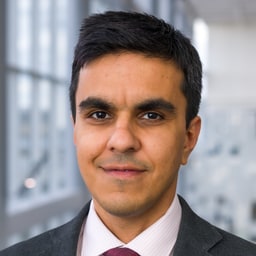
Vibhash Sharma, M.D.
Program DirectorRequirements
Applicants must have completed a neurology residency training in an ACGME-accredited program.Application & Typical Timeline
We follow the San Francisco Match and accept applications one year before the anticipated fellowship start date (most likely your PGY-3).March-April: applications open
Summer: interviews throughout
Mid-September: matchQuestions? neurofellowship@UTSouthwestern.edu
Current Fellows
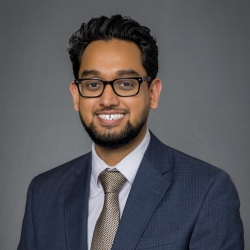
Ali Mahmood, M.D.
Second Year Fellow
Residency: Univ. of Missouri - Kansas City, Neurology
Medical School & Undergraduate: Univ. of Kansas
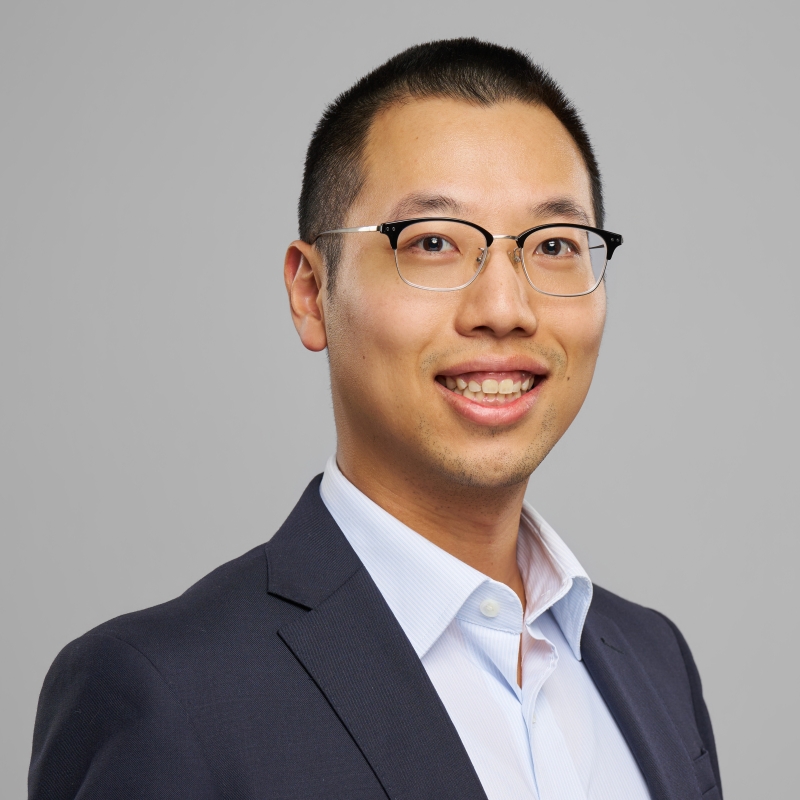
Hank Lin, M.D.
First Year Fellow
Residency: Montefiore Medical Center, Neurology
Medical School: Albert Einstein School of Medicine
Undergraduate: Univ. of California, Santa Barbara
From Fellowship Alumni
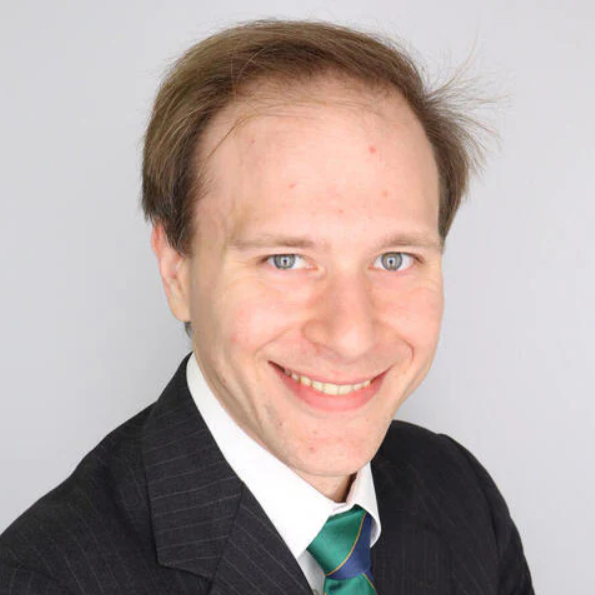
"Residency & fellowship training at UTSW left me lacking for nothing and did something very rare, it rekindled my love of medicine and reinforced my joy in the work. Without the elective opportunities during residency, I would not have discovered the appeal of Sleep Medicine, learned about the specialty care in a surgical EMU, and would have missed the high-level Parkinson’s Disease training. I gained early confidence in high-level DBS programming and felt confident to be autonomous within months. I had exposure to extremely rare conditions under the supervision of world experts in dystonia and essential tremor (patients would travel from all over the world to seek their expertise). This experience prepared me exceptionally well for both the busy private practice and academic research settings, in which I have worked since graduating."