
News Highlights - September 1, 2026
Announcements

Conzen Announces Transition from Division Leadership
Suzanne Conzen, M.D., has announced her decision to step down as Chief of the Division of Hematology and Oncology and return her primary focus to research. She will continue serving as Chief while the Department conducts a national search and until a permanent successor is appointed.
Since joining UT Southwestern in 2019, Dr. Conzen has led a period of significant advancement across the Division’s clinical, research, and educational missions. During her tenure, the Division nearly doubled in size to 93 faculty members and expanded specialized hematology and oncology services throughout UT Southwestern. Under her leadership, the Division established an inpatient oncology hospitalist program, strengthened integration of disease-focused programs across campuses, enhanced fellowship training, and expanded clinical and research activities in classical hematology, malignant hematology and cellular therapy, solid tumor therapeutics, and cancer research.
Today, Division faculty generate more than $60 million in annual professional revenue and more than $1.7 billion in annual hematology and oncology infusion revenue. The Division also supports approximately $25 million in clinical trial research activity each year and continues to grow its portfolio of investigator-initiated and industry-sponsored studies, reflecting its role as a major contributor to the clinical and research missions of UT Southwestern.
An internationally recognized physician-scientist, Dr. Conzen has built a distinguished career in cancer research and mentorship. Her accomplishments have earned election to both the American Society for Clinical Investigation and the Association of American Physicians, and she has served on national scientific advisory and review committees that help shape the nation's cancer research agenda.
Equally important has been her commitment to developing the next generation of investigators and clinicians. As Division Chief and Co-Director of the Simmons Comprehensive Cancer Center’s NCI Cancer Biology K12 Fellowship, she has championed mentorship, educational innovation, and career development opportunities for trainees and faculty.
“I am deeply grateful to Dr. Conzen for her outstanding service to our Department and our patients,” said Samir M. Parikh, M.D., Professor and Chair. “Her vision, intellect, and dedication have positioned the Division of Hematology and Oncology for continued success, and I am pleased that she will remain an integral member of our faculty and scientific community.” ■
Dr. Conzen holds the Andrea L. Simmons Distinguished Chair in Cancer Research. Dr. Parikh holds the Donald W. Seldin Distinguished Chair in Internal Medicine and the Ruth W. and Milton P. Levy, Sr. Chair in Molecular Nephrology.
Kudos

Yilmaz Receives Winn Career Development Award
Elif Yilmaz, M.D., an Assistant Professor in the Division of Hematology and Oncology, has received the Robert A. Winn Excellence in Clinical Trials Career Development Award (Winn CDA), a nationally competitive program that supports early-career investigators committed to expanding access to clinical research.
The two-year award provides mentorship, structured training, and protected research time to help scholars develop and lead community-focused clinical trials. The program is designed to strengthen diversity in clinical research and increase participation among historically underserved populations.
Dr. Yilmaz was selected through a national competition that recognizes investigators with the potential to advance equitable clinical trial access and improve health outcomes through research. The award will support her continued development as a clinical investigator while expanding opportunities to engage communities that have traditionally been underrepresented in clinical studies. ■
Research Report

Patel Receives $4M NIH Grant to Study Retrotransposons in Alcohol-Associated Liver Disease
Suraj J. Patel, M.D., Ph.D., an Assistant Professor in the Division of Digestive and Liver Diseases and the Center for Human Nutrition, has been awarded a five-year R01 grant from the National Institutes of Health (NIH) to investigate a newly identified driver of alcohol-associated liver disease (ALD). The $4 million award will support research into how alcohol metabolism reactivates endogenous retroelements, ancient viral sequences embedded in the human genome, triggering the innate immune responses that fuel liver inflammation, injury, and fibrosis. A central goal of the project is to test whether FDA-approved reverse transcriptase inhibitors, currently used to treat HIV and HBV, can be repurposed as urgently needed, mechanism-based therapies for ALD and alcoholic hepatitis, conditions for which no FDA-approved treatments currently exist. Ashutosh Shukla, Ph.D., an Instructor in Dr. Patel’s laboratory, contributed to this work and serves as an investigator on this award.
Dr. Patel’s research focuses on liver metabolism and its regulation by the immune system. He utilizes genetic, epigenetic, and proteomic approaches, combined with detailed physiological studies, to understand the complex mechanisms that causally link inflammation to metabolic dysfunction in liver disease.
Dr. Patel holds a bachelor’s degree in aeronautical engineering from Cornell University. He earned his master’s and doctorate degrees in bioengineering and immunology from the Massachusetts Institute of Technology and Harvard Medical School, before pursuing his medical degree at Rutgers University. Dr. Patel then completed internal medicine residency training at UT Southwestern, before receiving advanced training through a fellowship program in gastroenterology and hepatology at the Massachusetts General Hospital.
Dr. Patel joined the UT Southwestern faculty in 2021. ■
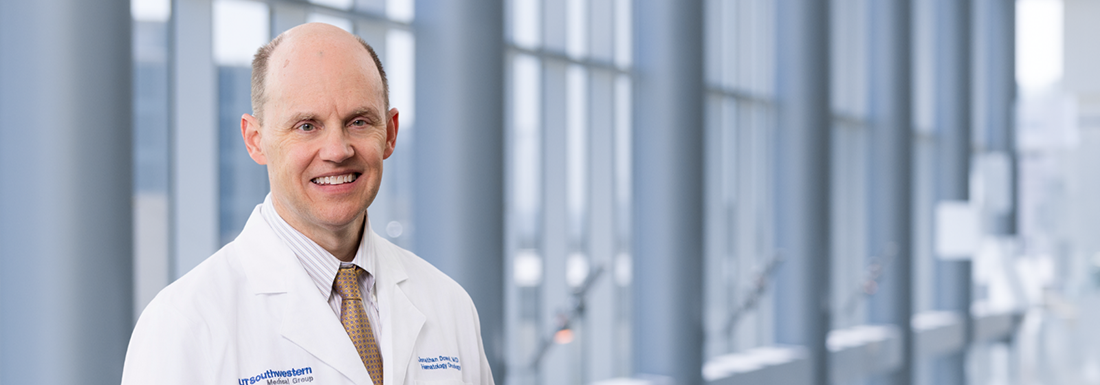
Dowell to Develop Cancer Clinical Research Network for Veterans
The Dallas VA Medical Center has been selected as the Veterans Integrated Service Network (VISN) 17 lead site for the Cancer Clinical Research Network (CCRN), a national initiative supported by the Department of Veterans Affairs Cooperative Studies Program. Led by Principal Investigator Jonathan E. Dowell, M.D., a Professor in the Division of Hematology and Oncology, the program will receive approximately $965,000 annually for five years to strengthen cancer clinical research and expand access to precision oncology care for veterans across the region.
As the VISN 17 hub site, Dallas VA will help establish a network of clinical research centers focused on precision oncology, using genetic and molecular characteristics of tumors to guide treatment decisions. The program will create a hub-and-spoke model that connects VA facilities across the region, including smaller and rural sites, with the goal of increasing participation in cancer clinical trials, improving access to specialized care, and advancing cancer research for veterans.
The CCRN initiative also aims to accelerate enrollment in clinical trials, expand opportunities for VA investigators to participate in and lead cancer research studies, strengthen research infrastructure and data management capabilities, and foster collaboration among VA facilities to share best practices and reduce barriers to cancer care. Additional priorities include increasing research and training opportunities in oncology and genetics while ensuring equitable access to clinical trials for all veterans. ■
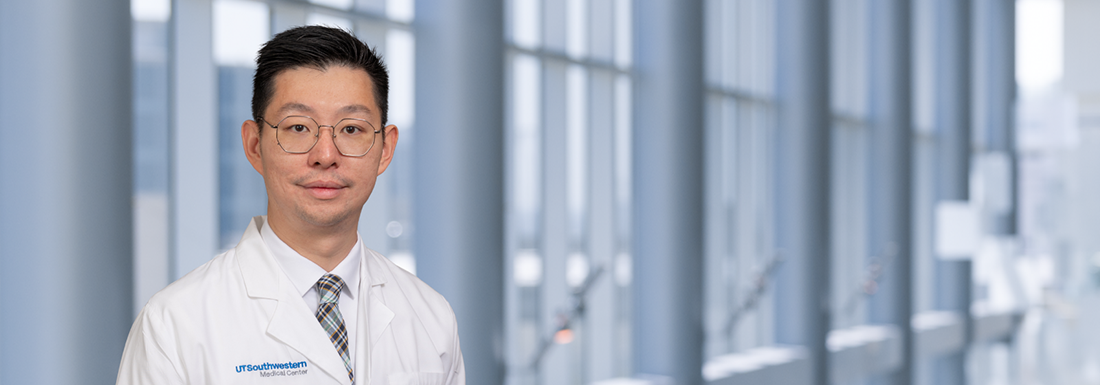
Jiang Receives NCCN/Pfizer Award to Advance Biomarker-Guided Prostate Cancer Care
Charles Jiang, M.D., an Assistant Professor in the Division of Hematology and Oncology, has been awarded $250,000 through the National Comprehensive Cancer Network (NCCN)/Pfizer Quality Improvement Project: Improving Metastatic Prostate Cancer Care Through Innovative Strategies program for his project, “Closing the Biomarker Action Loop in Metastatic Prostate Cancer at a Major U.S. Safety-Net Cancer Program.” The proposal was approved for funding following review by the NCCN Scientific Review Committee.
Dr. Jiang’s project seeks to improve biomarker-driven care for patients with metastatic prostate cancer within a large safety-net health system. The initiative will implement a standardized workflow that combines germline and somatic genomic testing, multidisciplinary review through a dedicated molecular tumor board, and patient education efforts designed to improve understanding of biomarker results and treatment options. The program also aims to increase guideline-concordant testing, enhance clinical decision-making, and reduce disparities in care among underserved patient populations.
NCCN reviewers described the proposal as a strong project with high potential impact and scalability. The review committee noted the project’s innovative use of automated genomic counseling and streamlined testing workflows, as well as its potential to serve as a model for other safety-net health systems. The proposal received a recommendation for funding from the review committee.
The award will support implementation and evaluation of the quality improvement initiative, with funding provided directly by Pfizer through the NCCN/Pfizer Request for Proposals program. ■
Research Teams Earn Multiple Honors at Molecular Imaging Conference
Two multidisciplinary research teams affiliated with UT Southwestern received national recognition from the World Molecular Imaging Congress (WMIC) 2026, with one study selected among the meeting’s Most Innovative Abstracts and another named a Poster Award finalist.
A study titled “A Training-Time Hemoglobin Optical Prior Derived from Light Transport Improves Vascular and Mucosal Lesion Classification in In Vivo Human Wireless Capsule Endoscopy” was selected as one of the Most Innovative Abstracts at WMIC 2026 and will be featured in the meeting’s Highlight Session. The project also received a $400 Student Travel Award and was chosen as a finalist for the Image Data Science Young Investigator Award. Finalists will compete Sept. 10 for first-, second-, and third-place awards.
The research advances AI- and physics-guided wireless capsule endoscopy to improve detection and classification of vascular and mucosal abnormalities throughout the gastrointestinal tract. Because a gastroenterology specialist may spend six to seven hours reviewing approximately 50,000 imaging frames from a single study, the team’s AI model was developed to complete the analysis in less than 50 seconds and identify locations of potential disease for physician review.
The study represents a collaboration among the UT Southwestern Departments of Biomedical Engineering and Internal Medicine, the Stanford University School of Medicine Department of Radiation Oncology, the Parkland Hospital Division of Gastroenterology, and the Clements University Hospital Division of Gastroenterology. Other UT Southwestern authors included Chengshuai Yang, Ph.D., a Research Associate in the Zaman Lab; Roopa Vemulapalli, M.D., Clinical Associate Professor, Clinical Chief, and Director of Endoscopy Operations in the Division of Digestive and Liver Diseases; Lisa Casey, M.D., an Associate Professor in the Division of Digestive and Liver Diseases; and Raiyan Tripti Zaman, Ph.D., M.S.E.E., an Assistant Professor in the Division of Cardiology.
A second study, “Independent Trajectories of Oxygenation and Remodeling in Myocardial Infarction: A Longitudinal Optoacoustic Assessment,” was selected as a WMIC 2026 Poster Award Finalist in the Cardiovascular and Systemic Diseases category.
The research focuses on noninvasive optoacoustic imaging to evaluate myocardial oxygenation, therapeutic response, and fibrotic remodeling following myocardial infarction. Investigators found that optoacoustic-derived oxygenation metrics may provide a sensitive way to monitor functional recovery and treatment-related changes during cardiac repair.
Other UT Southwestern authors included Shu Kang, Ph.D., a former Zaman Lab member; Herman May, B.S., a Senior Research Scientist in the Moss Heart Center; Meghana Kolli, M.S., a Research Assistant in the Advanced Imaging Research Center; Steven Long, M.D.; Ian Corbin, Ph.D., an Associate Professor in the Advanced Imaging Research Center; Joseph Hill, M.D., Ph.D., Professor and Director of the Moss Heart Center; and Dr. Zaman.
Both recognitions highlight the impact of collaborative research efforts and the growing role of advanced imaging and artificial intelligence in improving disease detection, monitoring, and patient care. ■

Review Highlights Evolving Role of Exercise in Heart Health
A comprehensive review published in Circulation: Cardiovascular Quality and Outcomes outlines the expanding role of sports and exercise cardiology in preventing cardiovascular disease, improving population health, and caring for athletes across all levels of competition. The article, “Sports and Exercise Cardiology: A New Frontier in Cardiovascular Disease Management,” was co-authored by Benjamin Levine, M.D., a Professor in the Division of Cardiology and Director of the Institute for Exercise and Environmental Medicine at Texas Health Presbyterian Hospital Dallas, and Keri Shafer, M.D., an Associate Professor in the Division of Cardiology and Director of the Adult Congenital Heart Disease Program.
The review describes how sports and exercise cardiologists help evaluate symptoms that limit athletic performance, distinguish normal exercise-related cardiac adaptations from heart disease, reduce the risk of sudden cardiac arrest, and develop personalized exercise strategies for athletes and nonathletes alike. The authors also examine emerging areas of the field, including sports electrophysiology, cardiovascular care for tactical athletes such as firefighters and military personnel, and the use of exercise as a tool for healthy aging and disease prevention.
As senior author, Dr. Levine helped shape the article’s broad perspective on the relationship between exercise and cardiovascular health.
“The review emphasizes that regular physical activity remains one of the most effective interventions for improving longevity and reducing the risk of cardiovascular disease, while highlighting the need for specialized expertise to safely care for athletes and highly active individuals,” Dr. Levine said. “Sports and exercise cardiology is becoming an increasingly important component of modern cardiovascular medicine and preventive health.” ■
Dr. Levine holds the Distinguished Professorship in Exercise Medicine and the S. Finley Ewing Jr. Chair for Wellness and the Harry S. Moss Heart Chair for Cardiovascular Research at Presbyterian Hospital Dallas.
Education & Training
New Publication Examines How Continuity Clinics Support Resident Development
A new publication led by Jhee “June” Lee, M.D., an Assistant Professor in the Division of General Internal Medicine, offers a practical framework for how faculty can help residents develop their professional identities through continuity clinic experiences. The article, “Residents as Physicians: Best Practices for Faculty to Promote Professional Identity Formation in Continuity Clinic,” was published in the Journal of General Internal Medicine.
Professional identity formation refers to the process by which physicians-in-training develop the values, responsibilities, behaviors, and sense of purpose associated with the profession. In the article, Dr. Lee and colleagues argue that continuity clinic provides a uniquely important setting for this development because residents build long-term relationships with patients and faculty while assuming increasing responsibility for patient care.
The authors identified and refined four faculty practices that support residents’ professional identity formation: role modeling, deliberate observation and entrustment, guided reflection, and clinical sponsorship. They then described how these everyday teaching behaviors can help residents integrate clinical experiences into their emerging identities as physicians, regardless of their eventual career path.
The article also outlined institutional strategies to strengthen this work, including maintaining continuity between faculty and residents, protecting time for reflection and feedback, and investing in faculty development. According to the authors, intentional attention to professional identity formation can transform continuity clinic from a site of clinical instruction into a setting that helps shape the next generation of physicians.
Other UT Southwestern faculty members who contributed to the article were Shivani Desai, M.D., an Assistant Professor in the Division of General Internal Medicine and Associate Program Director of the Internal Medicine Residency; Emily Bufkin, M.D., an Assistant Professor in the Division of Combined Internal Medicine and Pediatrics and Program Director of the Internal Medicine-Pediatrics Residency; Rachel Bonnema, M.D., M.S., a Professor in the Division of General Internal Medicine and Vice Chair of Faculty Affairs; Eduardo Mulanovich, M.D., M.S.,an Assistant Professor in the Division of General Internal Medicine and Co-Director of the Ambulatory Clerkship; and Madeline Rodriguez, M.D., an Assistant Professor in the Division of General Internal Medicine and Associate Director of the Internal Medicine Residency. ■