
Affiliated Laboratories
Research Interests: Our laboratory focuses on molecular mechanisms of remodeling in the stressed myocardium. In particular, we strive to decipher mechanisms of structural, functional, and electrical remodeling in heart disease with an eye toward therapeutic intervention. Presently, our studies are based largely on genetic and surgical models of cardiac hypertrophy and failure in animals.
Research Interests: Our lab investigates the process of cell fate decisions in the heart, both during development and in response to injury. Through understanding the epigenetic and transcriptional regulators that dictate cardiac reprogramming, we aim to identify novel and highly mechanistic targets for the treatment of heart disease.
Research Interests: Dr. Lee’s vascular immunology laboratory focuses on molecular and cellular mechanisms by which immune activation perturbs vascular homeostasis and thereby make our blood vessels susceptible to various cardiovascular and metabolic pathologies, such as atherosclerosis. The ultimate goal of her scientific program is to improve our patients' vascular resilience and help prevent myocardial infarction, stroke, and ischemic limb loss.

Research Interests: Dr. Liu's research focuses on transcriptional and molecular mechanisms that mediate hypertensive and ischemic heart disease. Her investigations have unveiled important insights in the field of prostate cancer that have real potential for translation to clinical application. Her particular interest is on the cutting-edge field of epigenetic control, particularly that mediated by histone lysine demethylases (KDM). She also continues her long-term interests in cardiac biology, and has uncovered a novel role for a matricellular protein Cilp1 (cartilage intermediate layer protein 1) in myocardial fibrosis in response to cardiac ischemic injury.
Research Interests: The cardiac conduction system is an electrically-coupled structure within the heart responsible for initiation and propagation of each heartbeat. Our lab is interested in elucidating the transcriptional mechanisms that dictate formation of the cardiac conduction system and its impact on the establishment of normal cardiac rhythm.
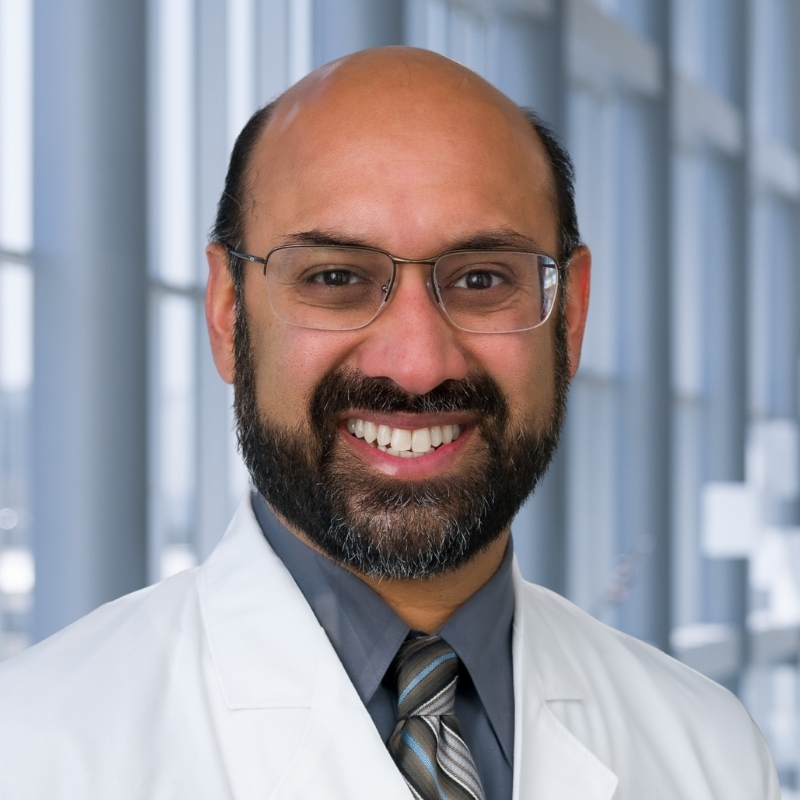
Research Interests:Dr. Rohatgi’s research focuses on the role of novel biomarkers in improving risk prediction for atherosclerosis and coronary artery disease. Specifically, his main area of interest is the role of high-density lipoproteins (HDL) in cardiovascular disease. He also focuses on high-risk populations, including those with diabetes and people of South Asian ancestry.

Research Interests: Research in the Rothermel laboratory focuses on deciphering the molecular mechanisms that control cardiac structure and function during normal development and in response to pathological stress. The gene regulator of calcineurin 1 (RCAN1) plays a central role in our studies. Ongoing projects are focused on understanding (1) the fundamental processes through which RCAN1 regulates calcineurin signaling, (2) circadian regulation of cardiac function, (3) RCAN1's role in adipocyte differentiation an metabolism, and (4) mitophagy in cardiac disease and aging.
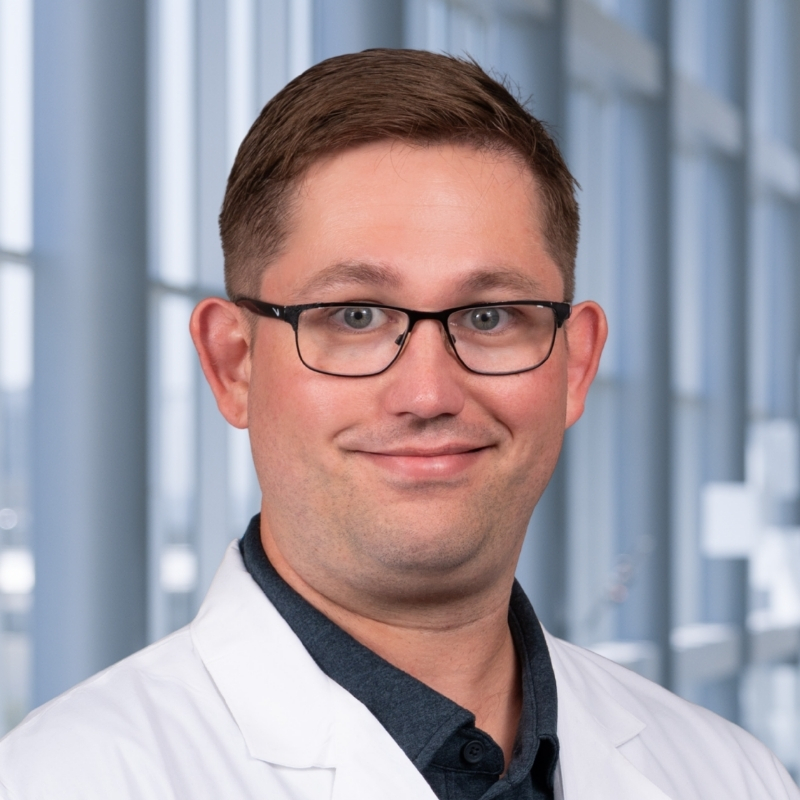
Research Interests: The Sweat Lab focuses on understanding epigenetic regulatory mechanisms controlling the cellular identity programs of atrial (and ventricular) cardiomyocytes. The group’s prior work has shown that genetic perturbations affecting the regulation of cellular identity programs can result in sustained arrhythmias, like atrial fibrillation. The team uses different types of arrhythmia models to uncover molecular and epigenetic mechanisms of arrhythmia, with the overarching goal of defining mechanistic underpinnings of arrhythmias to develop new treatments.
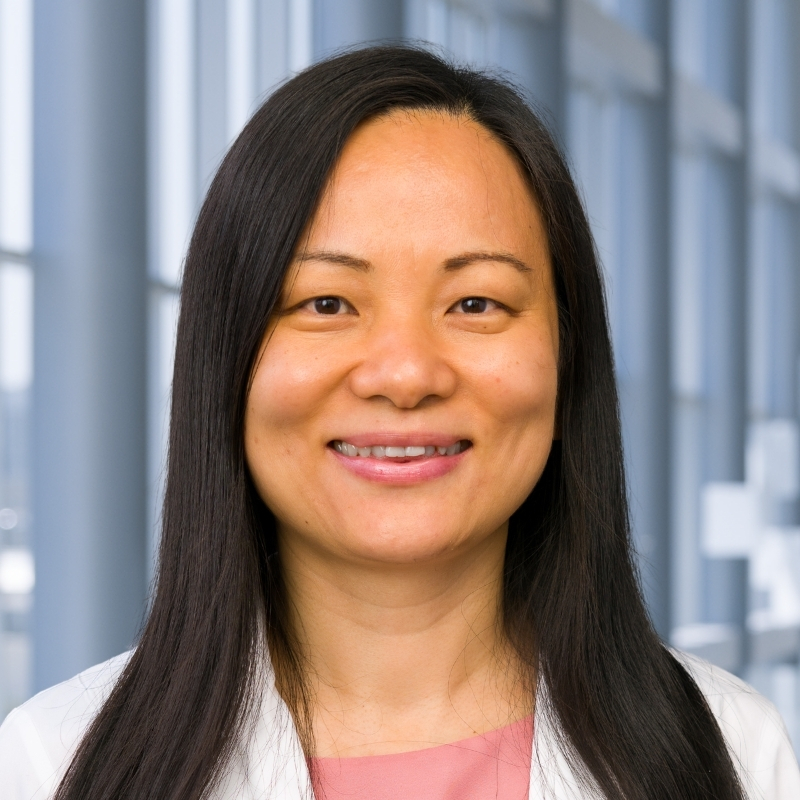
Dan "Amanda" Tong, M.D., Ph.D.
Research Interests: The Tong lab studies the cellular and molecular mechanisms of cardiovascular diseases associated with systemic metabolic disorders, particularly heart failure with preserved ejection fraction (HFpEF) and atrial fibrillation (AF), with an eye toward translating these findings into innovative solutions to clinical problems.
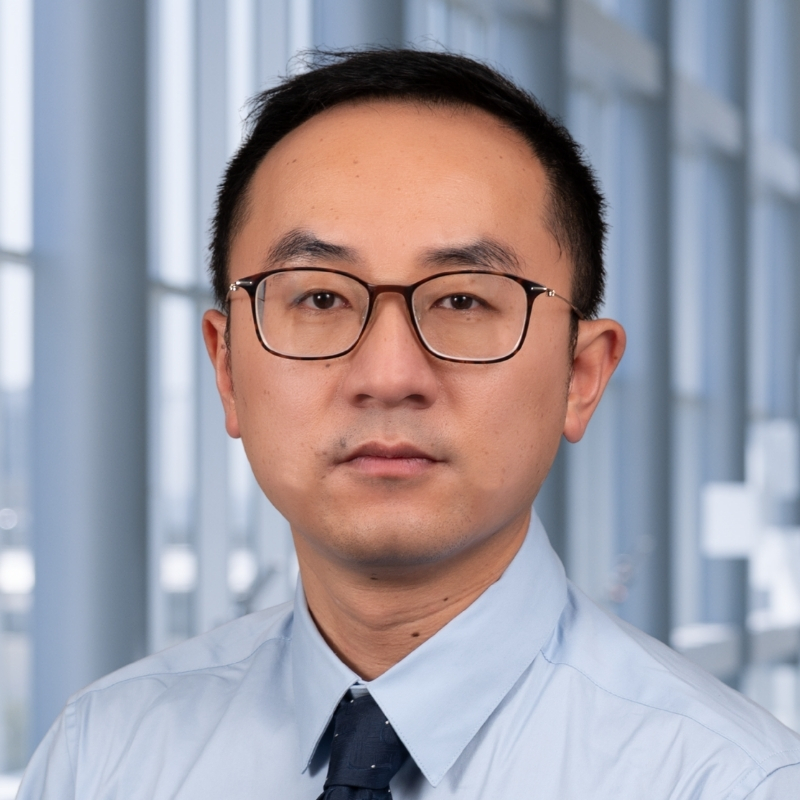
Research Interests: We are a multidisciplinary research lab that applies engineering techniques and stem cell technologies to create in vitro biomimetic models for human heart disease. We use human induced pluripotent stem cells (iPSCs) from patients to generate cardiomyocytes (iPSC-CMs). This methodology allows us to understand how patient genetics drive cardiac disorders in a dish. Moreover, iPSC-CMs can be utilized to create 3D engineered heart tissues (EHTs), which more closely mimic the environment of the human heart. In addition, biophysical and biochemical stimulations can be applied further to simulate the complex pathophysiological niche of a diseased heart. This patient-specific preclinical model enables us to elucidate the pathogenesis of both acquired and genetic cardiomyopathies and test for candidate therapeutics.