
Engineering Health - 2025 Impact Report
By The Numbers
History of Excellence
- Department Timeline
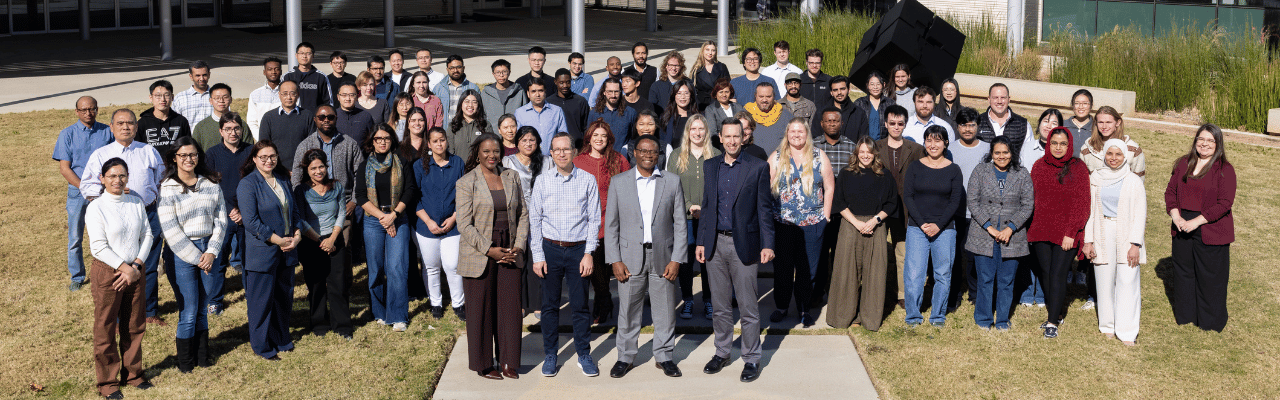
At the University of Texas Southwestern Medical Center Department of Biomedical Engineering, our mission to drive programmatic integration in biomedical engineering and address emerging clinical and scientific challenges in medicine and biology is supported by outstanding faculty, motivated trainees, and exceptional clinical and engineering infrastructure. We strive to create innovative systems and methods that will transform the current disease-care system into a genuine health care enterprise.
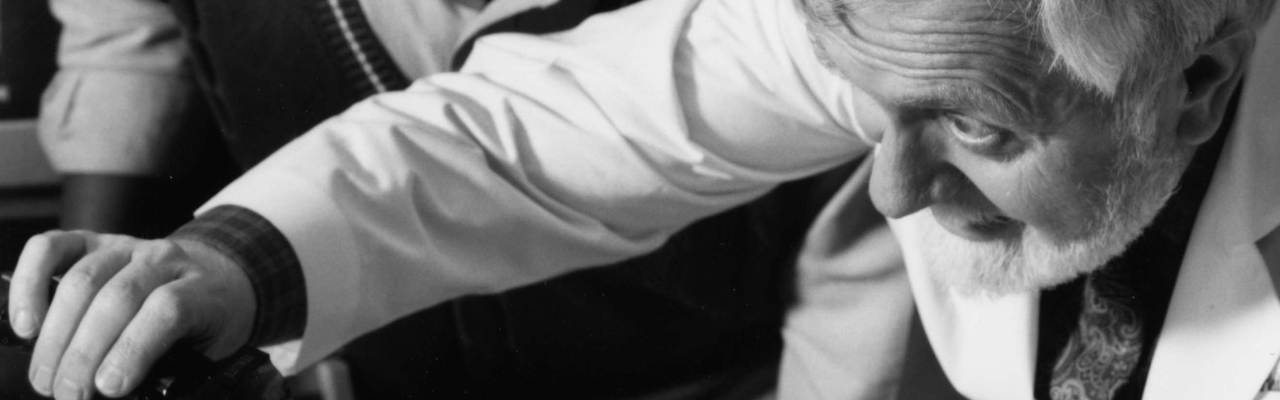
Biomedical engineering research at UT Southwestern has a rich history that spans five decades and includes working cooperatively with other higher educational institutions across North Texas. In 1974, UT Southwestern established the first biomedical engineering Ph.D. program in Texas in collaboration with engineering schools at the University of Texas at Arlington and the University of Texas at Dallas. The rich, long-standing partnership set the groundwork for the establishment of the Department of Biomedical Engineering in 2021.
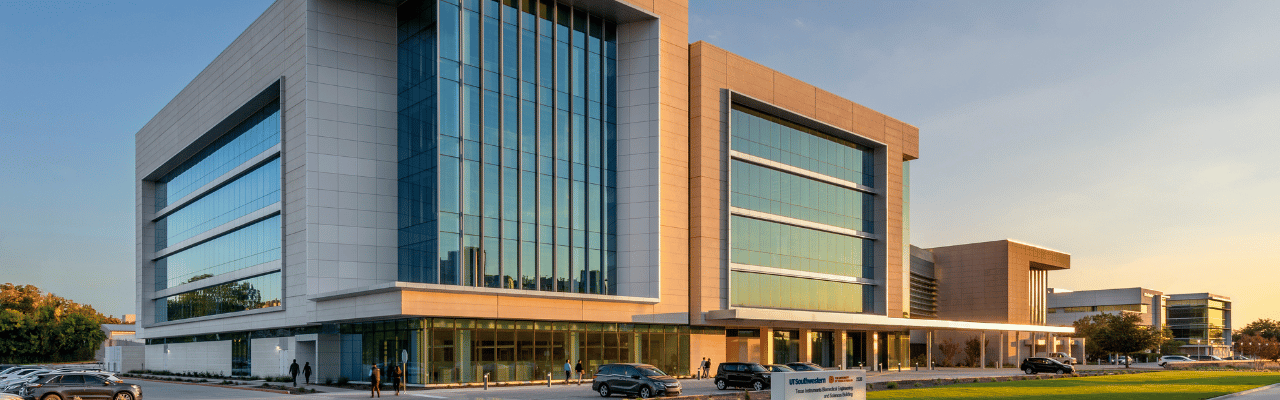
In 2024, the department moved into the new, 150,000-square-foot Texas Instruments Biomedical Engineering and Sciences Building — a joint venture with UTD. Faculty members from both institutions have fostered collaboration and integration to attain a critical mass of investigators with the complementary expertise needed to improve human health and unravel the fundamental underpinnings of biological processes.
1974
UTSW & UTA establish a joint degree program.
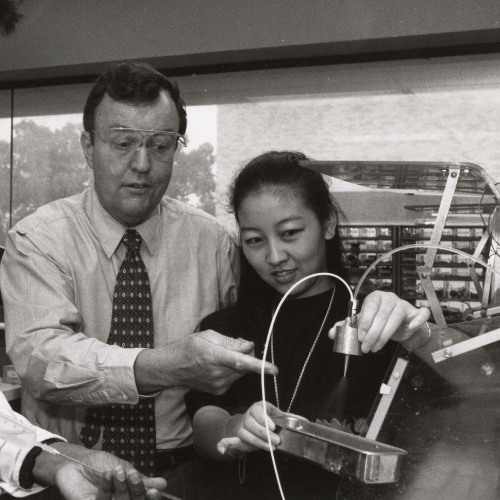
1983
Robert C. Eberhart, Ph.D., is named Director of the Biomedical Engineering Graduate Program.
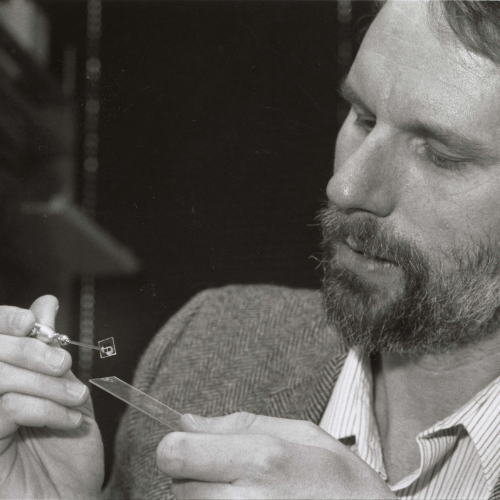
2000
Harold “Skip” Garner, Ph.D., is named Director of the Biomedical Engineering Graduate Program.
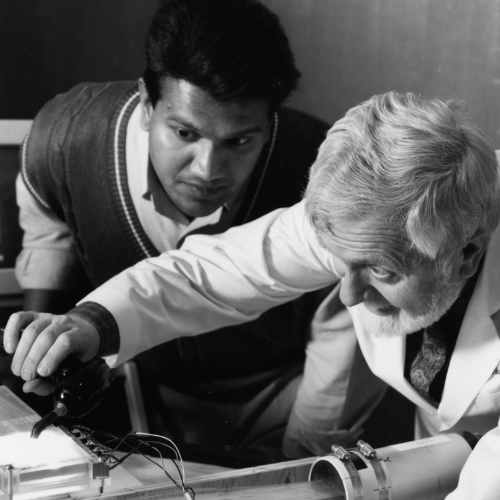
2001
Peter Antich, Ph.D., is named Director of the Biomedical Engineering Graduate Program.
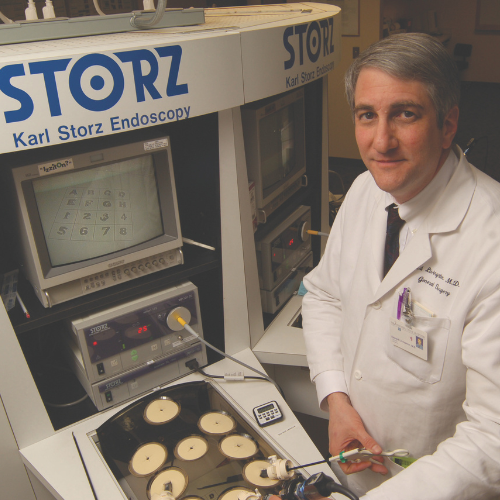
2009
Edward Livingston, M.D., is named Director of the Biomedical Engineering Graduate Program.
2010
UTSW & UTD establish a joint degree program.
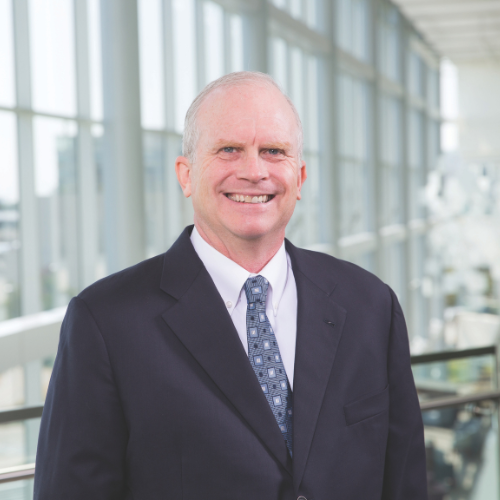
2012
Matthew Petroll, Ph.D., is named Director of the Biomedical Engineering Graduate Program.

2021
UTSW establishes the Department of Biomedical Engineering.
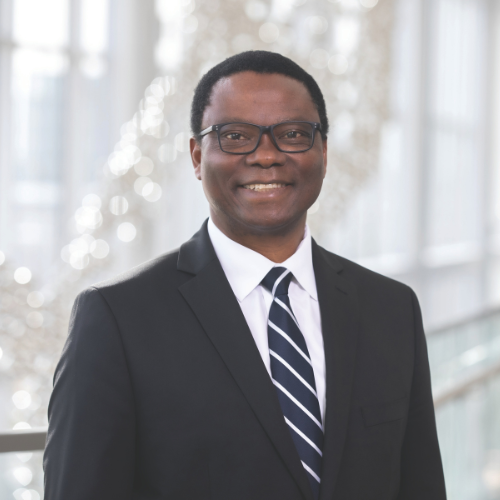
2022
Samuel Achilefu, Ph.D., is named inaugural Chair of the Biomedical Engineering Department.
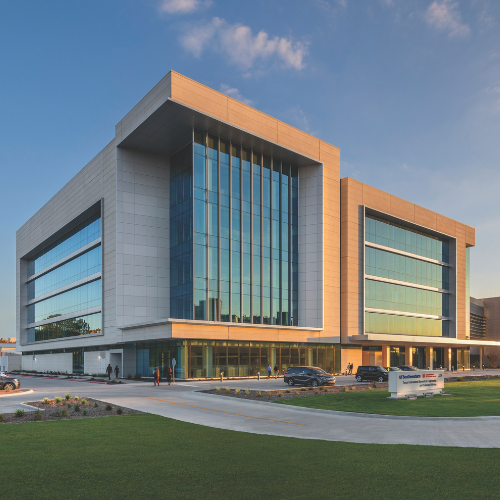
2023
BME moves into the Texas Instruments Biomedical Engineering and Sciences Building.
2024
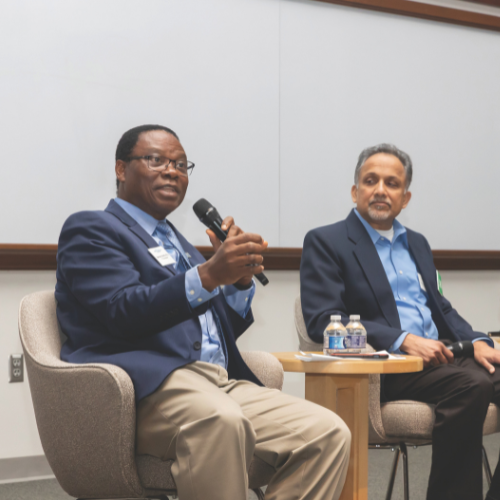
The innaugral North Texas Biomedical Engineering Symposium is held at UT Southwestern.
Message from the Chair
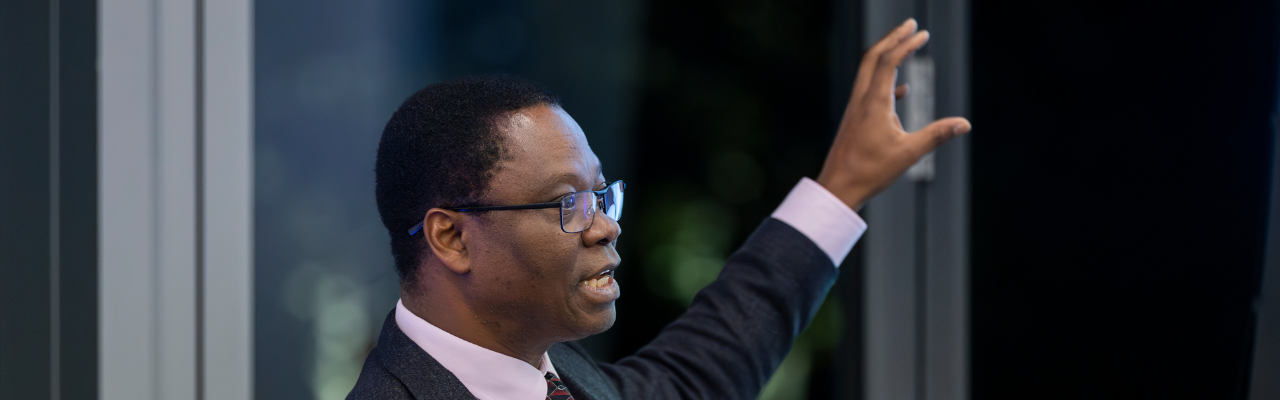
- An Update from Dr. Samuel Achilefu
I began my tenure as the inaugural Chair of Biomedical Engineering (BME) at UT Southwestern in February 2022 with a clear conviction that when engineering, science, and clinical insight converge, ideas become life-changing technologies. I believed then, and even more strongly today, that translational biomedical engineering reaches its full potential when barriers to clinical access and implementation are removed by embedding BME into the very fabric of an academic medical center. That integration is the defining strength of our department.
We launched this department to build a collaborative home where researchers, educators, and trainees can thrive and accelerate translation from discovery to clinical and commercial application. Our progress is built on an extraordinary foundation. In 1974, UT Southwestern established the first biomedical engineering Ph.D. training program in Texas in partnership with UT Arlington. That pioneering model has since grown into a strong collaboration with UT Dallas and a broader regional network across North Texas, united by a shared commitment to excellence in biomedical innovation that prevents disease and improves health outcomes.
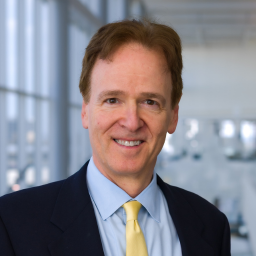
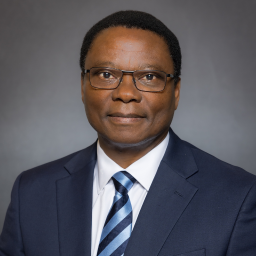 Samuel Achilefu, Ph.D., is Professor Biomedical Engineering at UT Southwestern.
In just a few years, our department has translated that vision into measurable outcomes. We have grown to 13 primary investigators and seven instructors, and our Graduate School-run BME program includes more than 100 Ph.D. students. Academic research funding has surpassed $60 million. In 2025, more than half of our publications appeared in journals with impact factors greater than 10. We have also fostered a culture that supports academic entrepreneurship, enabling our faculty to launch companies, raise over $500 million, and partner with industry to license their inventions. Multiple faculty-led innovations are now advancing through clinical trials. These milestones accelerate translation into real-world use.
A defining milestone was the opening of the 150,000-square-foot Texas Instruments Biomedical Engineering and Sciences Building in 2023. Enabled by generous philanthropic, institutional, and state support, this facility was designed for intentional convergence among engineers, clinicians, and scientists across UT Southwestern and UT Dallas. It is a place where multidisciplinary teams can move faster from ideas to solutions and from solutions to impact.
The breadth of our research enterprise reflects both excellence and mission focus. Our faculty are developing computational frameworks that improve the reliability and interpretability of deep learning in complex biomedical data environments. They are advancing targeted therapeutic implants that deliver drugs directly to tumors while reducing systemic toxicity. They are developing optical technologies for noninvasive assessment of health and disease, uncovering mechanisms that inform better patient care, printing potentially transplantable liver tissue, and engineering next-generation lipid nanoparticles that expand gene and mRNA therapeutics beyond traditional organ targets in oncology and rare disease.
Our faculty continue to receive prestigious honors, including election to the National Academy of Engineering, the National Academy of Medicine, and the National Academy of Inventors. These distinctions matter, but what inspires me most is how our faculty mentor generously, build high-performing teams, and create pathways for trainees and others to succeed.
Community-building is equally central to our mission. In 2024, we hosted the inaugural North Texas Biomedical Engineering Symposium in partnership with UT Dallas, UT Arlington, the University of North Texas, and Southern Methodist University, an important step toward strengthening regional collaboration. In 2025, we launched our inaugural STARS BME Day to introduce high school students and teachers to biomedical engineering through hands-on, interactive learning. These events are designed to strengthen the talent pipeline and broaden participation in the future of our field.
We are fortunate to be embedded in one of the nation’s leading academic medical centers, with world-class faculty, nationally recognized programs, and an ecosystem where biomedical engineers are integral to both translational and fundamental discovery. As we look ahead, our mission remains bold and practical: to help transform disease care into true health care through solutions that are scientifically rigorous, clinically relevant, and broadly accessible.
I greatly appreciate the vision and sustained support of UT Southwestern leadership that have made this progress possible. I am equally grateful to our faculty, trainees, staff, collaborators, donors, and friends for helping build this unique translational Biomedical Engineering Department. What we have achieved in a short time is extraordinary. What we will achieve next will be even greater.
Faculty
- Meet the Faculty
Samuel Achilefu, Ph.D.
Professor & Chair
Research Interests: Molecular imaging, nanotechnology, devices, and therapeutic interventions
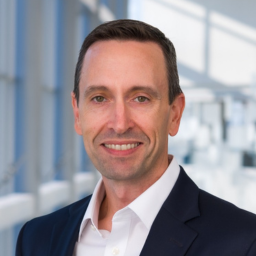
Walter Akers, D.V.M., Ph.D.
Associate Professor & Research Director
Research Interests: Biomedical imaging, systems development, image-guided surgery for improved cancer treatment, preclinical models of human disease
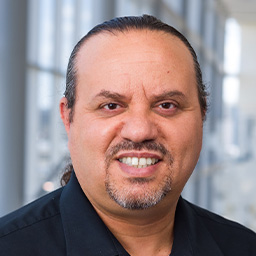
Kareem Azab, Ph.D.
Associate Professor
Research Interests: Tissue engineering, biomaterials, implantable biodegradable systems, cancer biology, tumor microenvironment, immunotherapy, cancer biomarkers, drug delivery systems, nanotechnology, boron neutron capture therapy
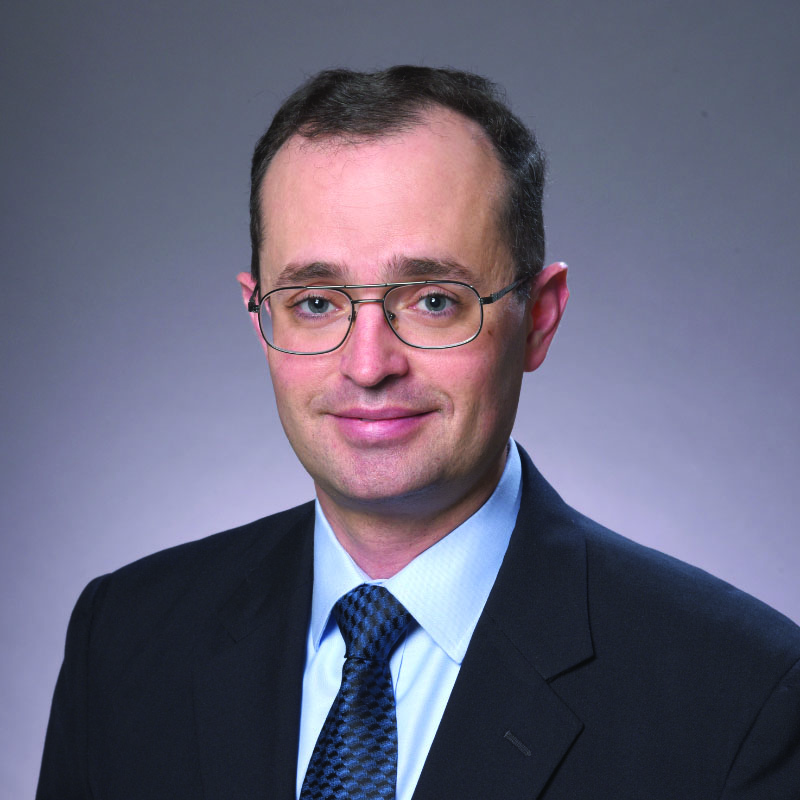
David Busch, Ph.D.
Associate Professor
Research Interests: Diffuse correlation spectroscopy, diffuse optical spectroscopy, medical device development
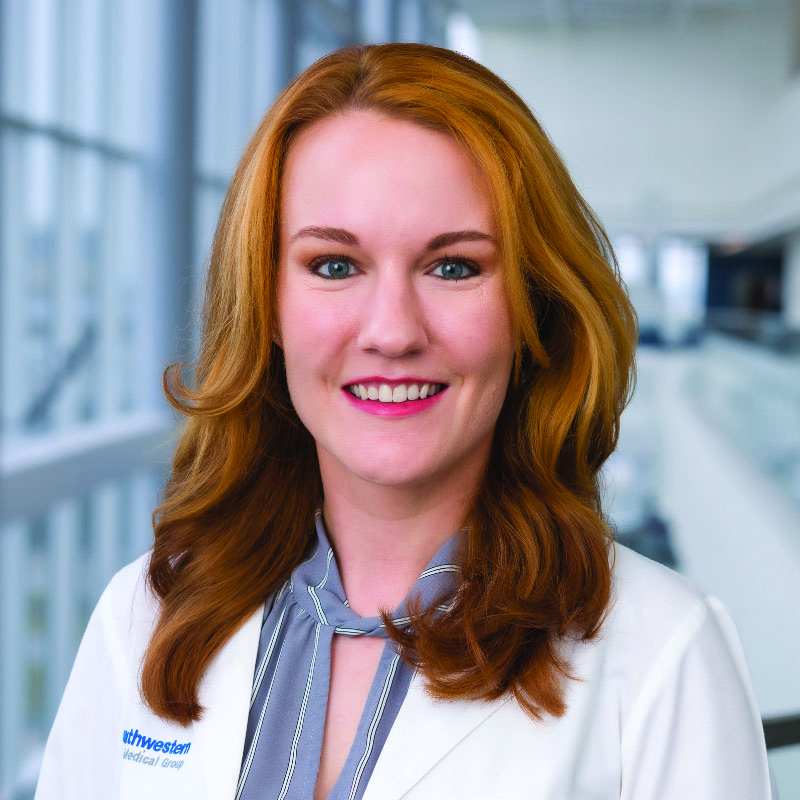
Elizabeth Davenport, Ph.D.
Associate Professor
Research Interests: Magnetoencephalography, Alzheimer’s disease, concussion, epilepsy
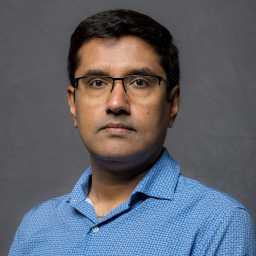
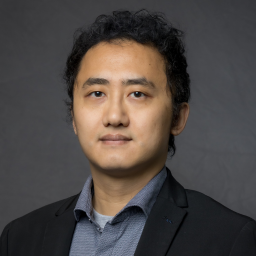
Zijian Deng, Ph.D.
Instructor
Research Interests: Instrumentation, optical imaging and tomography, computational imaging, time-resolved single-photon detection, and image-guided therapy
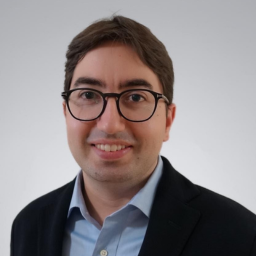
Pere Dosta Pons, Ph.D.
Instructor
Research Interests: Biomaterials, nanotechnology, non-viral drug delivery, and cancer immunotherapy
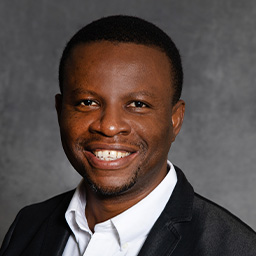
Christopher Egbulefu, M.D.
Instructor
Research Interests: Sub-cellular characterization of molecular events in cancer models, identification, designing, and validation of targeted fluorescence probes and novel therapeutic strategies (Cerenkov therapy, immunotherapy, small molecular inhibitor, and combination therapy) for cancer management
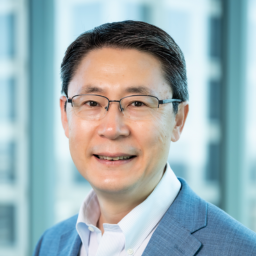
Jinming Gao, Ph.D.
Professor
Research Interests: Acidotic transistor medicine (ATOM), immune-engineering, STING immunity
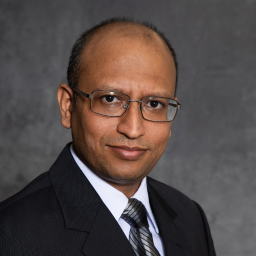
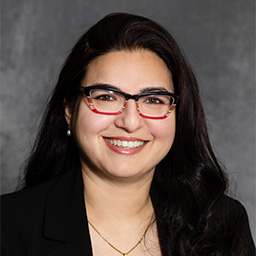
Anchal Ghai, Ph.D.
Instructor
Research Interests: Oncology, multiple myeloma, nuclear imaging probes, radiochemistry, nuclear theranostics
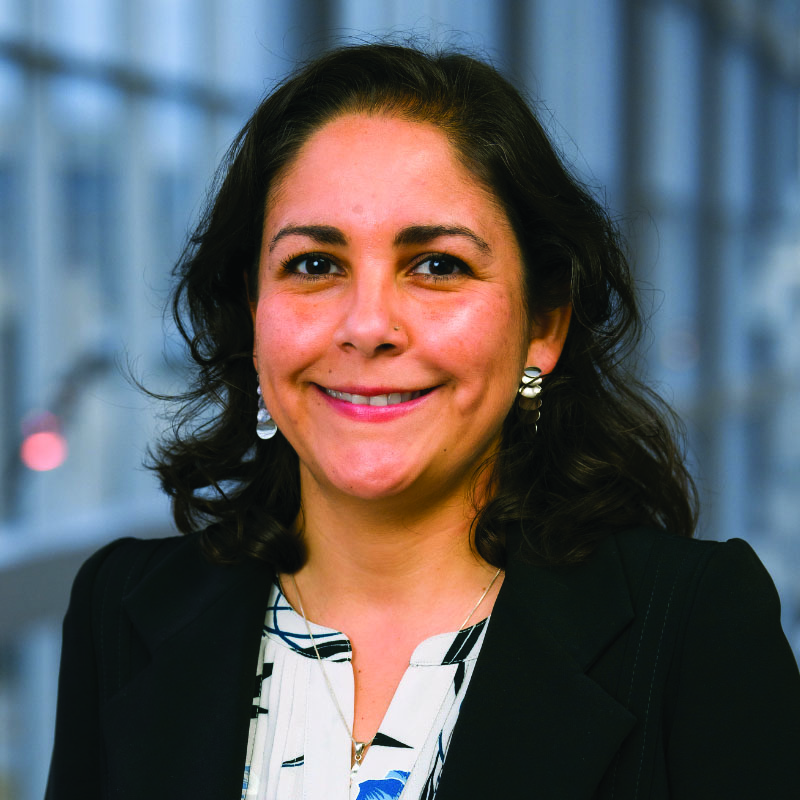
Paula Hernandez, Ph.D.
Assistant Professor
Research Interests: Articular cartilage, cell mechanobiology, sex hormones regulating cell mechanics and inflammation
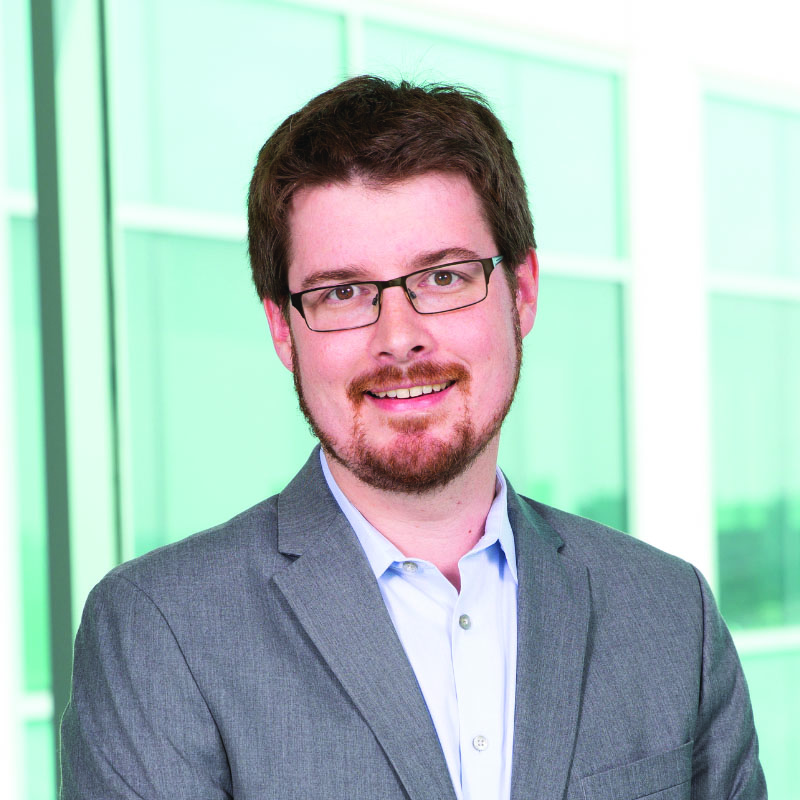
Jacques Lux, Ph.D.
Associate Professor
Research Interests: Activatable ultrasound imaging contrast agents, bioresponsive and ultrasound theranostics, drug delivery
Albert Montillo, Ph.D.
Associate Professor
Research Interests: AI-based tools to support and inform diagnoses, prognoses and treatment, computational neuroscience
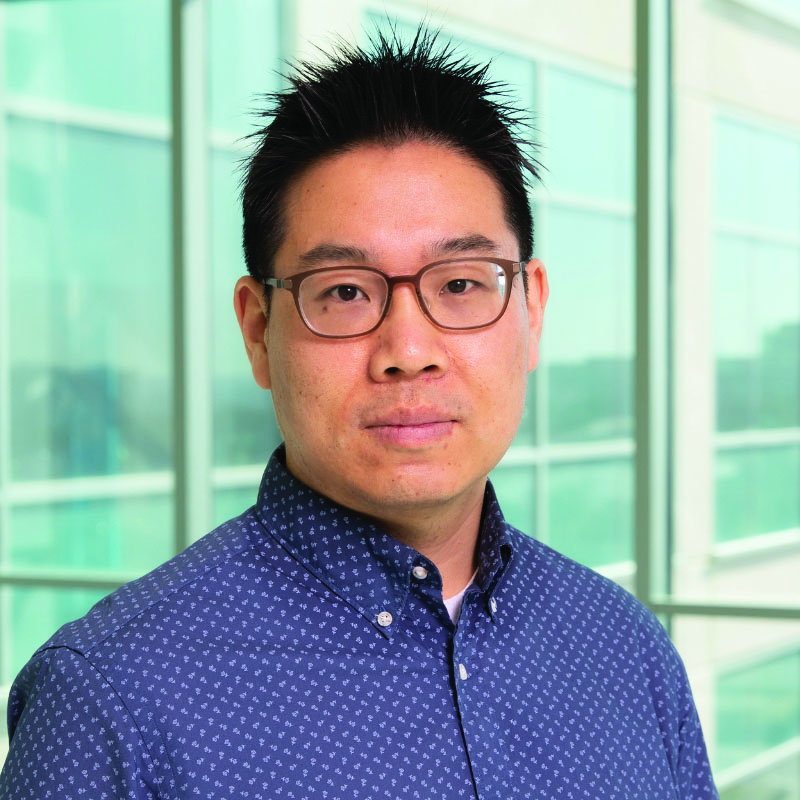
Jae Mo Park, Ph.D.
Associate Professor
Research Interests: Cancer metabolism, hyperpolarized MR spectroscopic imaging methods
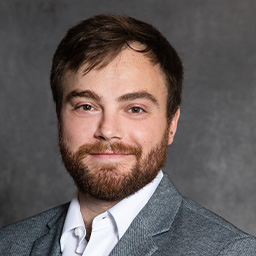
Isaac Pence, Ph.D.
Assistant Professor
Research Interests: Instrumentation, machine learning, Raman spectroscopy, translational biophotonics
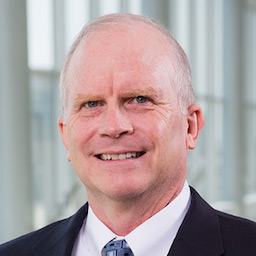
Matthew Petroll, Ph.D.
Professor
Research Interests: Cell mechanics, cellular imaging, corneal cell biology, tissue engineering, wound healing
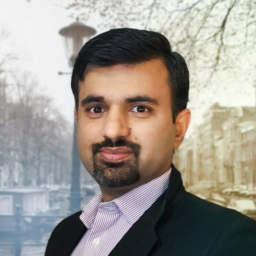
Daniel Siegwart, Ph.D.
Professor
Research Interests: Materials chemistry and engineering, genomic medicines and novel non-viral drug delivery systems
Shaw-Wei David Tsen, M.D., Ph.D.
Assistant Professor
Research Interests: Laser-stimulated pathogen inactivation, drug delivery, cancer prevention, aging research
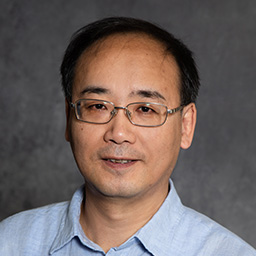
Xiao Xu, Ph.D.
Assistant Professor
Research Interests: Instrumentation focusing on optical, ultrasonic, and hybrid for sensing structural and molecular processes through soft biological tissue, portable devices
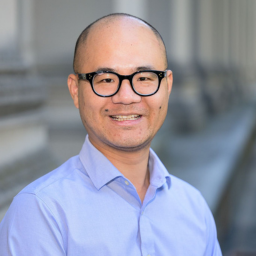
Binbin Ying, Ph.D.
Assistant Professor
Research Interests: Bioadhesives, ingestible bioelectronics, medical device design, soft medical robotics, translational medicine
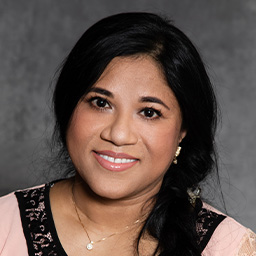
Raiyan Zaman, Ph.D.
Assistant Professor
Research Interests: Interventional devices for translational research in coronary artery disease, real-time tracking and modeling of the dynamic pathobiological information on coronary artery disease and atherosclerosis biology for disease prevention
Sheeba Anteraper, Ph.D.
Associate Professor
Advanced Imaging Research Center | Biomedical Engineering | Peter O'Donnell Jr. Brain Institute
Kimberly Chan, Ph.D.
Assistant Professor
Advanced Imaging Research Center | Radiology | Biomedical Engineering
Wen-Hong Li, Ph.D.
Associate Professor
Southwestern Medical Foundation Scholar in Medical Research | Biological Chemistry | Biomedical Engineering
Amol Patwardhan, Ph.D.
Associate Professor
Anesthesiology & Pain Management | Biomedical Engineering | Peter O'Donnell Jr. Brain Institute
Martin Pomper, M.D., Ph.D.
Professor & Effie and Wofford Cain Distinguished Chair in Diagnostic Imaging
Radiology | Advanced Imaging Research Center | Biomedical Engineering
Richard Samade, M.D., Ph.D.
Assistant Professor
Orthopaedic Surgery & Plastic Surgery | Biomedical Engineering
Gaurav Sharma, Ph.D.
Assistant Professor
Cardiovascular & Thoracic Surgery | Advanced Imaging Research Center | Biomedical Engineering
Nian Wang, Ph.D.
Assistant Professor
Advanced Imaging Research Center | Biomedical Engineering | Peter O'Donnell Jr. Brain Institute
Charles Whitten, M.D.
Margaret Milam McDermott Distinguished Chair in Anesthesiology and Pain Management
Biomedical Engineering
Faculty Accomplishments & Awards
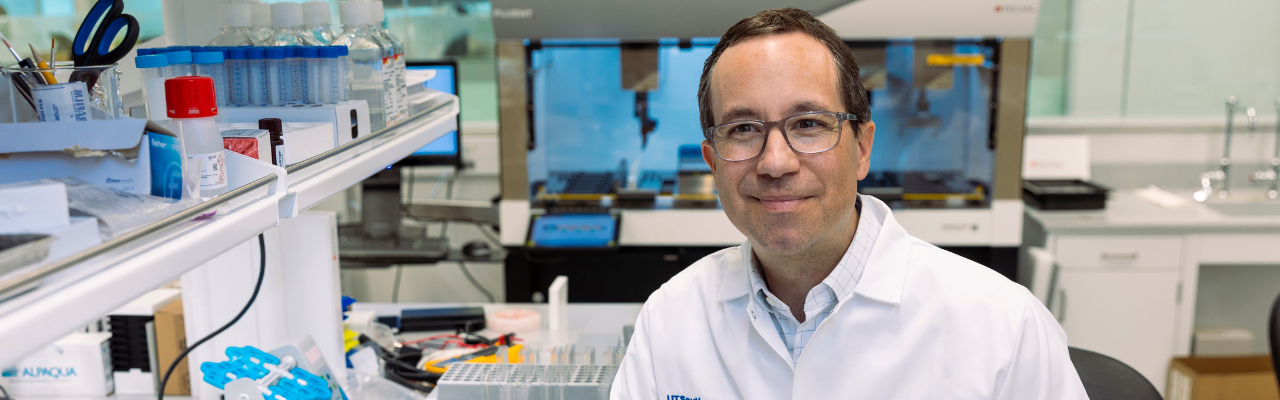
- Members of the National Academies
Professor
- National Academy of Inventors, 2018 Fellow
- National Academy of Medicine, 2021
National Academy of Engineering, 2025
A New Era of Collaboration in Biomedical Engineering
- TI-BMES Building
$120M facility houses joint biomedical engineering programs, research labs to advance innovation in patient care
State, regional, and business leaders joined researchers and students from UT Southwestern Medical Center and the University of Texas at Dallas for the dedication of the Texas Instruments Biomedical Engineering and Sciences Building, which will accelerate training for the next generation and foster medical innovations to improve patient care.
The $120 million, five-story, 150,000-square-foot building, located on the East Campus of UT Southwestern, is made possible by a transformative gift from Texas Instruments (TI) and support from other donors, as well as investment from the Permanent University Fund of The University of Texas System.
Research Impact
- Biomedical Engineering, Redefined
Revolutionizing disease treatment with AI, precision therapies, and cutting-edge biomaterials
Deep learning (DL) has shown great promise in the life sciences, but its effectiveness is limited by complexities in biomedical data, such as naturally grouped samples from the same participant or acquisition device. These clusters violate DL’s assumption of unclustered data, leading to false positive and negative errors. While linear mixed effects (LME) models can address some of these issues, they cannot handle complex, multidimensional data. To address this, Albert Montillo, Ph.D., Associate Professor of Bioinformatics and Biomedical Engineering, and his team developed the Mixed Effects DL (MEDL) framework, combining the strengths of DL and LME. MEDL improves performance, enhances interpretability by separately identifying fixed and random effects, and reduces errors. The framework includes: 1) an adversarial classifier to guide the network in learning cluster-invariant features; 2) a Bayesian neural network to model random effects and predict cluster-specific effects; 3) a mixing function to combine effects for a mixed estimate; and 4) a network for predictions on unseen clusters. The Montillo Lab tested MEDL across various problems and data types, including predicting Alzheimer’s progression from tabular data, diagnosing Alzheimer’s using MRI images, and identifying metastatic cells from microscopy videos. Compared to other methods, MEDL achieved higher accuracy, such as 93% AUROC for predicting progressive mild cognitive impairment (MCI) from seen data, and 84% AUROC for unseen data. The lab is now extending this work to quantify causal treatment effects and handle multiomic data, supported by an NIH R01 grant.
Implant Targets Tumors, Reduces Side Effects
Cervical cancer, originating from the cervix, is a global health issue, especially in low-resource regions, with over 600,000 new cases annually. Treatment often involves surgery, radiation, and chemotherapy, with cisplatin being a common chemotherapy drug. However, cisplatin is typically administered intravenously and can cause severe side effects, such as nephrotoxicity, ototoxicity, and peripheral neuropathy. These toxicities limit dosage and treatment duration, highlighting the need for more targeted delivery methods. Kareem Azab, Ph.D., Associate Professor of Biomedical Engineering, and his lab researchers developed a biodegradable local implant containing cisplatin, aimed at addressing these challenges. This implant delivers the drug directly to the tumor, ensuring higher concentrations of cisplatin at the tumor site, which enhances therapeutic efficacy. It also minimizes exposure to healthy tissues, reducing the risk of side effects. Additionally, the implant offers sustained drug release over time, providing consistent therapeutic levels of cisplatin and further enhancing its anti-tumor effects. From a clinical perspective, local delivery via implants reduces the need for frequent hospital visits and invasive procedures, improving patient compliance and convenience. Cisplatin delivery through implants offers a more efficient, targeted, and patient-friendly approach to cancer treatment, overcoming many of the limitations associated with traditional intravenous administration.
Optical Technology Aims to Improve Pelvic Floor Disorders
Pioneering research in women’s health, focusing on pelvic floor disorders, particularly pelvic organ prolapse, a condition affecting many aging women, is being led by Isaac Pence, Ph.D., Assistant Professor of Biomedical Engineering, and researchers in his lab. Pelvic organ prolapse occurs when the muscles and tissues supporting pelvic organs (bladder, uterus, and bowel) weaken or become damaged, causing the organs to drop from their normal position. Despite affecting millions of women and significantly impacting their quality of life, pelvic floor disorders have received limited research attention. Current treatments are often inadequate, highlighting the need for better understanding and care. In collaboration with UT Southwestern’s Obstetrics & Gynecology Department and UT Dallas’ engineering teams, the Pence Lab is developing innovative optical technology to noninvasively assess pelvic floor health. This technology uses light-based measurements to evaluate tissue composition and strength, providing crucial insights into tissue health that were previously inaccessible. It could help doctors diagnose conditions more accurately, monitor treatment progress, and identify women at risk before symptoms worsen. The project has garnered support from prestigious organizations, including the Berns-SPIE SPARK Grant and the A. Ward Ford Memorial Research Grant. The ultimate goal is to create practical, accessible tools for routine use by health care providers. These tools would improve the understanding of pelvic floor disorders and aid in evaluating new treatments, enhancing care for the millions of women affected by or at risk for these conditions, ultimately enhancing quality of life.
Study Sheds Light on Cloudiness After Corneal Cross-Linking
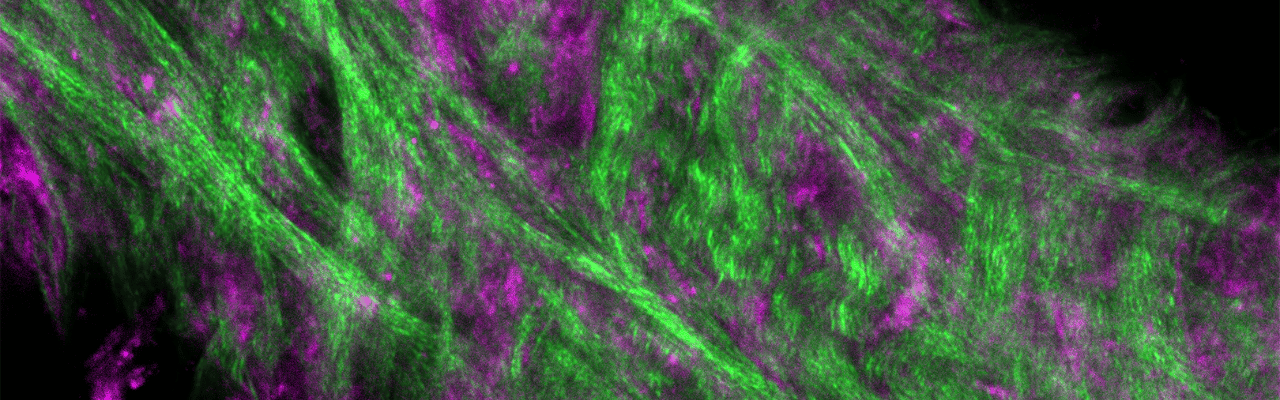
Keratoconus is a condition where the cornea, the clear front surface of the eye, gradually thins and bulges outward, distorting vision. This condition affects both eyes and impacts about 1 in 2,000 people. It is not caused by inflammation, and it can severely impair vision. One treatment for keratoconus is corneal cross-linking (CXL), a procedure designed to strengthen the cornea by making it more rigid, preventing further deterioration. While effective in halting the progression of the condition, CXL has some challenges. The procedure can cause cell death in the treated area, and patients often develop a cloudy region in the cornea, called haze, which can persist. In a recent study led by Matthew Petroll, Ph.D., Professor of Ophthalmology and Biomedical Engineering, advanced imaging techniques were used to investigate why this haze develops. The study found that after CXL, cells in the cornea, which usually move freely between collagen layers, become restricted. Instead, they cluster and move together as groups, leading to uneven healing. This irregular healing pattern scatters light in the cornea, resulting in the cloudy appearance that affects vision. The Petroll Lab is now focused on understanding how CXL alters the physical properties of the cornea and how these changes influence cell behavior and healing. Their goal is to improve the treatment, promoting better healing and clearer vision for patients with keratoconus.
UTSW receives ARPA-H award to create functioning artificial liver
- ARPA-H Award
Project that could offer solution to donor organ shortage attracts up to $25 million in funding
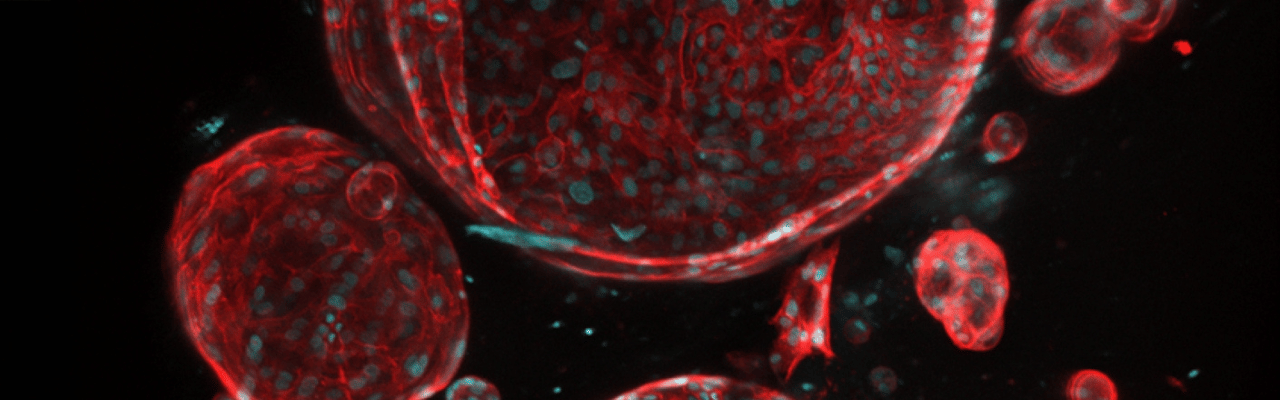
UT Southwestern Medical Center has received an award from the Advanced Research Projects Agency for Health (ARPA-H) to develop livers using patients’ own cells and an innovative three-dimensional (3D) printing approach. If successful, this project – known as Vascularized Immunocompetent Tissue as an Alternative Liver (VITAL) – could significantly reduce the gap between supply and demand for donor livers, negate the necessity of lifelong immunosuppression for liver transplant patients, and create artificial livers for in vitro drug testing and research. The project is under ARPA-H’s Personalized Regenerative Immunocompetent Nanotechnology Tissue (PRINT) program, which is led by ARPA-H Program Manager Ryan Spitler, Ph.D.
“Over the last two decades, researchers have made remarkable progress toward the goal of creating lab-made organs, including innovations in biomaterials, stem cell differentiation, and bioprinting. UT Southwestern is an ideal environment to bring together the recent advances that have never been combined before,” said the project’s principal investigator, Muhammad Rizwan, Ph.D., Assistant Professor of Biomedical Engineering and Ophthalmology at UT Southwestern.
Each year, liver cirrhosis and chronic liver diseases cause about 50,000 deaths in the U.S. As of September 2024, nearly 10,000 people were on the waiting list for a donor liver, with wait times averaging about seven months, according to the Health Resources & Services Administration. Statistics show that up to 31% of patients die while waiting for a donor liver.
Reshaping the Future of Health Care
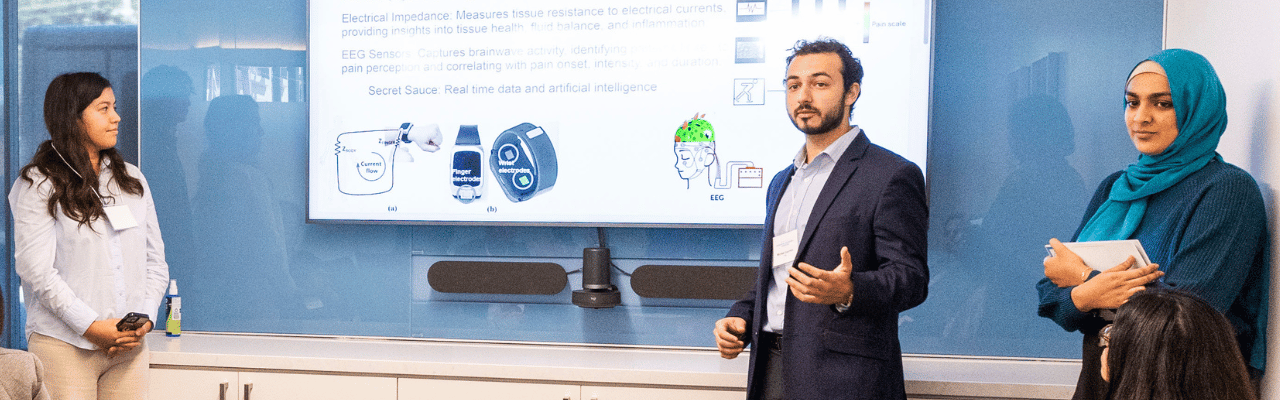
- North Texas Biomedical Engineering Symposium
Biomedical Engineering Symposium reveals how rapid advances in technology are transforming medicine
Biomedical engineering in the late 1980s operated like the small steam engine that possibly could. But with subsequent advances in nanotechnology and cost reduction due to scaling, the discipline now looks more like a bullet train, ever accelerating.
“The technology that cost tens of thousands a few decades ago now costs a few dollars,” said Ahmad Bahai, Ph.D., Senior Vice President and Chief Technology Officer at Texas Instruments, who presented the keynote lecture during the 2024 North Texas Biomedical Engineering Symposium at UT Southwestern. “The beauty of many of these technologies is that they are scalable.”
Outreach

- Department highlights
UT Southwestern at BMES
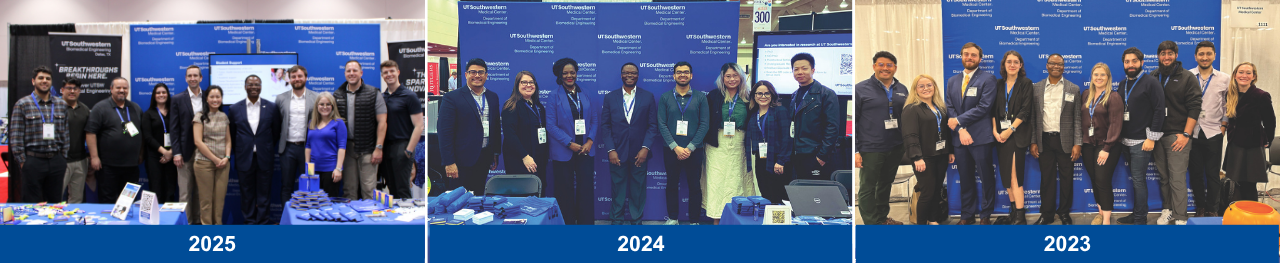
Over the past three years, the Biomedical Engineering Department has consistently attended the Biomedical Engineering Society (BMES) Annual Meeting to engage with the broader professional community and stay at the forefront of advances in the field. Faculty, researchers, and students have participated in technical sessions, workshops, and networking events to share research, explore emerging technologies, and foster collaborations. This continued engagement reflects the department’s commitment to professional development, interdisciplinary innovation, and active contribution to the biomedical engineering communit
Celebrating Innovation: Distinguished Speakers
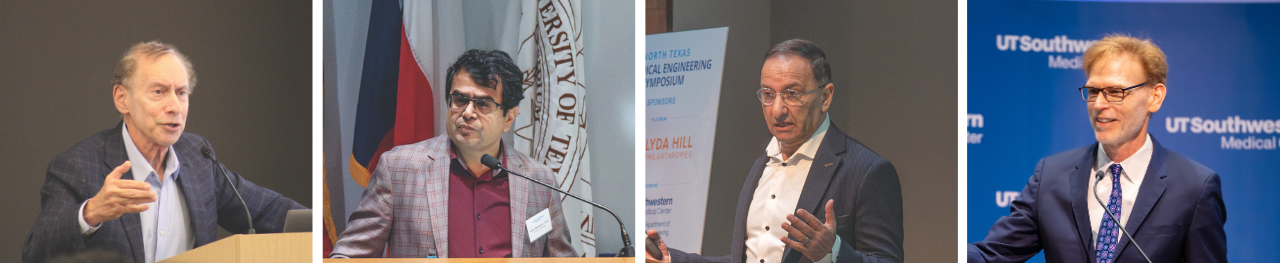
Since its inception, the Department of Biomedical Engineering has welcomed an impressive roster of speakers who have shared groundbreaking research, innovative technologies, and visionary ideas. These distinguished guests – from leading academic institutions, pioneering industries, and health care organizations – have enriched our community by fostering dialogue on topics ranging from advanced medical imaging and biomaterials to computational modeling and translational medicine. Their contributions have not only inspired students and faculty but also strengthened the department’s commitment to driving innovation at the intersection of engineering and medicine.
The department welcomed Robert Langer, D.Sc., as the Kam Family Lecturer at the 2025 Biomedical Engineering Symposium on Oct. 31st. Dr. Langer is an institute professor at MIT and the co-founder of Moderna. | On Nov. 15, 2024, the department hosted the innaugral North Texas Biomedical Engineering Symposium, which brought together biomedical engineering departments from five North Texas institutions. The Kam Family Award Lecture was presented by Samir Mitragotri, Ph.D., Professor at Harvard’s John A. Paulson School of Engineering and Applied Sciences. The keynote lecture was delivered by the CTO of Texas Instruments, Ahmad Bahai, Ph.D. Dr. Bahai is also a faculty member at the Massachusetts Institute of Technology. | The department’s first Biomedical Engineering Symposium, hosted at the end of 2023, featured Bruce Tromberg, Ph.D., Director of the National Institute of Biomedical Imaging and Bioengineering.
STARS at BME
On Oct. 28, 2025 the Department of Biomedical Engineering hosted its first STARS Day for high school students and teachers. Students listened to multiple presentations from faculty members before rotating through three interactive modules designed to teach them about applying engineering concepts to medical issues. STARS aims to provide learning and enrichment opportunities for science teachers and students in North Texas.