
Faculty and Research
Faculty in the department conduct research and train students in a range of disciplines including enzymology, molecular biology, metabolomics, carbohydrate biochemistry, parasitology, chemical biology, synthetic organic chemistry and natural products chemistry. Our department maintains strong ties with other basic science departments on campus that complement our interest in mechanistic biochemistry with their focuses on structural, molecular and cellular biology.
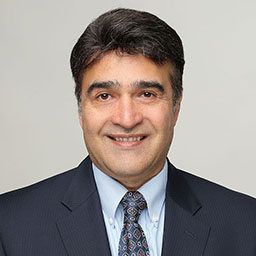
The mission of the Metabolomics Core Facility within the Department of Biochemistry at UT Southwestern is to assist investigators with their metabolomics projects. The Core offers a variety of metabolomics services, including targeted and untargeted metabolomics, exact-mass determination to verify the identity of synthesized compounds, and method development for UT Southwestern researchers as well as external academic clients.
Metabolomics Core Facility | hamid.baniasadi@utsouthwestern.edu
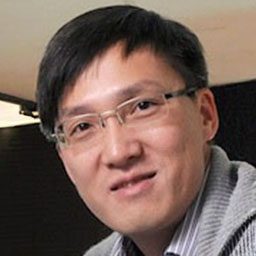
The Chen Lab studies the synthesis and design of medically important small molecules. We develop new methods and strategies for natural-product synthesis, and design small molecules that modulate cellular functions. We seek to advance the technologies for small-molecule synthesis and develop new drugs for treating cancer and immune diseases.

The main theme of our research is the application of synthetic and bioorganic chemistry to problems of biochemical and medicinal relevance. Several of our projects involve collaborations with laboratories specializing in pharmacology, physiology, internal medicine, nephrology, and oncology at UT Southwestern and other institutions.

Marie-Alda Gilles-Gonzalez, Ph.D.
The Gilles-Gonzalez Lab focuses on understanding the mechanisms by which living organisms respond to oxygen and other physiological gases. Since demonstrating that FixL is a histidine protein kinase that is switched on and off by a sensory heme, we have established that FixL belongs to a much broader family of sensors with varying heme-binding folds and enzymatic activities. Members of this family include diguanylate cyclases, c-di-GMP phosphodiesterases, and transcription factors. Our recent work on the Mycobacterium tuberculosis oxygen sensors DevS and DosT has led us to propose that they control this bacterium’s dormancy, which afflicts about two-thirds of the world’s population. Simultaneously, our studies of Escherichia coli sensors have led us to propose that an O2-regulated complex in this bacterium, which includes diguanylate cyclase DosC and cyclic-di-GMP phosphodiesterase DosP, is a dedicated RNA-degrading machine.
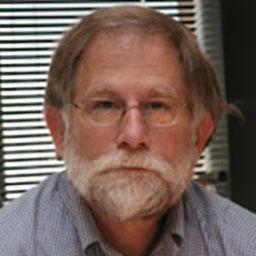
The Hammer Lab uses genetically engineered mouse models to investigate the mechanisms by which liver homeostasis is regulated in the face of hepatic injury or pertubations in hepatic cell fate. One area of investigation addresses the role of p53 in sub-lethal hepatic failure using mice that either lack hepatic expression of ribosomal protein S6 (rpS6) or express a dominantly active form of p53. A second area revolves around the mechanisms by which constitutive activation of wnt/-catenin and notch.
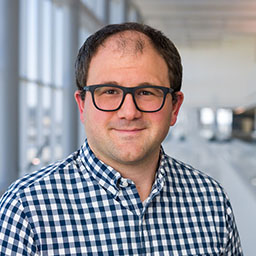
We are investigating how protein degradation is controlled in cells and how protein degradation contributes to lipid homeostasis.
The Kohler group develops chemical biology methods targeted toward study of glycosylated molecules. Using a metabolically incorporated photocrosslinking analog of sialic acid, we investigate functions of sialylated host molecules in bacteria infection. We also study the role of glycosylation in nucleocytoplasmic transport, making use of a photocrosslinking analog of the O-GlcNAc modification.
The Proteomics Core Facility provides a wide range of protein identification and quantitation services. We use state-of-the-art mass spectrometry platforms and computational infrastructure to help support researchers at UT Southwestern.
The goal of the Liszczak lab is to reconstitute complex biological signaling networks in highly controlled environments. Specifically, we are interested in understanding how aberrant nuclear protein post-translational modification activities contribute to genetic diseases such as cancer. To accomplish this, we integrate chemical biology tactics, including protein semi-synthesis, with biochemical and genetic approaches to better understand the role that protein modifications play in transcription regulation and genome integrity. Ultimately, we seek to identify and characterize novel, therapeutically vulnerable mechanisms underlying enzyme activation, substrate specificity, and the downstream effects of protein modifications.
The McKnight Lab divides its efforts and interests between studies of P7C3, a neuroprotective chemical, and studies of intrinsically disordered “low complexity” (LC) sequences associated with DNA and RNA regulatory proteins. We hypothesize that these LC sequences reversibly polymerize in a manner that facilitates sub-cellular organization. The later ideas point toward a “solid-state” conceptualization of information transfer from gene to message to protein.
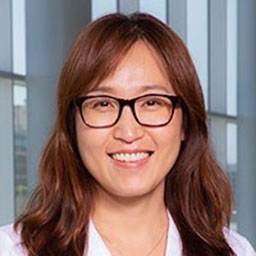
The Nam lab asks how RNA shape regulates its function. We study the biochemical and structural mechanisms in RNA-mediated gene regulation pathways important in normal and disease states. We are studying how noncoding RNAs are processed and regulated by chemical modifications.
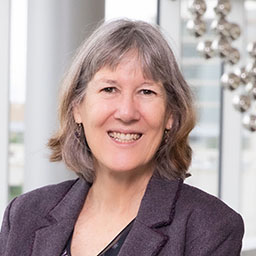
We study the biochemistry of trypanosome and malaria parasites, with a focus on enzymology, structural biology, and drug discovery. Our target pathways are pyrimidine biosynthesis in Plasmodium falciparum and both polyamine biosynthesis and nucleotide metabolism in Trypanosoma brucei.
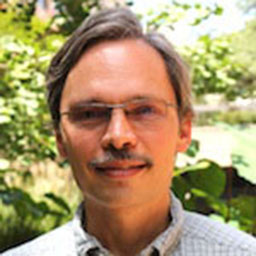
The High Throughput Screening Core Facility focuses on the discovery and pre-clinical development of new small-molecule therapeutics. The core also supports identification and characterization of novel biological targets and pathways for therapeutic intervention in cancer, neuro-degeneration, metabolic diseases, parasitic infections, and other disease states.
High Throughput Screening Core Facility | bruce.posner@utsouthwestern.edu
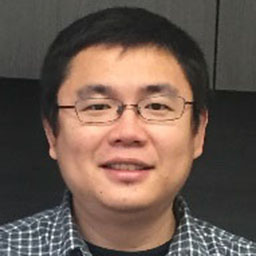
The Qin Lab focuses on developing novel synthetic transformations and strategies to access bioactive, complex natural products, explore new chemical space through innovative bioisosteres, and enable the efficient synthesis of pharmaceuticals and their derivatives.

The Ready Group focuses on chemical synthesis, including medicinal chemistry, natural products synthesis, and development of methodology. We are broadly interested in the synthesis of biologically active small molecules, especially complex anti-cancer agents, from marine and bacterial sources and of synthetic compounds discovered through unbiased high-throughput screening.
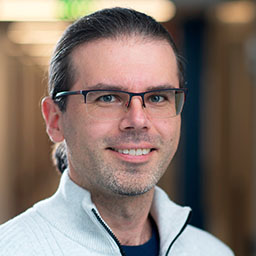
The Smith laboratory focuses on the synthesis of complex, bioactive molecules, as well as the development of enabling tools in asymmetric catalysis. Natural products often serve as inspiration for the selection of such targets, and by providing flexible access to these compounds we plan to fine-tune their properties against various diseases and probe their mechanisms of action, with a long-term goal of developing new cancer treatments. In tandem with these efforts, we aim to discover novel catalyst platforms capable of expediting asymmetric access to these targets and chiral small molecules of medicinal value.
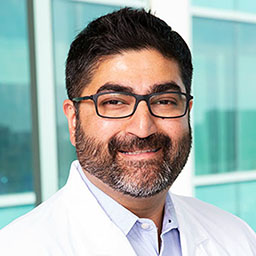
Our group is interested in three general areas of research. We develop new catalytic reactions (with an interest in enantioselective molecular rearrangements). We synthesize biologically active natural products (especially polycyclic alkaloids). We also integrate our work in these two areas into medicinal chemistry collaborations for the discovery of novel therapeutic agents
The Tu Lab investigates how metabolism coordinates with fundamental cellular processes such as cell growth, cell division, autophagy, and mitochondria biogenesis. We use budding yeast as a model system and explore related regulatory mechanisms in mammalian cells.
The Wang Lab integrates quantitative biochemical, single-molecule biophysical, structural, and genetics approaches to understand the mechanisms of cytosolic and mitochondrial protein synthesis.
The Williams Lab optimizes small-molecule leads as in vivo tool compounds and therapeutics. We evaluate drug metabolism, solubility, protein binding, and pharmacokinetics. We work closely with chemists to alter these characteristics for optimal activity in vivo. Our primary analytical tool is LC-MS/MS.
Associate Professor of Radiation Oncology
Professor of Biophysics
Professor of Biochemistry
Assistant Professor, at the Children’s Medical Center Research Institute at UT Southwestern, Biochemistry, and Pediatrics
Assistant Professor in the Center Alzheimer’s and Neurodegenerative Diseases
Associate Professor of Cell Biology, Biochemistry, and Biomedical Engineering
Associate Professor of Internal Medicine, Biochemistry, and Radiation Oncology
Professor of Radiation Oncology, Biochemistry, and Internal Medicine
Professor of Biomedical Engineering, Biochemistry, and in the Harold C. Simmons Comprehensive Cancer Center
Professor of Biophysics and Biochemistry
Chief of Lung Radiation Oncology Service and Professor of Radiation Oncology and Biochemistry
Assistant Professor at the Harold C. Simmons Comprehensive Cancer Center and Biochemistry
Associate Professor of Internal Medicine and Biochemistry