
Search
Common analgesic gas aids in opening of blood-brain barrier: Newsroom - UT Southwestern, Dallas, Texas
https://www.utsouthwestern.edu/newsroom/articles/year-2025/may-analgesic-gas-blood-brain-barrier.html
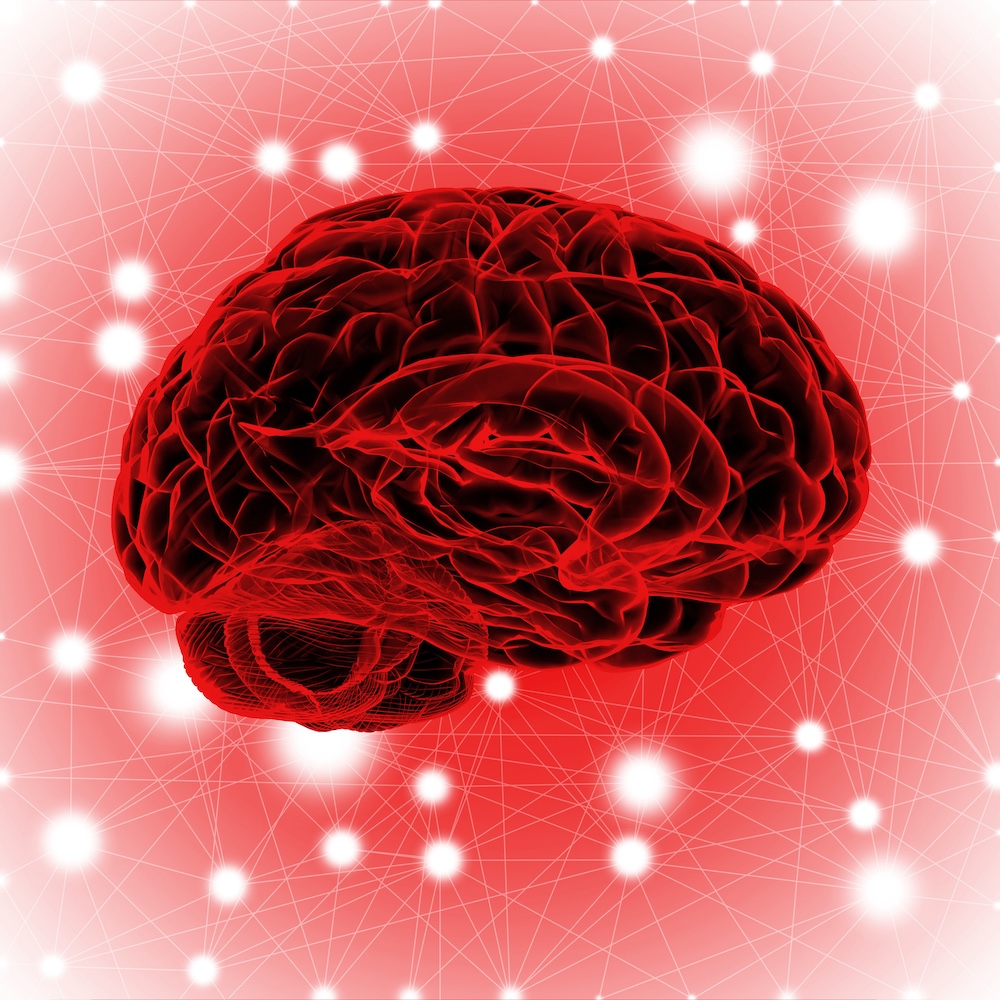
Nitrous oxide, a commonly used analgesic gas, improved temporary opening of the blood-brain barrier (BBB) and gene therapy delivery in mouse models using focused ultrasound (FUS), UT Southwestern Medical Center researchers report in a new study.
Cognitive impairment common after cardiogenic shock, study shows: Newsroom - UT Southwestern, Dallas, Texas
https://www.utsouthwestern.edu/newsroom/articles/year-2025/june-cognitive-impairment-cardiogenic-shock.html

Many survivors of cardiogenic shock showed evidence of new cognitive impairment after leaving the hospital, according to a study led by UT Southwestern Medical Center researchers. The findings, published in the Journal of the American College of Cardiology, highlight a need to screen survivors and
Presurgical radiation may curb pancreatic cancer recurrence: Newsroom - UT Southwestern, Dallas, Texas
https://www.utsouthwestern.edu/newsroom/articles/year-2025/july-presurgical-radiation-pancreatic-cancer.html
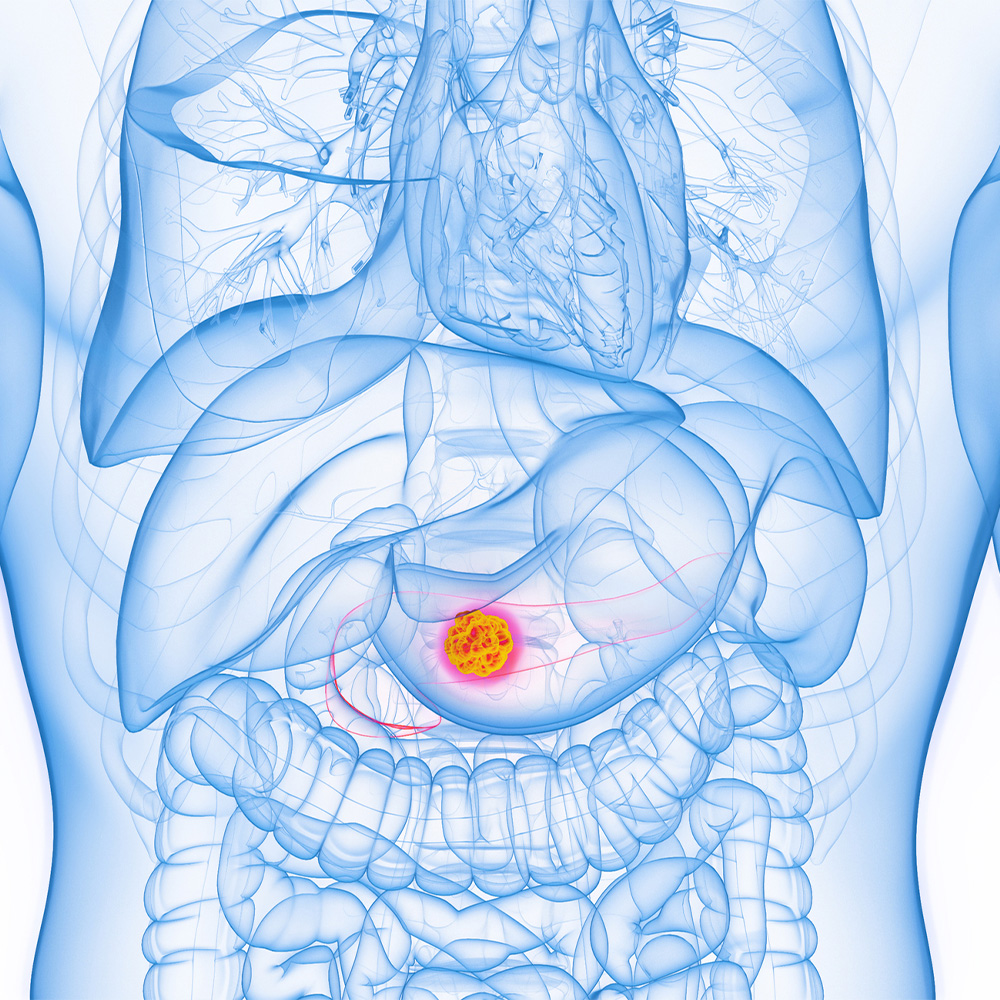
Adding targeted radiation to chemotherapy prior to surgery may offer better control of pancreatic tumors – potentially reducing the rate of recurrence after treatment, according to a new study from UT Southwestern Medical Center. Published in Clinical Cancer Research, the novel study offers evidence
Study links female sex hormones to progression of eye disease: Newsroom - UT Southwestern, Dallas, Texas
https://www.utsouthwestern.edu/newsroom/articles/year-2025/july-female-sex-hormones-eye-disease.html
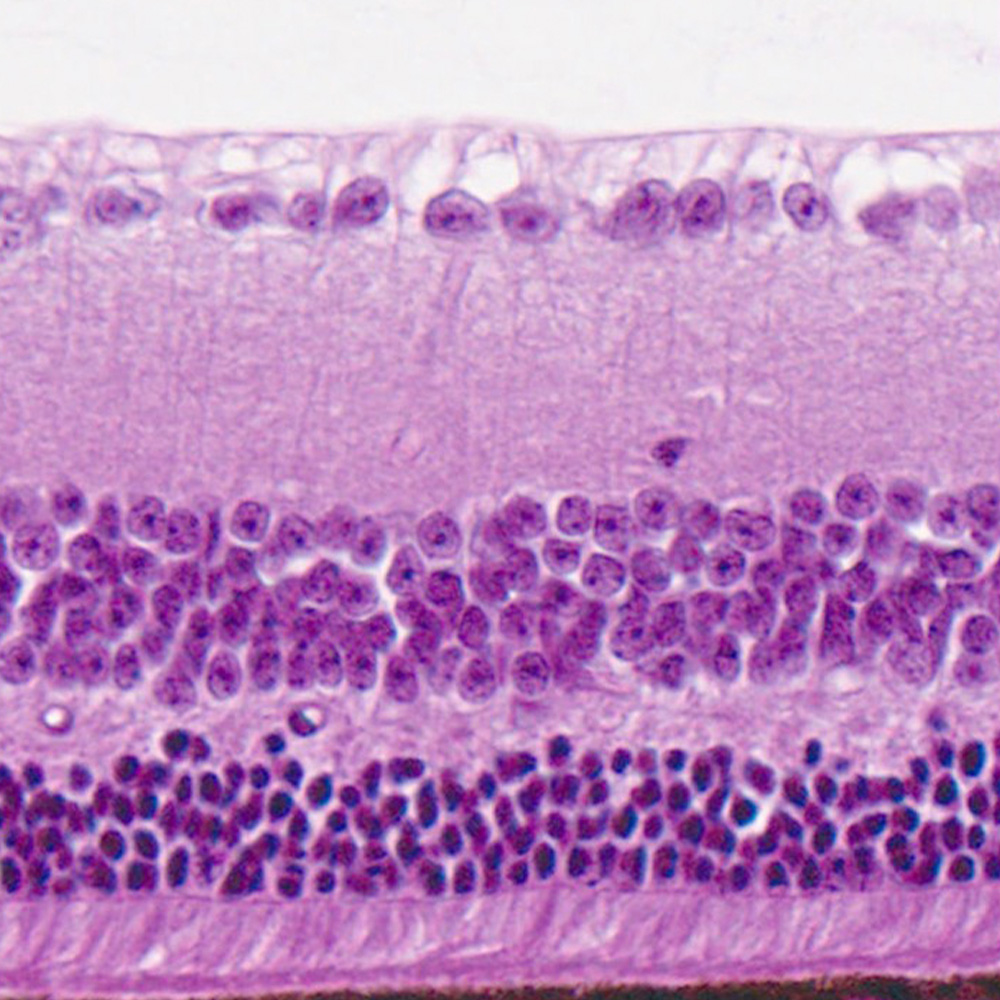
Female sex hormones can significantly enhance the progression of the rare neurodegenerative eye disease retinitis pigmentosa (RP), according to a preclinical study by researchers at UT Southwestern Medical Center. The findings, published in Science Advances, may lead to therapeutics to slow
UT Southwestern researcher receives NIH Director’s New Innovator Award: Newsroom - UT Southwestern, Dallas, Texas
https://www.utsouthwestern.edu/newsroom/articles/year-2025/oct-nih-directors-new-innovator-award.html
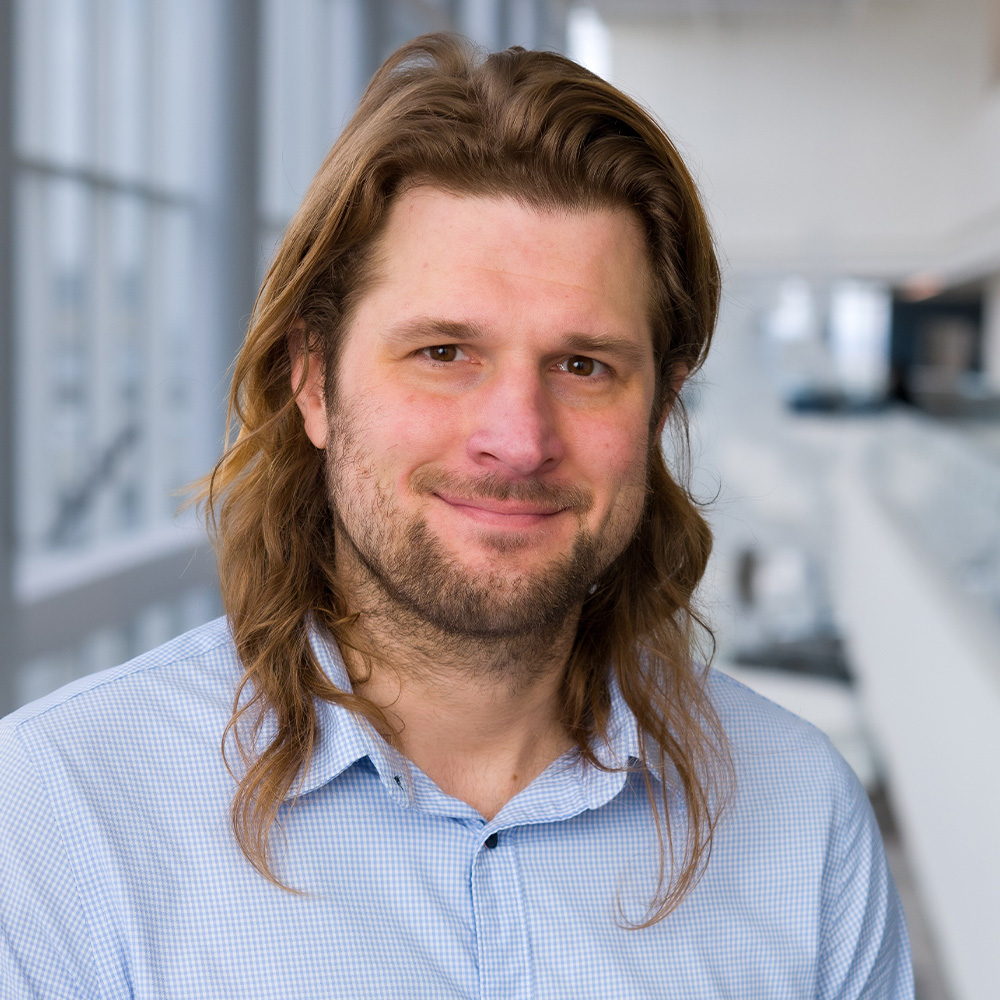
David Sanders, Ph.D., Assistant Professor in the Center for Alzheimer’s and Neurodegenerative Diseases and Molecular Biology at UT Southwestern Medical Center, has been awarded $2.4 million over five years from the National Institutes of Health (NIH) to support his research into the role of RNA
Popular diabetes/weight-loss drugs show additional benefit : Newsroom - UT Southwestern, Dallas, Texas
https://www.utsouthwestern.edu/newsroom/articles/year-2025/feb-diabetes-weight-loss-drugs.html

A well-known class of drugs used to manage Type 2 diabetes and control weight could offer hope for patients who also struggle with related chronic kidney disease (CKD), researchers at UT Southwestern Medical Center found.
New target to thwart multidrug resistance in cancer treatment: Newsroom - UT Southwestern, Dallas, Texas
https://www.utsouthwestern.edu/newsroom/articles/year-2025/feb-thwart-multidrug-resistance-cancer-treatment.html
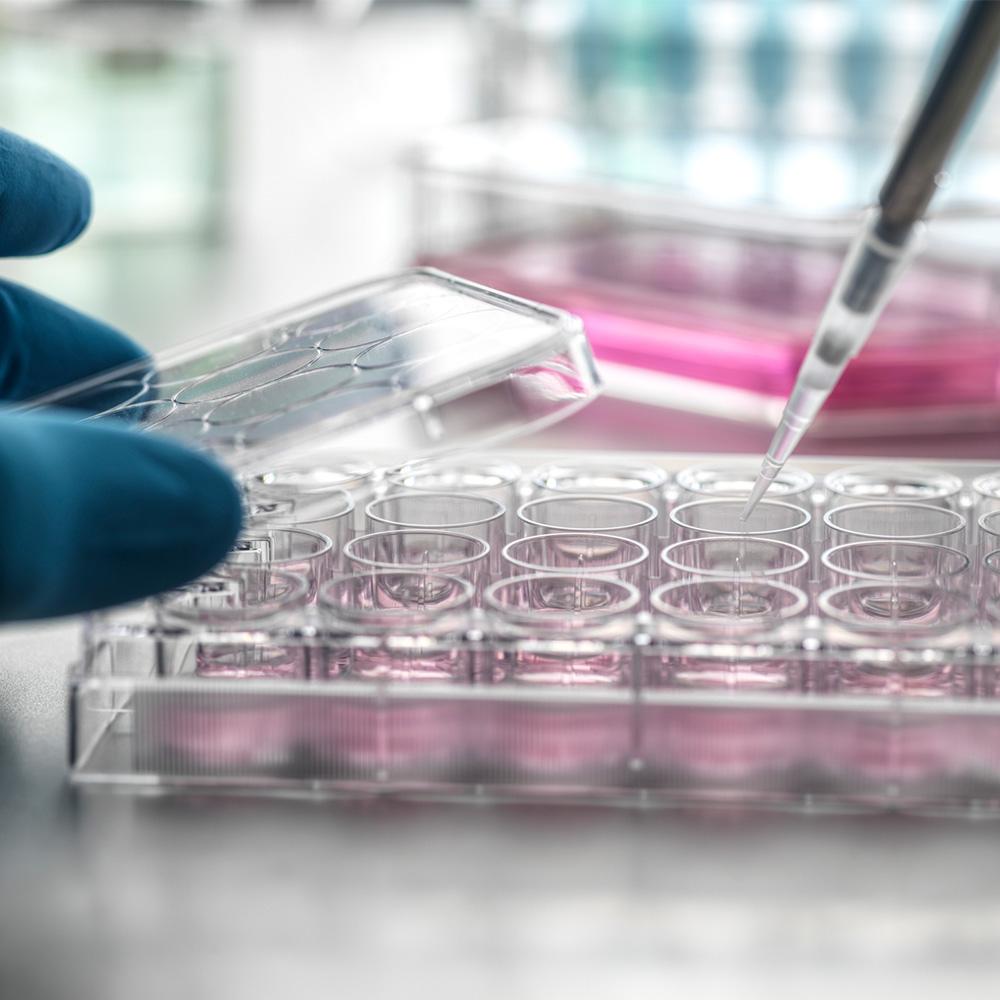
Multidrug resistance in cancer can be overcome by combining a drug that blocks a key enzyme with another anticancer drug, according to a study in preclinical models led by researchers at UT Southwestern Medical Center. The findings, published in Science Advances, could have implications for patients
Cryo-EM technology reveals how vitamin K works in the body : Newsroom - UT Southwestern, Dallas, Texas
https://www.utsouthwestern.edu/newsroom/articles/year-2025/feb-cryo-em-technology-vitamin-k.html
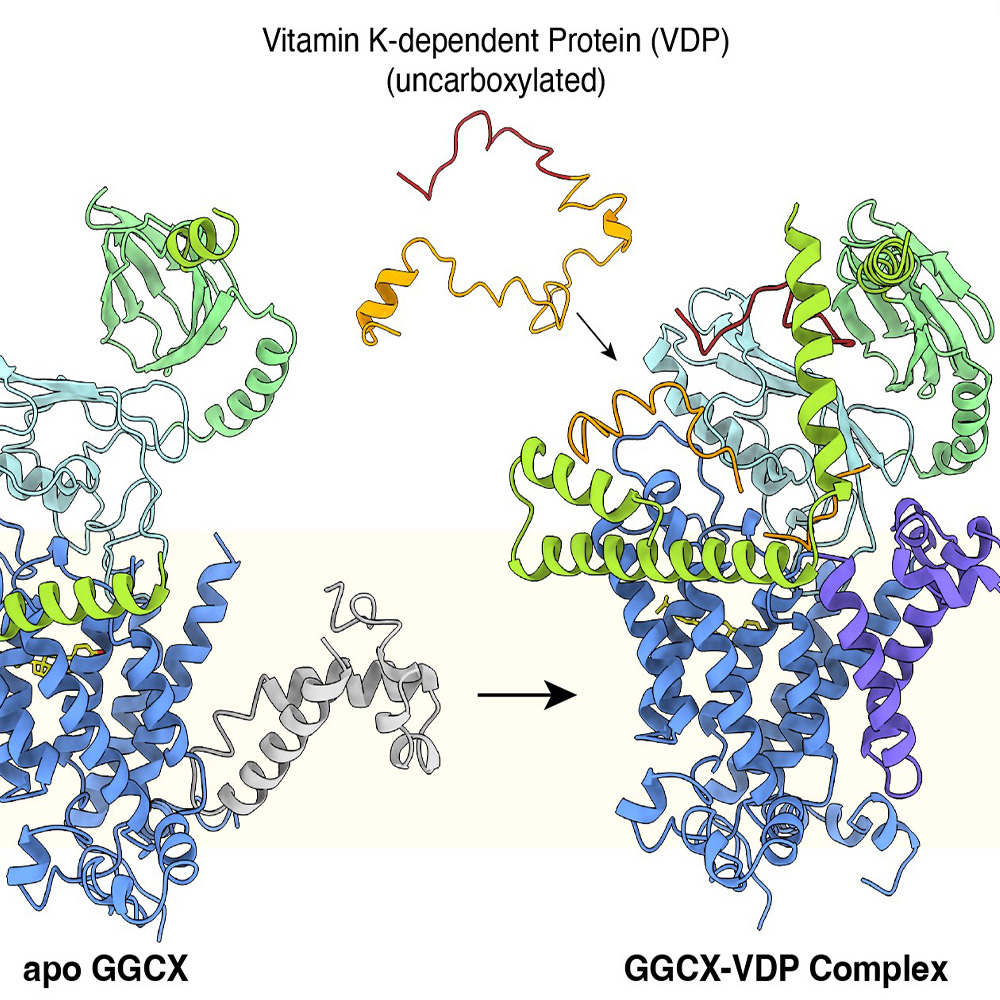
Using a powerful microscopy technique, a team led by researchers at UT Southwestern Medical Center has gained insights into how the body uses vitamin K, an essential nutrient that plays a pivotal role in blood clotting and other physiological functions.
UTSW Research: Dementia risk, depression, and more: Newsroom - UT Southwestern, Dallas, Texas
https://www.utsouthwestern.edu/newsroom/articles/year-2026/march-research-dementia-risk-depression.html

Tens of millions worldwide have dementia, neurodegenerative diseases that affect memory, thinking, and daily routines. Chronic kidney disease (CKD) has been identified as a risk factor for dementia and has been associated with dementia symptoms, such as cognitive decline and impairment. However, it
UTSW researchers use focused ultrasound to identify stroke biomarkers : Newsroom - UT Southwestern, Dallas, Texas
https://www.utsouthwestern.edu/newsroom/articles/year-2025/march-ultrasound-identify-stroke-biomarkers.html
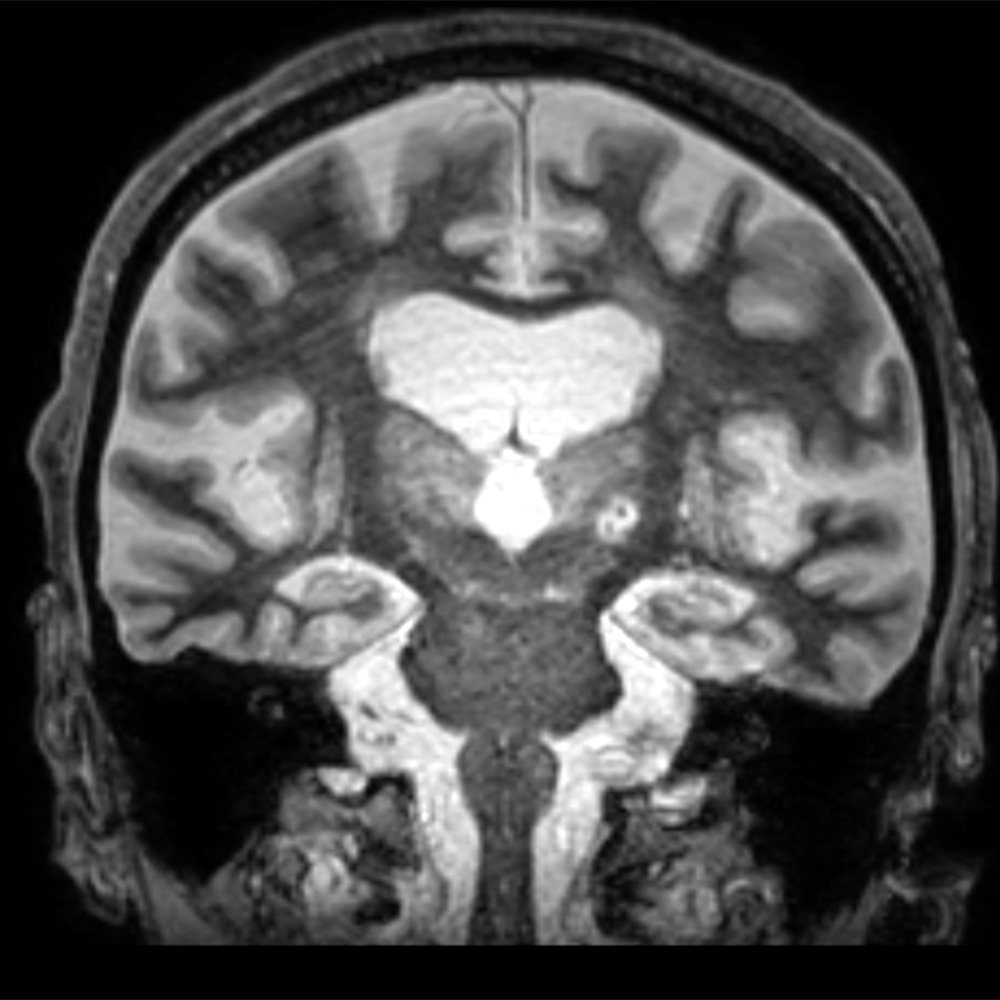
A molecule called glial fibrillary acidic protein (GFAP) rose significantly in the blood of patients who underwent high-intensity focused ultrasound (HIFU), a procedure that is used to treat tremors and causes damage similar to a small stroke, UT Southwestern Medical Center scientists discovered in