
Search
Attacking tumors from the inside: Newsroom - UT Southwestern, Dallas, Texas
https://www.utsouthwestern.edu/newsroom/articles/year-2020/attacking-tumors-from-the-inside.html
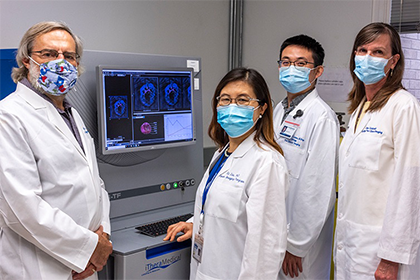
A new technology that allows researchers to peer inside malignant tumors shows that two experimental drugs can normalize aberrant blood vessels, oxygenation, and other aspects of the tumor microenvironment in non-small cell lung cancer (NSCLC), helping to suppress the tumor’s growth and spread, UT Southwestern researchers report.
EHR vendor-sponsored education creates inappropriate bias, researchers say: Newsroom - UT Southwestern, Dallas, Texas
https://www.utsouthwestern.edu/newsroom/articles/year-2020/electronic-health-record-vendors.html

Electronic Health Record vendors in the $31.5 billion industry should not be permitted to provide continuing medical education activities and presentations to physicians to avoid bias, researchers argue in a perspective article for the Association of American Medical Colleges’ journal, Academic Medicine.
Study links cancer metabolism to DNA replication errors: Newsroom - UT Southwestern, Dallas, Texas
https://www.utsouthwestern.edu/newsroom/articles/year-2026/may-cancer-metabolism-to-dna.html
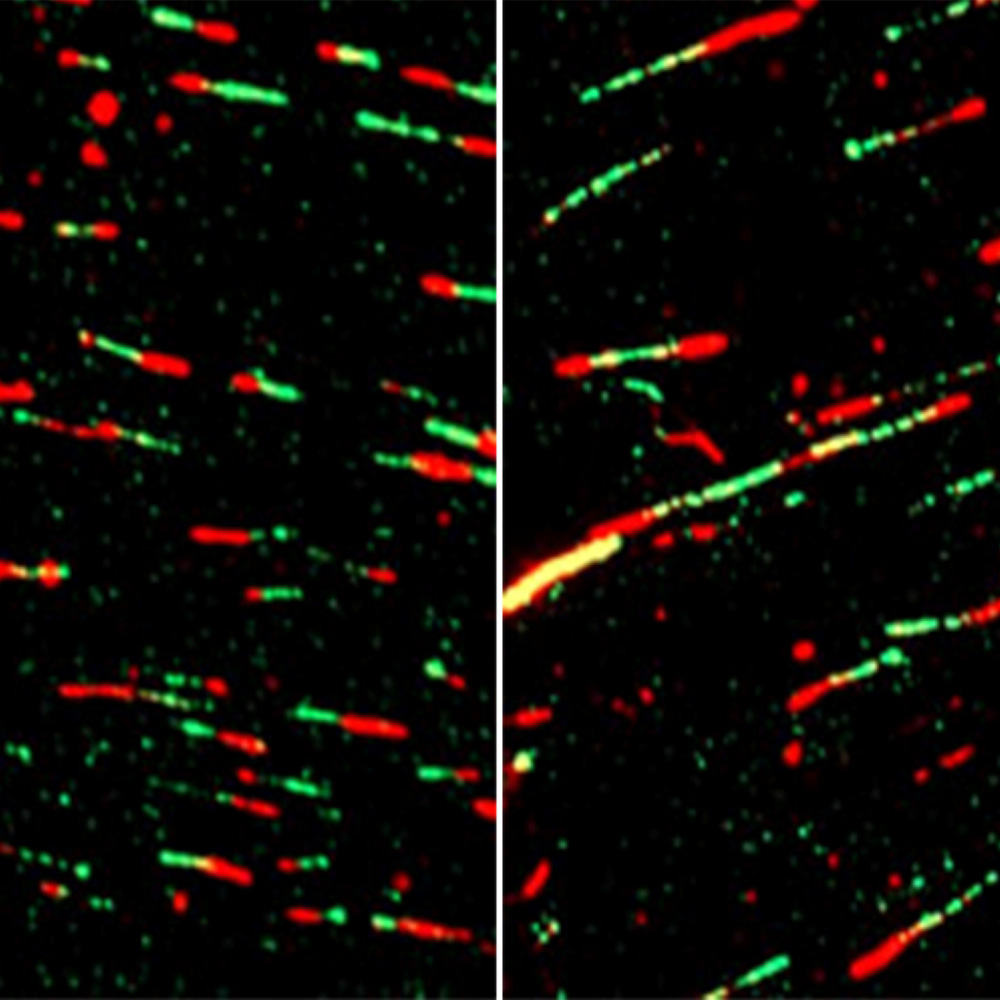
Loss of an enzyme necessary for a process called lipoylation disrupts the way cancer cells copy their DNA, increasing their vulnerability to a class of anticancer drugs known as PARP inhibitors, a study led by UT Southwestern Medical Center researchers shows.
Researchers create ‘wiring diagram’ for key songbird brain region: Newsroom - UT Southwestern, Dallas, Texas
https://www.utsouthwestern.edu/newsroom/articles/year-2025/april-wiring-diagram-songbird.html
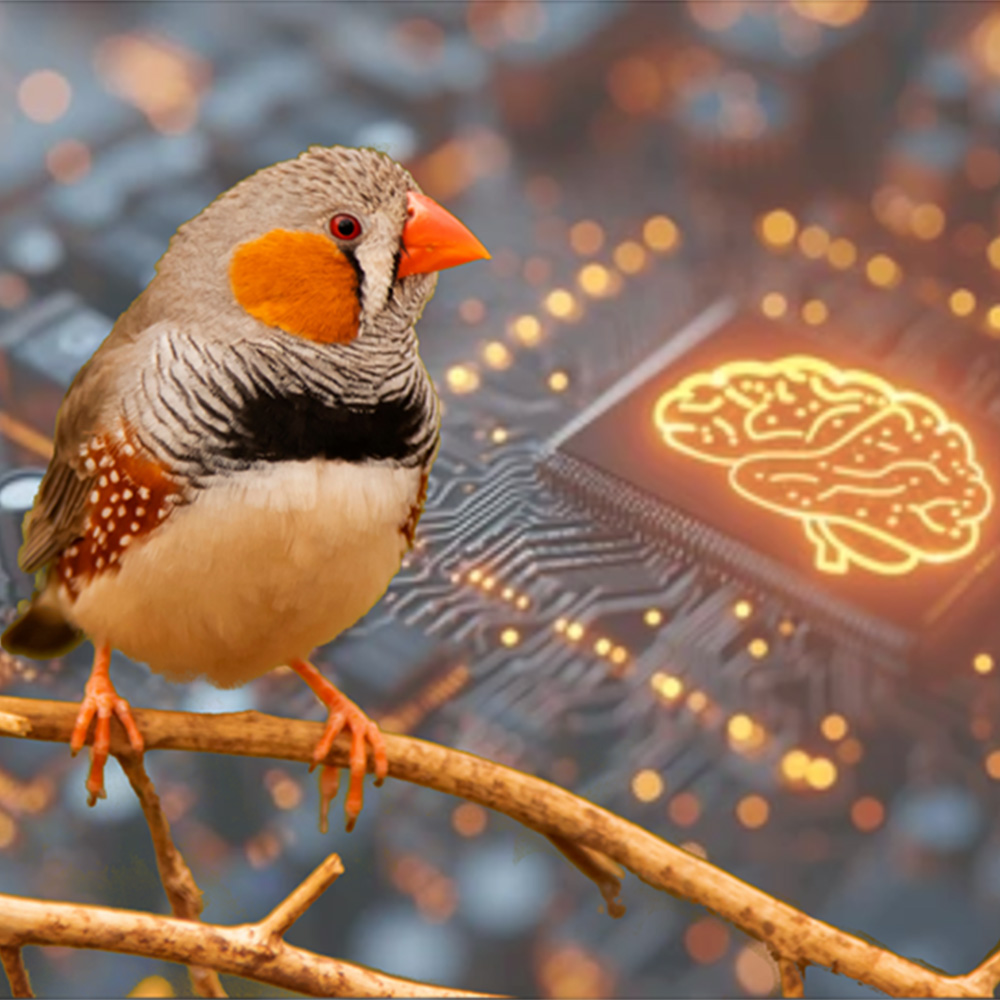
Much like human beings, songbirds learn how to vocalize from their parents. Males imitate songs from their fathers and then sing to attract mates. Although the circuits that generate human speech are more complicated to decipher, the brains of songbirds offer a viable model for better understanding how humans learn to speak and what goes wrong in communication disorders such as autism.
Long life, good health: Newsroom - UT Southwestern, Dallas, Texas
https://www.utsouthwestern.edu/newsroom/articles/year-2020/long-life-good-health.html

The American Heart Association 2030 Impact Goals aim to help all people live healthier for more years of their life.
Looking inside a tiny heart to fix a big problem: Newsroom - UT Southwestern, Dallas, Texas
https://www.utsouthwestern.edu/newsroom/articles/year-2020/tiny-heart-big-problem.html
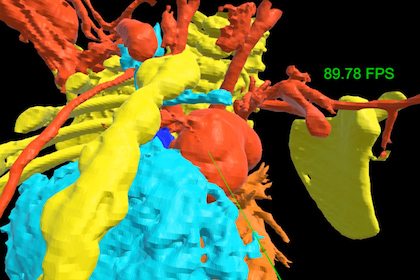
When Haley and Zachary Sanders had their first baby, Rowan, and learned she had multiple heart defects, they were shattered. They never imagined technology borrowed from video games would help save their baby’s life.
Unmasking autism spectrum disorder through its gene-based roots: Newsroom - UT Southwestern, Dallas, Texas
https://www.utsouthwestern.edu/newsroom/articles/year-2026/may-autism-spectrum-disorder.html
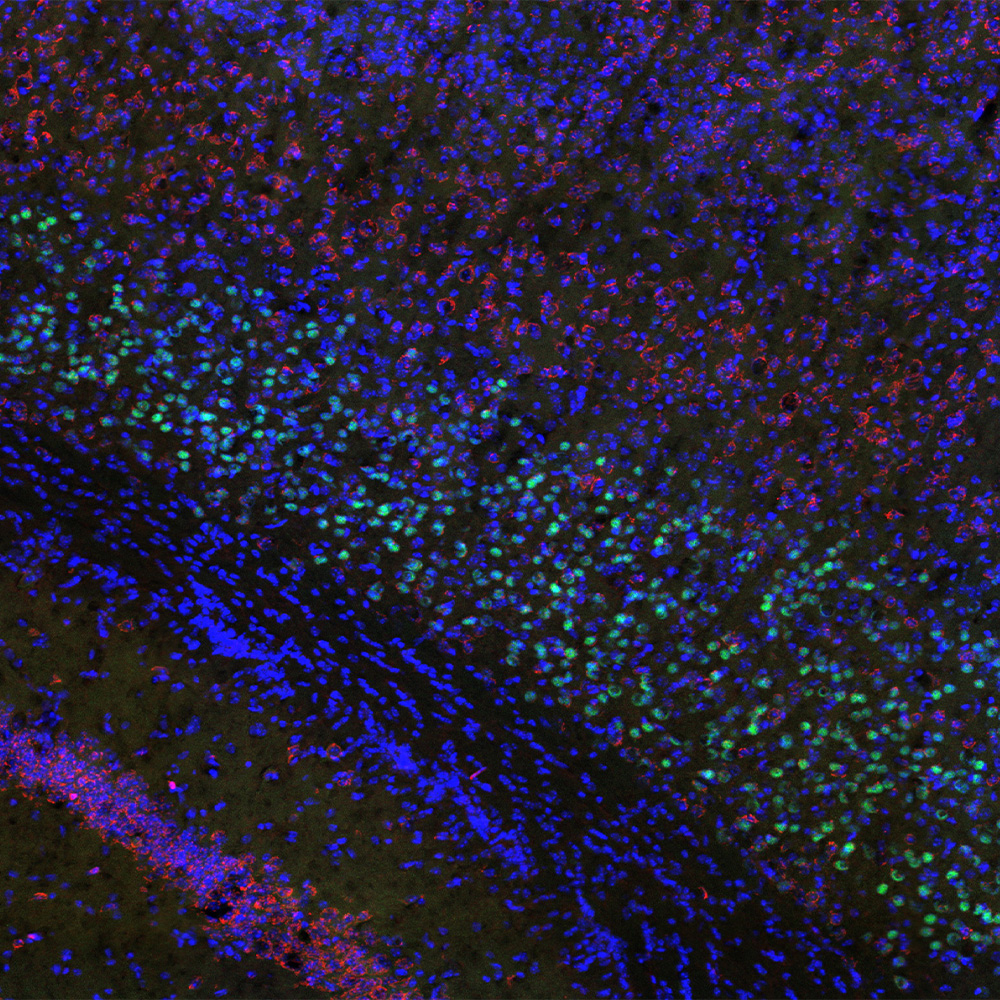
Two studies led by the Chahrour Lab at UT Southwestern Medical Center shed new light on genes associated with autism spectrum disorder (ASD), the neurodevelopmental disease characterized by impaired communication, abnormal social interactions, and restricted, repetitive behaviors.
Study reveals how RNA-modifying enzyme picks its targets: Newsroom - UT Southwestern, Dallas, Texas
https://www.utsouthwestern.edu/newsroom/articles/year-2026/june-rna-modifying-enzyme.html
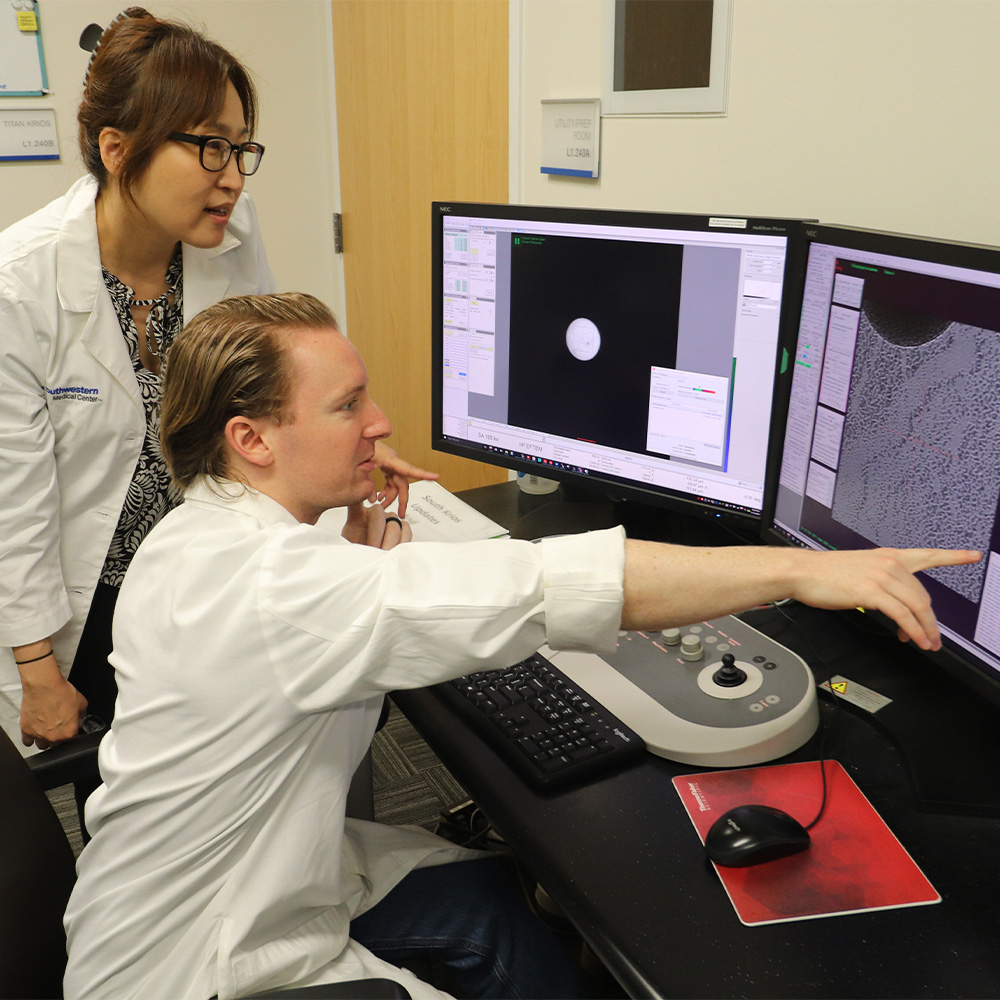
An RNA-modifying enzyme linked to cancer and neurological disorders selects its targets by recognizing specific RNA shapes and sequences, according to a study by UT Southwestern Medical Center researchers.
Gene for sex hormone synthesis could play key role in eczema: Newsroom - UT Southwestern, Dallas, Texas
https://www.utsouthwestern.edu/newsroom/articles/year-2021/gene-for-sex-hormone-synthesis.html
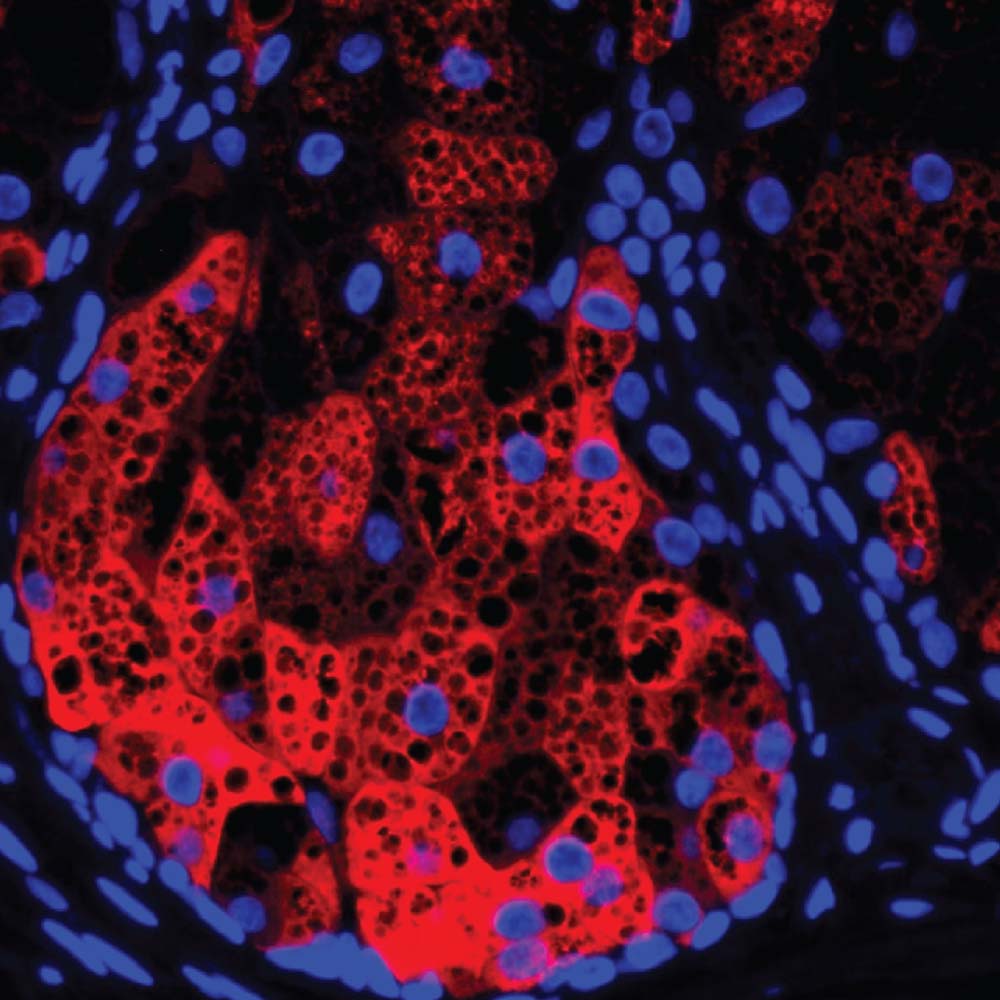
A study led by UT Southwestern dermatologists suggests that a common inflammatory skin condition may stem from poorly regulated sex hormones.
How human cells and pathogenic shigella engage in battle: Newsroom - UT Southwestern, Dallas, Texas
https://www.utsouthwestern.edu/newsroom/articles/year-2021/human-cells-and-pathogenic-shigella.html
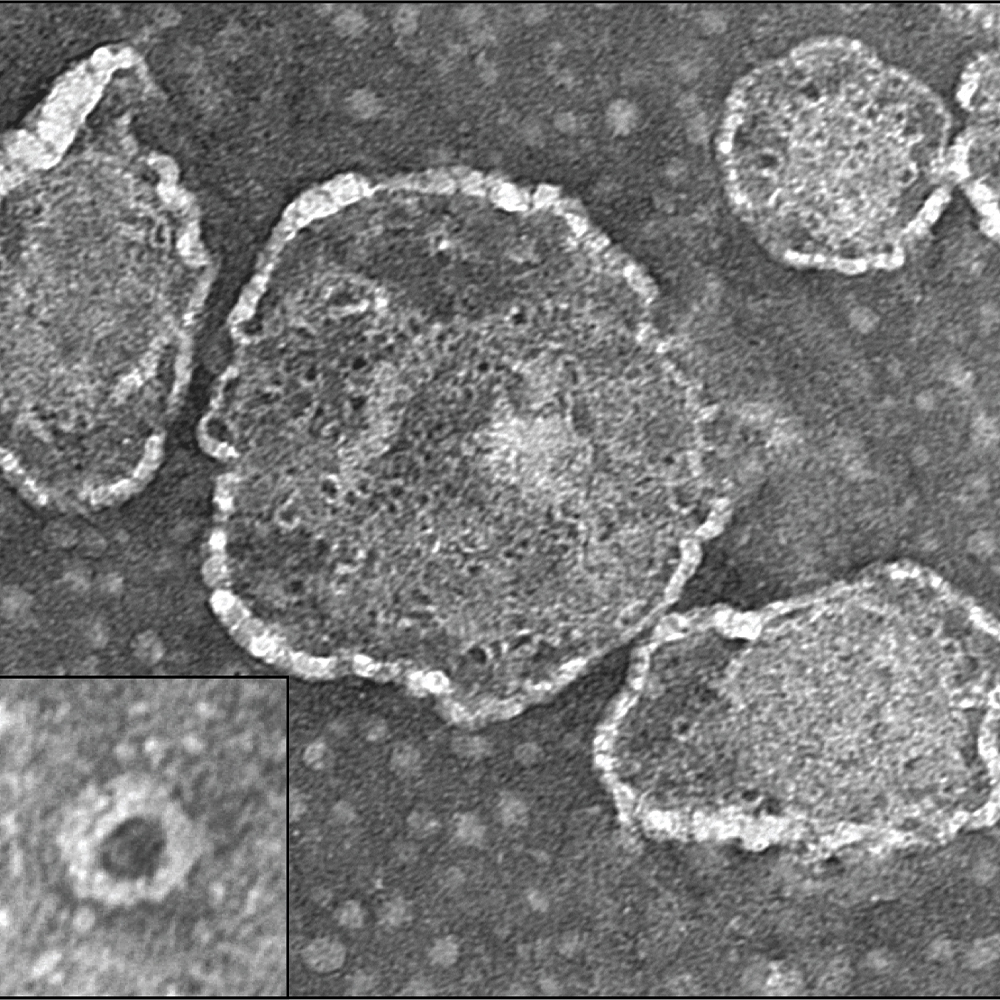
One member of a large protein family that is known to stop the spread of bacterial infections by prompting infected human cells to self-destruct appears to kill the infectious bacteria instead.