
Search
New guidelines laid out to standardize swallowing fluoroscopy : Newsroom - UT Southwestern, Dallas, Texas
https://www.utsouthwestern.edu/newsroom/articles/year-2022/july-guidelines-swallowing-fluoroscopy.html
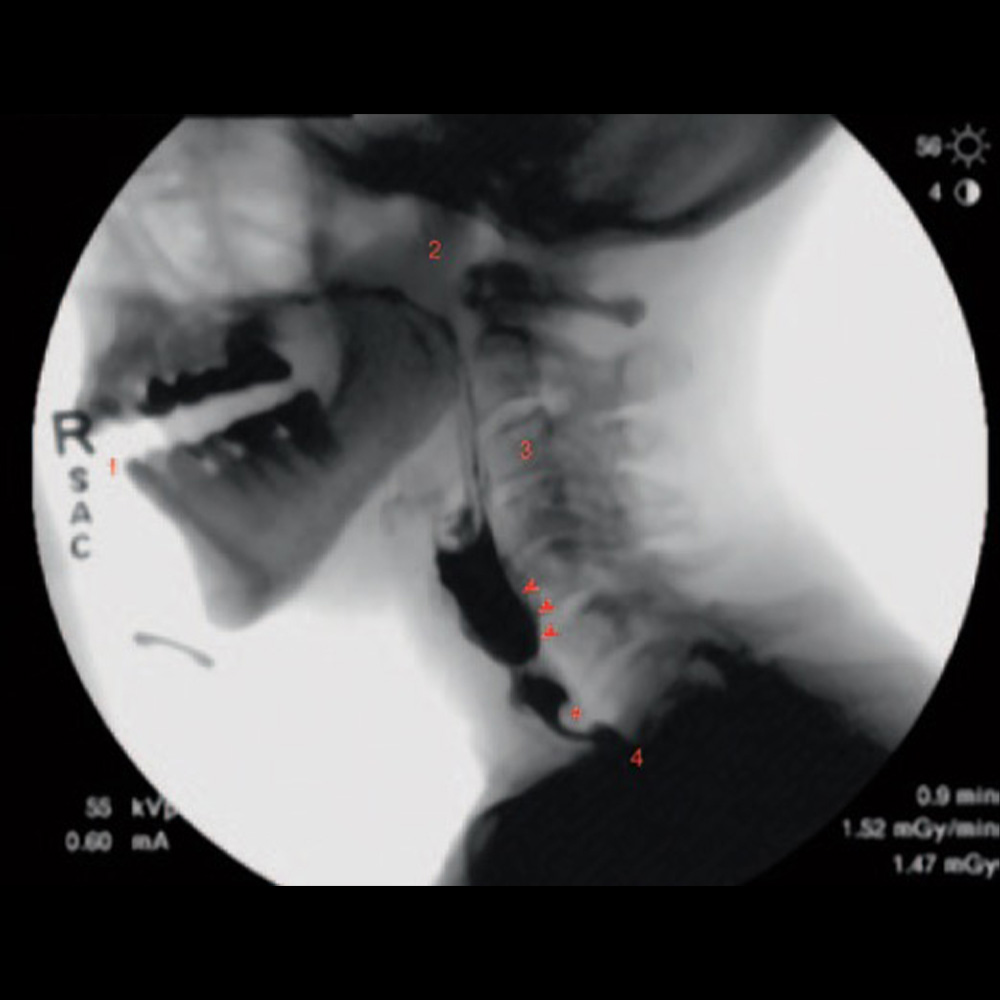
Swallowing fluoroscopy is the most common diagnostic test for patients with swallowing problems caused by conditions such as stroke, head and neck cancer, neurodegenerative disease, or prolonged intubation.
For older adults, hearing loss and falls go hand in hand : Newsroom - UT Southwestern, Dallas, Texas
https://www.utsouthwestern.edu/newsroom/articles/year-2022/july-hearing-loss-and-falls.html
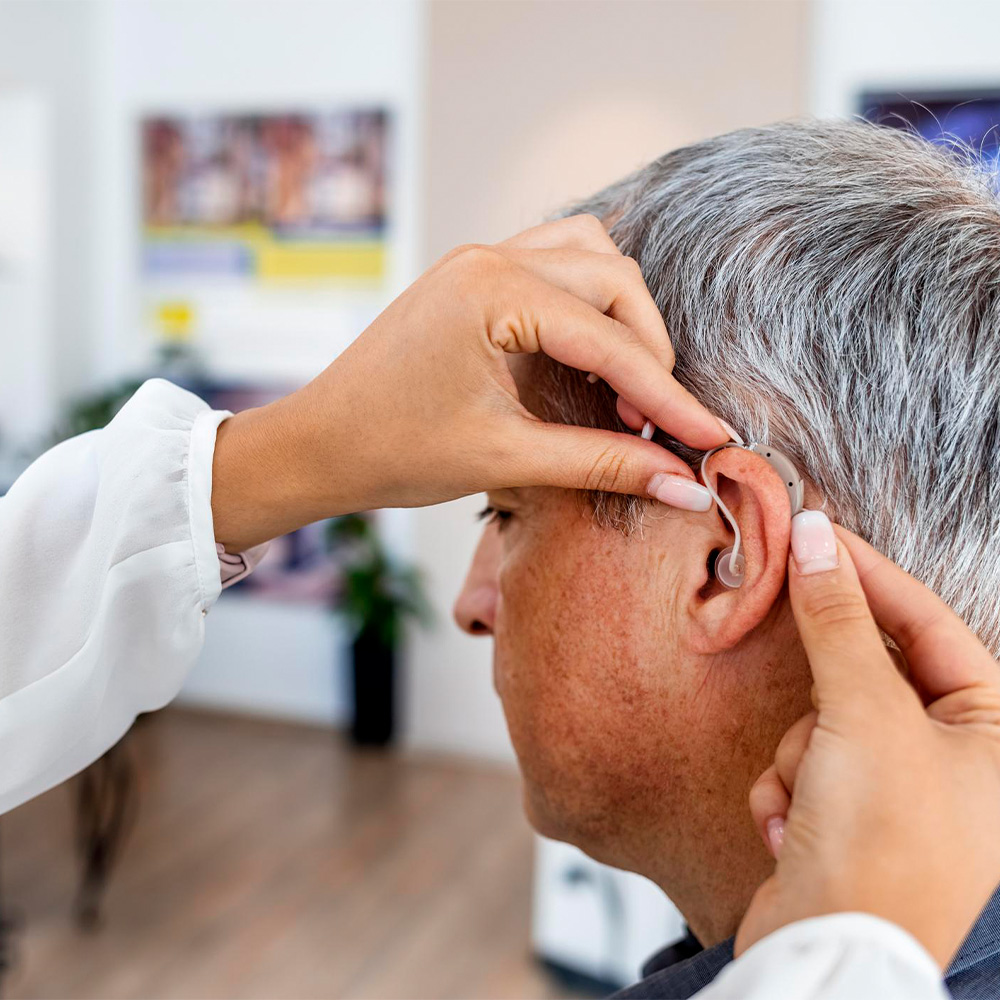
More than 1 in 3 Americans over age 65 will fall each year, according to the National Institute on Aging. In addition, approximately 1 in 3 individuals between 65 and 74 has hearing loss.
Dominant form of heart failure caused by metabolic-immune interaction, review article suggests: Newsroom - UT Southwestern, Dallas, Texas
https://www.utsouthwestern.edu/newsroom/articles/year-2022/dominant-form-of-heart-failure.html
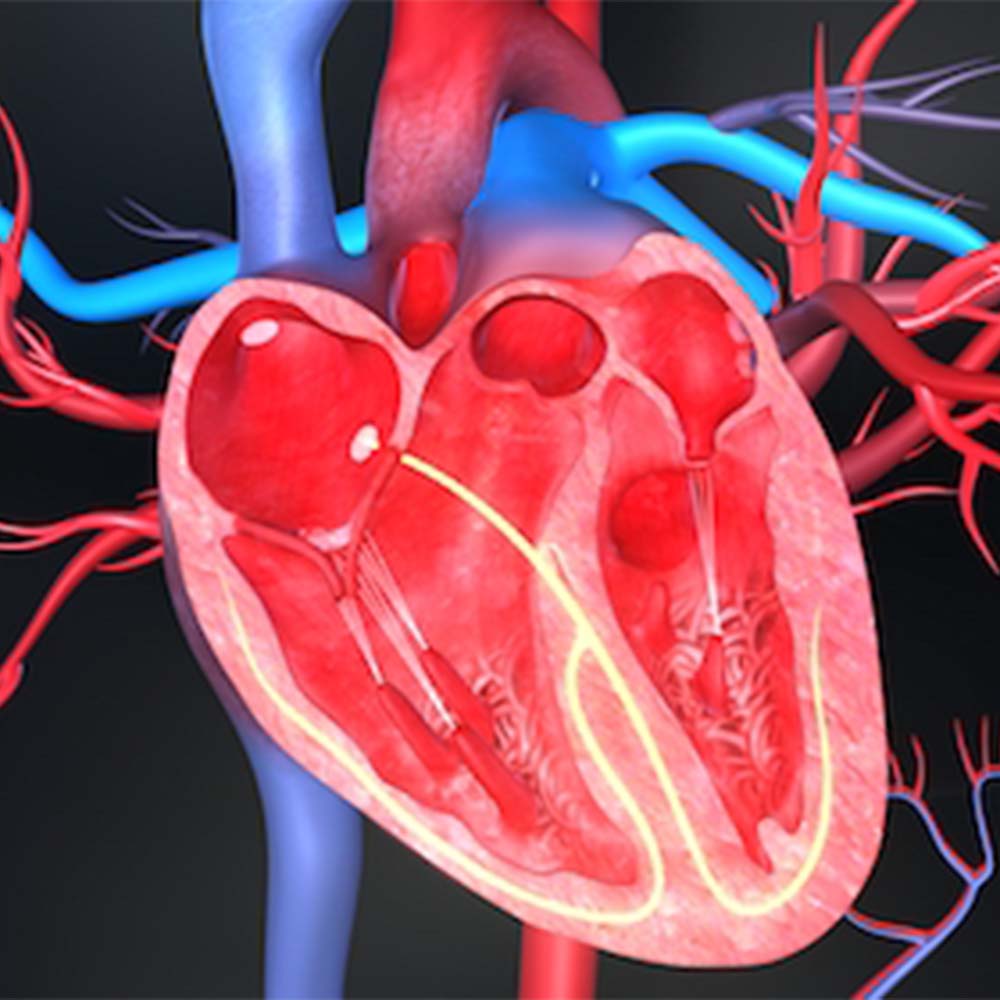
The dominant form of heart failure worldwide appears to be caused by a strong, bidirectional interaction between the body’s response to metabolic stress and the immune system, according to a review article written by UT Southwestern researchers and colleagues.
UT Southwestern participating in national initiative to sequence pediatric brain tumors : Newsroom - UT Southwestern, Dallas, Texas
https://www.utsouthwestern.edu/newsroom/articles/year-2022/july-pediatric-brain-tumors.html
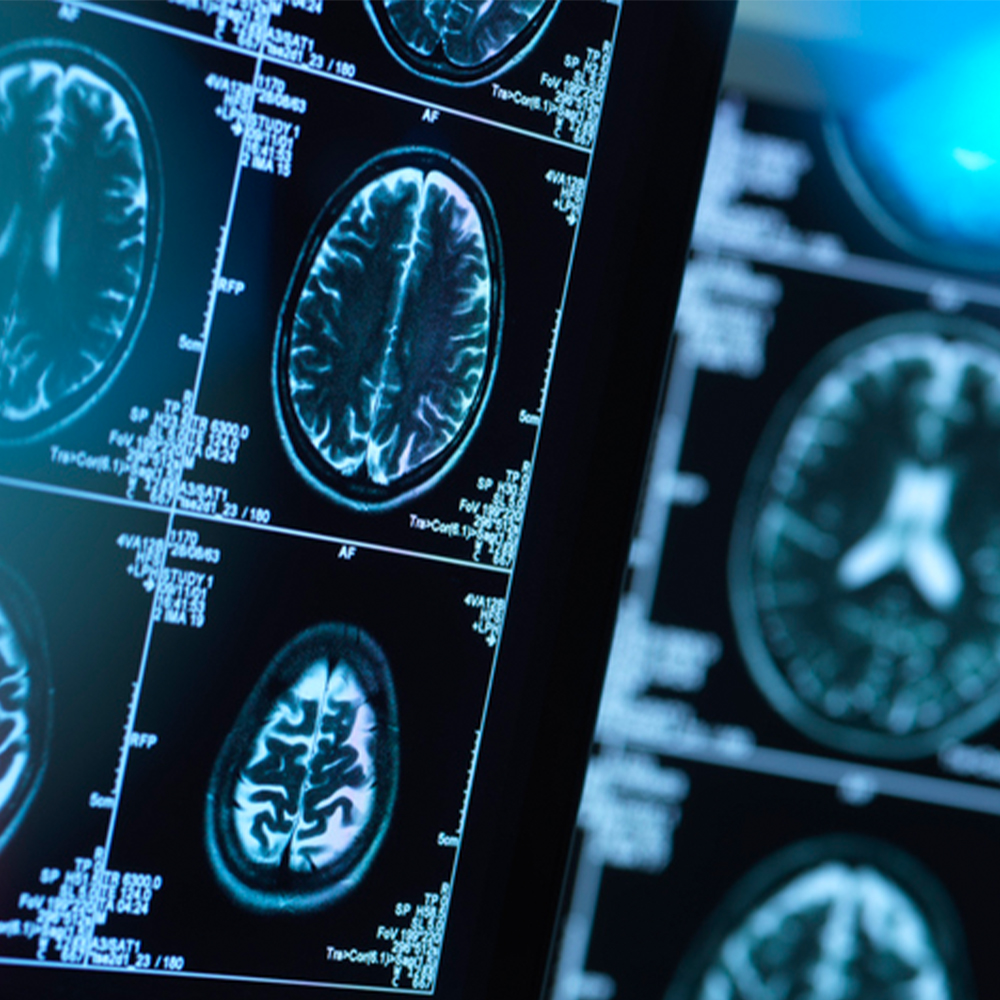
UT Southwestern is joining with medical centers around the nation to apply advanced sequencing to pediatric brain tumors as part of the National Cancer Institute’s new Molecular Characterization Initiative, a subset of the Cancer Moonshot Childhood Cancer Initiative.
Telemedicine, continuous glucose monitoring mitigated effects of pandemic on children with diabetes : Newsroom - UT Southwestern, Dallas, Texas
https://www.utsouthwestern.edu/newsroom/articles/year-2022/effects-of-pandemic-on-children-with-diabetes.html

The rapid adoption of telemedicine and increased use of continuous glucose monitoring helped to attenuate the impacts of the COVID-19 pandemic on children with Type 1 diabetes.
UT Southwestern ranked among 20 Best Employers for Diversity, top health care institution : Newsroom - UT Southwestern, Dallas, Texas
https://www.utsouthwestern.edu/newsroom/articles/year-2022/top-employers-diversity-forbes.html

UT Southwestern Medical Center is one of the nation’s best employers for diversity, according to America’s Best Employers 2022 list compiled by Forbes and Statista.
Active phase calorie restriction enhances longevity, UT Southwestern neuroscience study reveals : Newsroom - UT Southwestern, Dallas, Texas
https://www.utsouthwestern.edu/newsroom/articles/year-2022/active-phase-calorie-restriction.html

A new study in mice led by neuroscientists at UT Southwestern’s Peter O’Donnell Jr. Brain Institute shows that it’s not just calories that count, but also when they’re consumed.
UT Southwestern diabetes researchers show gene editing can turn storage fat cells into energy-burning fat cells: Newsroom - UT Southwestern, Dallas, Texas
https://www.utsouthwestern.edu/newsroom/articles/year-2021/energy-burning-fat-cells.html
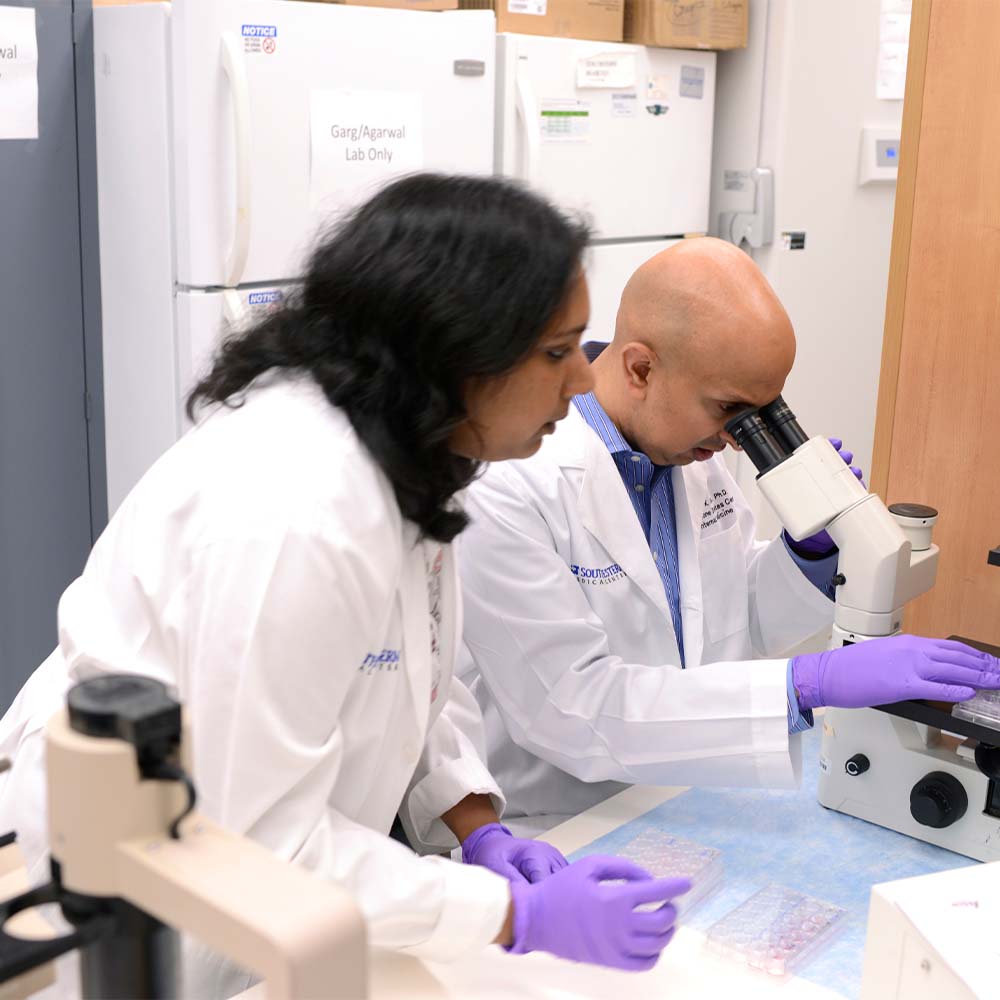
A team of researchers at UT Southwestern Medical Center’s Touchstone Diabetes Center have successfully used CRISPR gene editing to turn fat cells normally used for storage into energy-burning cells.
Regenerating cells that keep the beat: Newsroom - UT Southwestern, Dallas, Texas
https://www.utsouthwestern.edu/newsroom/articles/year-2021/regenerating-cells-that-keep-the-beat.html
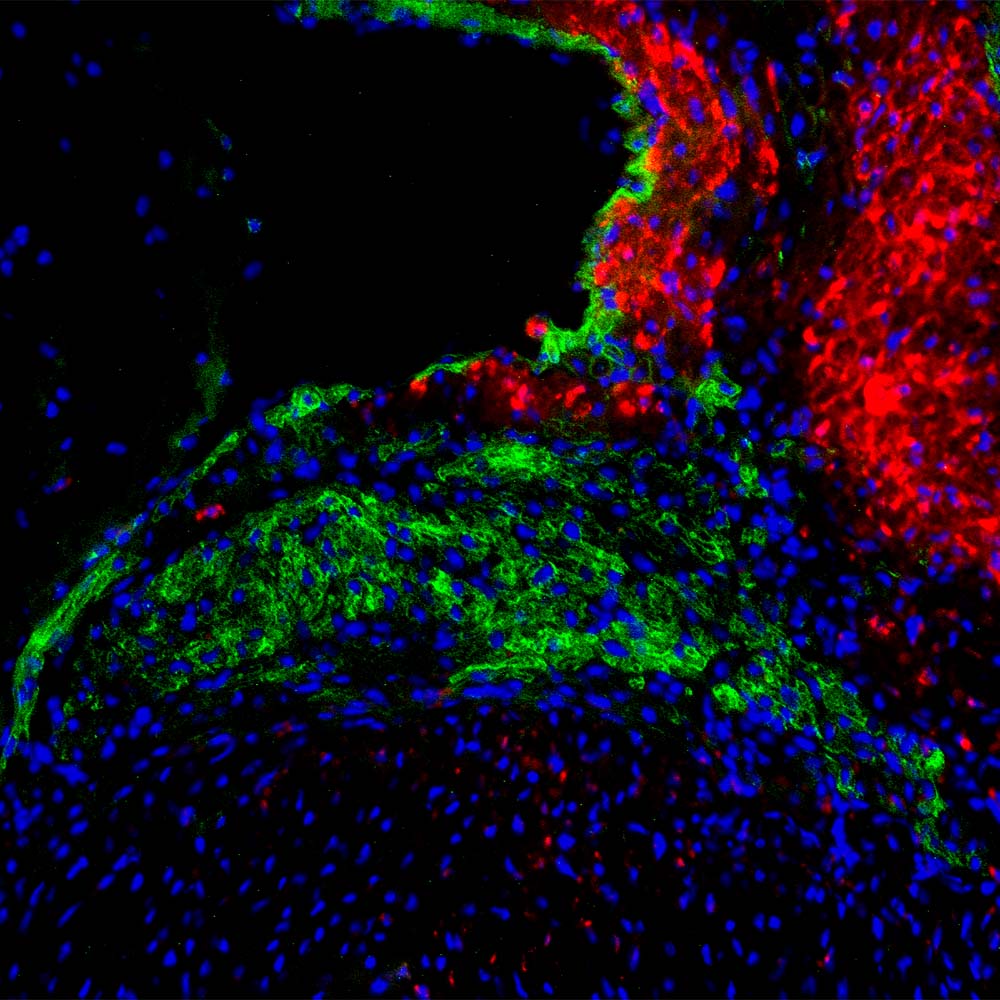
Specialized cells that conduct electricity to keep the heart beating have a previously unrecognized ability to regenerate in the days after birth, a new study in mice by UT Southwestern researchers suggests.
UT Southwestern researcher, international team solve decades-old structural mystery surrounding the birth of energy-storing lipid droplets: Newsroom - UT Southwestern, Dallas, Texas
https://www.utsouthwestern.edu/newsroom/articles/year-2022/energy-storing-lipid-droplets.html
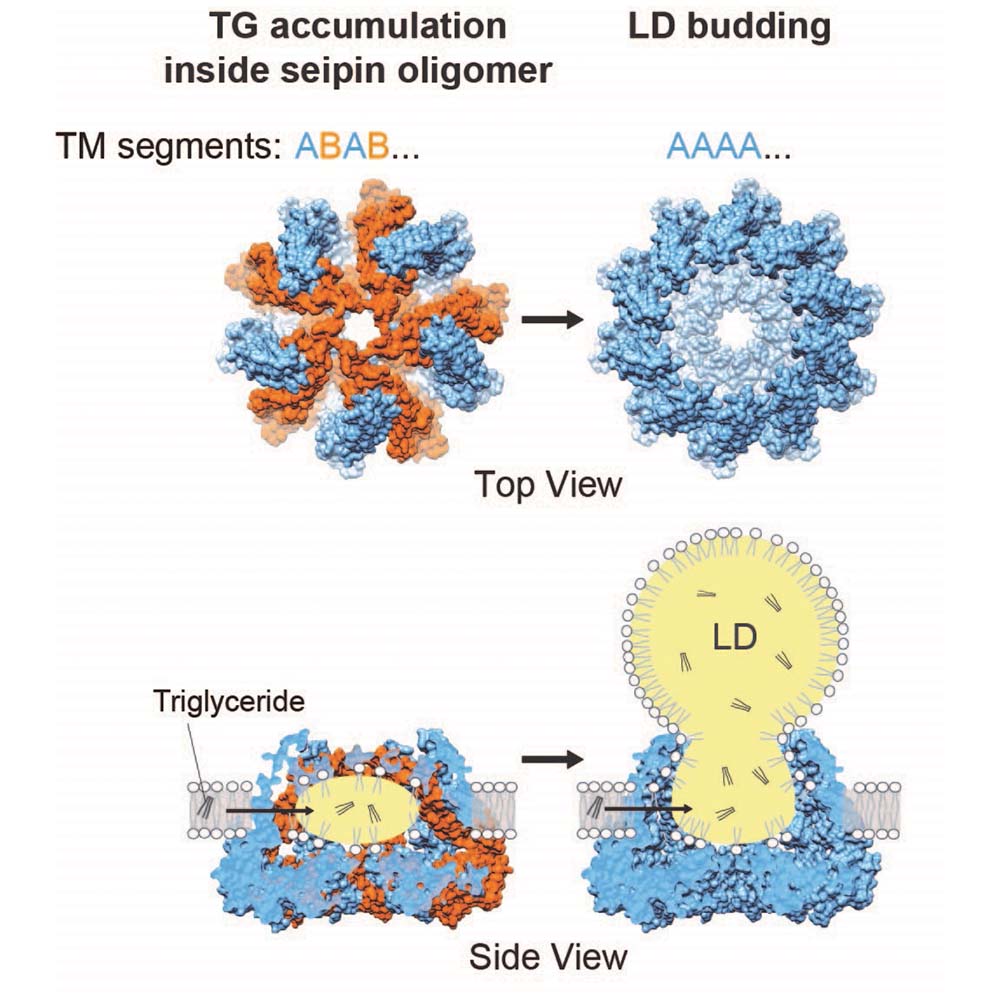
In humans, virtually every cell stores fat. However, patients with a rare condition called congenital lipodystrophy, which is often diagnosed in childhood, cannot properly store fat, which accumulates in the body’s organs and increases the risk of early death from heart or liver disease.