
Search
Using machine learning to predict pediatric brain injury: Newsroom - UT Southwestern, Dallas, Texas
https://www.utsouthwestern.edu/newsroom/articles/year-2020/machine-learning-pediatric-brain-injury.html
When newborn babies or children with heart or lung distress are struggling to survive, doctors often turn to a form of life support that uses artificial lungs.
UT Southwestern develops nanotherapeutic to ward off liver cancer: Newsroom - UT Southwestern, Dallas, Texas
https://www.utsouthwestern.edu/newsroom/articles/year-2022/nanotherapeutic-to-ward-off-liver-cancer.html
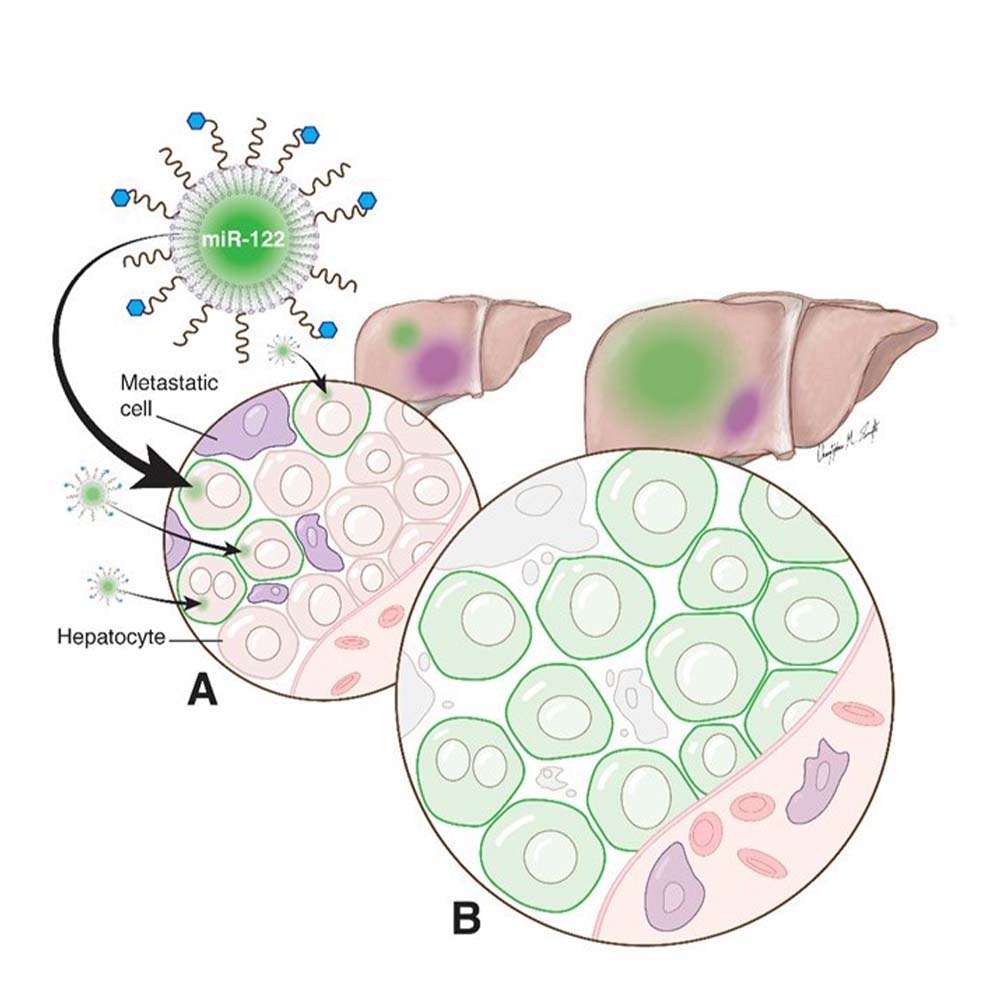
Physician researchers from UT Southwestern Medical Center have developed an innovative nanotherapeutic drug that prevents cancer from spreading to the liver.
UTSW infectious diseases experts offer advice on second booster : Newsroom - UT Southwestern, Dallas, Texas
https://www.utsouthwestern.edu/newsroom/articles/year-2022/june-predict-liver-cancer-risk.html
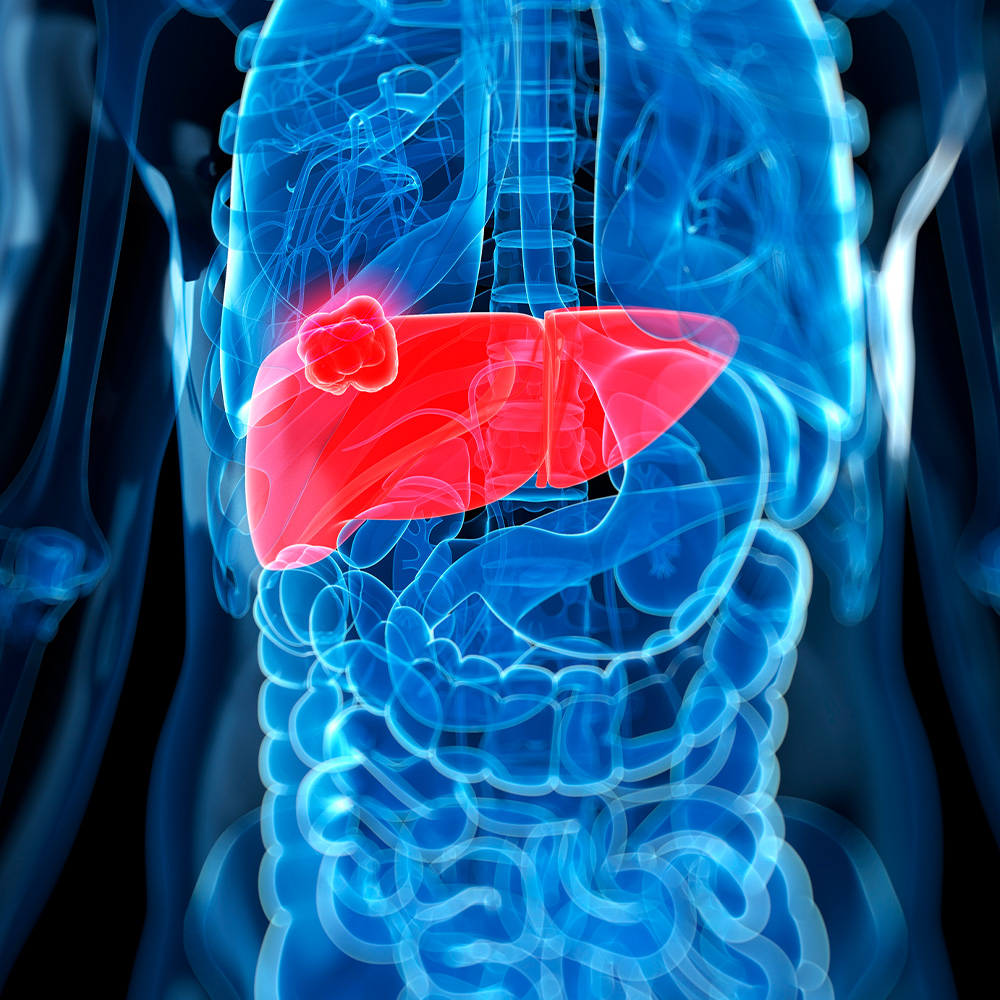
An estimated one-quarter of adults in the U.S. have nonalcoholic fatty liver disease (NAFLD), an excess of fat in liver cells that can cause chronic inflammation and liver damage, increasing the risk of liver cancer.
UTSW clinical trial sets stage for new paradigm in kidney cancer treatment: Newsroom - UT Southwestern, Dallas, Texas
https://www.utsouthwestern.edu/newsroom/articles/year-2022/august-new-paradigm-in-kidney-cancer-treatment.html
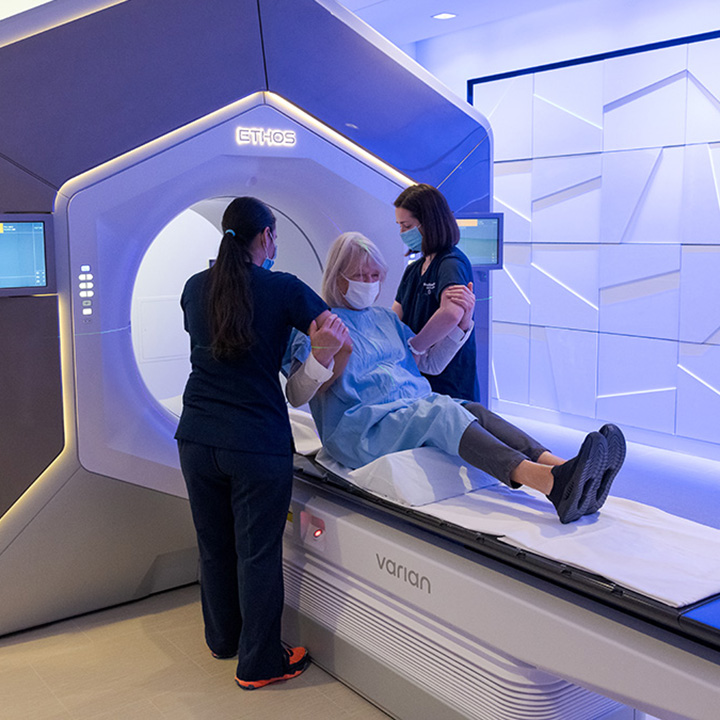
Building upon previous work at UT Southwestern Medical Center, investigators report the results of a clinical trial exploring the role of stereotactic ablative radiation therapy (SAbR) for patients with a handful of metastases, or so-called oligometastatic disease.
New cryo-EM images taken at UTSW shed light on Wnt signaling: Newsroom - UT Southwestern, Dallas, Texas
https://www.utsouthwestern.edu/newsroom/articles/year-2022/august-new-cryo-em-images.html

Using UT Southwestern’s Cryo-Electron Microscopy Facility, researchers have captured images of an enzyme for Wnt lipidation, which is pivotal to human development and cancer and crucial for Wnt signaling activation.
Experimental drug could spur immunotherapy response in patients with non-small cell lung cancer: Newsroom - UT Southwestern, Dallas, Texas
https://www.utsouthwestern.edu/newsroom/articles/year-2022/non-small-cell-lung-cancer.html

Research led by UT Southwestern scientists suggests that an investigational drug could restore the ability of some non-small cell lung cancers (NSCLCs) to respond to an immune checkpoint blockade (ICB), a therapy that harnesses the immune system to fight malignant tumors.
Clinical trial shows stereotactic radiation extends systemic therapy and slows kidney cancer progression : Newsroom - UT Southwestern, Dallas, Texas
https://www.utsouthwestern.edu/newsroom/articles/year-2022/stereotactic-radiation-extends-systemic-therapy.html
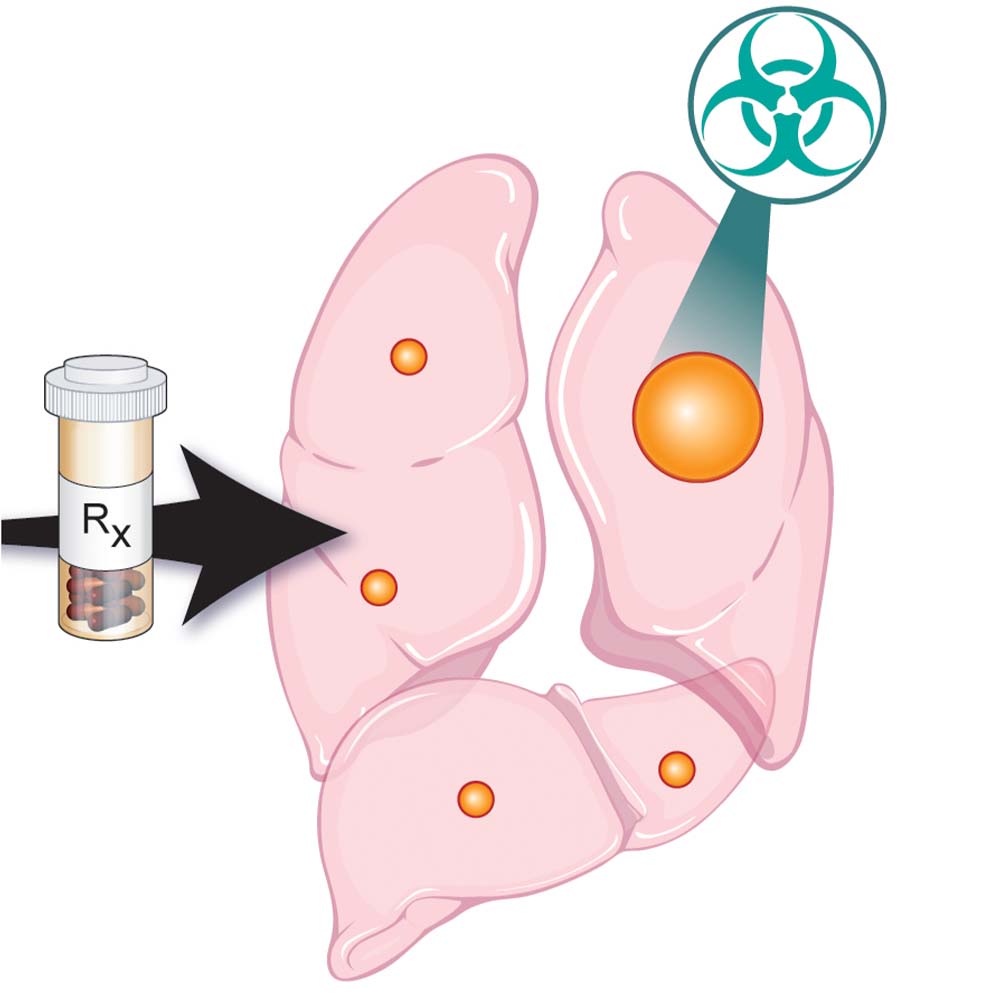
A new study by the Kidney Cancer Program (KCP) at UT Southwestern’s Harold C. Simmons Comprehensive Cancer Center shows that highly focused radiation to isolated metastases that progress despite drug therapy can prolong drug use in kidney cancer patients, saving the few other drugs for treating kidney cancer for future use.
UTSW study finds new pain management approach reduced opioid use after C-sections: Newsroom - UT Southwestern, Dallas, Texas
https://www.utsouthwestern.edu/newsroom/articles/year-2022/new-pain-management-c-sections.html
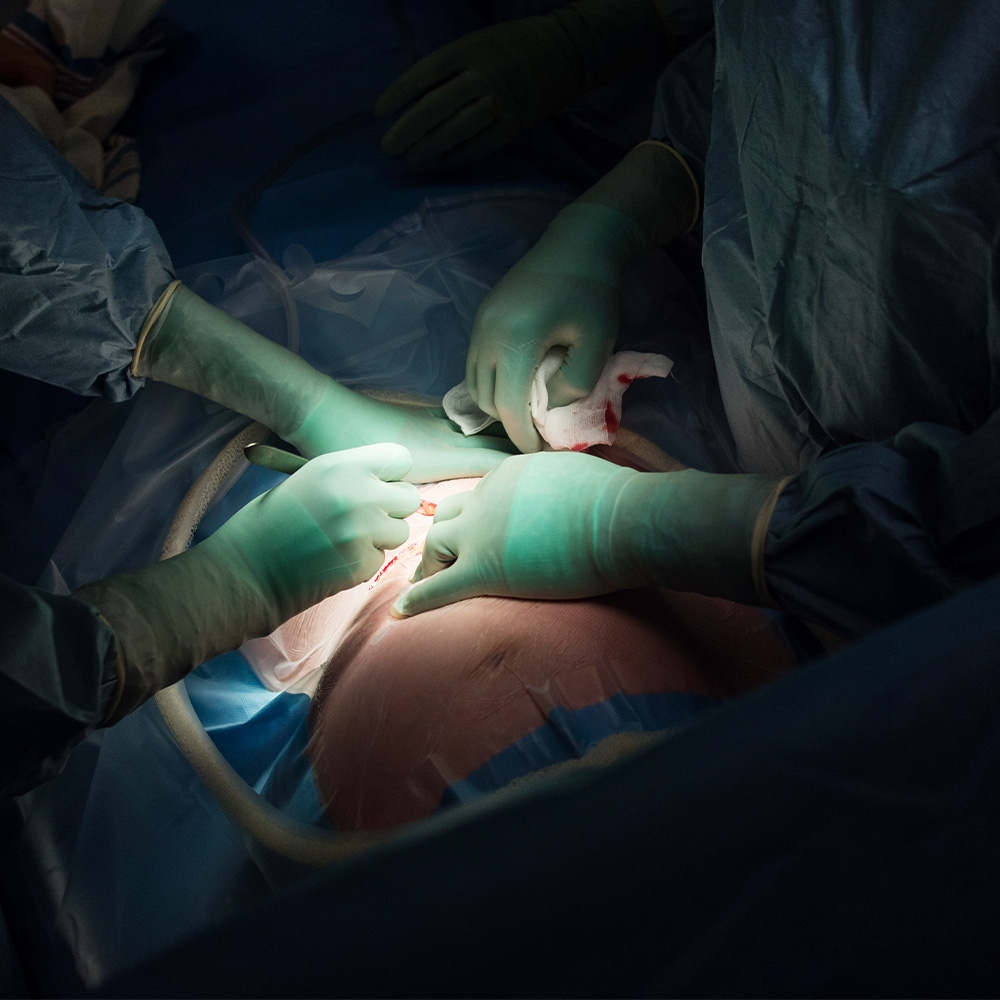
For years, women recovering from cesarean section (C-section) deliveries have been given devices that let them, with a button, control the flow of opioid painkillers into their IV line.
UTSW genetic study confirms sarin nerve gas as cause of Gulf War illness: Newsroom - UT Southwestern, Dallas, Texas
https://www.utsouthwestern.edu/newsroom/articles/year-2022/sarin-nerve-gas-gulf-war-illness.html
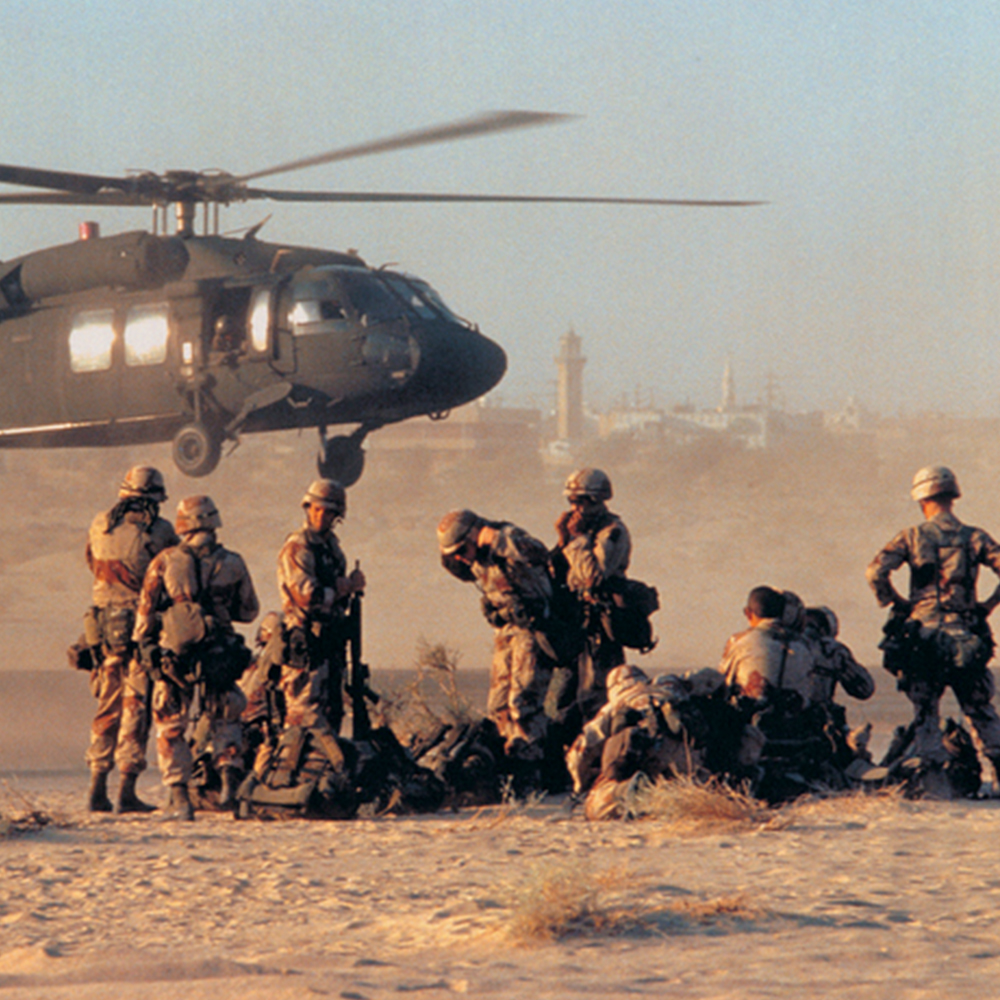
For three decades, scientists have debated the underlying cause of Gulf War illness (GWI), a collection of unexplained and chronic symptoms affecting veterans of the Persian Gulf War.
Cryo-EM imaging of STING protein reveals new binding pocket: Newsroom - UT Southwestern, Dallas, Texas
https://www.utsouthwestern.edu/newsroom/articles/year-2022/cryo-em-imaging-of-sting-protein.html

Imaging at near-atomic resolution of a key immune protein commonly known as STING has revealed a previously unrecognized binding site that appears to be pivotal for launching immune attacks, UT Southwestern scientists report in a new study.