
Search
The National Academy of Sciences today elected four UT Southwestern Medical Center scientists in the fields of biophysics, cell biology, molecular biology, and stem cell biology into its membership, one of the highest honors for American scientists. - UT Southwestern, Dallas, Texas
https://www.utsouthwestern.edu/newsroom/articles/year-2020/four-faculty-elected-to-nas.html
The National Academy of Sciences today elected four UT Southwestern Medical Center scientists in the fields of biophysics, cell biology, molecular biology, and stem cell biology into its membership, one of the highest honors for American scientists.
Clinical trial exposes deadly kidney cancer's Achilles' heel: Newsroom - UT Southwestern, Dallas, Texas
https://www.utsouthwestern.edu/newsroom/articles/year-2020/disabling-kidney-cancer-protein.html
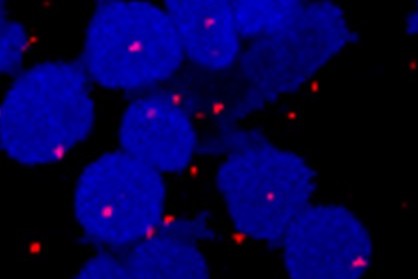
An experimental drug already shown to be safe and help some patients with clear cell renal cell carcinoma, a deadly form of kidney cancer, effectively disables its molecular target.
AAP Annual Meeting 2026 Recap: PM&R News - UT Southwestern, Dallas, Texas
https://www.utsouthwestern.edu/departments/pmr/news/spring-2026-aap-annual-meeting-recap.html
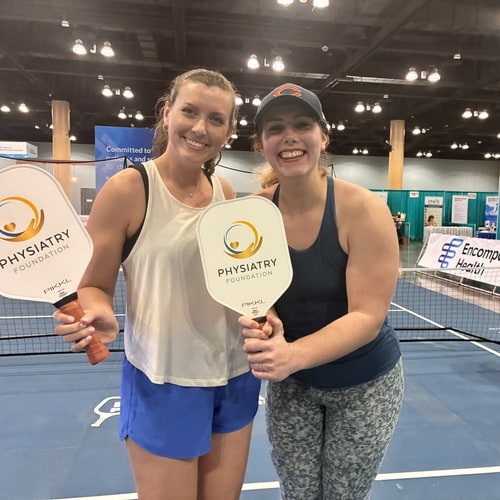
UT Southwestern faculty and residents shared research, presentations, and leadership at AAP 2026 while building connections across academic PM&R.
UTSW researchers and international collaborators find human protein that potently inhibits coronavirus: Newsroom - UT Southwestern, Dallas, Texas
https://www.utsouthwestern.edu/newsroom/articles/year-2020/protein-potently-inhibits-coronavirus.html
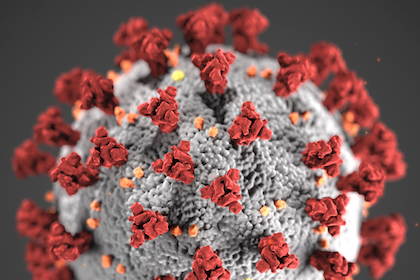
A protein produced by the human immune system can potently inhibit several coronaviruses, including the one behind the current COVID-19 outbreak, an international team of investigators reports today.
Helping the heart heal itself - UT Southwestern, Dallas, Texas
https://www.utsouthwestern.edu/newsroom/articles/year-2020/helping-the-heart-heal-itself.html
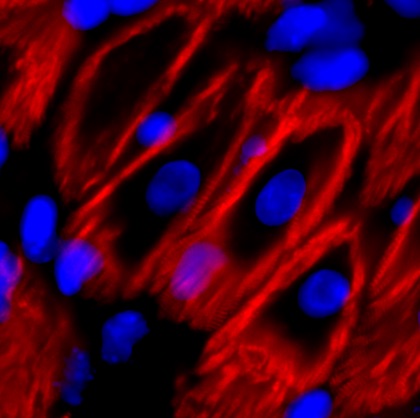
UT Southwestern Medical Center scientists have discovered a protein that works with others during development to put the brakes on cell division in the heart, they report today in Nature.
UTSW researchers uncover new vulnerability in kidney cancer: Newsroom - UT Southwestern, Dallas, Texas
https://www.utsouthwestern.edu/newsroom/articles/year-2020/new-vulnerability-in-kidney-cancer.html
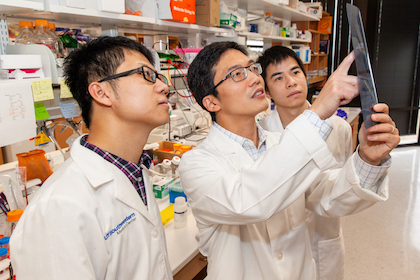
Qing Zhang, Ph.D., and his colleagues identified a possible way to treat tumors while sparing nearby healthy tissue.
AI Innovations in Medical Education - UT Southwestern, Dallas, TX
https://www.utsouthwestern.edu/research/scientific-report/articles/ai-innovations-in-medical-education.html
Artificial intelligence (AI) is rapidly transforming the landscape of medical education, offering innovative solutions to long-standing challenges.
Alumni Spotlight: Donald Kasitinon, M.D.: PM&R News - UT Southwestern, Dallas, Texas
https://www.utsouthwestern.edu/departments/pmr/news/spring-2026-alumni-spotlight-donald-kasitinon.html
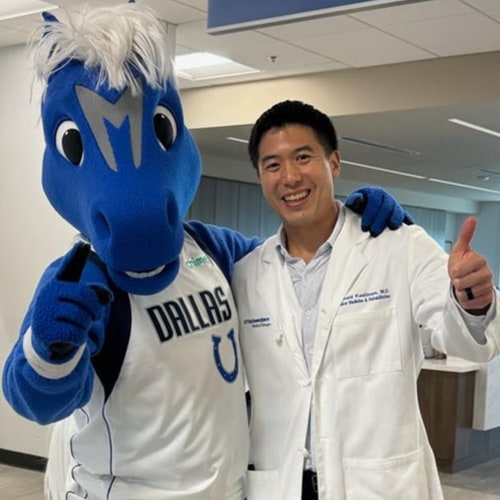
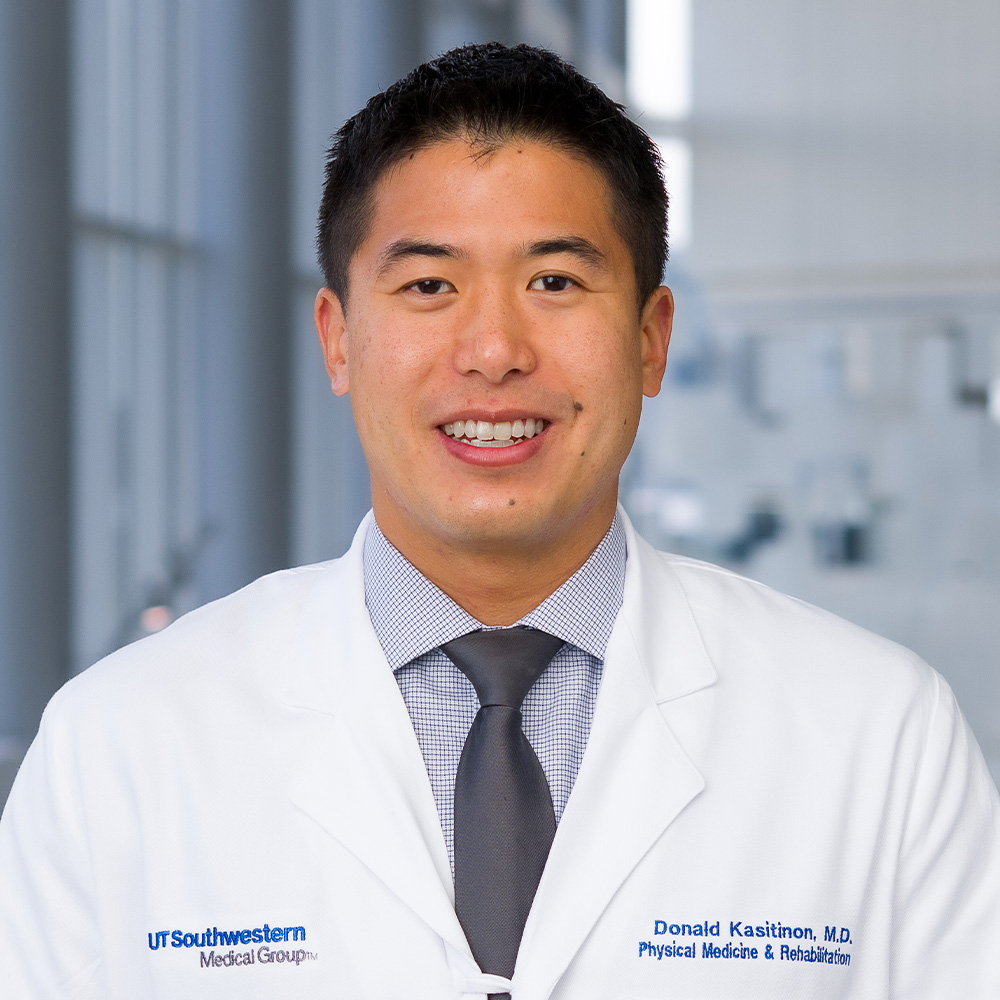
UT Southwestern celebrates alumni Donald Kasitinon, M.D., whose new role with the Dallas Mavericks highlights his growing impact in sports medicine.
How small muscles make a big impact for athletes at any level: Newsroom - UT Southwestern, Dallas, Texas
https://www.utsouthwestern.edu/newsroom/articles/year-2026/feb-small-muscles-athletes.html
The world’s top competitors in the 2026 Olympics, which continue through Feb. 22, may offer a valuable lesson to those seeking to improve their workouts or just to get more active. While these elite athletes are performing at a peak level on a global stage, it’s the work they put in behind the scenes during training and conditioning that really sets them up for success.
Researchers create ‘wiring diagram’ for key songbird brain region: Newsroom - UT Southwestern, Dallas, Texas
https://www.utsouthwestern.edu/newsroom/articles/year-2025/april-wiring-diagram-songbird.html
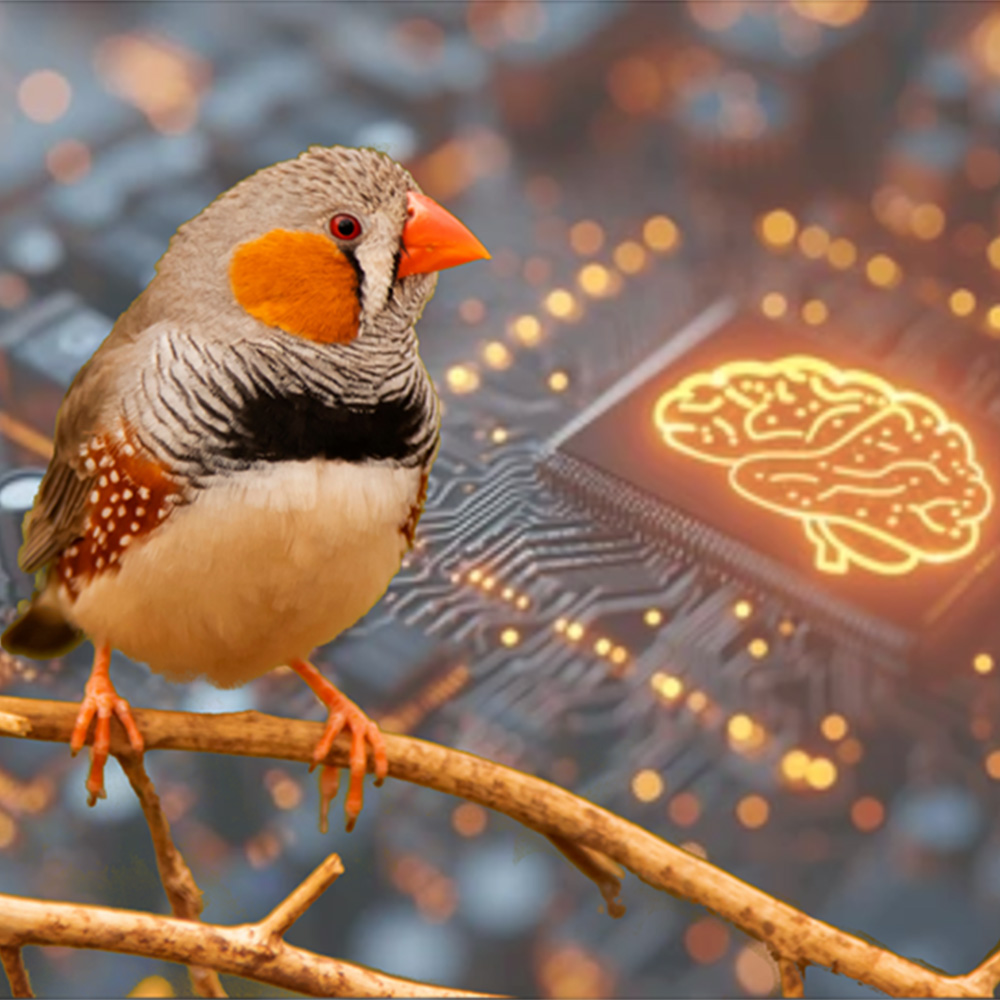
Much like human beings, songbirds learn how to vocalize from their parents. Males imitate songs from their fathers and then sing to attract mates. Although the circuits that generate human speech are more complicated to decipher, the brains of songbirds offer a viable model for better understanding how humans learn to speak and what goes wrong in communication disorders such as autism.