
Search
UTSW Research: Python guts, emergency room visits, and more: Newsroom - UT Southwestern, Dallas, Texas
https://www.utsouthwestern.edu/newsroom/articles/year-2024/dec-clinical-research-roundup.html

Oncology programs have sought to decrease visits by cancer patients to a hospital emergency department (ED) by offering resources such as 24/7 phone triage lines and urgent care clinics. However, these tend to be underutilized.
8 tips for traveling over the holidays while pregnant : Newsroom - UT Southwestern, Dallas, Texas
https://www.utsouthwestern.edu/newsroom/articles/year-2023/dec-pregnancy-travel-tips.html

– Being pregnant during the holidays brings its own set of challenges whether you’re traveling to visit family and friends or just looking to get away.
UTSW-led studies are largest ever for stimulant use disorders: Newsroom - UT Southwestern, Dallas, Texas
https://www.utsouthwestern.edu/newsroom/articles/year-2023/dec-stimulant-use-disorders.html

UT Southwestern Medical Center is leading three multicenter clinical trials funded by the National Institute on Drug Abuse (NIDA) focused on potential treatments for methamphetamine or cocaine addiction.
Supplement lowers risk of higher glucose caused by blood-pressure drug: Newsroom - UT Southwestern, Dallas, Texas
https://www.utsouthwestern.edu/newsroom/articles/year-2023/nov-blood-pressure-drug.html
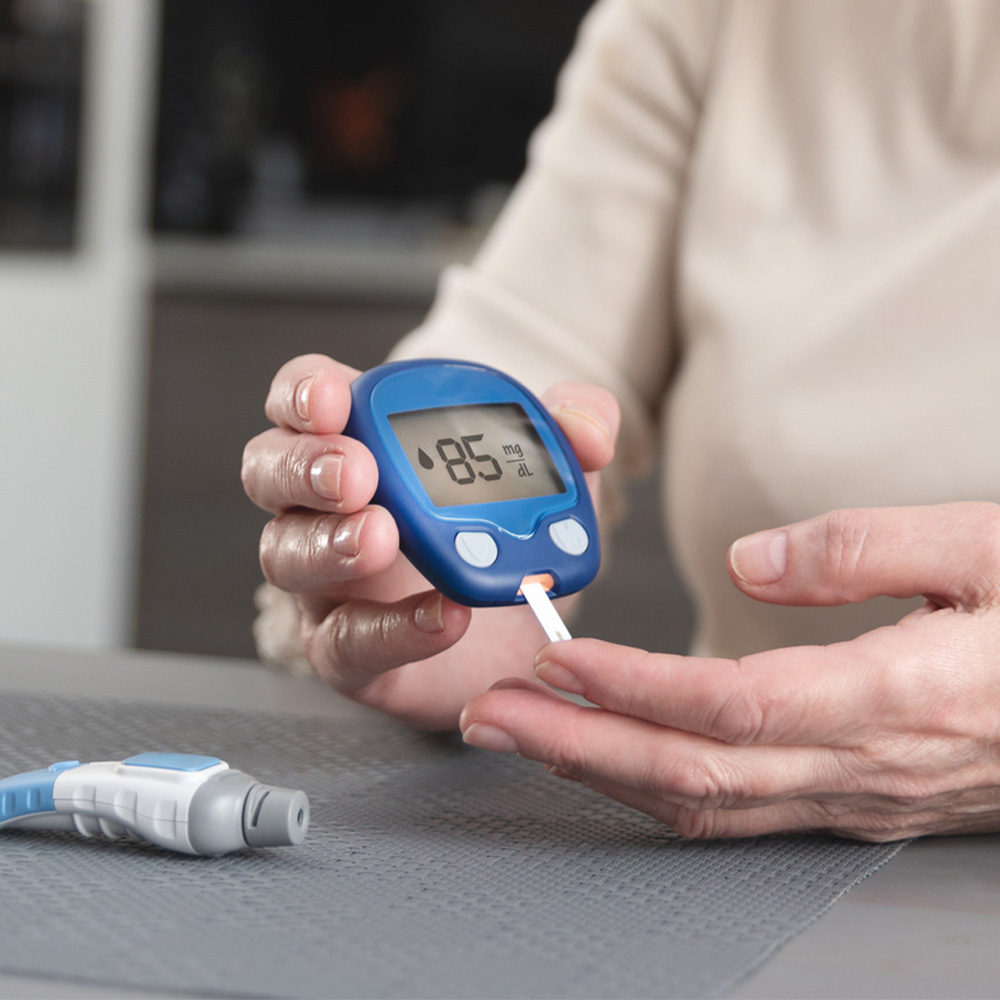
A dietary supplement developed by a UT Southwestern Medical Center researcher significantly reduced high blood sugar caused by a diuretic used to lower blood pressure while also correcting electrolyte imbalances, UTSW researchers report.
UTSW among first in nation to offer biology-guided radiotherapy: Newsroom - UT Southwestern, Dallas, Texas
https://www.utsouthwestern.edu/newsroom/articles/year-2023/dec-biology-guided-radiotherapy.html
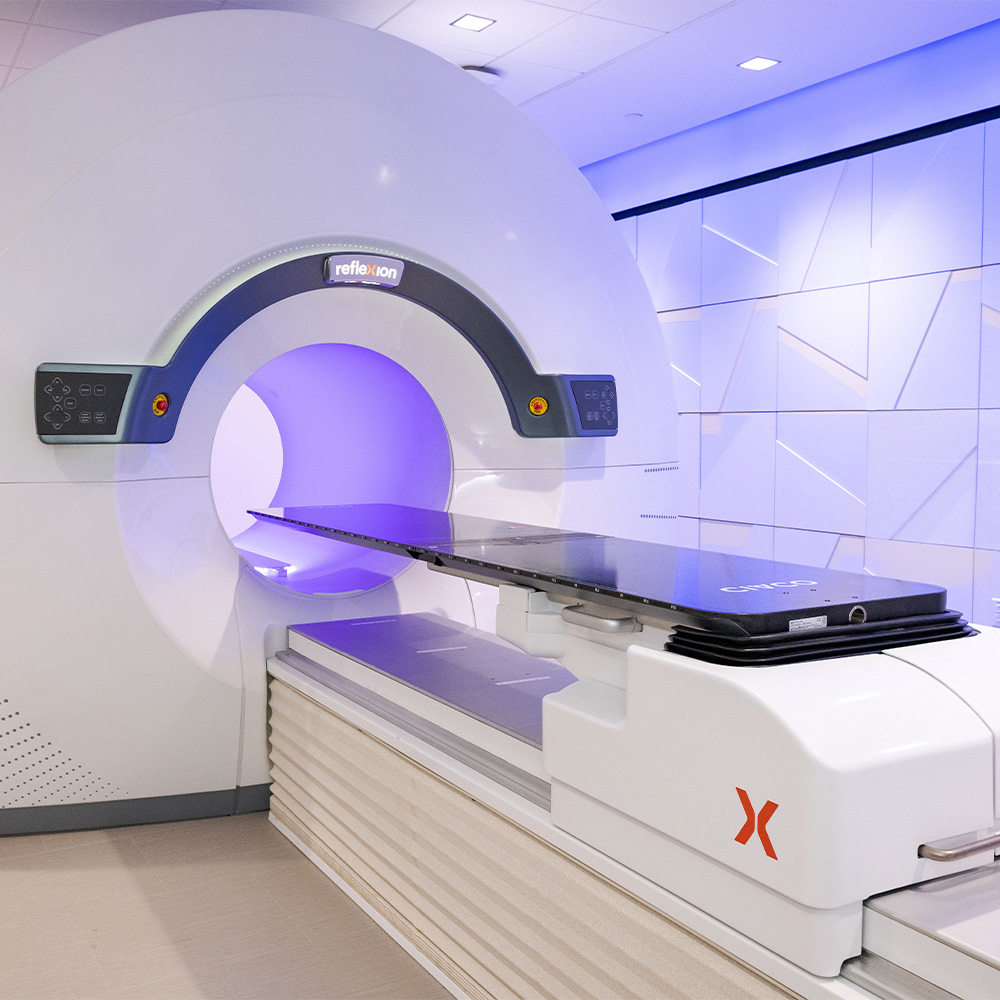
UT Southwestern Medical Center’s Harold C. Simmons Comprehensive Cancer Center is among the first in the nation and the first in Texas to offer radiation treatments using a new technology that combines positron emission tomography (PET) imaging with radiotherapy to precisely treat bone and lung cancers.
Discovery fuels insights into early developmental disorders: Newsroom - UT Southwestern, Dallas, Texas
https://www.utsouthwestern.edu/newsroom/articles/year-2023/dec-early-developmental-disorders.html

A new study led by UT Southwestern Medical Center molecular biologists presents a novel culture system to grow both embryonic and extraembryonic stem cells, potentially providing important insights into the genesis of congenital malformations and early developmental disorders.
UTSW findings could lead to more effective CPR delivery
https://www.utsouthwestern.edu/newsroom/articles/year-2023/nov-more-effective-cpr.html
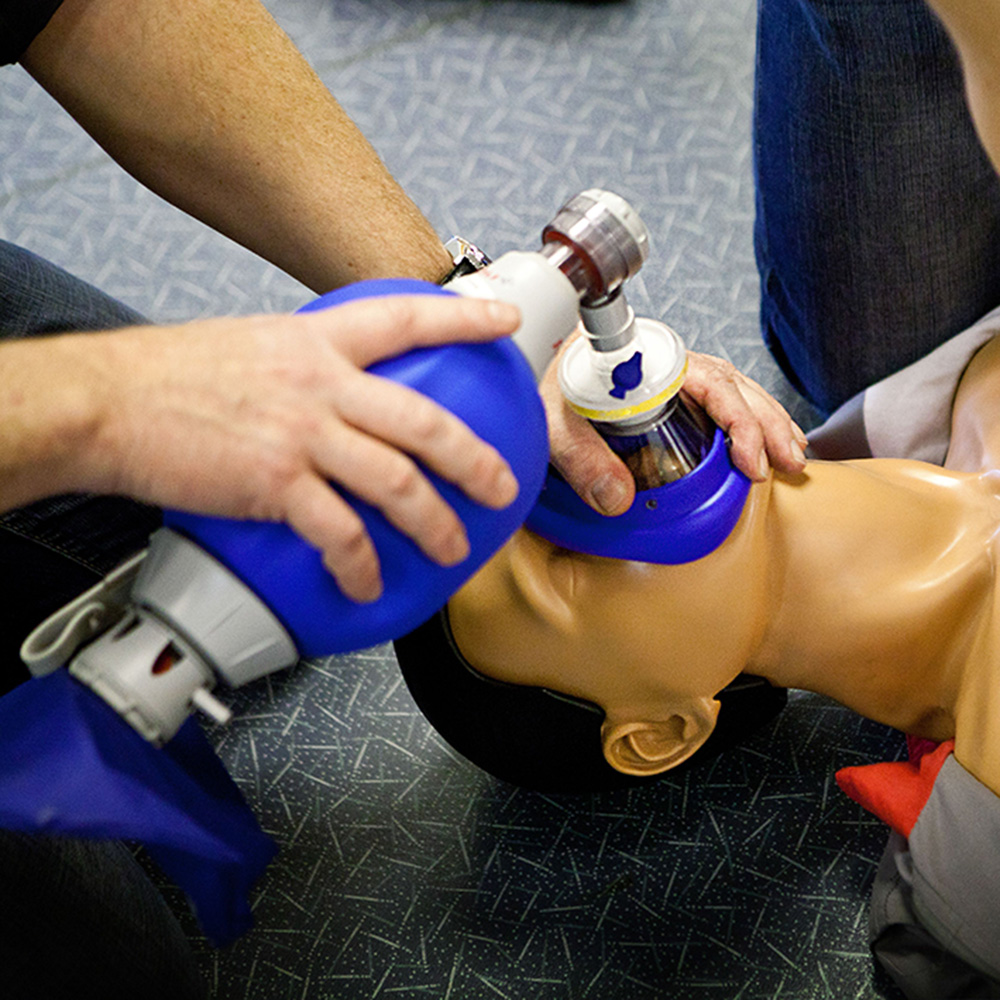
Simple changes in patient ventilation procedures during out-of-hospital cardiopulmonary resuscitation (CPR) could lead to a dramatic improvement in cardiac arrest survival rates.
UTSW researchers identify driver of inflammatory bowel disease: Newsroom - UT Southwestern, Dallas, Texas
https://www.utsouthwestern.edu/newsroom/articles/year-2023/sept-inflammatory-bowel-disease.html
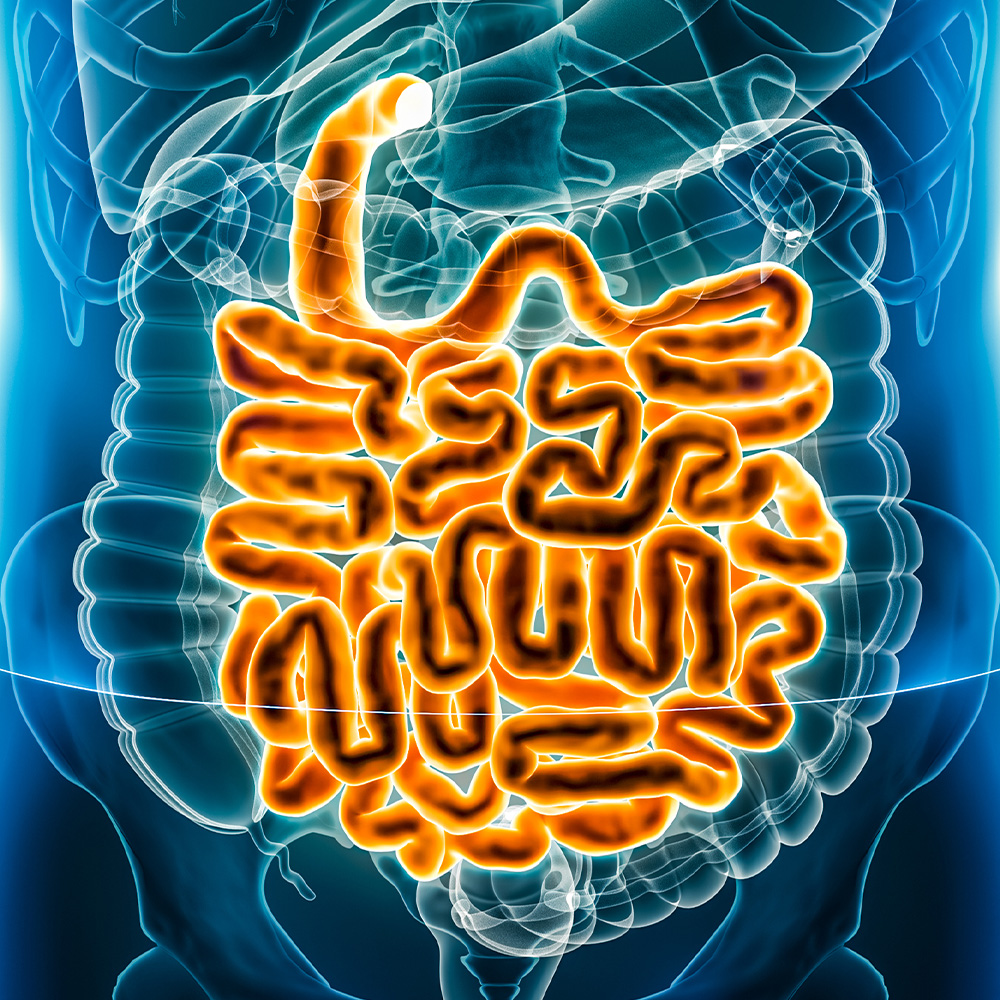
Researchers at UT Southwestern Medical Center have discovered an intracellular mechanism that converts protective intestinal cells into disease-driving pathogenic cells, a finding that could lead to improved treatments for patients with inflammatory bowel disease (IBD).
UT Southwestern scientists among world’s most highly cited researchers: Newsroom - UT Southwestern, Dallas, Texas
https://www.utsouthwestern.edu/newsroom/articles/year-2023/nov-highly-cited-researchers.html
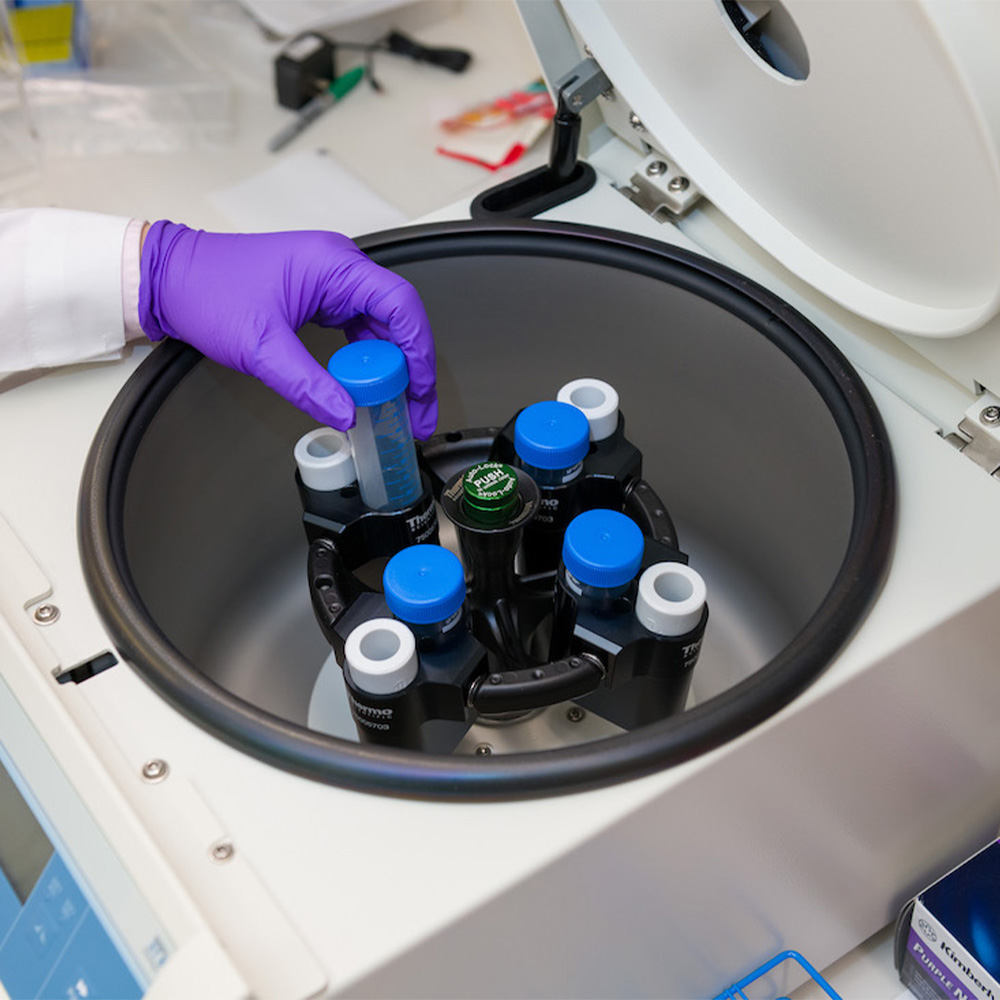
More than a dozen UT Southwestern Medical Center scientists are included on the 2023 Highly Cited Researchers list, which recognizes the top 1% of researchers from around the world who have demonstrated significant and broad influence in their chosen field or fields of research.
Some cervical cancer patients at higher risk for UTIs after radical hysterectomies: Newsroom - UT Southwestern, Dallas, Texas
https://www.utsouthwestern.edu/newsroom/articles/year-2023/may-cervical-cancer-patients.html

Seemingly healthy people whose blood contained antibodies associated with a condition called antiphospholipid syndrome (APS) were significantly more likely to experience a cardiovascular event such as a heart attack or stroke than those without, a study led by UT Southwestern scientists shows.