
Search
UTSW molecular biologist Eric Olson, Ph.D., to receive Horwitz Prize: Newsroom - UT Southwestern, Dallas, Texas
https://www.utsouthwestern.edu/newsroom/articles/year-2025/sept-horwitz-prize.html
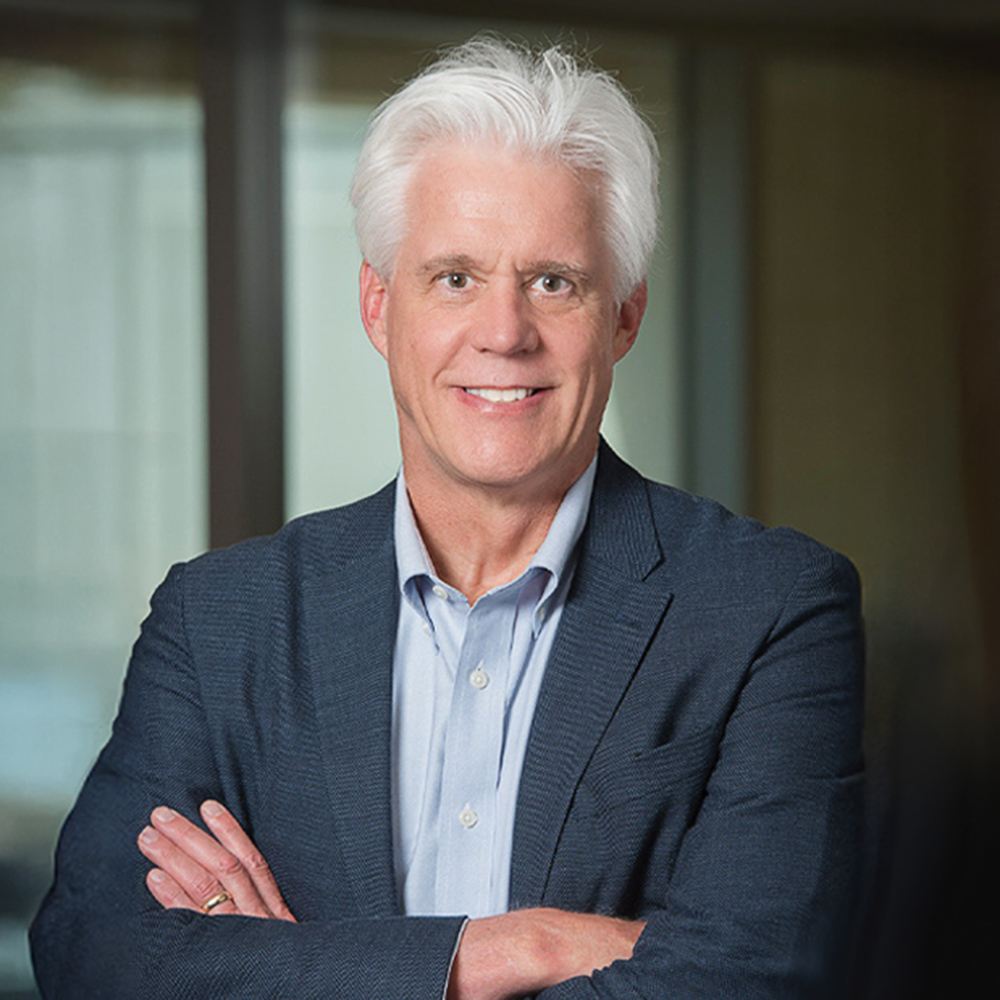
Eric Olson, Ph.D., founding Chair and Professor of Molecular Biology at UT Southwestern Medical Center, has been awarded the 2025 Louisa Gross Horwitz Prize.
UTSW Research: Mosquito saliva and malaria, brain tumors, and more: Newsroom - UT Southwestern, Dallas, Texas
https://www.utsouthwestern.edu/newsroom/articles/year-2025/march-research-roundup.html
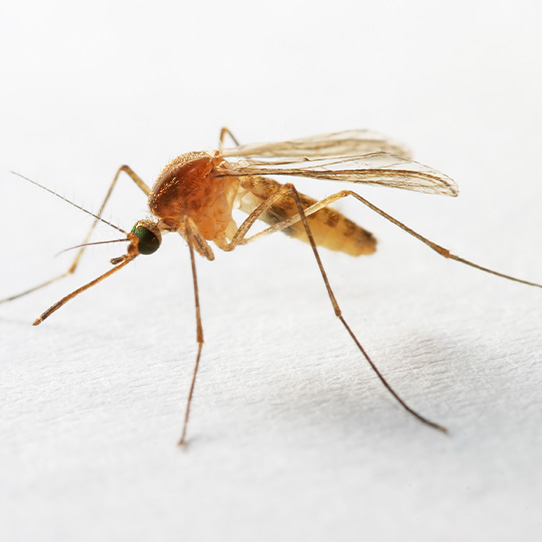
Malaria, responsible for hundreds of thousands of deaths each year worldwide, is caused by a parasite transmitted through the salivary glands of female Anopheles mosquitoes. Understanding the biology of these tissues is critical to developing new treatments for the disease, found mostly in tropical countries.
UTSW Research: Diagnosing Alzheimer’s, timed radiation therapy, and more
https://www.utsouthwestern.edu/newsroom/articles/year-2025/sept-research-roundup.html
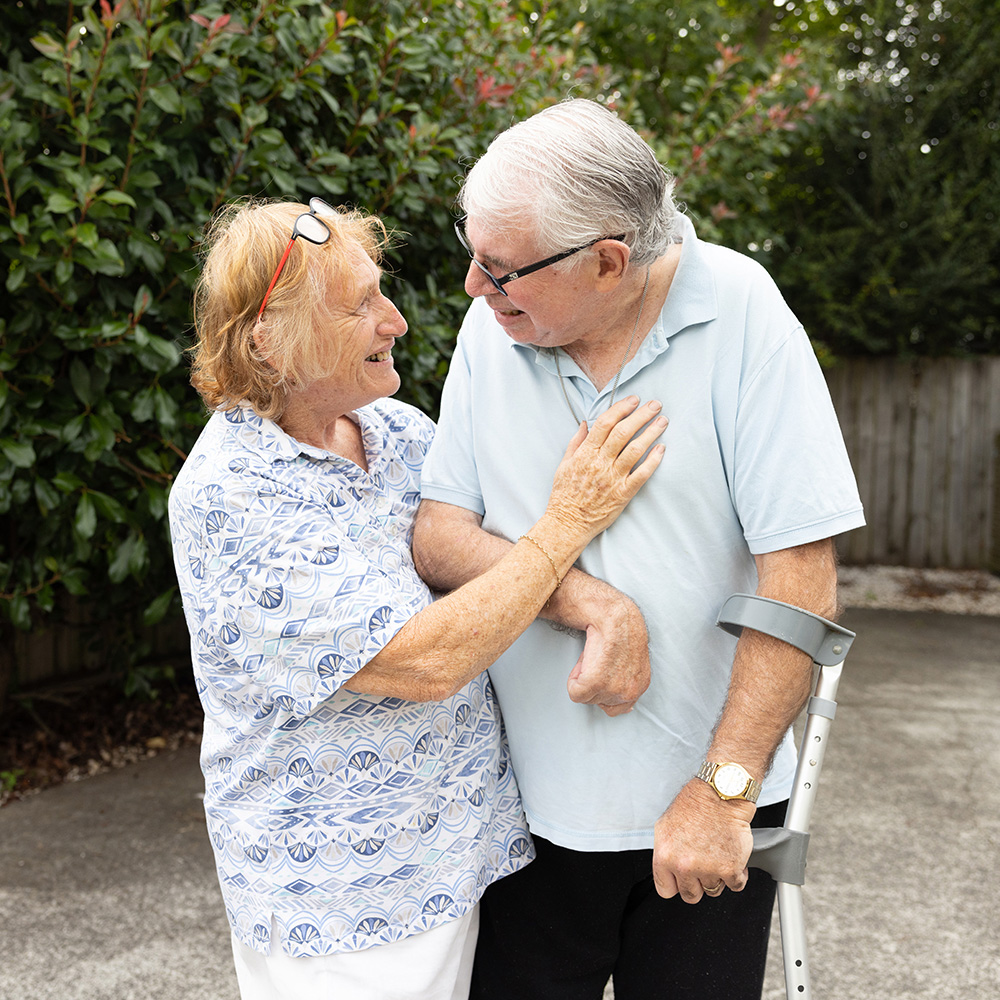
Studies look at measuring blood flow velocity, a treatment strategy for non-small cell lung cancer, and the body’s response to airborne pathogens.
In Memoriam: David J. Mangelsdorf, Ph.D., pioneer in orphan nuclear receptor research and Chair of Pharmacology
https://www.utsouthwestern.edu/newsroom/articles/year-2025/aug-mangelsdorf.html
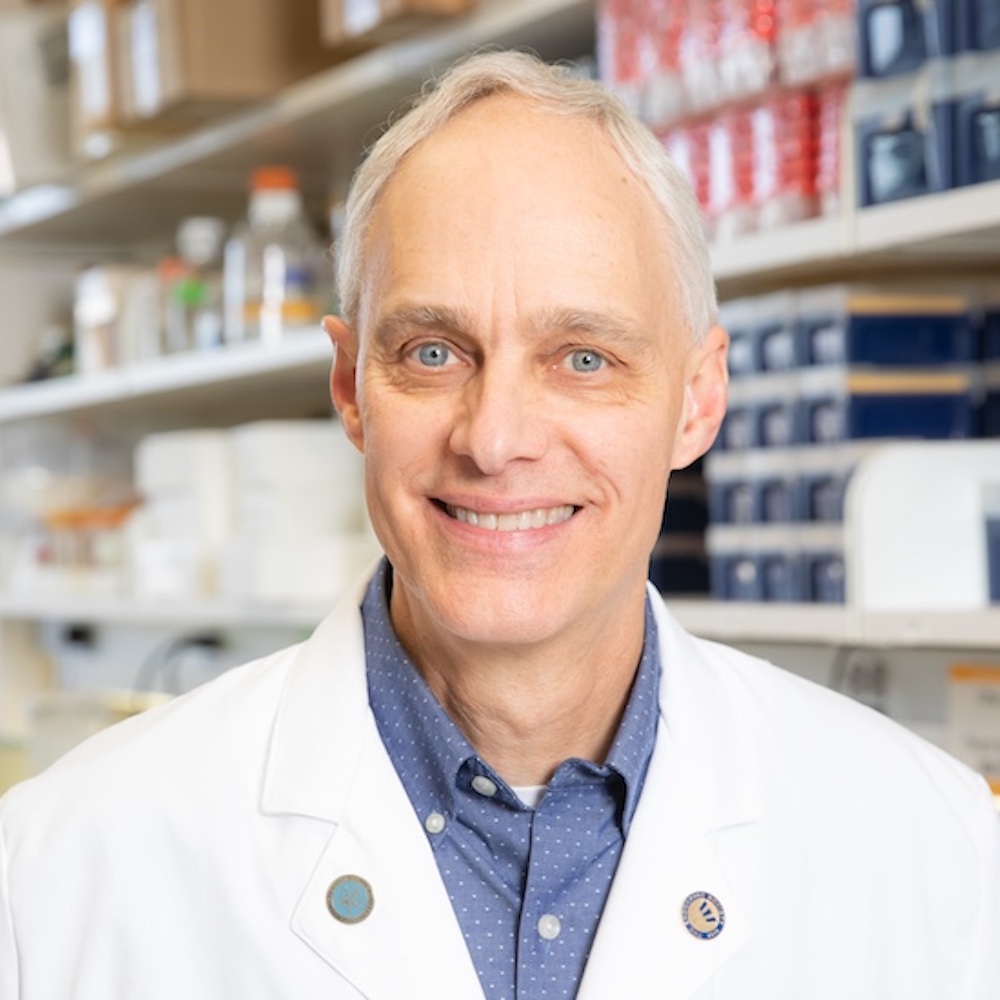
In Memoriam: David J. Mangelsdorf, Ph.D., pioneer in orphan nuclear receptor research and Chair of Pharmacology Published on: August 09, 2025 • By: Newsroom Share Share on Facebook Share on Twitter Share on LinkedIn Email this page Print this page DALLAS – Aug. 9, 2025 – David J. Mangelsdorf, Ph.D., …
EV Charging Stations: Campus Services - UT Southwestern, Dallas, Texas
https://www.utsouthwestern.edu/employees/campus-services/parking/ev-charging-stations.html
UT Southwestern EV Charger Location, EV Charging, Electric Vehicle
The perfect match: UTSW students open envelopes to residency futures : Newsroom - UT Southwestern, Dallas, Texas
https://www.utsouthwestern.edu/newsroom/articles/year-2025/march-match-day.html
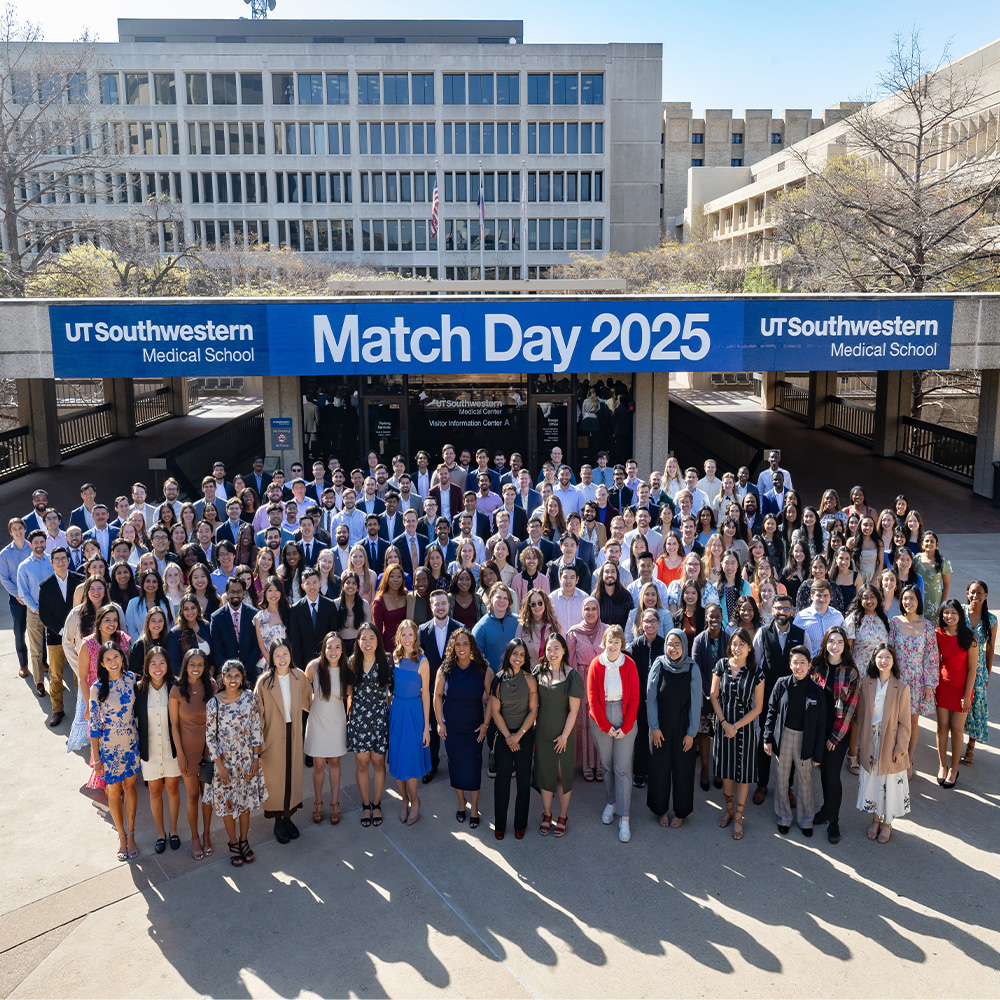
Members of UT Southwestern Medical School’s Class of 2025 gathered with anticipation inside the Bryan Williams, M.D., Student Center gymnasium Friday morning to learn where they will begin the next phase of their training as residents.
Preoperative immunotherapy could enhance breast cancer cure rates: Newsroom - UT Southwestern, Dallas, Texas
https://www.utsouthwestern.edu/newsroom/articles/year-2025/feb-preoperative-immunotherapy.html
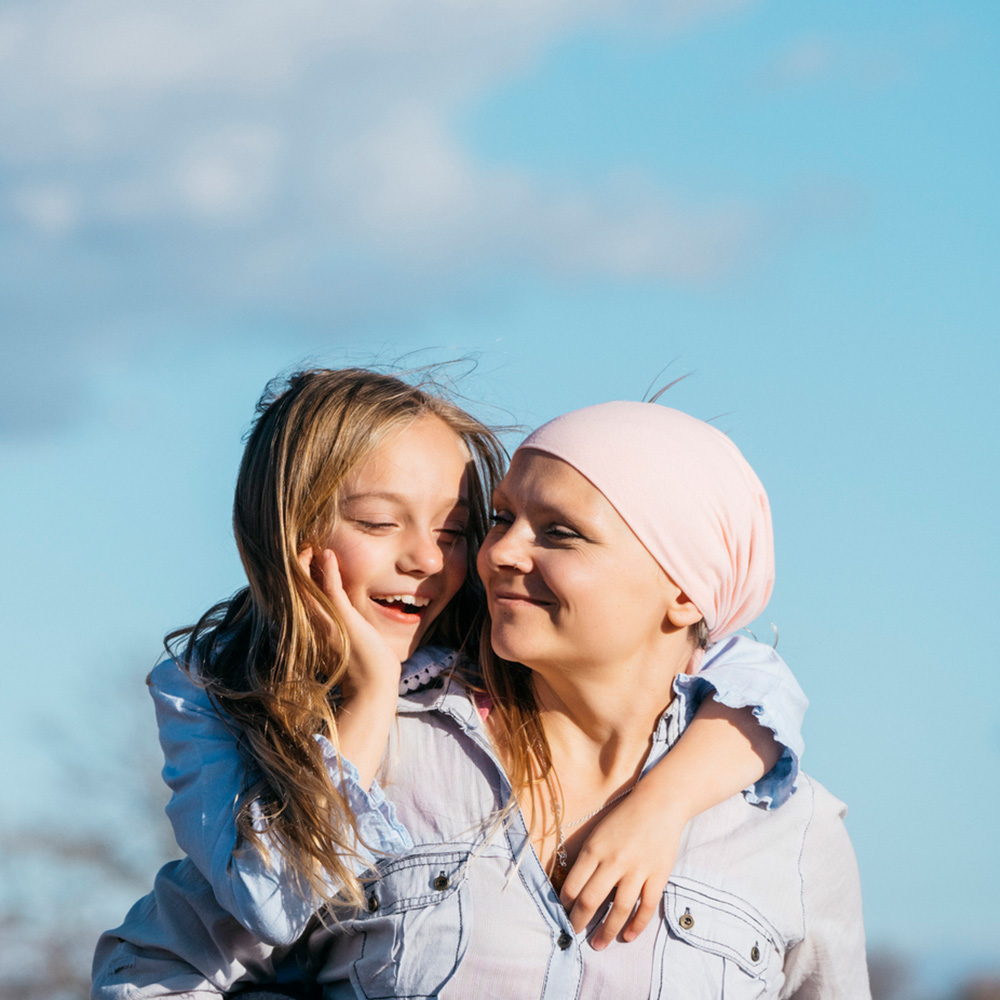
A phase three clinical trial co-led by a researcher at UT Southwestern Harold C. Simmons Comprehensive Cancer Center showcases the promise of administering immunotherapy along with chemotherapy before surgery in patients with breast cancer at high risk of spreading. The findings, published in Nature Medicine, suggest preoperative immunotherapy is more effective for some breast cancer patients, the study authors say.
UTSW Research: Exploring essential tremor, GLP-1RAs, and more: Newsroom - UT Southwestern, Dallas, Texas
https://www.utsouthwestern.edu/newsroom/articles/year-2025/dec-research-roundup.html

Essential tremor (ET) is a common movement disorder affecting about 2% of the American population, and more than 20% of those over 90 years old. Despite its prevalence and decades of study, researchers don’t know the precise mechanisms underlying ET.
Healthy eating habits to carry you through the holidays: Newsroom - UT Southwestern, Dallas, Texas
https://www.utsouthwestern.edu/newsroom/articles/year-2024/dec-holiday-eating.html

This season of office parties and extravagant meals is filled with tempting treats that can make it difficult to reach your health goals.
Director of Simmons Cancer Center, UTSW Pharmacology Chair elected to the National Academy of Medicine: Newsroom - UT Southwestern, Dallas, Texas
https://www.utsouthwestern.edu/newsroom/articles/year-2024/oct-nam-arteaga.html
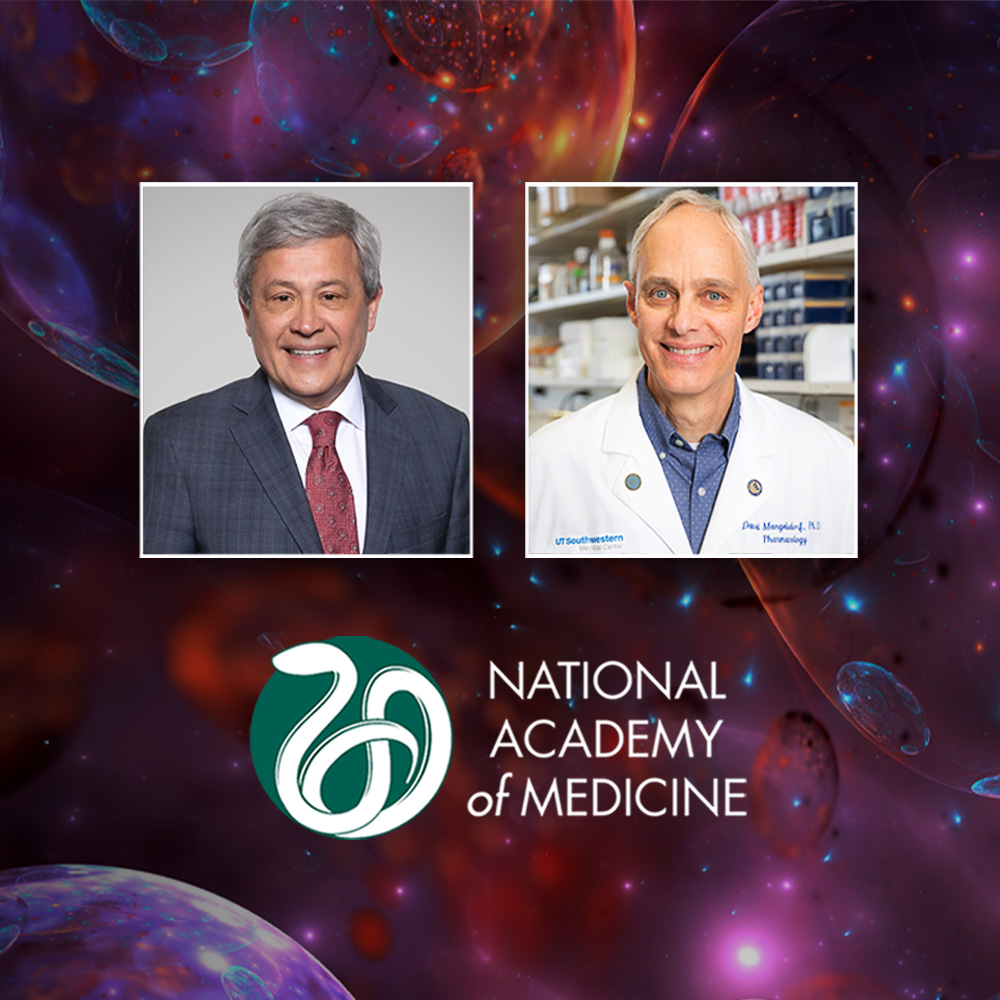
Carlos L. Arteaga, M.D., Director of the Harold C. Simmons Comprehensive Cancer Center and Associate Dean of Oncology Programs at UT Southwestern Medical Center, and David Mangelsdorf, Ph.D., Chair and Professor of Pharmacology and Professor of Biochemistry, have been elected to the National Academy of Medicine (NAM), one of the highest honors in the fields of health and medicine.