
Search
Updates & Accolades - UT Southwestern, Dallas, TX
https://www.utsouthwestern.edu/research/scientific-report/articles/updates-accolades.html
Updates & Accolades UT Southwestern ❘ Discovery@UTSW 2026 ❘ P19 Accolades Drs. Mendell and Pan Elected to National Academy of Medicine Joshua Mendell, M.D., Ph.D., and Duojia Pan, Ph.D., were elected to the National Academy of Medicine, one of the highest honors in health and medicine. Dr. Mendell, P…
Catherine Spong, M.D., elected to the National Academy of Medicine: Newsroom - UT Southwestern, Dallas, Texas
https://www.utsouthwestern.edu/newsroom/articles/year-2023/oct-nam-spong.html

Catherine Spong, M.D., Chair and Professor of Obstetrics and Gynecology at UT Southwestern Medical Center, has been elected to the National Academy of Medicine (NAM) in recognition of her significant impact on the field of maternal-fetal medicine, her leadership in women’s health research, and her dedication to advancing health care for mothers and babies.
HIV patients can safely undergo hip replacement, study finds: Newsroom - UT Southwestern, Dallas, Texas
https://www.utsouthwestern.edu/newsroom/articles/year-2023/july-hiv-patients.html

Hip replacement surgery is safe for patients living with human immunodeficiency virus (HIV), researchers at UT Southwestern Medical Center found.
Funding Opportunities: Simmons Cancer Center - UT Southwestern, Dallas, TX
https://www.utsouthwestern.edu/departments/simmons/education-training/funding-opportunities.html
Graduate students, postdocs, clinical fellows, and residents focused on cancer research or oncology-related clinical training are eligible for select training grants awards.
In Memoriam: David J. Mangelsdorf, Ph.D., pioneer in orphan nuclear receptor research and Chair of Pharmacology
https://www.utsouthwestern.edu/newsroom/articles/year-2025/aug-mangelsdorf.html
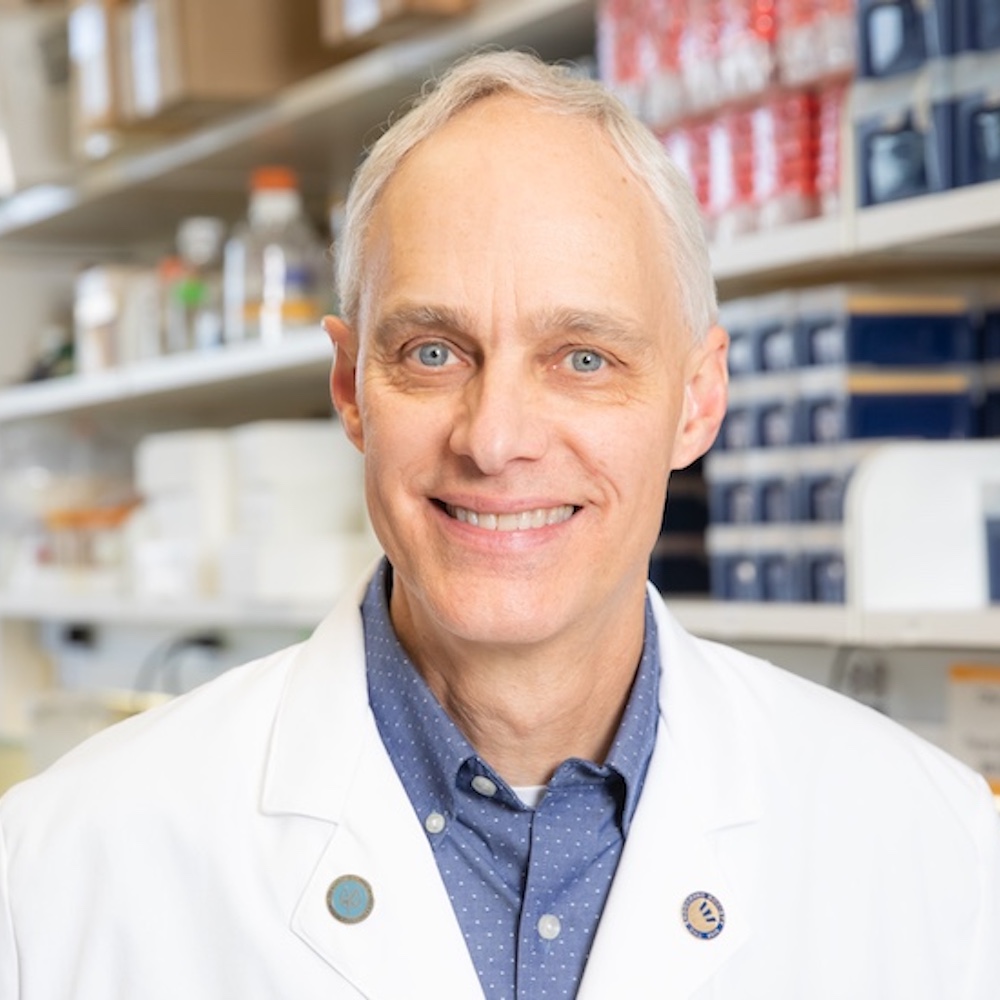
In Memoriam: David J. Mangelsdorf, Ph.D., pioneer in orphan nuclear receptor research and Chair of Pharmacology Published on: August 09, 2025 • By: Newsroom Share Share on Facebook Share on Twitter Share on LinkedIn Email this page Print this page DALLAS – Aug. 9, 2025 – David J. Mangelsdorf, Ph.D., …
Higher dose of semaglutide increases weight loss, metabolic benefits: Newsroom - UT Southwestern, Dallas, Texas
https://www.utsouthwestern.edu/newsroom/articles/year-2025/sept-semaglutide.html
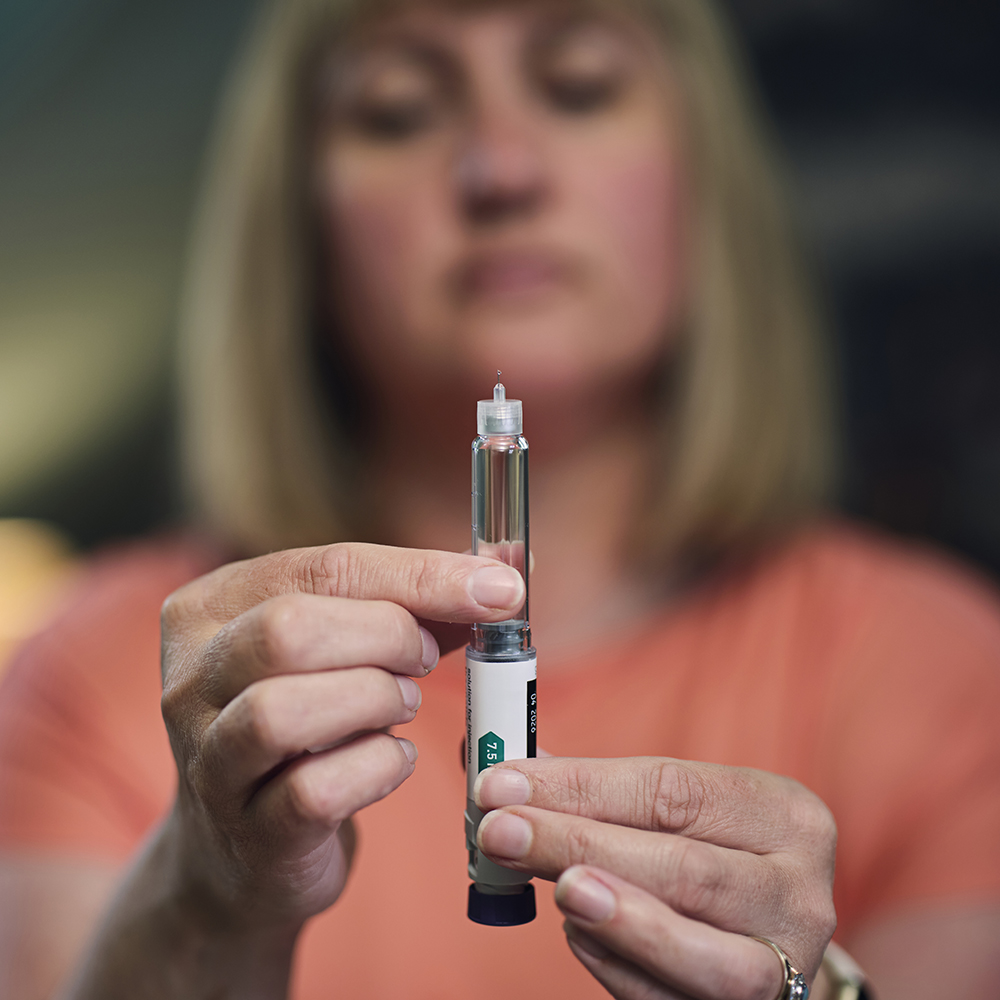
Tripling the standard dose of semaglutide, a popular drug prescribed to treat obesity, led to significantly greater weight loss and associated metabolic benefits without increased risk of serious side effects, a multicenter clinical trial led by a UT Southwestern Medical Center researcher shows.
Biomarkers linked to side effects from cancer immunotherapy
https://www.utsouthwestern.edu/newsroom/articles/year-2025/sept-immunotherapy-biomarkers.html

A team led by UT Southwestern Medical Center scientists has identified early signals from the immune system that could help predict which cancer patients are most likely to develop harmful side effects from immunotherapy.
‘Timekeeper’ shapes body’s infection defenses, UTSW study finds
https://www.utsouthwestern.edu/newsroom/articles/year-2025/sept-adrenaline-receptor.html

A newly discovered “timekeeper” for fighting infections dramatically shapes the body’s immune defenses.
UT Southwestern biochemist Zhijian ‘James’ Chen to receive 2026 Brinster Prize
https://www.utsouthwestern.edu/newsroom/articles/year-2025/sept-brinster-prize.html

Zhijian “James” Chen, Ph.D., Professor in the Department of Molecular Biology at UT Southwestern Medical Center and one of the world’s top researchers on innate immunity, has been awarded the 2026 Elaine Redding Brinster Prize in Science or Medicine.
UTSW researchers identify new immunotherapy target: Newsroom - UT Southwestern, Dallas, Texas
https://www.utsouthwestern.edu/newsroom/articles/year-2025/july-immunotherapy-target.html

Researchers at UT Southwestern Medical Center have discovered how a hormone interacts with a receptor on the surface of immune cells to shield cancer cells from the body’s natural defenses. The findings, published in Nature Immunology, could lead to new immunotherapy approaches for treating cancer as well as potential treatments for inflammatory disorders and neurologic diseases.