
Search
Eligibility Criteria: Department of Radiation Oncology - UT Southwestern - Dallas, Texas
https://www.utsouthwestern.edu/departments/radiation-oncology/education-training/observerships/eligibility-criteria.html
Eligibility requirements for UT Southwestern’s Radiation Oncology student observerships, open to high school, undergraduate medical students, and more.
Resident Testimonials - Plastic Surgery - UT Southwestern, Dallas, Texas
https://www.utsouthwestern.edu/departments/plastic-surgery/education-training/residency-program/resident-testimonials.html
Resident Testimonials - Plastic Surgery - UT Southwestern, Dallas, Texas
Residency Application Requirements: Plastic Surgery - UT Southwestern, Dallas, TX
https://www.utsouthwestern.edu/departments/plastic-surgery/education-training/residency-program/application-requirements.html
Application requirements for the residency programs in plastic surgery at UT Southwestern (UTSW).
Resident Clinical Educator Track: Neurology - UT Southwestern, Dallas, Texas
https://www.utsouthwestern.edu/departments/neurology/education/residency/clinical-educator-track.html
The UT Southwestern neurology residency program offers a research track designed to prepare the resident for a career in academic neurology as a clinician-scientist.
Image-Based Phishing: Information Security Awareness - UT Southwestern, Dallas, Texas
https://www.utsouthwestern.edu/employees/information-security/awareness/updates/image-based-phishing.html

Images may be used by cyber attackers to perform a phishing attack just like a malicious link or an infected attachment. Clicking an image or graphic included in an email may execute malware, initiate a malicious download, or send you to a website intended to steal your credentials or financial information.
Dumpster Diving: Information Security Awareness - UT Southwestern, Dallas, Texas
https://www.utsouthwestern.edu/employees/information-security/awareness/updates/dumpster-diving.html

Dumpster diving is searching someone’s trash for information that can be used to launch a social engineering and/or computer system attack.
When is the last time you Googled yourself?: Information Security Awareness - UT Southwestern, Dallas, Texas
https://www.utsouthwestern.edu/employees/information-security/awareness/updates/googled-yourself.html

Search the internet to see what information about you is publicly available. These same resources are available to cybercriminals who can use what they find to target you.
Dumpster Diving: Information Security Awareness - UT Southwestern, Dallas, Texas
https://www.utsouthwestern.edu/employees/information-security/awareness/updates/dumpster-diving-trash.html

Dumpster diving is searching someone’s trash for information that can be used to launch a social engineering and/or computer system attack.
Zombie Apps & Accounts: Information Security Awareness - UT Southwestern, Dallas, Texas
https://www.utsouthwestern.edu/employees/information-security/awareness/updates/zombie-app-accounts.html

Zombie apps and accounts are forgotten online services that endanger your privacy, clutter your phone, and drain your battery. Your information is likely in apps, websites, and services you’ve long forgotten about. Having your email address, password, and name littered across the internet makes you a prime target for hackers. Take the time to eliminate zombie apps and dormant accounts.
Good practices for scanning QR codes: Information Security Awareness - UT Southwestern, Dallas, Texas
https://www.utsouthwestern.edu/employees/information-security/awareness/updates/scanning-qr-codes.html
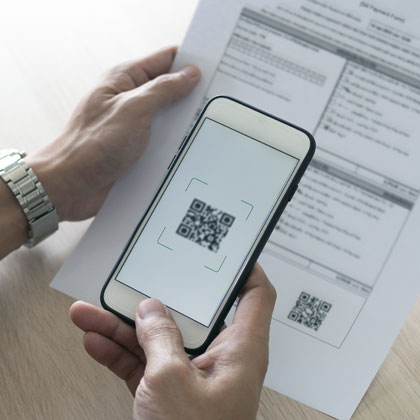
QR codes are the square, scannable codes that you see for touchless menus at restaurants, real estate listings, TV ads, social media posts, and more.Cybercriminals can also create QR codes that direct people to malicious website, so follow tips to scan QR codes safely.