
Search
UT Southwestern Emergency Medicine Visiting Elective Program - UT Southwestern, Dallas, TX
https://www.utsouthwestern.edu/departments/emergency/education/medical-students/visiting-elective-program.html
The Emergency Medicine Visiting Elective Program provides support for fourth-year medical students who are interested in serving an underserved patient population and completing their graduate medical education in emergency medicine at UT Southwestern Medical Center.
How to “hover” over hyperlinks on a mobile phone: Information Security Awareness - UT Southwestern, Dallas, Texas
https://www.utsouthwestern.edu/employees/information-security/awareness/updates/hover-over-hyperlinks.html

Attacks from cybercriminals often start with a phishing email that contains a malicious link. An embedded hyperlink is when you see text that may appear legitimate, rather than the actual URL.
Avoid falling prey to multifactor fatigue: Information Security Awareness - UT Southwestern, Dallas, Texas
https://www.utsouthwestern.edu/employees/information-security/awareness/updates/avoid-falling-prey.html

A cyberattack gaining in popularity is “multifactor fatigue,” when numerous fraudulent push notifications are sent to the owner of a compromised account.
Pediatric Neuroradiology Fellowship: Radiology - UT Southwestern, Dallas, Texas
https://www.utsouthwestern.edu/departments/radiology/education-training/fellowships/pediatric-neuroradiology.html
Pediatric Neuroradiology fellows in the Department of Radiology at UT Southwestern gain extensive exposure to state-of-the-art techniques.
Avoid Smishing: Information Security Awareness - UT Southwestern, Dallas, Texas
https://www.utsouthwestern.edu/employees/information-security/awareness/updates/avoid-smishing.html

Smishing is a form of phishing in which an attacker uses a text message to trick a recipient into clicking a link and sending private information or downloading malicious programs to a smartphone.
UTSW BRG Mentorship Programs
https://www.utsouthwestern.edu/employees/campus-updates/articles/year-2024/brg-mentorship.html
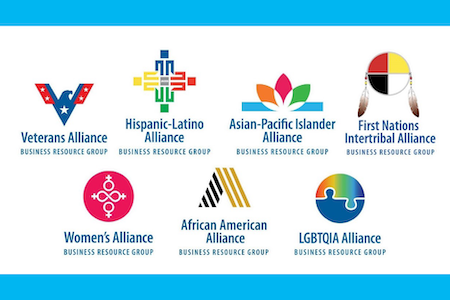
UT Southwestern’s Business Resource Groups (BRGs) and mentorship program leave lasting impact Published on: May 14, 2024 Share Share on Facebook Share on Twitter Share on LinkedIn Email this page Print this page UT Southwestern’s Business Resource Groups (BRGs) were created to offer a positive, inclu…
Don’t fall victim to credential stuffing: Information Security Awareness - UT Southwestern, Dallas, Texas
https://www.utsouthwestern.edu/employees/information-security/awareness/updates/credential-stuffing.html

“Credential stuffing” refers to a cybercriminal using stolen username and password combinations obtained from data breaches to access other online services and websites.
Practice good laptop security: Information Security Awareness - UT Southwestern, Dallas, Texas
https://www.utsouthwestern.edu/employees/information-security/awareness/updates/practice-laptop-security.html

Mobile devices and laptops are susceptible to theft and loss. The greatest risk to laptop security is typically leaving a computer in an unattended location such as an airport, hotel, restaurant, or inside a vehicle.
Online Donations: Information Security Awareness - UT Southwestern, Dallas, Texas
https://www.utsouthwestern.edu/employees/information-security/awareness/updates/online-donations.html

It is easier than ever to support the charity of your choice with online donations. It is also easier than ever for scammers to masquerade as a charity and take advantage of those who want to help in a disaster. Spotting fake charity campaigns can be difficult.
Fake Error Messages: Information Security Awareness - UT Southwestern, Dallas, Texas
https://www.utsouthwestern.edu/employees/information-security/awareness/updates/fake-error-message.html

Cybercriminals create fake error messages to lure users into installing malware while web browsing or opening a document. The errors may use convincing branding and content. Since the messages appear legitimate and offer a way to fix a problem, the user may be inclined to follow the directions.