
Search
Studies identify lipids necessary for immune molecule activation: Newsroom - UT Southwestern, Dallas, Texas
https://www.utsouthwestern.edu/newsroom/articles/year-2026/feb-lipids-immune-molecule-activation.html
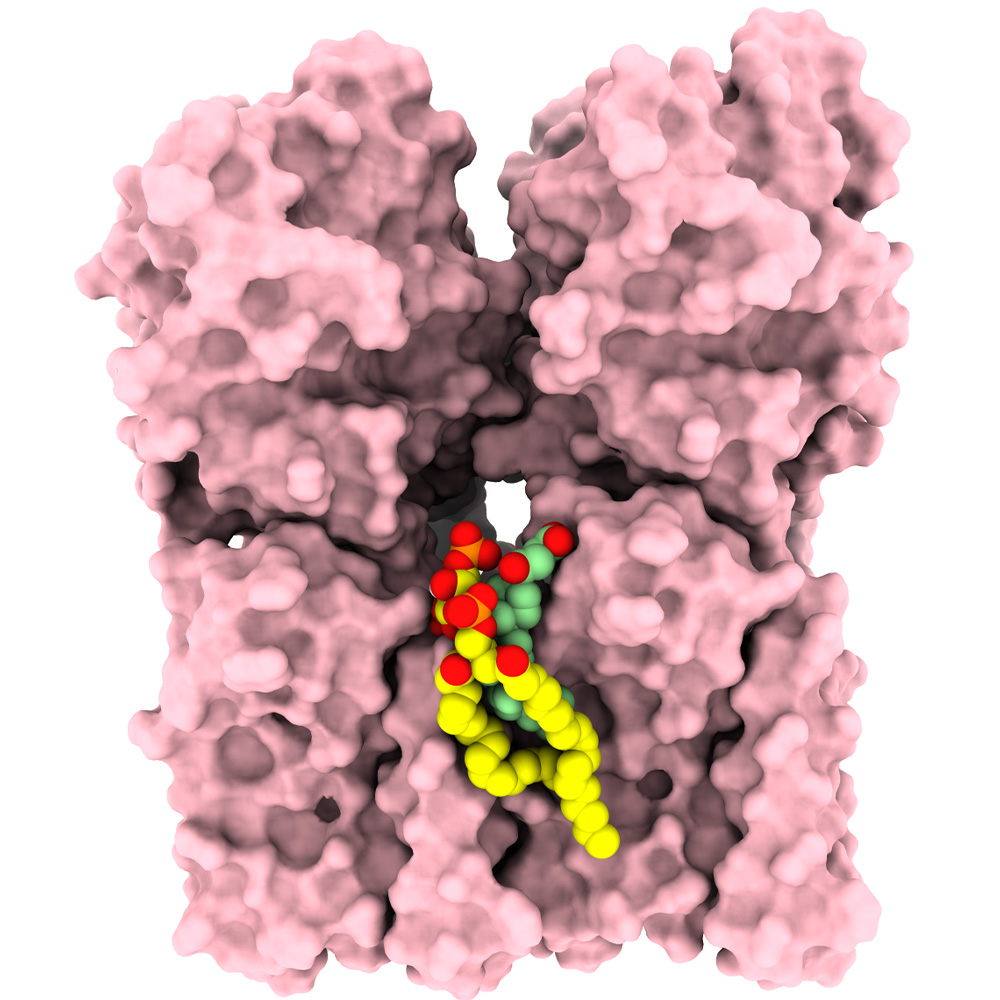
UT Southwestern Medical Center researchers have identified two lipids that work together with a quintessential protein known as stimulator of interferon genes (STING) to launch an immune response in the human body.
60 or older? Super Bowl LX parties offer a chance to kick off better health: Newsroom - UT Southwestern, Dallas, Texas
https://www.utsouthwestern.edu/newsroom/articles/year-2026/feb-superbowl-kick-off-better-health.html

If you’ve been around as long as the Super Bowl, which turns 60 this year, your seventh decade marks a great opportunity for you to get serious about those healthier lifestyle changes you’ve been putting off.
Maternal Health Accelerator raises nearly $25 million to improve maternal morbidity rates in North Texas: Newsroom - UT Southwestern, Dallas, Texas
https://www.utsouthwestern.edu/newsroom/articles/year-2025/nov-mha-maternal-morbidity-rates.html
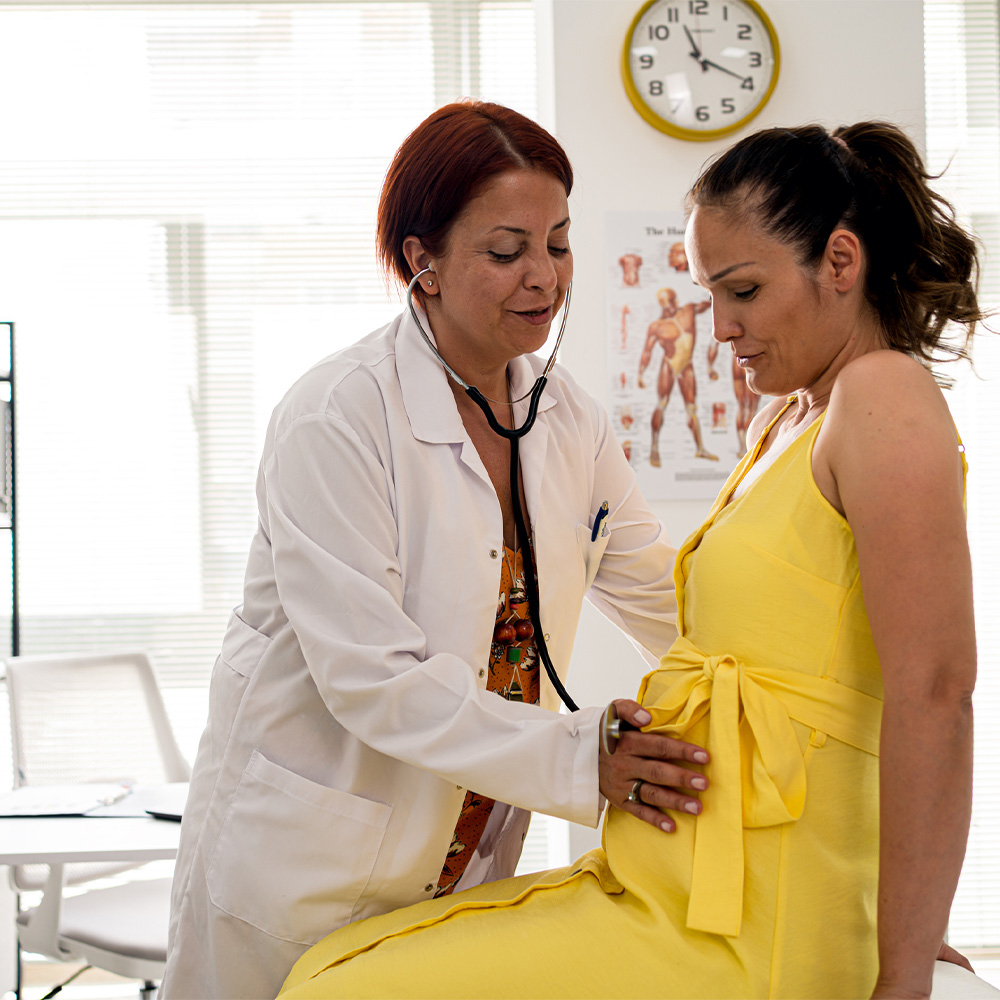
The Anne Burnett Marion School of Medicine at Texas Christian University and UT Southwestern Medical Center have joined forces to address some of the highest maternal morbidity rates in the country by forming the North Texas Maternal Health Accelerator (MHA).
Circadian gene may be a key to humans’ unique cognitive abilities: Newsroom - UT Southwestern, Dallas, Texas
https://www.utsouthwestern.edu/newsroom/articles/year-2025/july-circadian-gene-cognitive-abilities.html
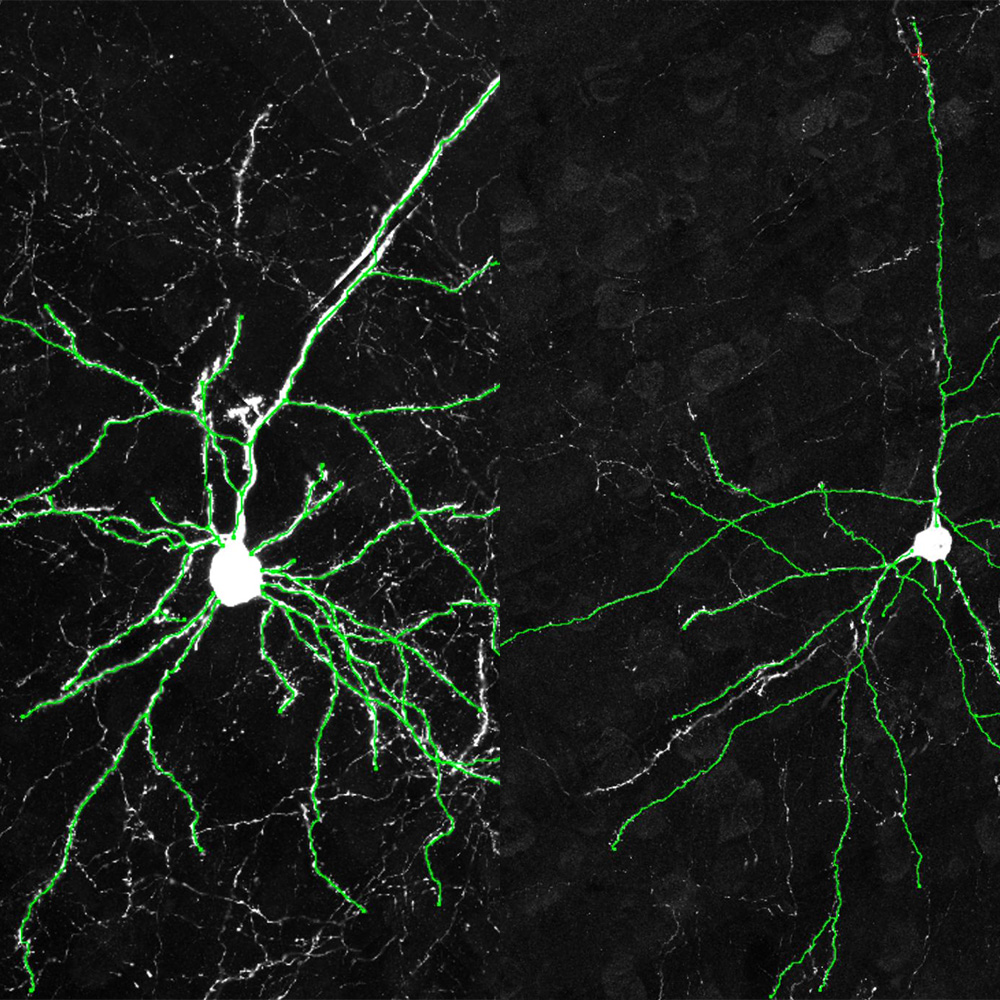
The CLOCK gene, which serves as a master controller of circadian rhythms, may play a key role in the extraordinary cognitive abilities of humans as well as neuropsychiatric disorders that afflict them, UT Southwestern Medical Center researchers report.
Heat-related illnesses among children on the rise : Newsroom - UT Southwestern, Dallas, Texas
https://www.utsouthwestern.edu/newsroom/articles/year-2025/july-heat-related-illnesses-children.html

Higher summer temperatures are resulting in more children seeking emergency care for heat-related illnesses, with nearly 1 in 5 needing hospitalization, according to new research from UT Southwestern Medical Center published in Academic Pediatrics.
Presurgical vaccine may prevent orthopedic device infections: Newsroom - UT Southwestern, Dallas, Texas
https://www.utsouthwestern.edu/newsroom/articles/year-2025/dec-presurgical-vaccine-orthopedic-device-infections.html
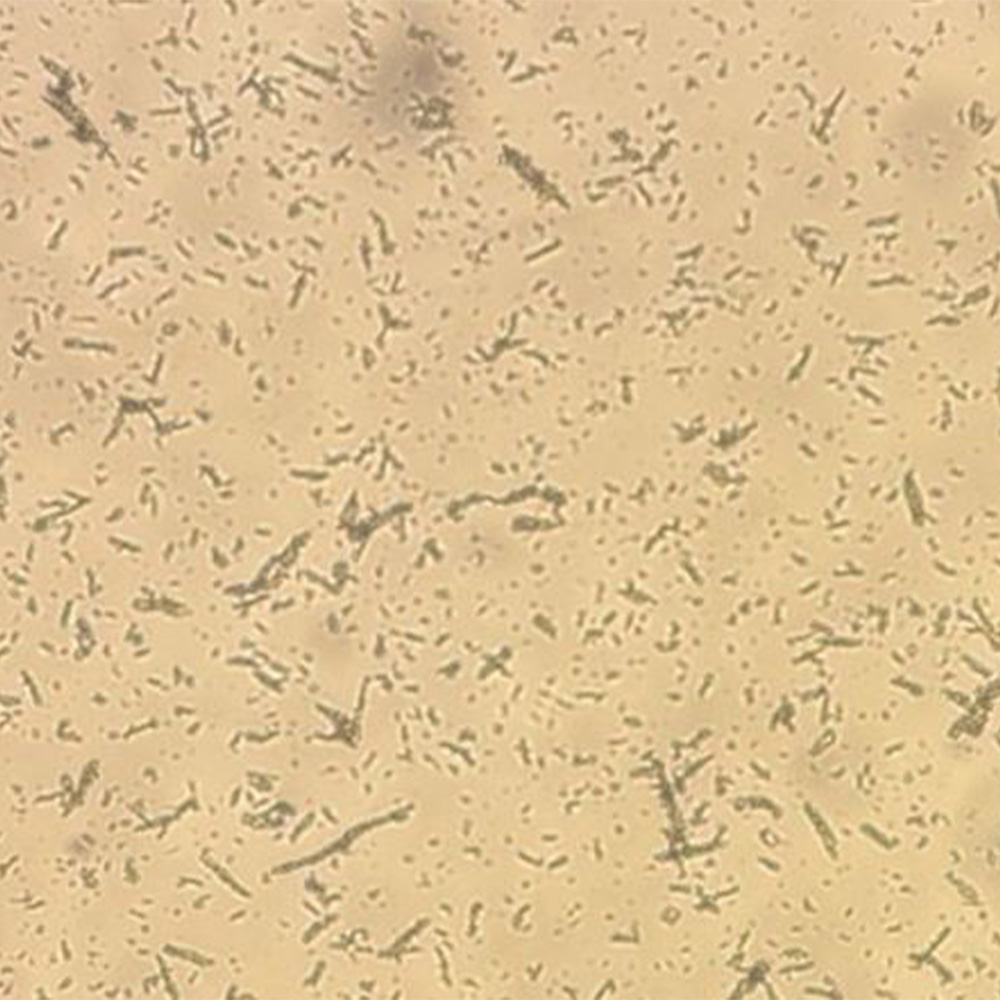
A UT Southwestern Medical Center researcher and his colleagues developed a novel presurgical vaccine strategy that may prevent dangerous infections in patients receiving hip, knee, and other joint replacements.
The secret lives of bacteria: How they evade viral attack : Newsroom - UT Southwestern, Dallas, Texas
https://www.utsouthwestern.edu/newsroom/articles/year-2025/aug-bacteria-evad-viral-attack.html
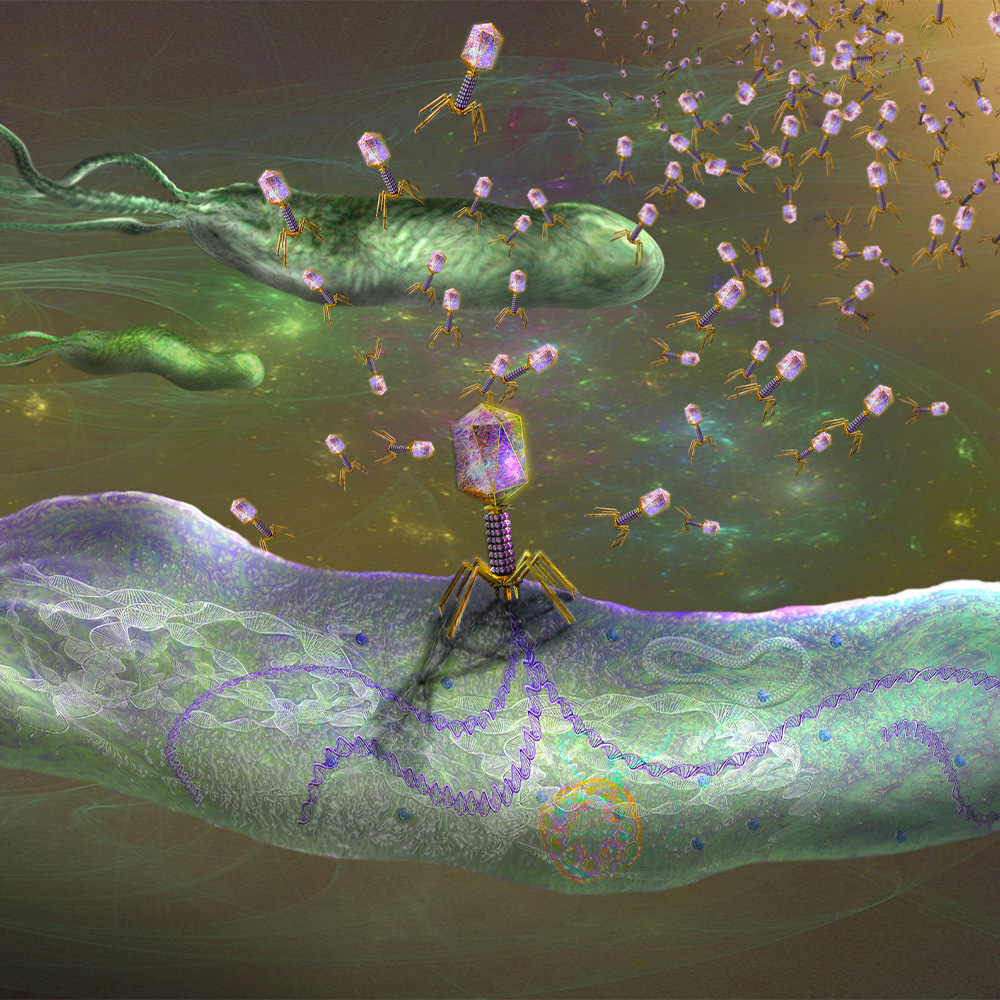
Researchers at UT Southwestern Medical Center have identified more than 200 strategies bacteria use to avoid viral infection. Their findings, published in Cell Host & Microbe, shed light on a microbial “arms race” that could lead to new approaches to fight infectious bacteria.
Heat boosts antibiotics’ effectiveness against prosthetic infections: Newsroom - UT Southwestern, Dallas, Texas
https://www.utsouthwestern.edu/newsroom/articles/year-2026/march-heat-boosts-antibiotics-prosthetic-infections.html

Heat generated by alternating magnetic fields (AMF) helps common antibiotics work better against prosthetic joint infections, researchers at UT Southwestern Medical Center found.
Metabolic hormone found to boost resilience against flu symptoms: Newsroom - UT Southwestern, Dallas, Texas
https://www.utsouthwestern.edu/newsroom/articles/year-2025/nov-metabolic-hormone-flu-symptoms.html
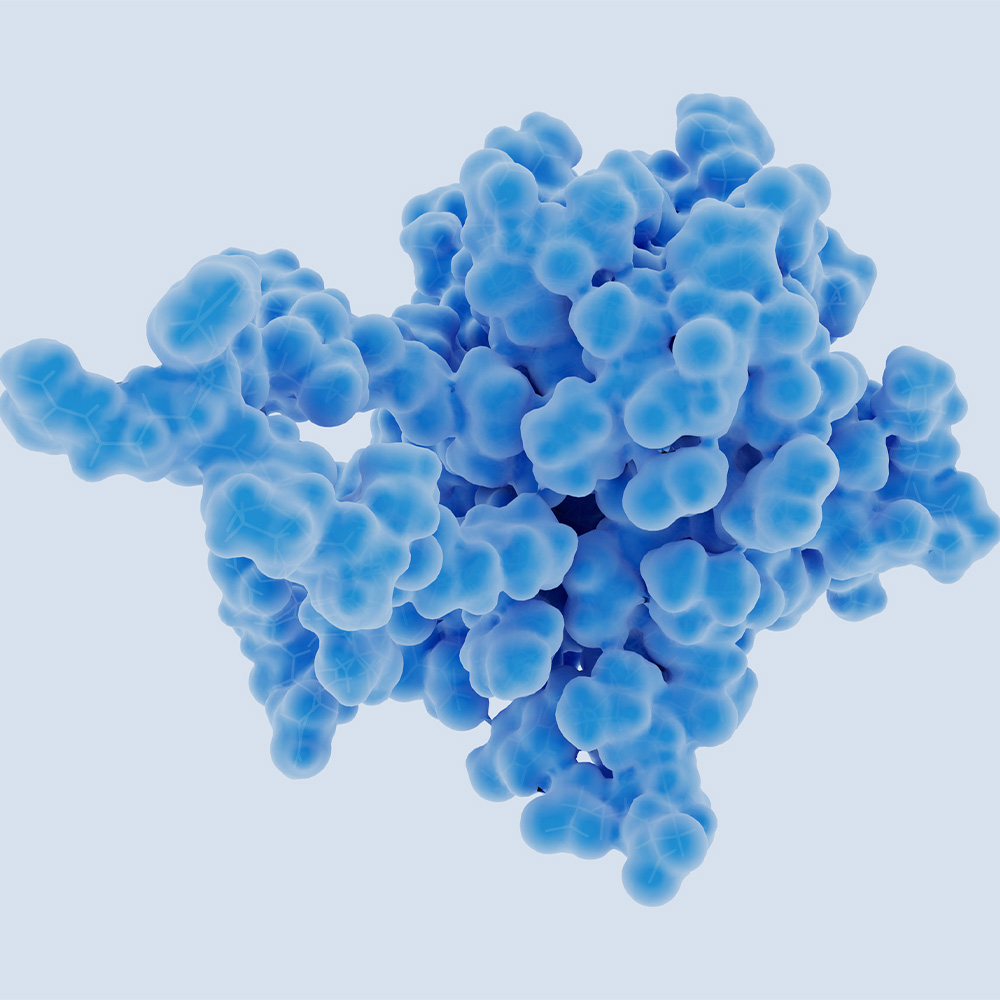
A hormone known for regulating energy balance also helps the body cope with influenza by triggering protective responses in the brain, a study led by UT Southwestern Medical Center researchers shows.
Household mold linked to inflammatory lung disease: Newsroom - UT Southwestern, Dallas, Texas
https://www.utsouthwestern.edu/newsroom/articles/year-2025/july-household-mold-inflammatory-lung-disease.html

Mold growth in homes is a significant trigger for hypersensitivity pneumonitis (HP), an inflammatory lung disease, according to a new study led by UT Southwestern Medical Center. Published in PLOS One, the research represents the largest study to date linking home mold exposure to HP and the first from North Texas.