
Search
Persistent hunger may be behind weight regain after loss: Newsroom - UT Southwestern, Dallas, Texas
https://www.utsouthwestern.edu/newsroom/articles/year-2026/may-weight-regain.html

Weight that was regained after it had been lost may be the result of persistent, biologically driven hunger, according to a study led by a UT Southwestern Medical Center researcher.
How an experimental drug reverses fatty liver disease: Newsroom - UT Southwestern, Dallas, Texas
https://www.utsouthwestern.edu/newsroom/articles/year-2024/feb-experimental-drug-reverses-fatty-liver-disease.html
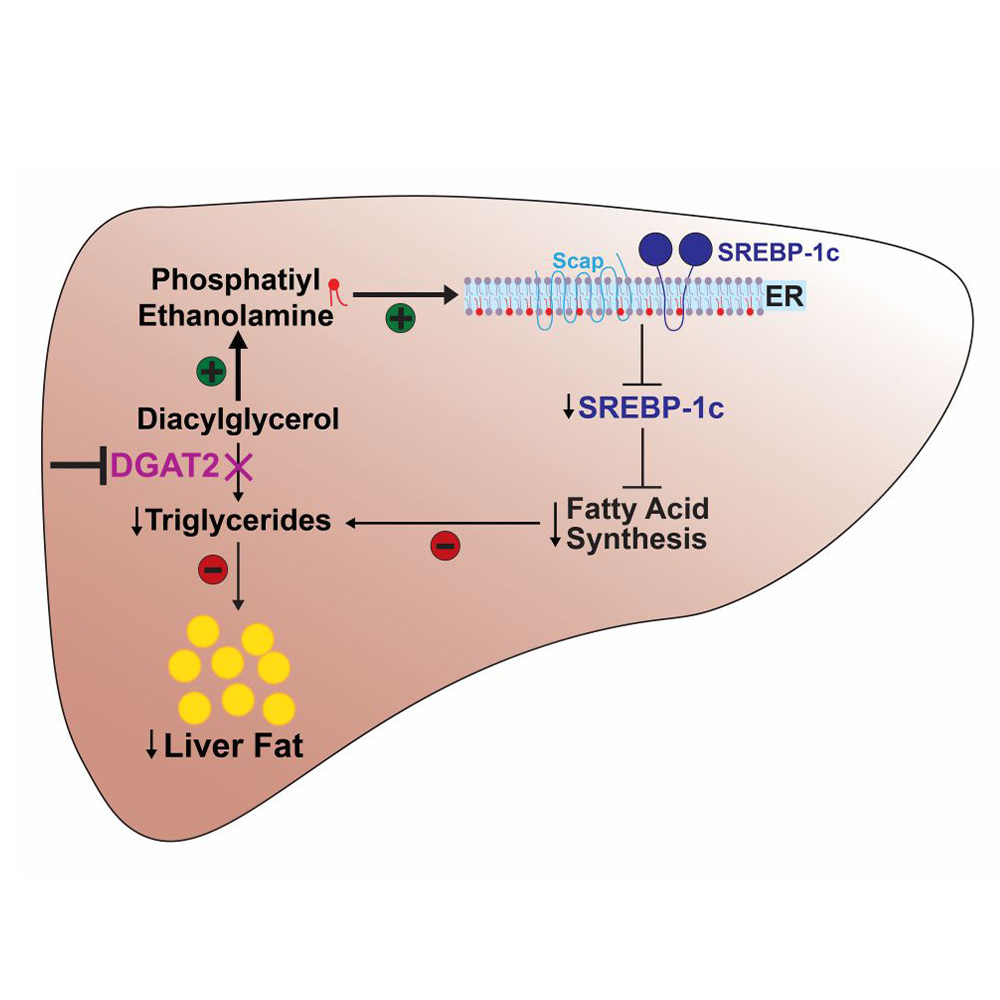
A drug in clinical trials as a treatment for metabolic dysfunction-associated steatotic liver disease (MASLD) works with a one-two punch that shuts down triglyceride production and fatty acid synthesis in liver cells, UT Southwestern Medical Center researchers show in a new study.
Simmons Cancer Center, MD Anderson scientists develop artificial intelligence method to predict anti-cancer immunity: Newsroom - UT Southwestern, Dallas, Texas
https://www.utsouthwestern.edu/newsroom/articles/year-2021/artificial-intelligence-method-to-predict-anti-cancer-immunity.html
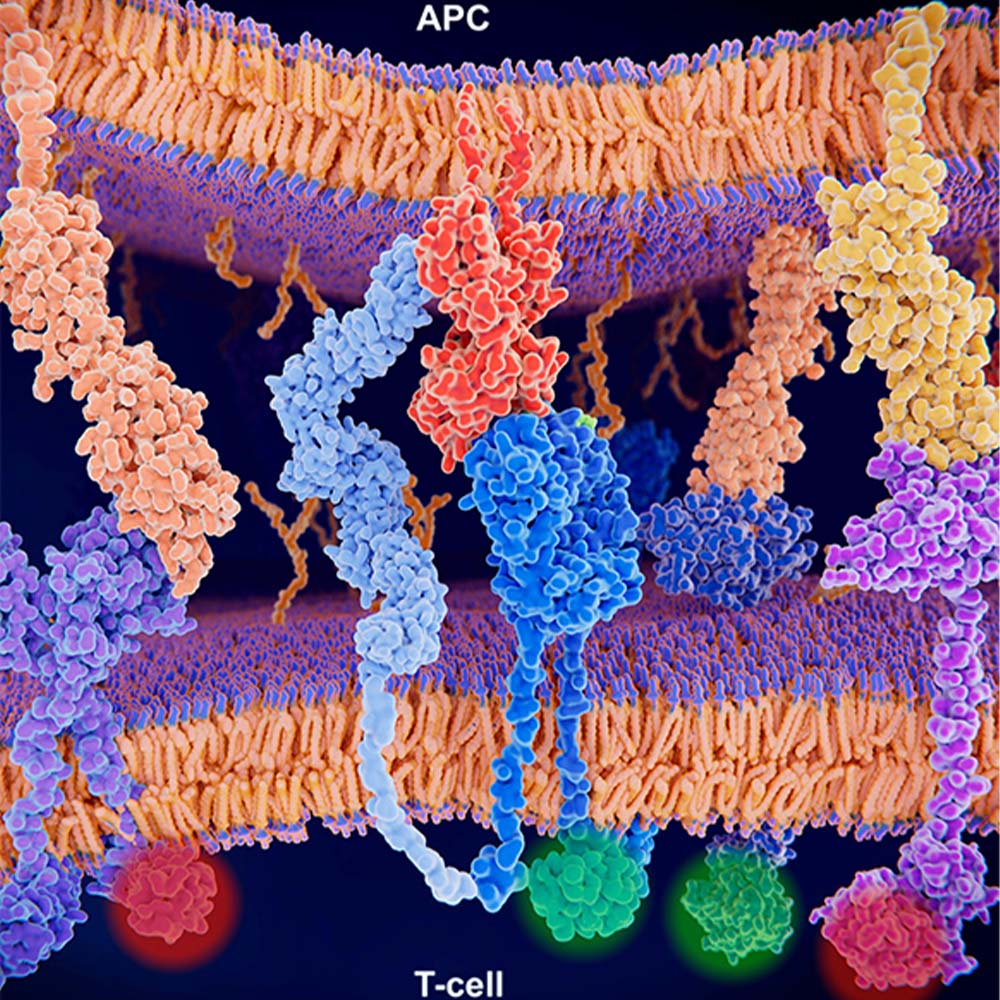
Researchers and data scientists at UT Southwestern Medical Center and MD Anderson Cancer Center have developed an artificial intelligence technique that can identify which cell surface peptides produced by cancer cells called neoantigens are recognized by the immune system.
UTSW Research: Kidney stones, cancer diagnoses, and brain injury
https://www.utsouthwestern.edu/newsroom/articles/year-2026/april-kidney-stones-cancer-diagnoses-brain-injury.html
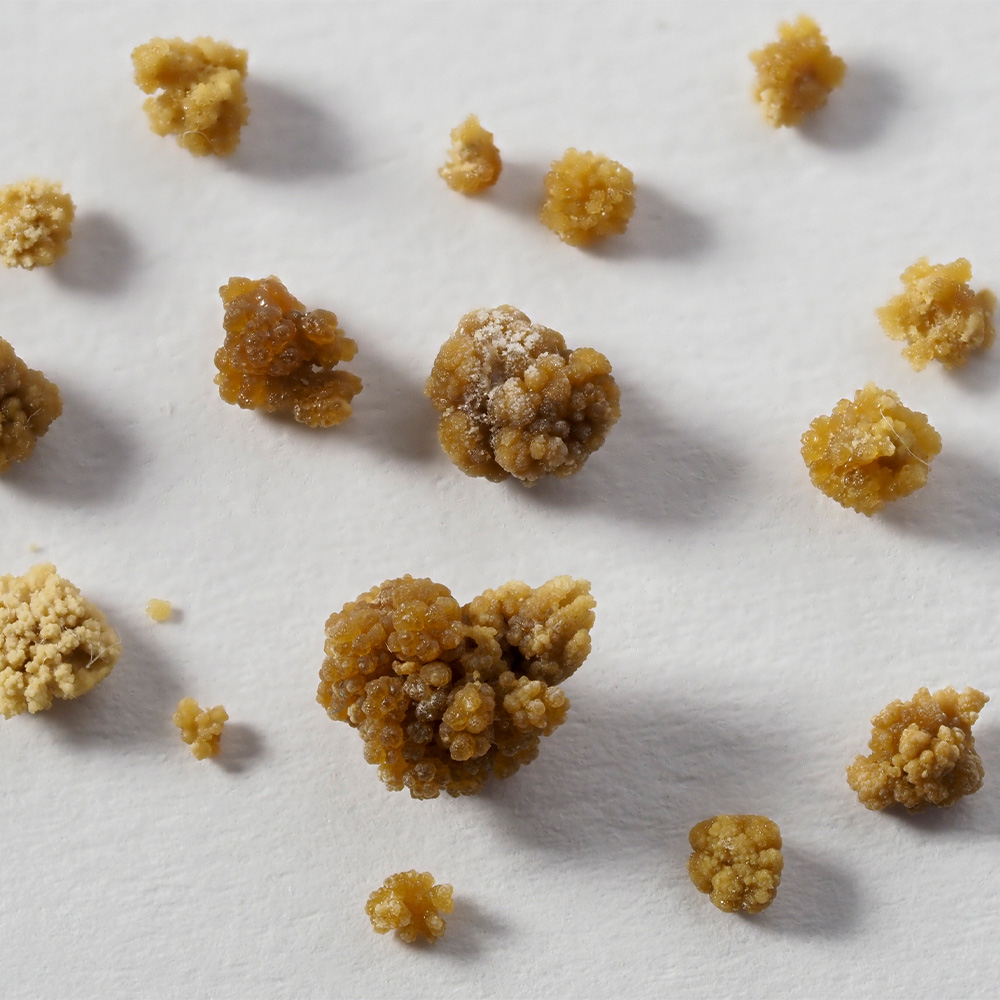
About 1 in 11 people in the U.S. experience urinary stone disease – more commonly known as kidney stones – according to the National Institute of Diabetes and Digestive and Kidney Diseases. Increasing fluid intake has long been recommended to decrease the risk of recurrence in those who develop this painful condition. However, studies have shown that maintaining high fluid intake can be difficult.
How the brain remembers right place, right time: Newsroom - UT Southwestern, Dallas, Texas
https://www.utsouthwestern.edu/newsroom/articles/year-2020/how-the-brain-remembers-right-place-right-time.html
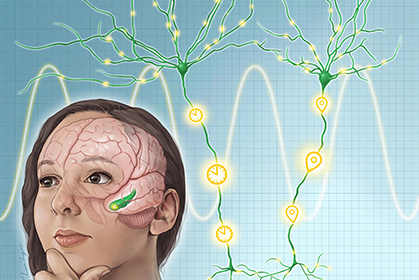
Two studies led by UT Southwestern researchers shed new light on how the brain encodes time and place into memories.
Aspirin use best for those with high coronary calcium, low risk of bleeding : Newsroom - UT Southwestern, Dallas, Texas
https://www.utsouthwestern.edu/newsroom/articles/year-2020/aspirin-use-best-for-those-with-high-coronary-calcium.html
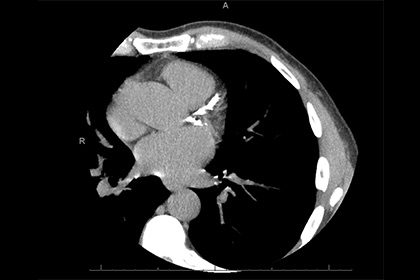
An X-ray test commonly used to assess hardening of the arteries could help doctors decide whether the benefits of taking aspirin to prevent a first heart attack or stroke outweigh the risks of bleeding from its use, UT Southwestern research suggests.
Tumor mutation associated with drug-resistant liver cancer, UT Southwestern study finds: Newsroom - UT Southwestern, Dallas, Texas
https://www.utsouthwestern.edu/newsroom/articles/year-2023/june-tumor-mutation-drug-resistant-liver-cancer.html
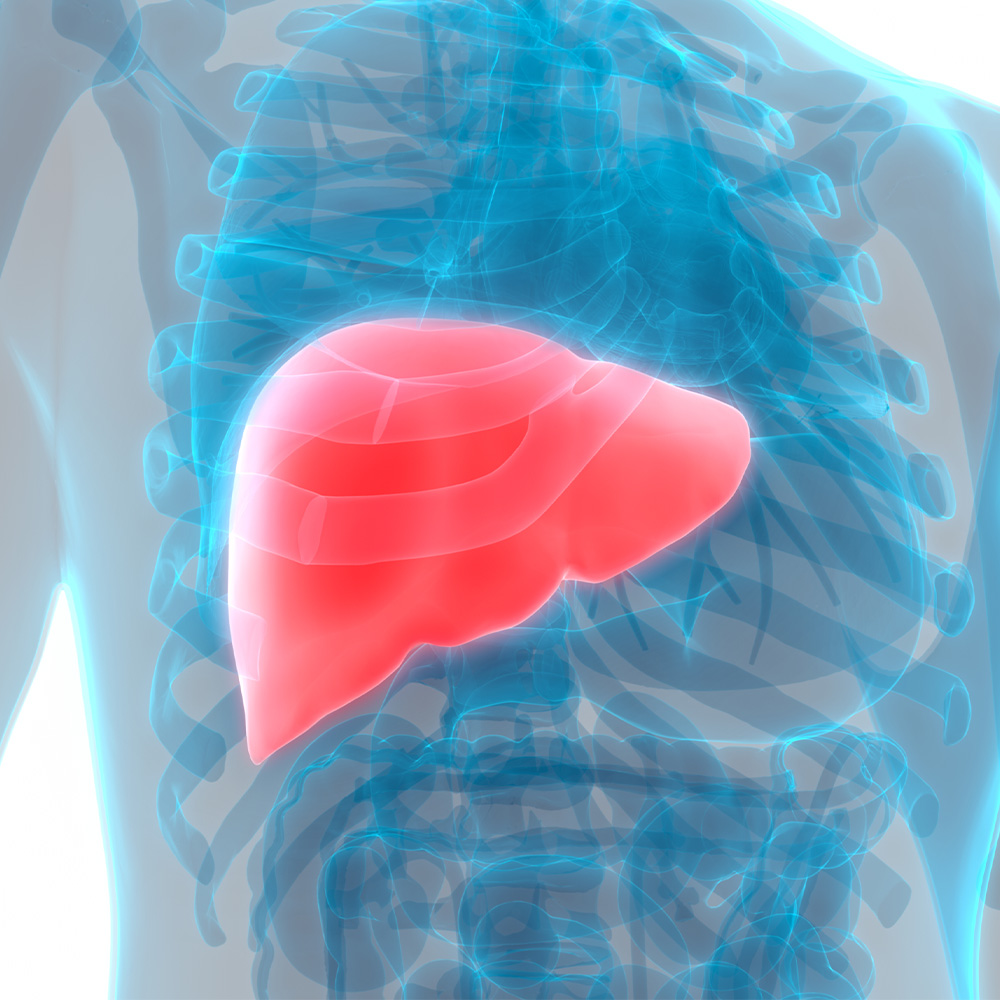
A genetic marker discovered by UT Southwestern Medical Center researchers could help physicians predict which patients with hepatocellular carcinoma are most likely to develop resistance to the drug lenvatinib. The finding, published in the journal Gastroenterology, may lead to alternative treatments for the most common form of liver cancer.
UT Southwestern brings first-of-its-kind radiation oncology to new $177M campus in Fort Worth Medical District : Newsroom - UT Southwestern, Dallas, Texas
https://www.utsouthwestern.edu/newsroom/articles/year-2024/nov-rad-onc-ft-worth-medical-district.html
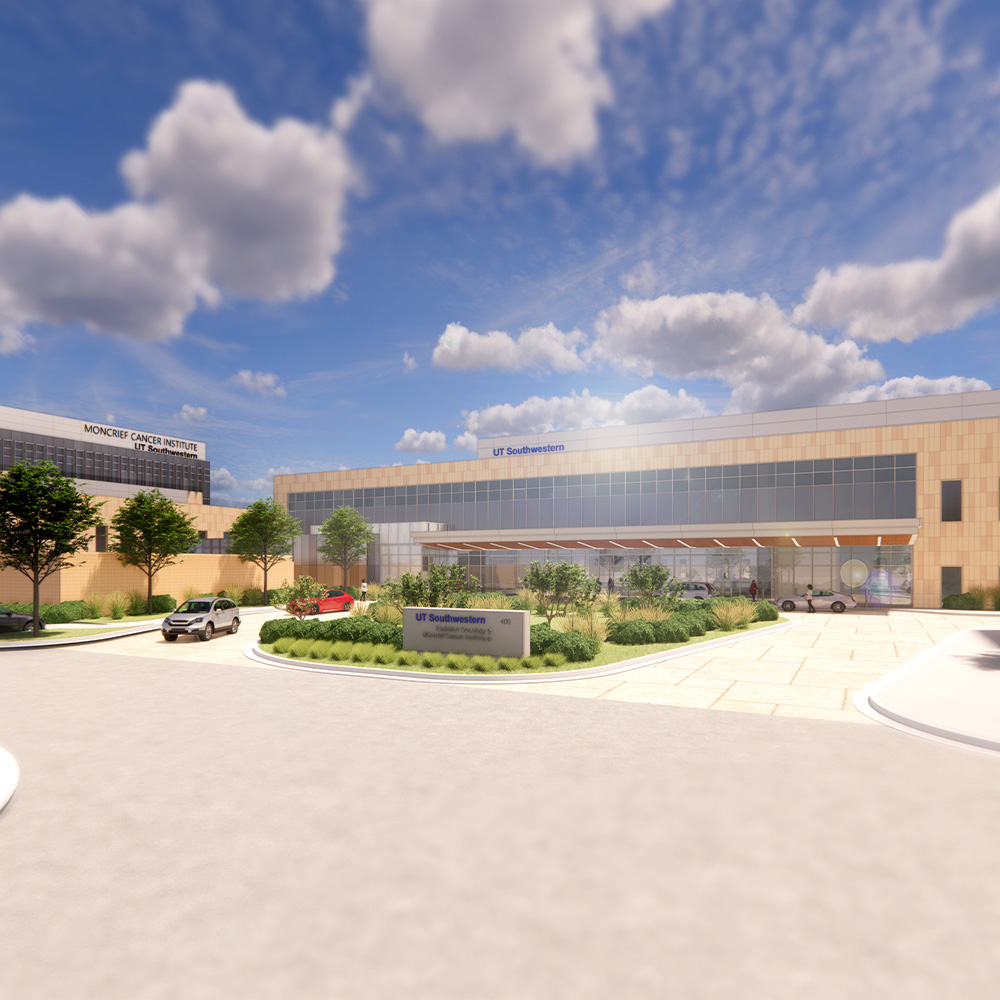
To meet the growing demands for cancer treatment in Tarrant County and surrounding areas, UT Southwestern Medical Center is expanding its cancer services in the Fort Worth Medical District with construction of a new two-story Radiation Oncology campus that will house the city’s first MRI-guided precision radiation treatment.
Researchers identify mechanism by which exercise strengthens bones and immunity: Newsroom - UT Southwestern, Dallas, Texas
https://www.utsouthwestern.edu/newsroom/articles/year-2021/researchers-identify-mechanism-by-which-exercise-strengthens-bones-and-immunity.html
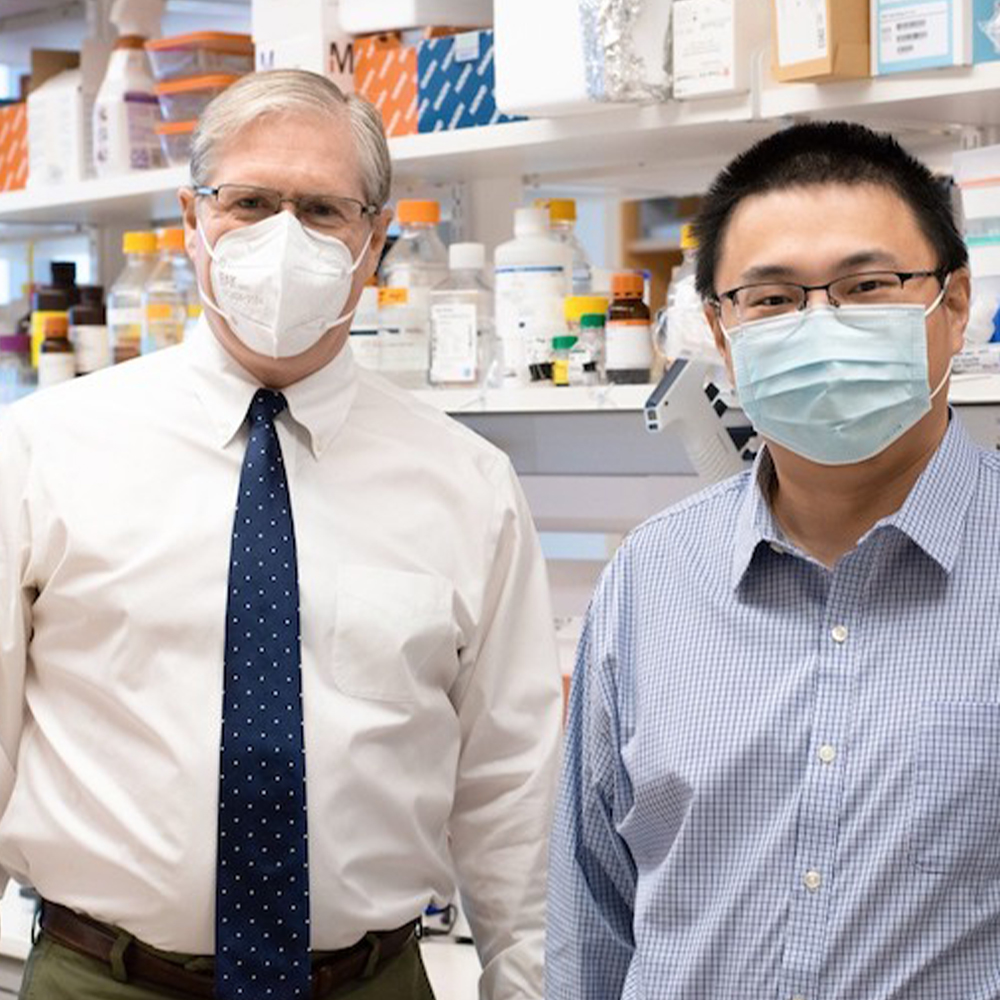
Scientists at the Children’s Medical Center Research Institute at UT Southwestern (CRI) have identified the specialized environment, known as a niche, in the bone marrow where new bone and immune cells are produced.
Advanced MRI scans may improve treatment of tremor, Parkinson's disease: Newsroom - UT Southwestern, Dallas, Texas
https://www.utsouthwestern.edu/newsroom/articles/year-2020/advanced-mri-scans-may-improve-treatment-of-tremor-parkinsons-disease.html
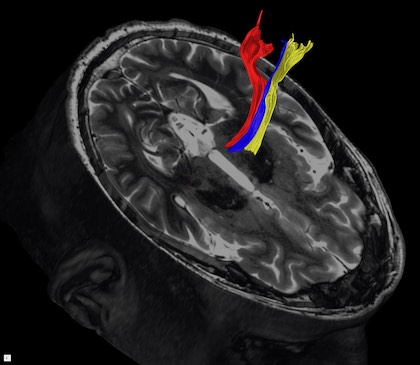
Recently developed MRI techniques used to more precisely target a small area in the brain linked to Parkinson’s disease.