
Search
CRI scientists link hematopoietic cell transplant deaths to beta-blocker use: Newsroom - UT Southwestern, Dallas, Texas
https://www.utsouthwestern.edu/newsroom/articles/year-2024/dec-beta-blocker.html
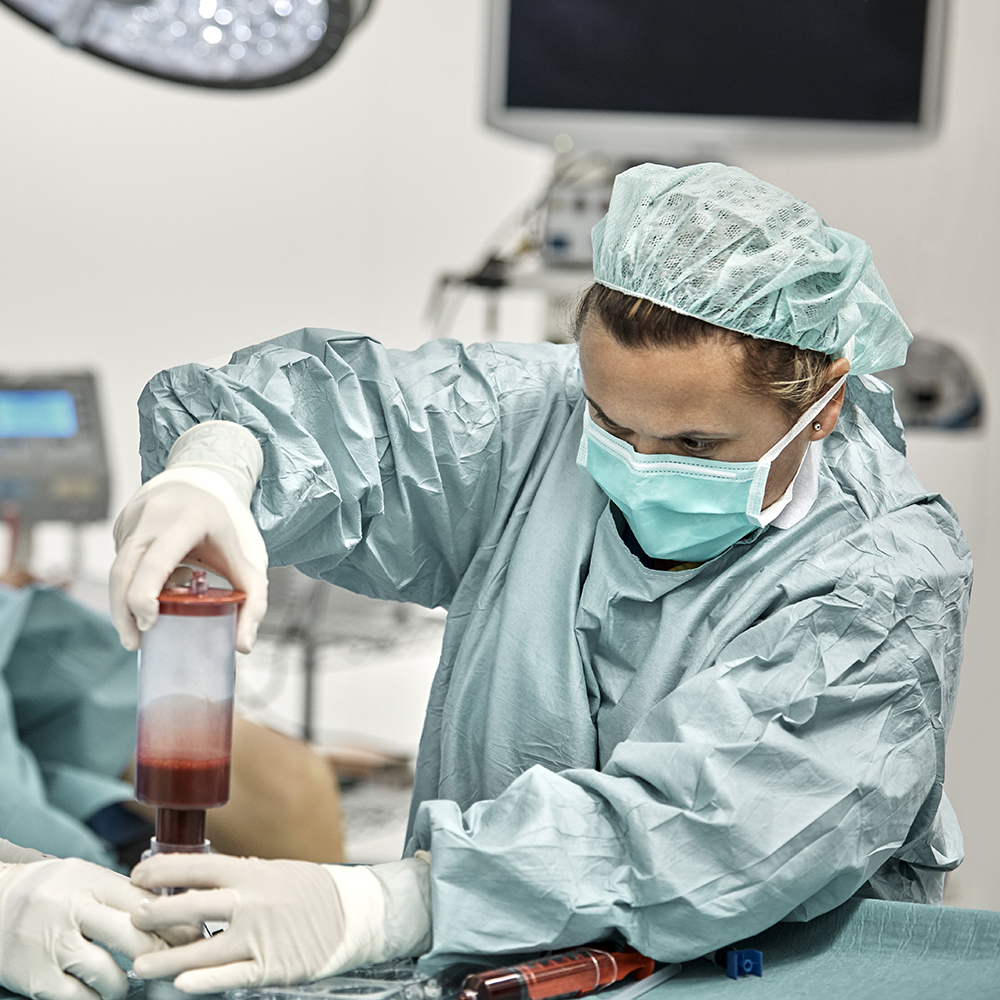
Patients can die if they take certain previously prescribed beta-blockers during a hematopoietic cell transplant due to suppressed signals from nerves that promote bone marrow regeneration.
UT Southwestern biochemist Zhijian ‘James’ Chen, Ph.D., earns prestigious Lasker Award
https://www.utsouthwestern.edu/newsroom/articles/year-2024/sept-lasker-award.html
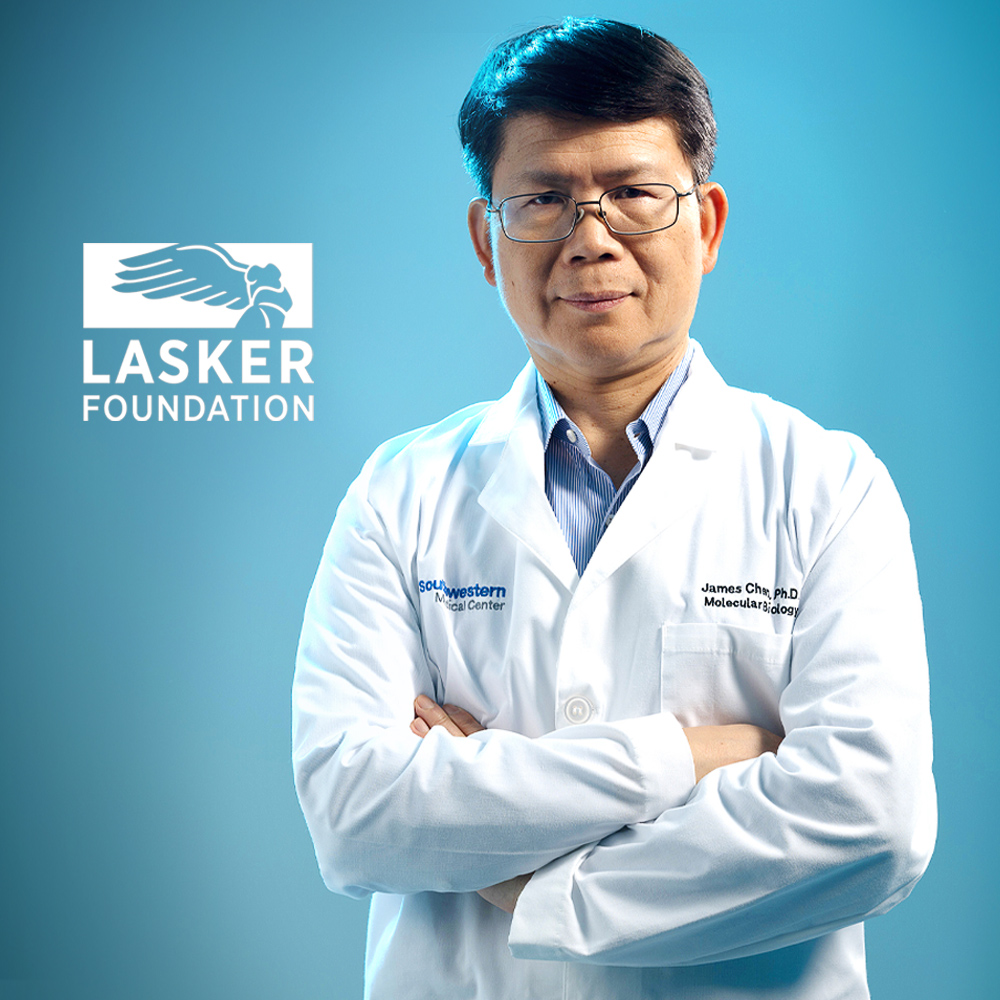
Zhijian “James” Chen, Ph.D., Professor of Molecular Biology and Director of the Center for Inflammation Research at UT Southwestern Medical Center, has been awarded the Albert Lasker Basic Medical Research Award for his discovery of the cGAS enzyme, which senses invading pathogens and triggers the body’s innate immune system.
New AI tool may help detect early signs of dementia: Newsroom - UT Southwestern, Dallas, Texas
https://www.utsouthwestern.edu/newsroom/articles/year-2024/may-ai-dementia.html
A novel speech analysis tool that uses artificial intelligence was highly accurate in detecting mild cognitive impairment and dementia in a Spanish-speaking population, according to research led by UT Southwestern Medical Center.
Match Day magic: UTSW students earn top residency spots : Newsroom - UT Southwestern, Dallas, Texas
https://www.utsouthwestern.edu/newsroom/articles/year-2024/march-match-day.html
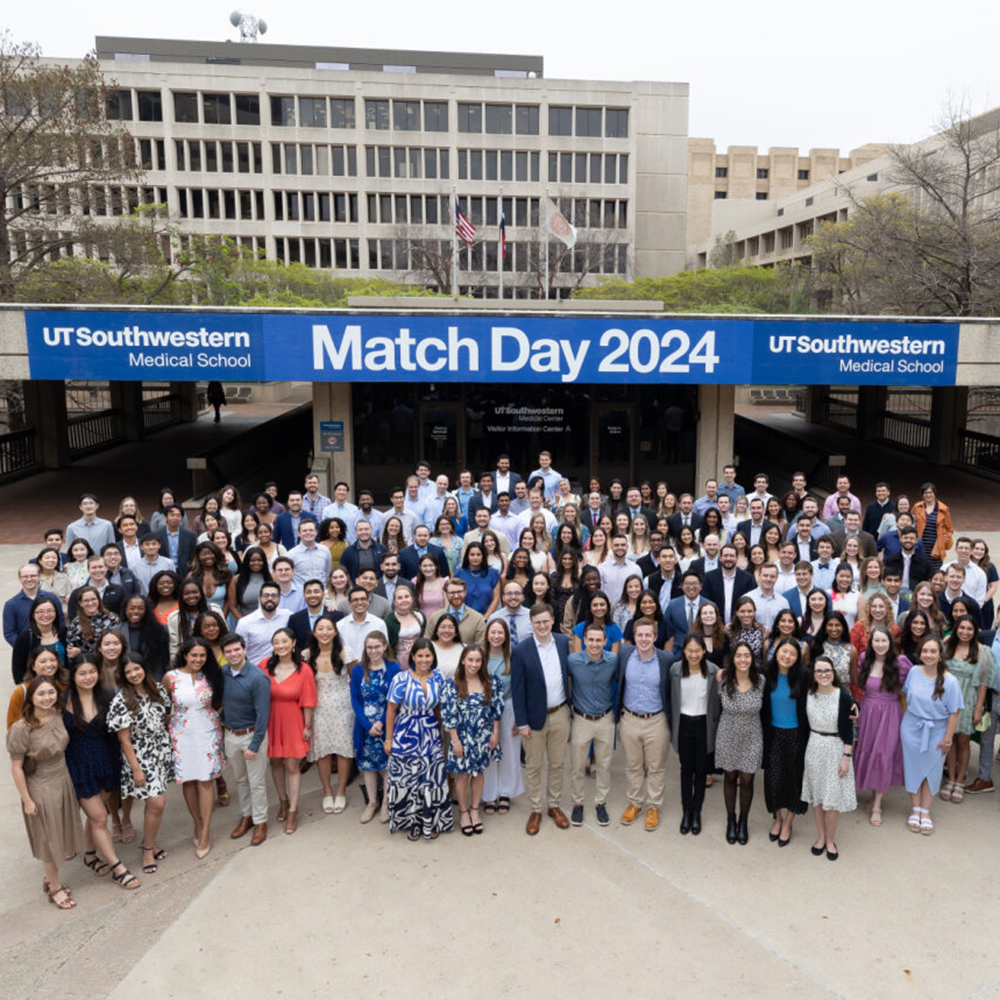
At exactly 11 a.m. Friday, surrounded by family, friends, and mentors, 224 members of UT Southwestern Medical School’s Class of 2024 – who all embarked on their medical education during the height of the COVID-19 pandemic – learned where they will continue their medical training.
UTSW, other leading medical centers create AI consortium: Newsroom - UT Southwestern, Dallas, Texas
https://www.utsouthwestern.edu/newsroom/articles/year-2024/march-train-consortium.html
UT Southwestern Medical Center has joined more than a dozen leading medical centers and Microsoft to form the Trustworthy & Responsible AI Network (TRAIN), a national group designed to set standards and safely explore applications of artificial intelligence (AI) in health care.
UT System initiative funds trauma research to improve care: Newsroom - UT Southwestern, Dallas, Texas
https://www.utsouthwestern.edu/newsroom/articles/year-2024/june-trauma-research.html
A new initiative funded by The University of Texas System and the state of Texas seeks to improve care for trauma patients.
Gut microbiome offers clues to disparities in rectal cancer: Newsroom - UT Southwestern, Dallas, Texas
https://www.utsouthwestern.edu/newsroom/articles/year-2024/march-gut-microbiome.html
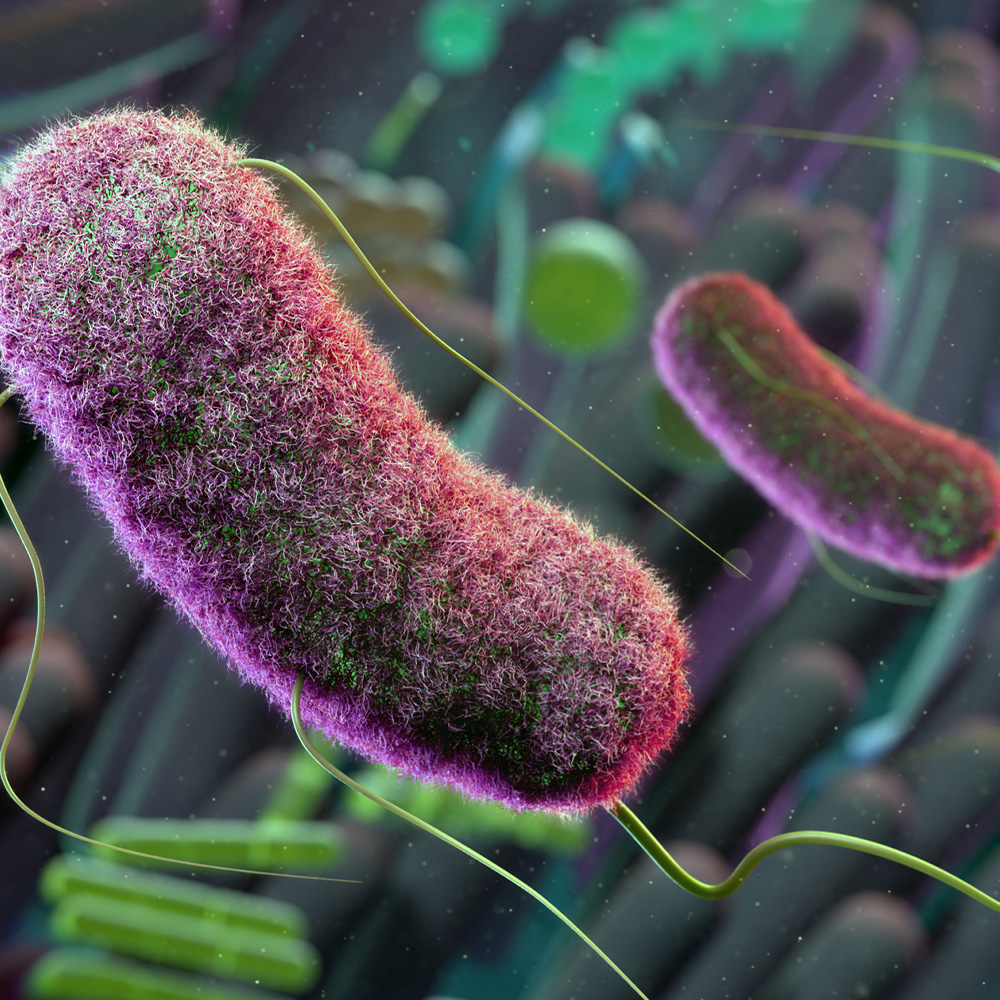
The composition of the gut microbiomes in a group of rectal cancer patients reveals distinct signatures by race, ethnicity, and age of onset, with white Hispanics showing significant presence of one specific bacteria, UT Southwestern Medical Center researchers report.
Simmons Cancer Center awarded nearly $19 million in CPRIT funding: Newsroom - UT Southwestern, Dallas, Texas
https://www.utsouthwestern.edu/newsroom/articles/year-2024/march-cprit-funding.html
Nine scientists and physicians in the Harold C. Simmons Comprehensive Cancer Center at UT Southwestern Medical Center have been awarded nearly $13 million in grants from the Cancer Prevention and Research Institute of Texas (CPRIT) to support research and prevention efforts on a wide range of cancer issues.
ChatGPT can extract data from clinical notes: Newsroom - UT Southwestern, Dallas, Texas
https://www.utsouthwestern.edu/newsroom/articles/year-2024/may-chatgpt-data.html
ChatGPT, the artificial intelligence (AI) chatbot designed to assist with language-based tasks, can effectively extract data for research purposes from physicians’ clinical notes, UT Southwestern Medical Center researchers report in a new study.
Drug targeting clear cell renal cell carcinoma shows promising approach: Newsroom - UT Southwestern, Dallas, Texas
https://www.utsouthwestern.edu/newsroom/articles/year-2024/april-drug-targeting.html
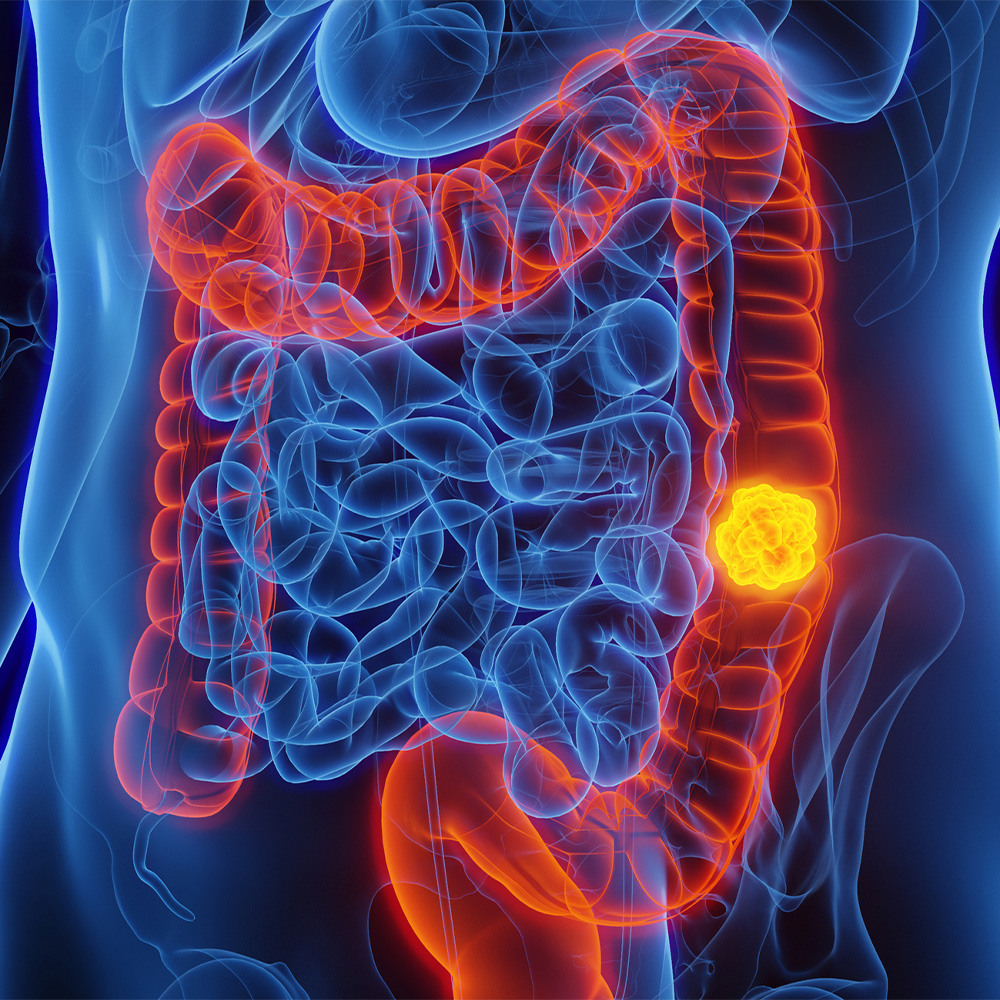
– In a groundbreaking phase one clinical trial led by UT Southwestern Medical Center, a short interfering RNA (siRNA) drug directed to tumor cells, ARO-HIF2, effectively disrupted HIF2α, a key driver of clear cell renal cell carcinoma (ccRCC).