
Search
Travel history should become routine in medical assessments to slow pandemics’ spread: Newsroom - UT Southwestern, Dallas, Texas
https://www.utsouthwestern.edu/newsroom/articles/year-2020/travel-history.html
Integrating travel history information into routine medical assessments could help stem the rapidly widening COVID-19 epidemic, as well as future pandemics, infectious disease specialists recommend in the Annals of Internal Medicine.
Super Bowl parties can be nutritious, healthy: Newsroom, UT Southwestern, Dallas, Texas
https://www.utsouthwestern.edu/newsroom/articles/year-2020/super-bowl-parties.html
it’s important to have a game plan before tackling the Super Bowl spread.
Daylight saving returns amid global debate to end clock change: Newsroom - UT Southwestern, Dallas, Texas
https://www.utsouthwestern.edu/newsroom/articles/year-2020/daylight-saving.html
Daylight saving is approaching again, perhaps for the penultimate time in some countries where a fierce debate is being waged over its impact on health and the economy.
Gulf War illness not caused by depleted uranium from munitions, study shows: Newsroom - UT Southwestern, Dallas, Texas
https://www.utsouthwestern.edu/newsroom/articles/year-2021/gulf-war-illness.html

Inhalation of depleted uranium from exploding munitions did not lead to Gulf War illness (GWI) in veterans deployed in the 1991 Persian Gulf War, a new study co-authored by a leading researcher of the disease at UT Southwestern suggests.
STINGing tumors with nanoparticles: Newsroom - UT Southwestern, Dallas, Texas
https://www.utsouthwestern.edu/newsroom/articles/year-2021/stinging-tumors-with-nanoparticles.html
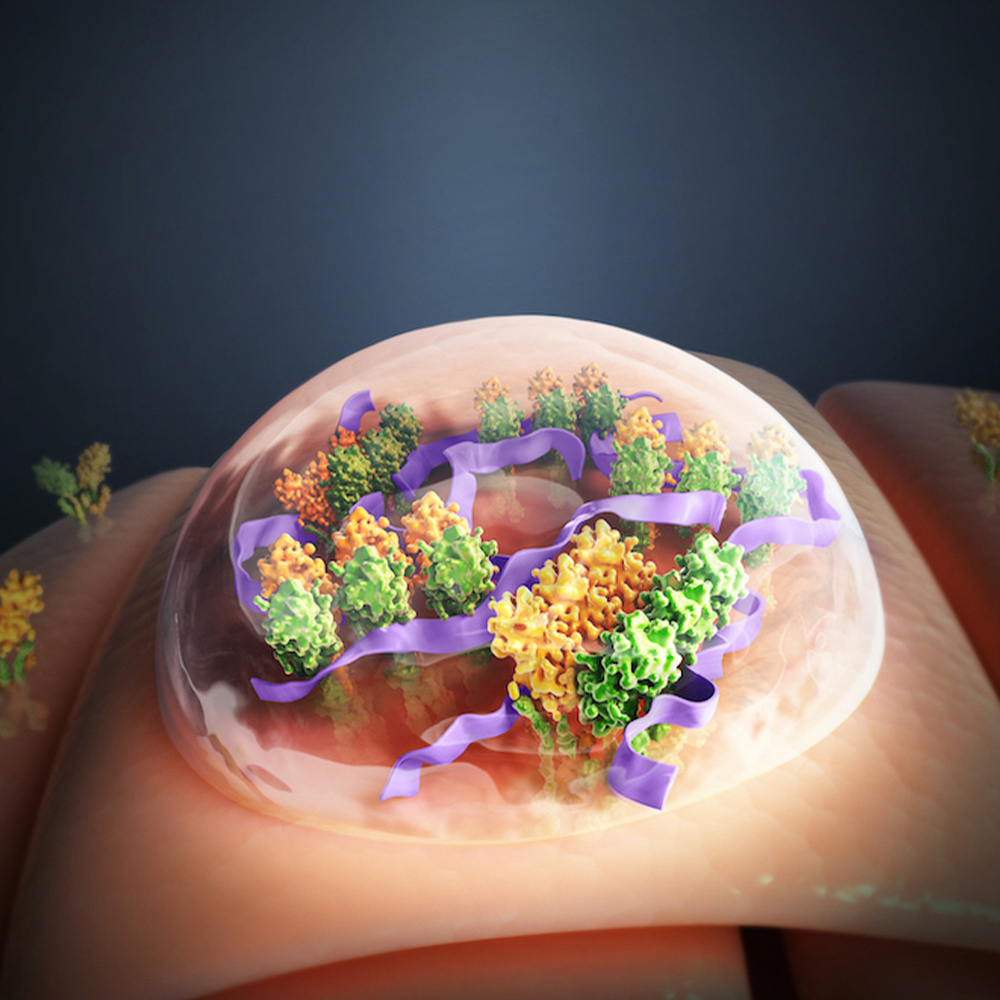
A new nanoparticle-based drug can boost the body’s innate immune system and make it more effective at fighting off tumors, researchers at UT Southwestern have shown.
Get Our News: Newsroom - UT Southwestern, Dallas, Texas
https://www.utsouthwestern.edu/newsroom/get-our-news/form-news.html
Get Our News Need help? If you need assistance, please contact the Communications staff at 214-648-3404 . Receive our UT Southwestern News Releases in your email. First Name × Error: A field is missing data or special characters were used. Please correct. Last Name *Required × Error: A field is missi…
Stomach issues, history of substance abuse found in teen vaping study: Newsroom - UT Southwestern, Dallas, Texas
https://www.utsouthwestern.edu/newsroom/articles/year-2020/teen-vaping-study.html
A study of teens diagnosed with the vaping-linked respiratory disease EVALI revealed that most also had gastrointestinal symptoms and a history of psychosocial factors, including substance abuse.
A different ChIA-PET provides insight into prostate cancer: Newsroom - UT Southwestern, Dallas, Texas
https://www.utsouthwestern.edu/newsroom/articles/year-2020/prostate-cancer.html
UT Southwestern researchers have identified vast webs of small snippets of the genome that interact with each other and with genes to promote prostate cancer.
Distinguishing between two very similar pediatric brain conditions: Newsroom - UT Southwestern, Dallas, Texas
https://www.utsouthwestern.edu/newsroom/articles/year-2021/pediatric-brain-conditions.html

Slight differences in clinical features can help physicians distinguish between two rare but similar forms of autoimmune brain inflammation in children, a new study by UT Southwestern scientists suggests.
New combination drug therapy offers hope against methamphetamine addiction: Newsroom - UT Southwestern, Dallas, Texas
https://www.utsouthwestern.edu/newsroom/articles/year-2021/methamphetamine-addiction.html
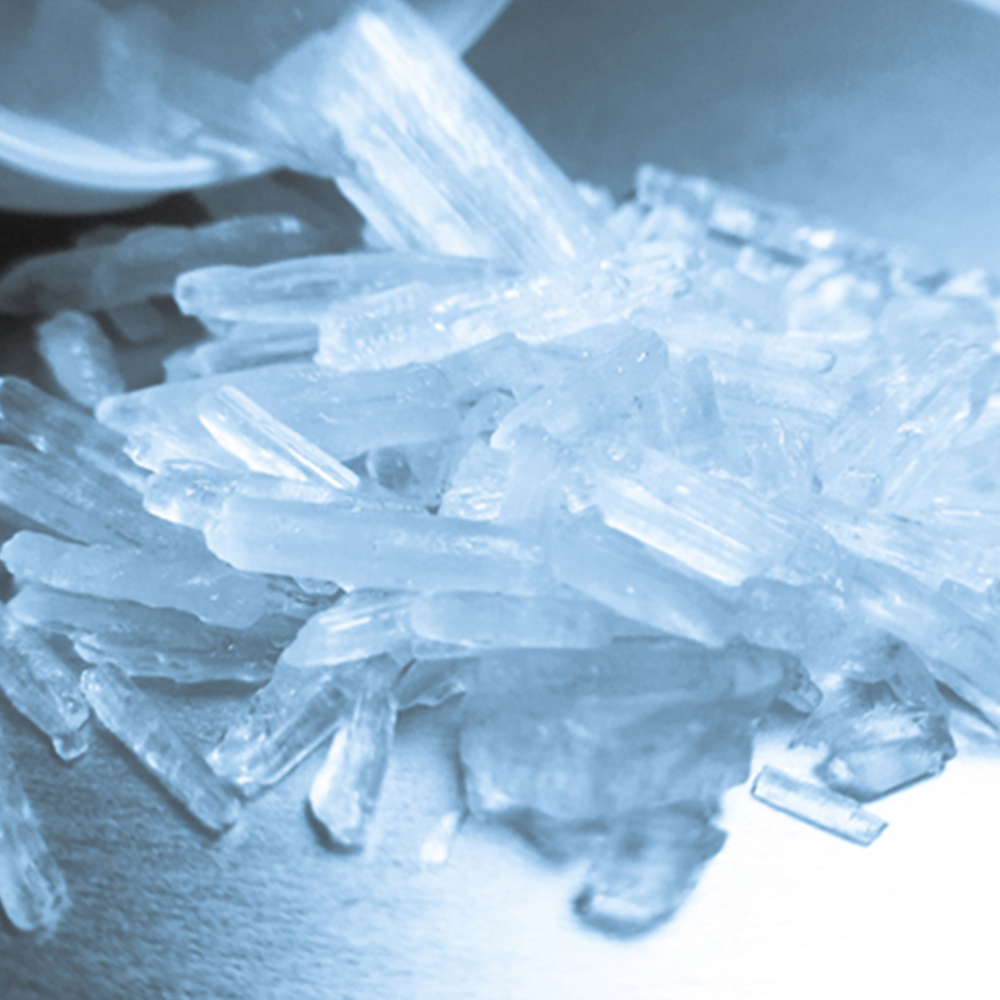
A new treatment that combines two existing medications may provide long-sought relief for many battling debilitating methamphetamine use disorder, according to a study to be published tomorrow in The New England Journal of Medicine.