
Search
Modified tau thwarts aggregation in neurodegenerative disease: Newsroom - UT Southwestern, Dallas, Texas
https://www.utsouthwestern.edu/newsroom/articles/year-2025/dec-tau-thwarts-aggregation-neurodegenerative-disease.html
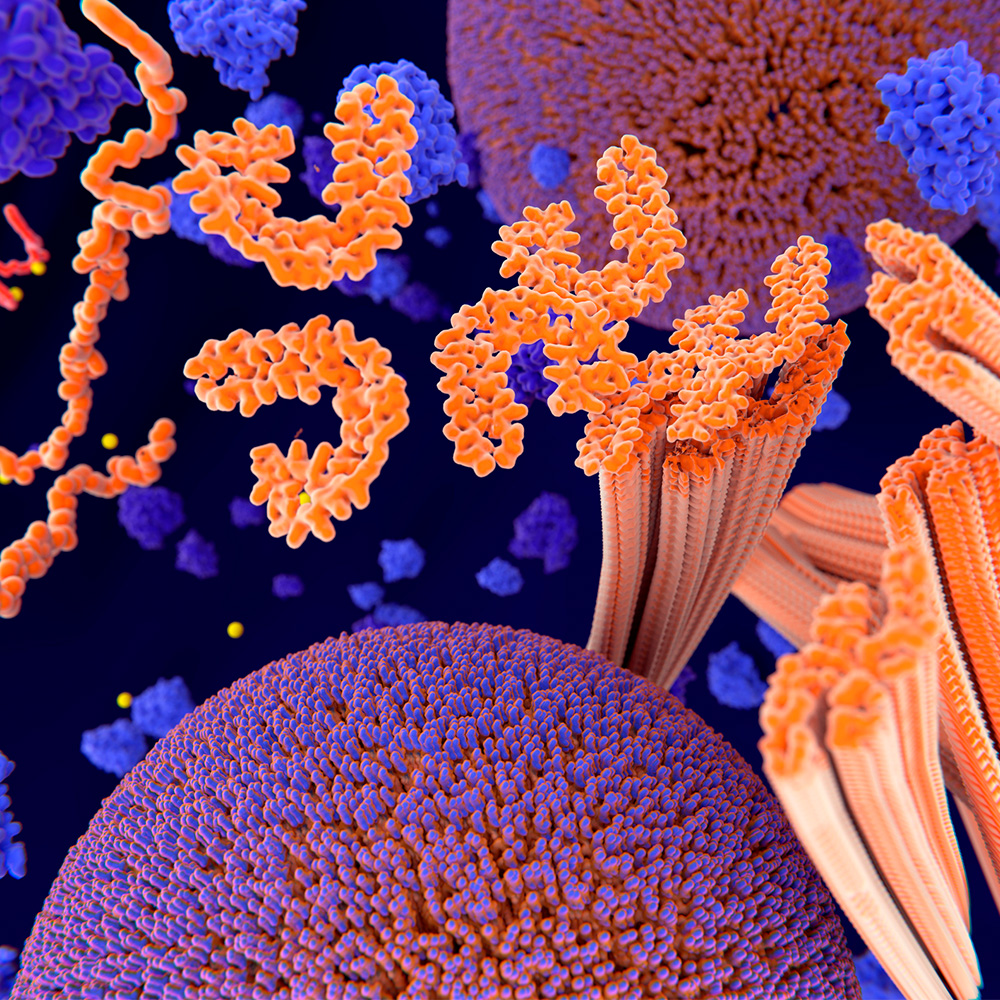
A designer version of the tau protein, developed by a team led by UT Southwestern Medical Center researchers, maintains its biological function while resisting aggregation, a pathological trait linked to neurodegenerative diseases called tauopathies.
Online discrimination fuels drinking by Hispanic college students: Newsroom - UT Southwestern, Dallas, Texas
https://www.utsouthwestern.edu/newsroom/articles/year-2025/oct-online-discrimination-hispanic-college-students.html

Hispanic college students who encounter racial or ethnic discrimination on social media are more likely to turn to alcohol as a coping mechanism, according to a study led by a UT Southwestern Medical Center researcher.
Changes in circadian rhythms linked to higher dementia risk: Newsroom - UT Southwestern, Dallas, Texas
https://www.utsouthwestern.edu/newsroom/articles/year-2026/jan-circadian-rhythms-higher-dementia-risk.html

Disruptions in patterns of daily activity and rest may provide early clues to heightened dementia risk, a study co-led by a UT Southwestern Medical Center scientist found.
Key protein behind necroptotic cell death could drive new treatment strategies: Newsroom - UT Southwestern, Dallas, Texas
https://www.utsouthwestern.edu/newsroom/articles/year-2025/dec-key-protein-necroptotic-cell-death.html
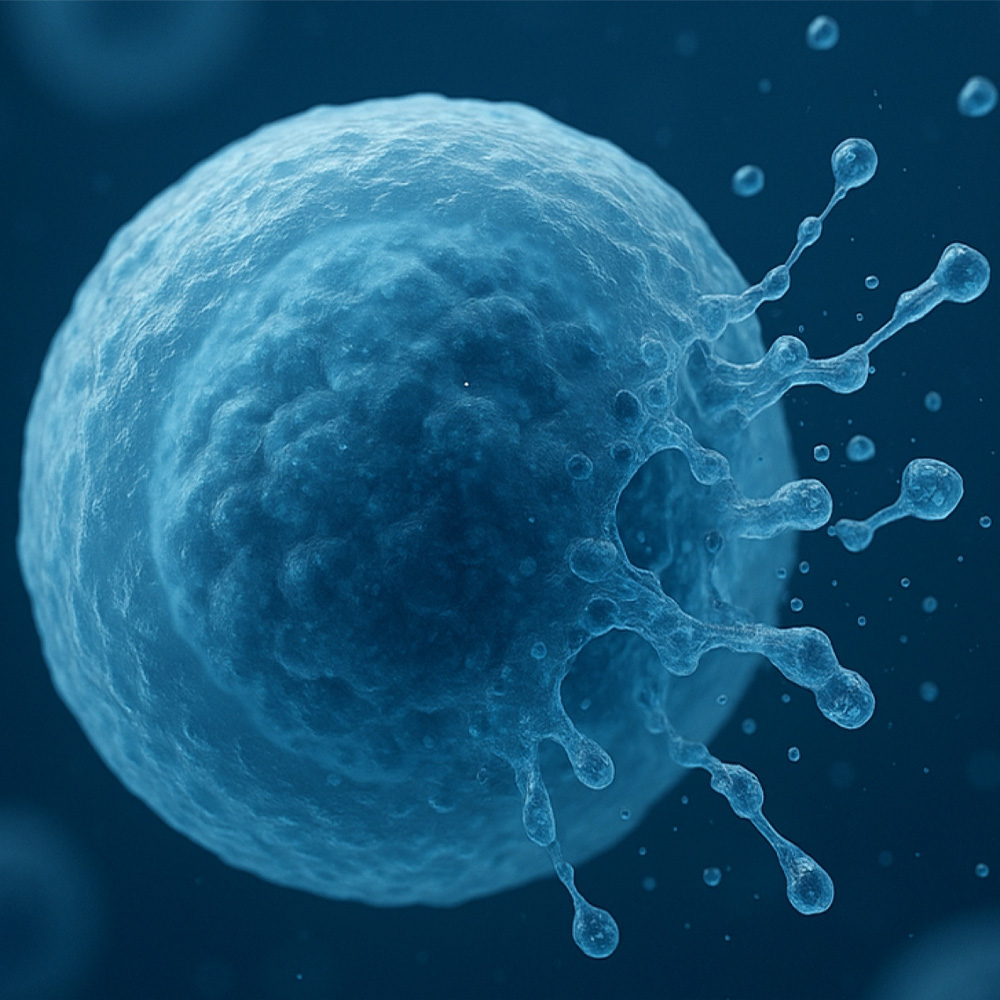
Researchers at UT Southwestern Medical Center have identified a protein that causes human cell membranes to break open in a form of inflammatory programmed cell death called necroptosis.
Targeted therapy helps NICU parents reframe fears
https://www.utsouthwestern.edu/newsroom/articles/year-2025/sept-targeted-therapy-helps-nicu-parents.html
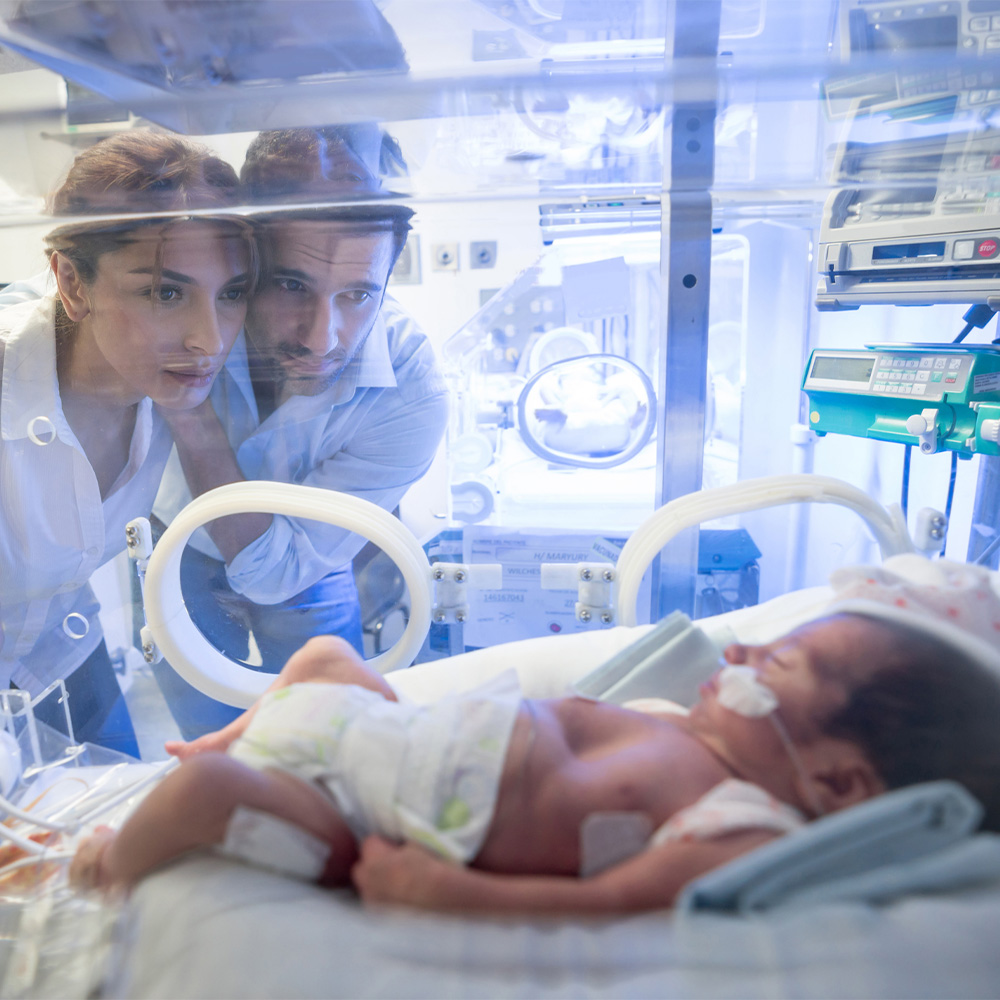
A cognitive behavioral therapy (CBT) program developed for parents whose child was born prematurely reduced harmful perceptions that their child remained medically fragile, according to a new study led by UT Southwestern Medical Center.
Maternal Health Accelerator raises nearly $25 million to improve maternal morbidity rates in North Texas: Newsroom - UT Southwestern, Dallas, Texas
https://www.utsouthwestern.edu/newsroom/articles/year-2025/nov-mha-maternal-morbidity-rates.html
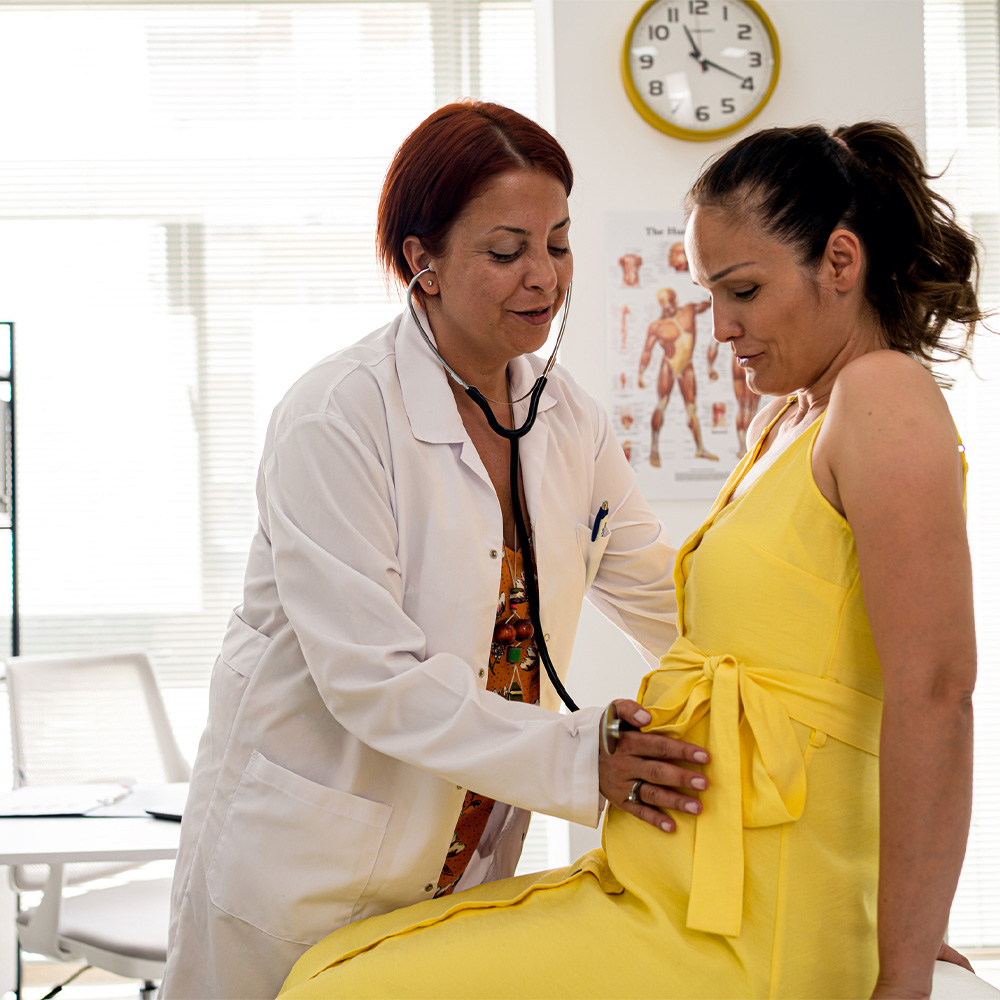
The Anne Burnett Marion School of Medicine at Texas Christian University and UT Southwestern Medical Center have joined forces to address some of the highest maternal morbidity rates in the country by forming the North Texas Maternal Health Accelerator (MHA).
Presurgical vaccine may prevent orthopedic device infections: Newsroom - UT Southwestern, Dallas, Texas
https://www.utsouthwestern.edu/newsroom/articles/year-2025/dec-presurgical-vaccine-orthopedic-device-infections.html
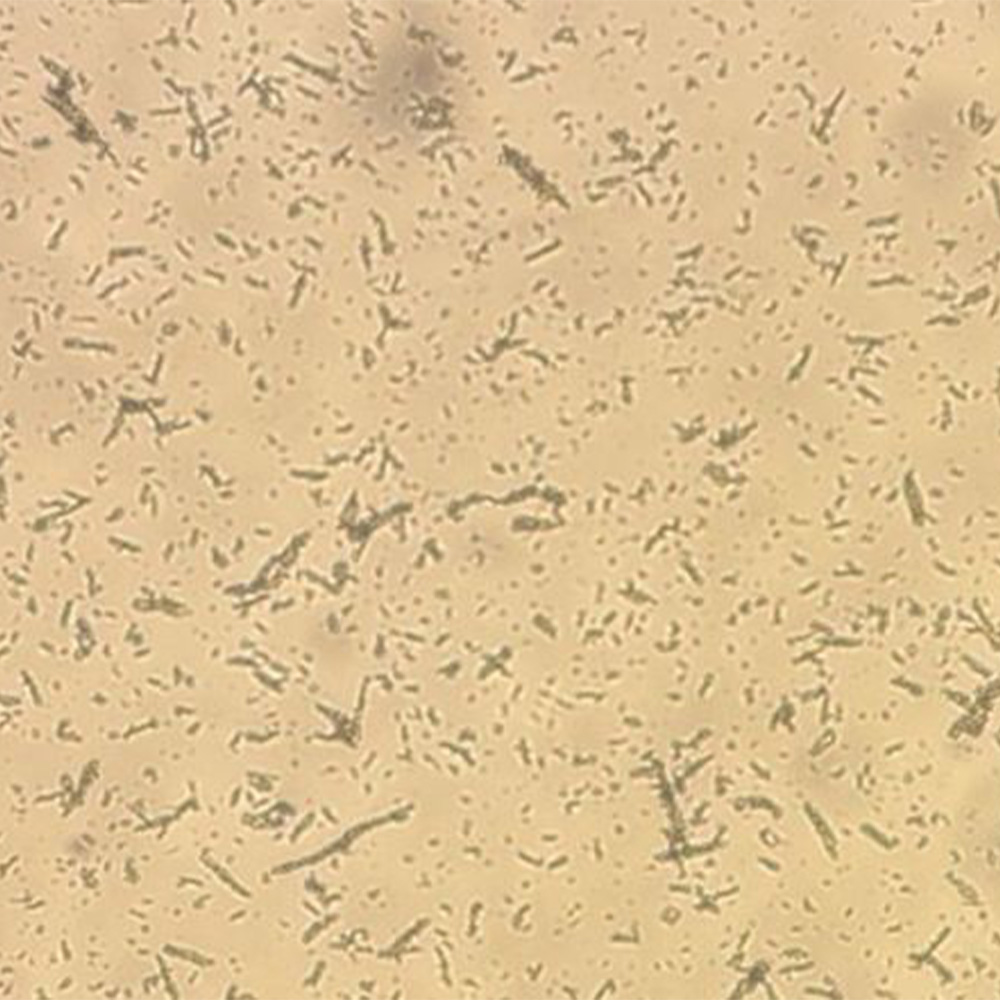
A UT Southwestern Medical Center researcher and his colleagues developed a novel presurgical vaccine strategy that may prevent dangerous infections in patients receiving hip, knee, and other joint replacements.
Findings may move science closer to growing organs in other species: Newsroom - UT Southwestern, Dallas, Texas
https://www.utsouthwestern.edu/newsroom/articles/year-2025/dec-growing-organs-other-species.html
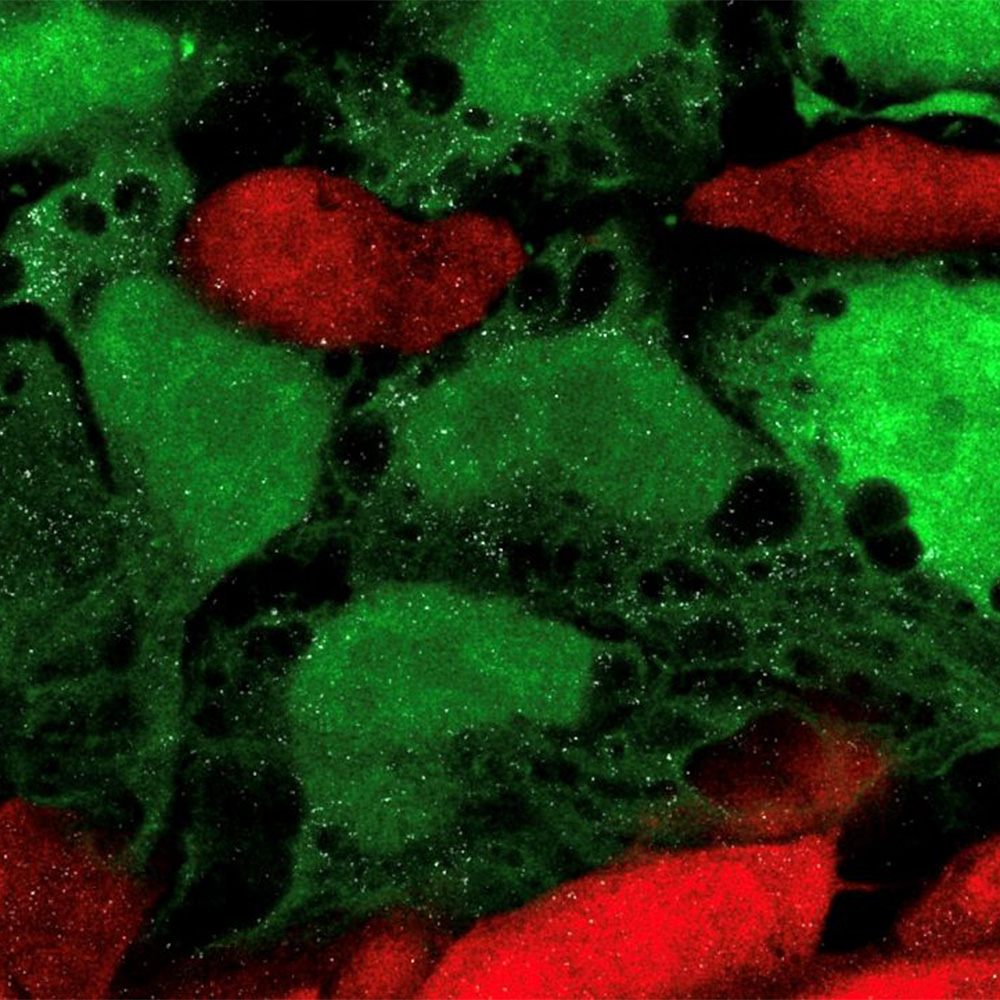
Failure of human pluripotent stem cells (PSCs) to survive when grown with the PSCs of distantly related species occurs because of an innate immune reaction in the nonhuman cells, a study led by UT Southwestern Medical Center researchers suggests.
UTSW researchers use focused ultrasound to identify stroke biomarkers : Newsroom - UT Southwestern, Dallas, Texas
https://www.utsouthwestern.edu/newsroom/articles/year-2025/march-ultrasound-identify-stroke-biomarkers.html
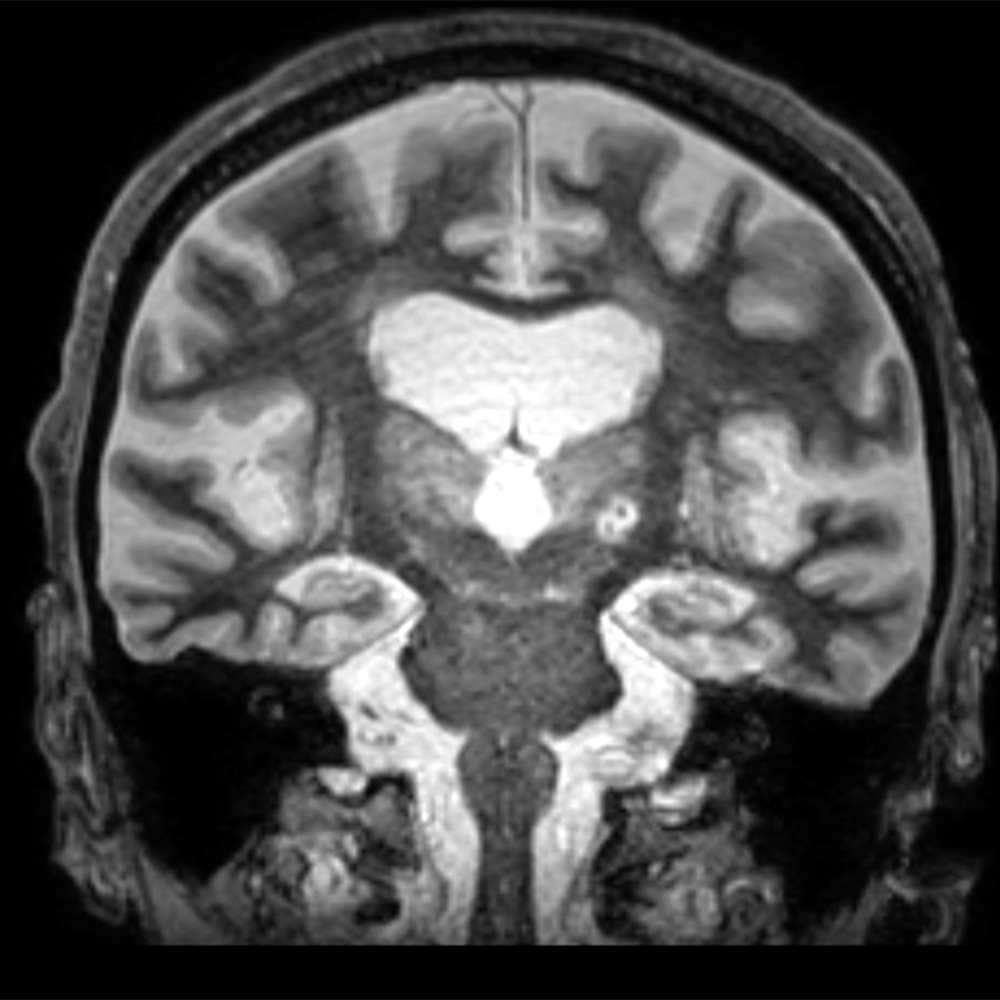
A molecule called glial fibrillary acidic protein (GFAP) rose significantly in the blood of patients who underwent high-intensity focused ultrasound (HIFU), a procedure that is used to treat tremors and causes damage similar to a small stroke, UT Southwestern Medical Center scientists discovered in a new study. Their findings, published in Brain Communications, reveal a potential biomarker for stroke and could eventually lead to blood tests that quickly diagnose brain injuries.
How sex and age shape fat patterns in muscles and bones: Newsroom - UT Southwestern, Dallas, Texas
https://www.utsouthwestern.edu/newsroom/articles/year-2025/jan-sex-and-age-shape-fat-patterns.html

Researchers at UT Southwestern Medical Center have discovered sex-specific differences in how fat accumulates in muscle and bone, uncovering patterns that could inform new approaches to treating age-related diseases.