
Search
UTSW researchers discover new drug target for inflammatory bowel disease: Newsroom - UT Southwestern, Dallas, Texas
https://www.utsouthwestern.edu/newsroom/articles/year-2022/september-researchers-discover-new-drug.html
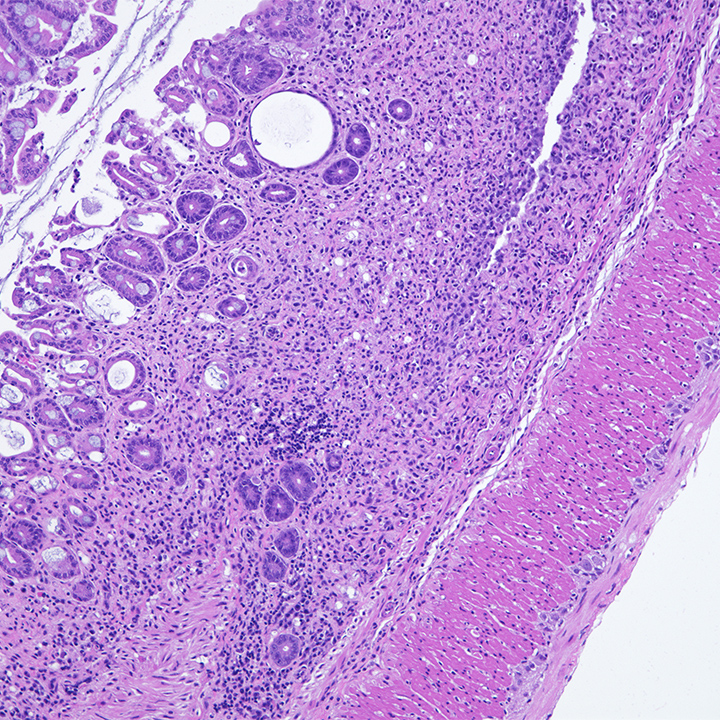
A set of interacting molecules in immune cells of the gut is responsible preventing the inflammation seen in inflammatory bowel diseases (IBD), UT Southwestern researchers report in a new study.
Gut microbes may lead to therapies for mental illness, UTSW researcher reports: Newsroom - UT Southwestern, Dallas, Texas
https://www.utsouthwestern.edu/newsroom/articles/year-2022/september-studies-link-between-microbiome-brain.html
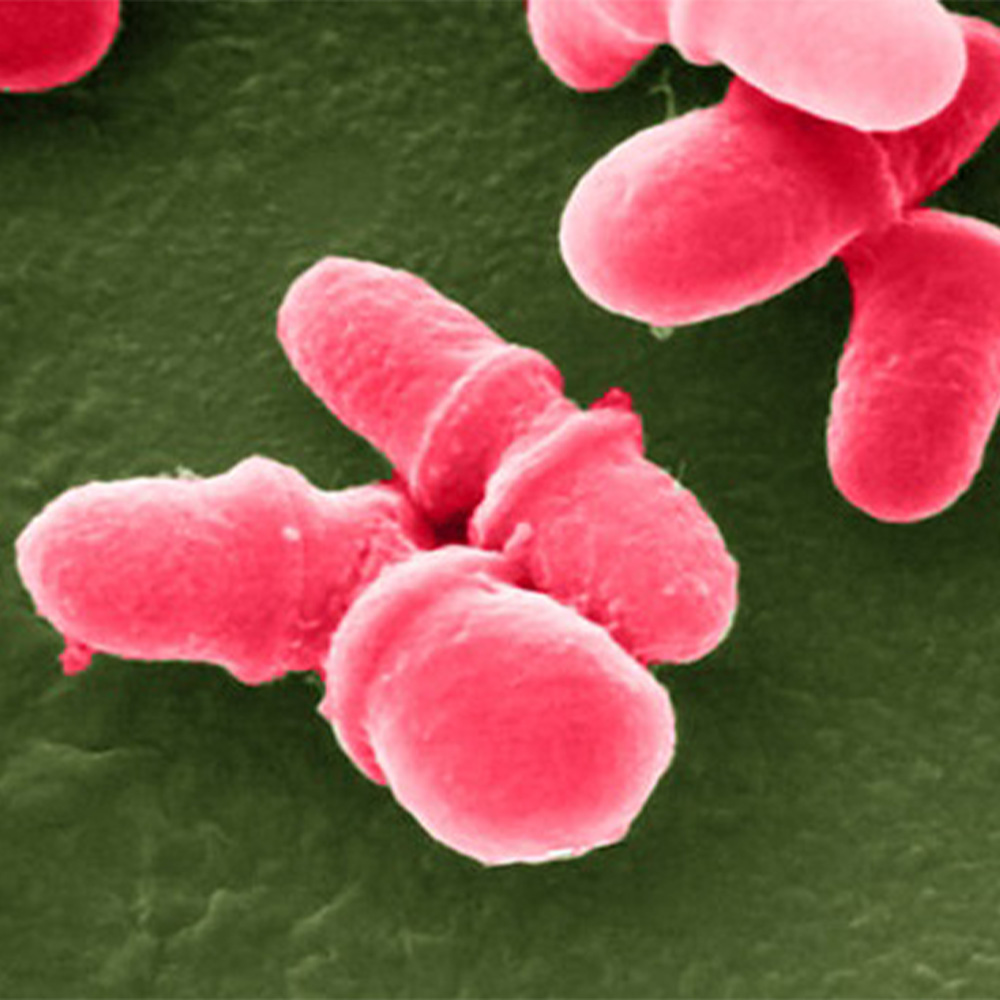
The role of the microbiome in intestinal and systemic health has garnered close attention among researchers for many years. Now evidence is mounting that this collection of microorganisms in the human gut can also impact a person’s neurological and emotional health.
UTSW rheumatologists: Patients’ role critical for teens transitioning to adult lupus care: Newsroom - UT Southwestern, Dallas, Texas
https://www.utsouthwestern.edu/newsroom/articles/year-2022/october-teens-transitioning-to-adult-lupus-care.html
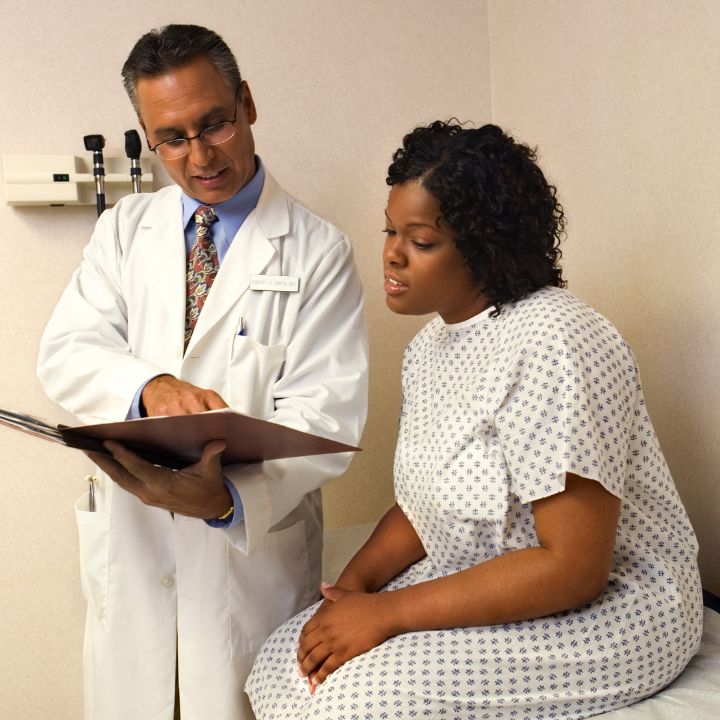
Patients who develop lupus as children will eventually shift to adult rheumatology care. In a unique collaboration between rheumatologists at UT Southwestern and Children’s Health, investigators conducted a qualitative study, which showed that patients’ health literacy and taking an active role in their own care are important to successful transitions.
UT Southwestern’s nationally ranked geriatric care receives international exemplar status: Newsroom - UT Southwestern, Dallas, Texas
https://www.utsouthwestern.edu/newsroom/articles/year-2022/october-nationally-ranked-geriatric-care.html
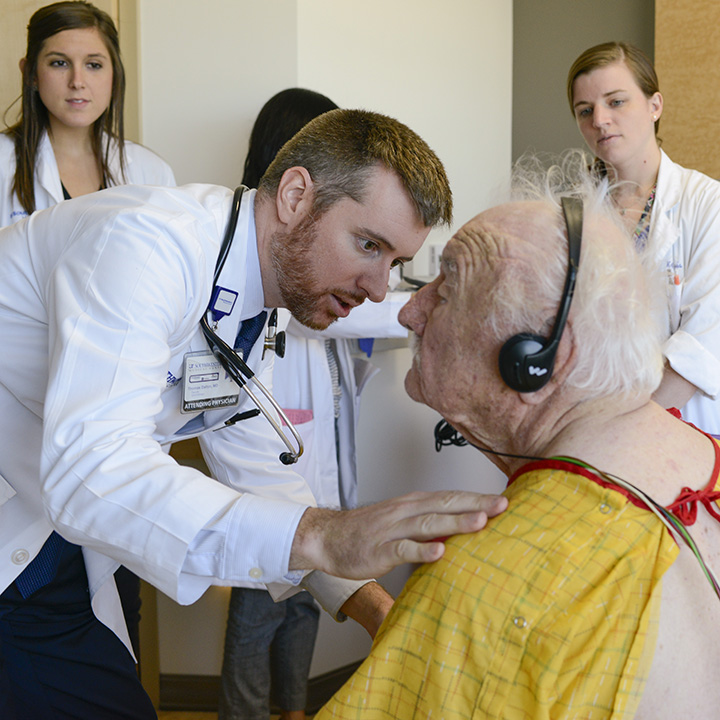
UT Southwestern Medical Center has received exemplar status by the Nurses Improving Care for Healthsystem Elders (NICHE).
New recommendations aim to ease patient access to lung cancer clinical trials: Newsroom - UT Southwestern, Dallas, Texas
https://www.utsouthwestern.edu/newsroom/articles/year-2022/august-lung-cancer-clinical-trials.html
A clinical trial is only as powerful as its participants. For years, researchers have struggled to fill clinical trials and enroll sufficiently diverse groups of patients for results to reflect the broader population, in part because of stringent guidelines on who can participate.
Shape-shifting fat cells fuel breast cancer growth: Newsroom - UT Southwestern, Dallas, Texas
https://www.utsouthwestern.edu/newsroom/articles/year-2022/september-shape-shifting-fat-cells.html
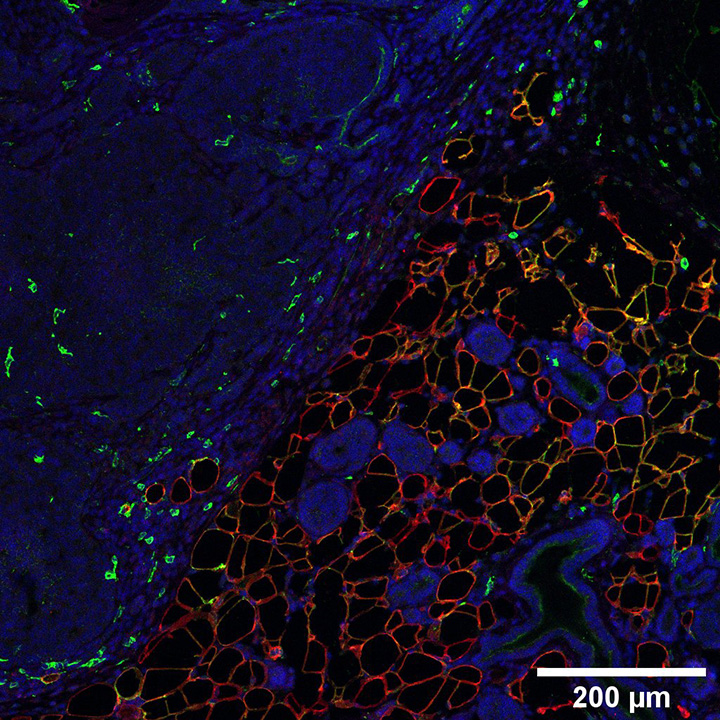
Fat cells, or adipocytes, that grow in close proximity to breast cancers can shift into other cell types that promote tumor growth, a new study by UT Southwestern researchers suggests.
UTSW is leading the way toward better screening for liver cancer: Newsroom - UT Southwestern, Dallas, Texas
https://www.utsouthwestern.edu/newsroom/articles/year-2022/august-better-screening-for-liver-cancer.html
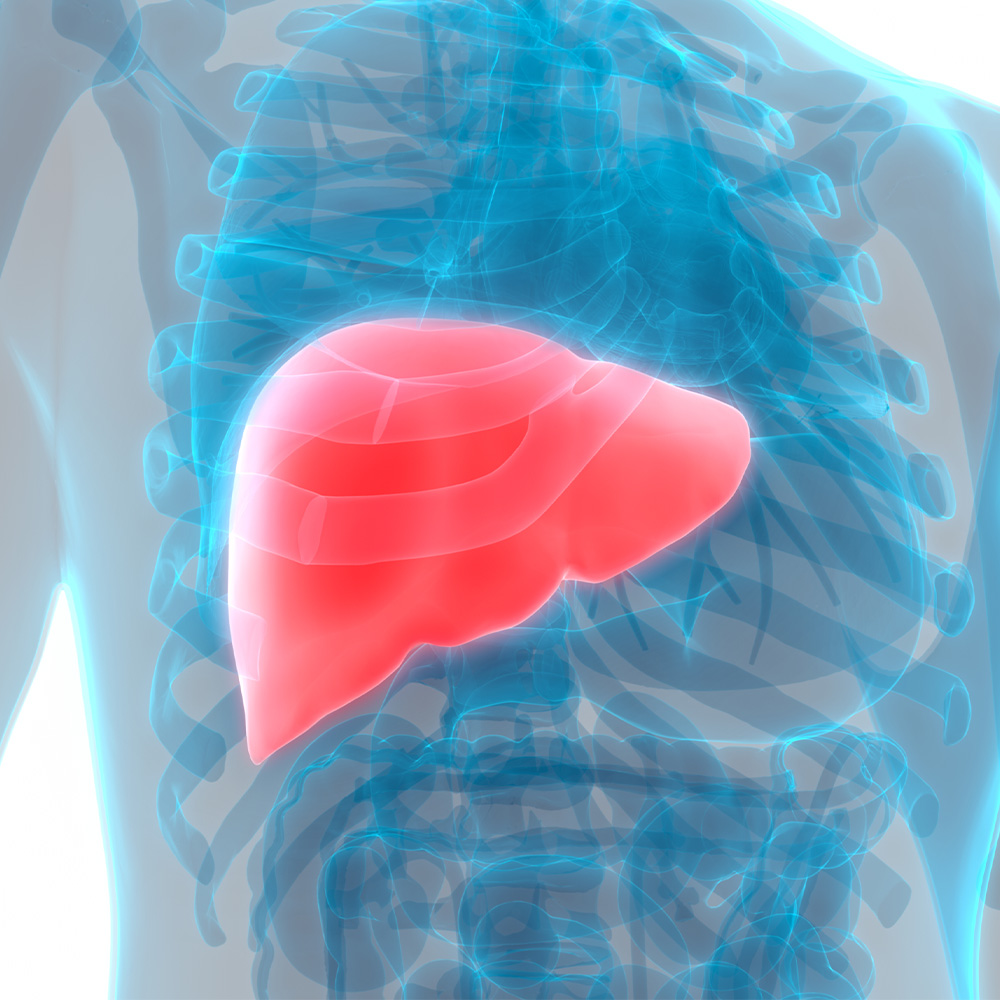
UT Southwestern will lead a multisite initiative funded by the National Cancer Institute (NCI) to identify biomarkers to improve risk assessment and early detection of hepatocellular cancer (HCC), the most common form of liver cancer, among patients with cirrhosis.
UT Southwestern designated one of 12 elite Nutrition Obesity Research Centers in the nation: Newsroom - UT Southwestern, Dallas, Texas
https://www.utsouthwestern.edu/newsroom/articles/year-2022/september-nutrition-obesity-research-center.html
UT Southwestern Medical Center has been selected to be one of 12 NIH Nutrition Obesity Research Centers in the nation – and the only one in Texas – to investigate the causes, prevention, and treatment options for obesity, a chronic disease affecting more than 40% of the U.S. population with medical costs nearing $175 billion.
UT Southwestern opens first academic medical center campus for southern Dallas County: Newsroom - UT Southwestern, Dallas, Texas
https://www.utsouthwestern.edu/newsroom/articles/year-2022/september-first-academic-medical-center-campus.html
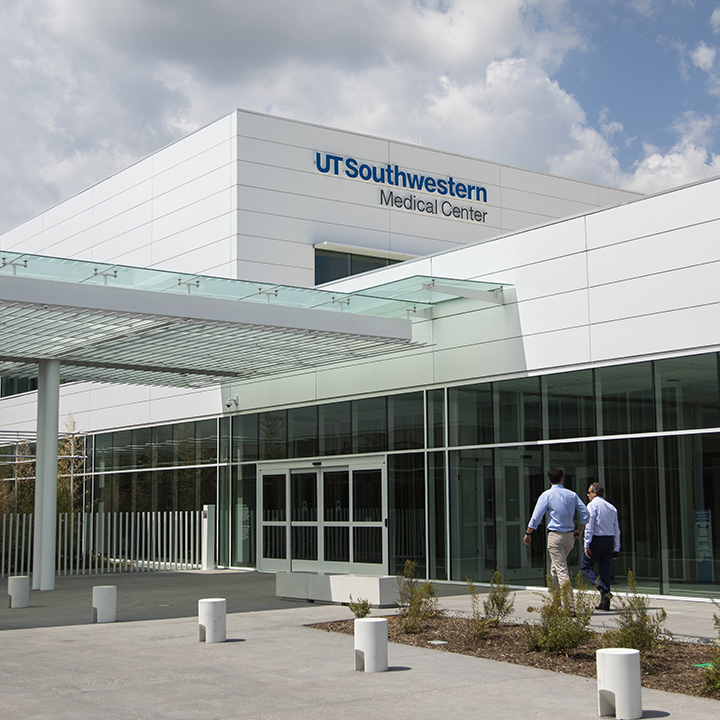
More than 1,000 residents, business owners, and regional leaders gathered Saturday at the community celebration for the opening of UT Southwestern Medical Center at RedBird, the largest of its regional campuses and the first to bring academic medicine to the booming southern Dallas region.
New Intracept ablation proves effective for quelling low back pain: Newsroom - UT Southwestern, Dallas, Texas
https://www.utsouthwestern.edu/newsroom/articles/year-2022/september-intracept-low-back-pain.html
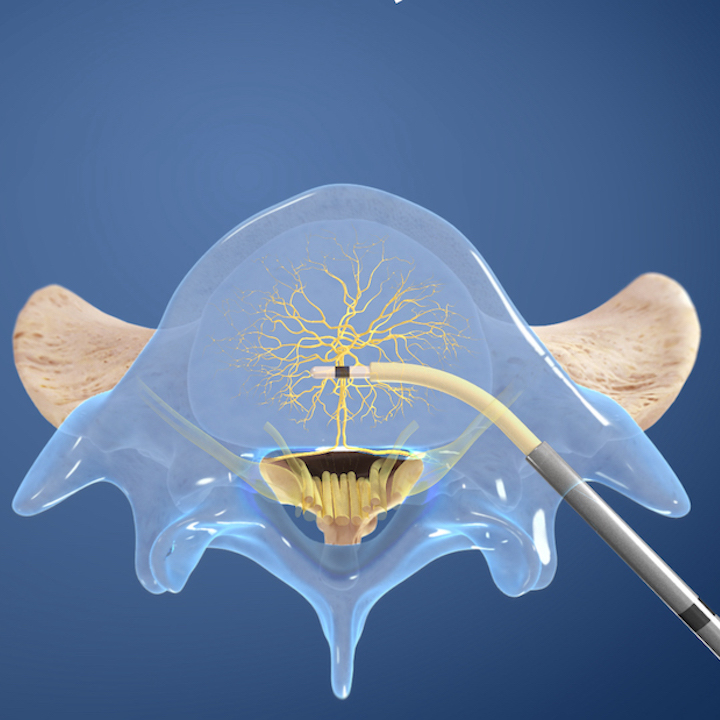
UT Southwestern Spine Center is now offering a minimally invasive ablation procedure to provide relief for low back pain caused by traumatic injury or degeneration of the vertebral endplates.