
Search
A master gear in the circadian clock: Newsroom - UT Southwestern, Dallas, Texas
https://www.utsouthwestern.edu/newsroom/articles/year-2021/a-master-gear-in-the-circadian-clock.html
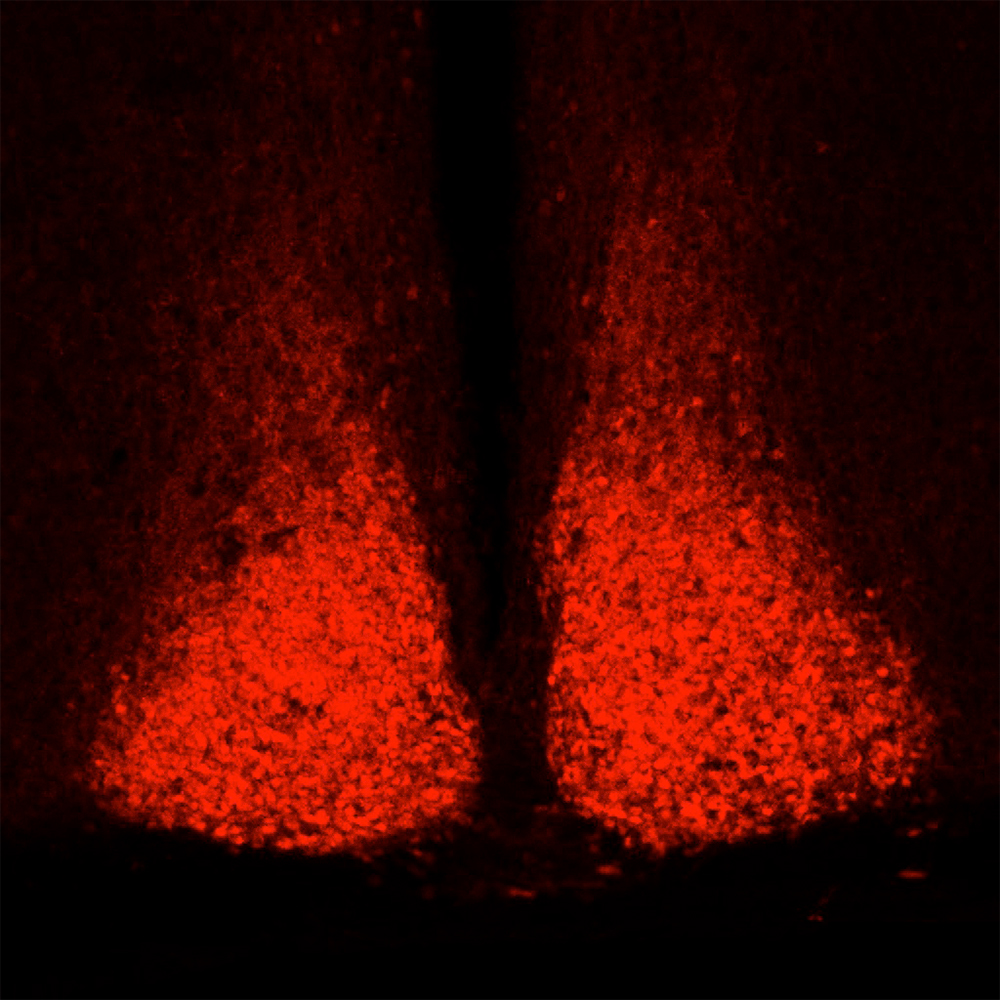
A gene called Npas4, already known to play a key role in balancing excitatory and inhibitory inputs in brain cells, appears to also be a master timekeeper for the brain’s circadian clock, new research led by UT Southwestern scientists suggests.
Gene for sex hormone synthesis could play key role in eczema: Newsroom - UT Southwestern, Dallas, Texas
https://www.utsouthwestern.edu/newsroom/articles/year-2021/gene-for-sex-hormone-synthesis.html
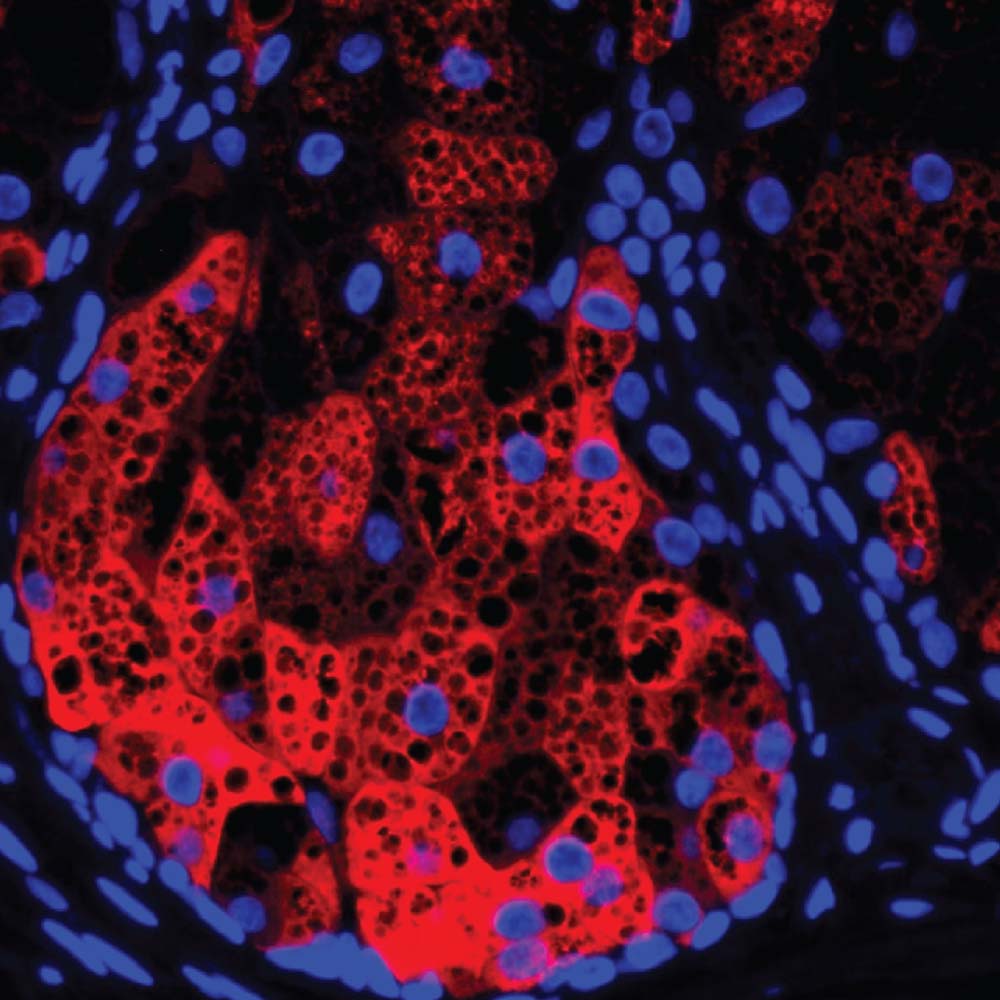
A study led by UT Southwestern dermatologists suggests that a common inflammatory skin condition may stem from poorly regulated sex hormones.
UT Southwestern finds crucial new molecular mechanisms and biomarkers in ovarian cancer: Newsroom - UT Southwestern, Dallas, Texas
https://www.utsouthwestern.edu/newsroom/articles/year-2021/new-molecular-mechanisms-and-biomarkers.html
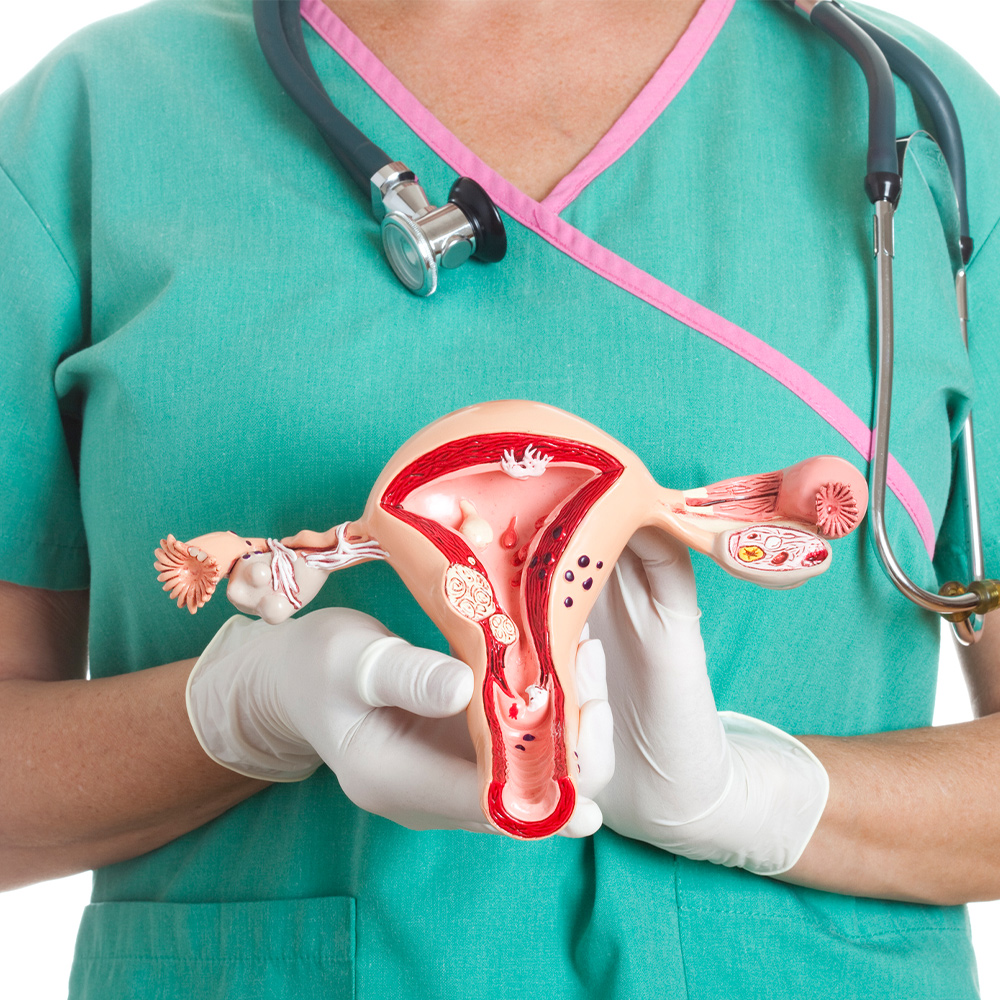
UT Southwestern faculty have discovered what appears to be an Achilles’ heel in ovarian cancers, as well as new biomarkers that could point to which patients are the best candidates for possible new treatments.
HHSC, UT Southwestern plan for New State Psychiatric Hospital in Dallas-Fort Worth Metroplex: Newsroom - UT Southwestern, Dallas, Texas
https://www.utsouthwestern.edu/newsroom/articles/year-2021/new-state-psychiatric-hospital.html
The Texas Health and Human Services Commission and the University of Texas Southwestern Medical Center are developing plans for a new state psychiatric hospital in the Dallas-Fort Worth area, with $44.7 million in state funding approved this Legislative session.
Lowering iron in fat cells prevented weight gain in mice: Newsroom - UT Southwestern, Dallas, Texas
https://www.utsouthwestern.edu/newsroom/articles/year-2021/lowering-iron-in-fat-cells.html

Lowering iron content in fat cells prevented mice fed a high-fat diet from gaining excess weight and developing associated health problems by limiting the amount of lipids absorbed by the intestines
UT Southwestern selected among Best Employers for Women by Forbes: Newsroom - UT Southwestern, Dallas, Texas
https://www.utsouthwestern.edu/newsroom/articles/year-2021/best-employers-for-women-by-forbes.html

Forbes and Statista have selected UT Southwestern among the top 40 Best Employers for Women 2021.
UT Southwestern among top 25 in nation in eight specialties ranked by U.S. News ‘Best Hospitals’: Newsroom - UT Southwestern, Dallas, Texas
https://www.utsouthwestern.edu/newsroom/articles/year-2021/us-news-best-hospital.html

UT Southwestern Medical Center ranks among the top 25 hospitals nationally in eight specialties ranging from brain to heart to cancer care, according to the latest U.S. News & World Report’s annual Best Hospitals report.
UT Southwestern selected top health care employer in Texas by Forbes: Newsroom - UT Southwestern, Dallas, Texas
https://www.utsouthwestern.edu/newsroom/articles/year-2021/top-health-care-forbes.html

UT Southwestern Medical Center was recognized as the top health care employer in Texas, one of the top 10 employers across all industries in the state, and among the nation’s Best-in-State employers nationally by Forbes/Statista.
Medicare eligibility linked to more food pantry visits, improved food security: Newsroom - UT Southwestern, Dallas, Texas
https://www.utsouthwestern.edu/newsroom/articles/year-2022/september-improved-food-security.html

Low-income seniors were seven times more likely to visit a food pantry in the year after becoming eligible for Medicare, resulting in improved food security, according to a new study from UT Southwestern.
Disease control, safe medications critical to pregnancies for women with rheumatic disease: Newsroom - UT Southwestern, Dallas, Texas
https://www.utsouthwestern.edu/newsroom/articles/year-2022/july-women-with-rheumatic-disease.html
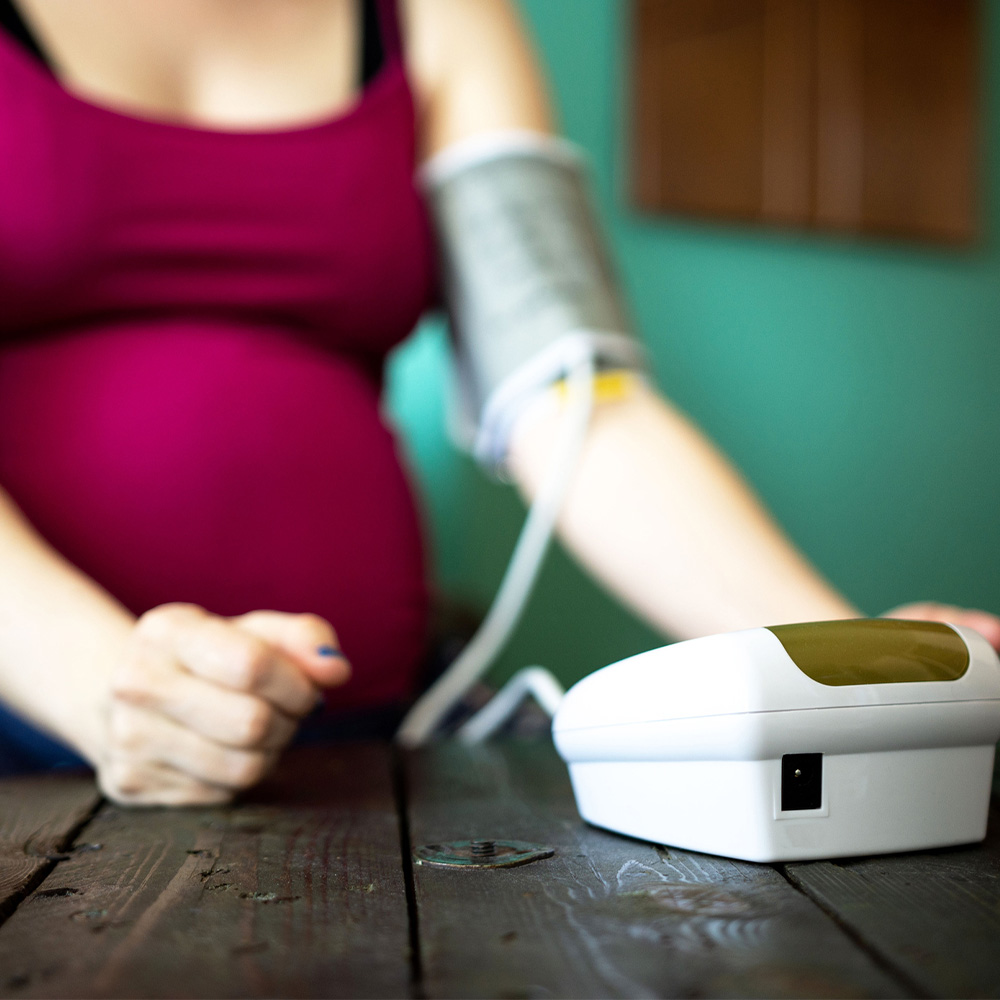
Pregnant women with active rheumatic disease carry a higher risk of adverse outcomes than the general population including hypertension, preeclampsia, higher cesarean section rate, small for gestational aged infants, preterm delivery, and fetal loss.