
Search
UTSW scientists identify cancer-suppressing genetic mutation: Newsroom - UT Southwestern, Dallas, Texas
https://www.utsouthwestern.edu/newsroom/articles/year-2024/dec-cancer-suppressing-gene.html
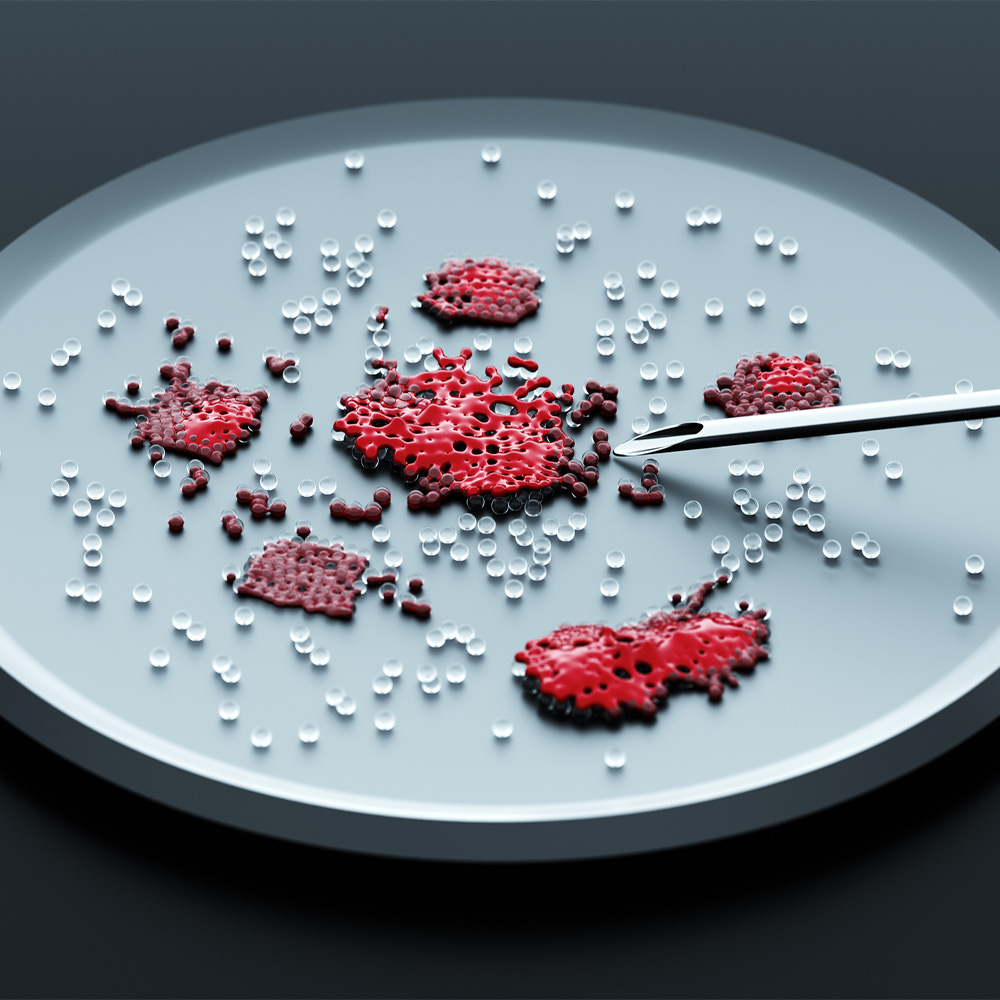
UT Southwestern Medical Center researchers identified a genetic mutation that slows the growth of melanoma and potentially other cancers by harnessing the power of the immune system. Their findings, published in the Journal of Experimental Medicine, could lead to new treatments that improve outcomes from existing cancer immunotherapies.
Autoimmune skin condition linked to higher risk of heart disease: Newsroom - UT Southwestern, Dallas, Texas
https://www.utsouthwestern.edu/newsroom/articles/year-2025/jan-autoimmune-skin-condition.html

Patients with cutaneous lupus erythematosus (CLE), an autoimmune disease that causes skin inflammation, have a higher risk for atherosclerotic cardiovascular disease (ASCVD), or hardening of the arteries, UT Southwestern Medical Center researchers found.
Experimental depression treatment preserves cognitive function: Newsroom - UT Southwestern, Dallas, Texas
https://www.utsouthwestern.edu/newsroom/articles/year-2025/jan-experimental-depression-treatment.html
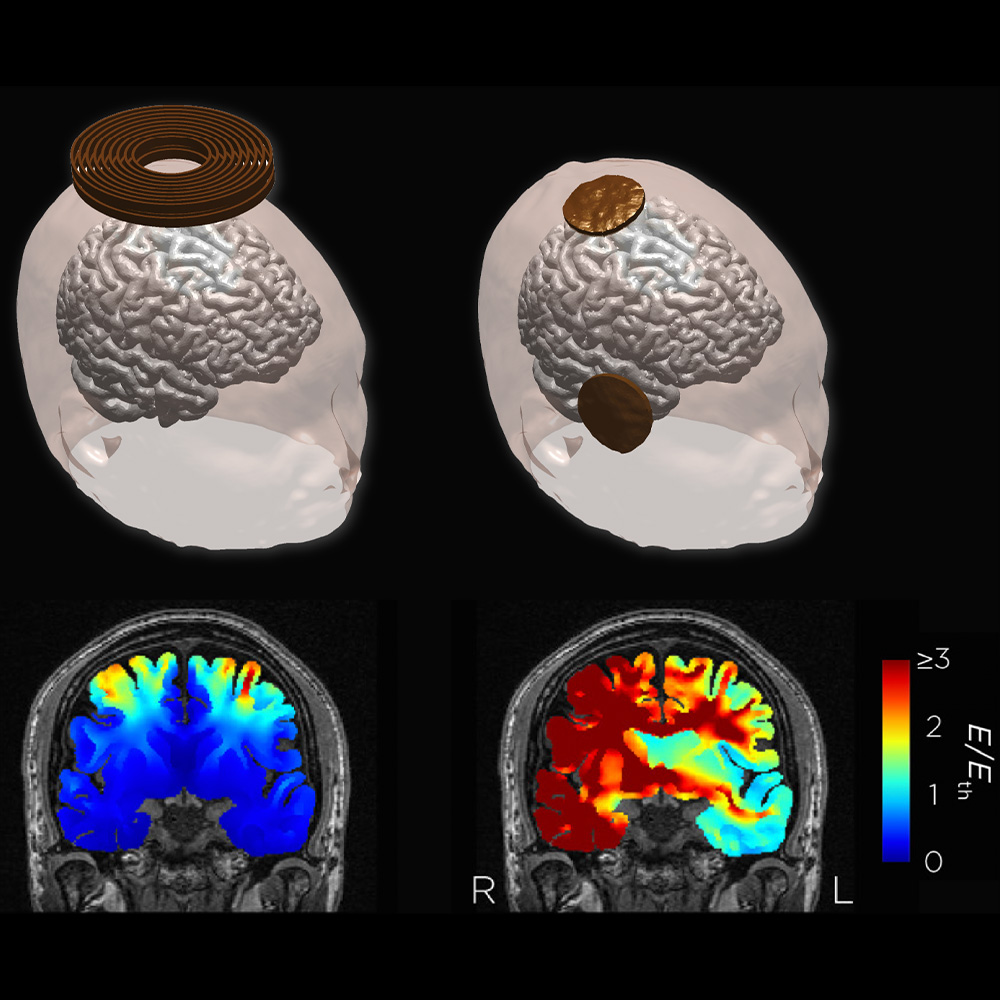
An experimental treatment for depression that triggers seizures with magnets significantly improved mental health in patients without some cognitive effects associated with electroconvulsive therapy (ECT), a clinical trial led by UT Southwestern Medical Center researchers showed.
Tool may identify more patients who could benefit from parathyroid surgery: Newsroom - UT Southwestern, Dallas, Texas
https://www.utsouthwestern.edu/newsroom/articles/year-2026/march-tool-parathyroid-surgery.html
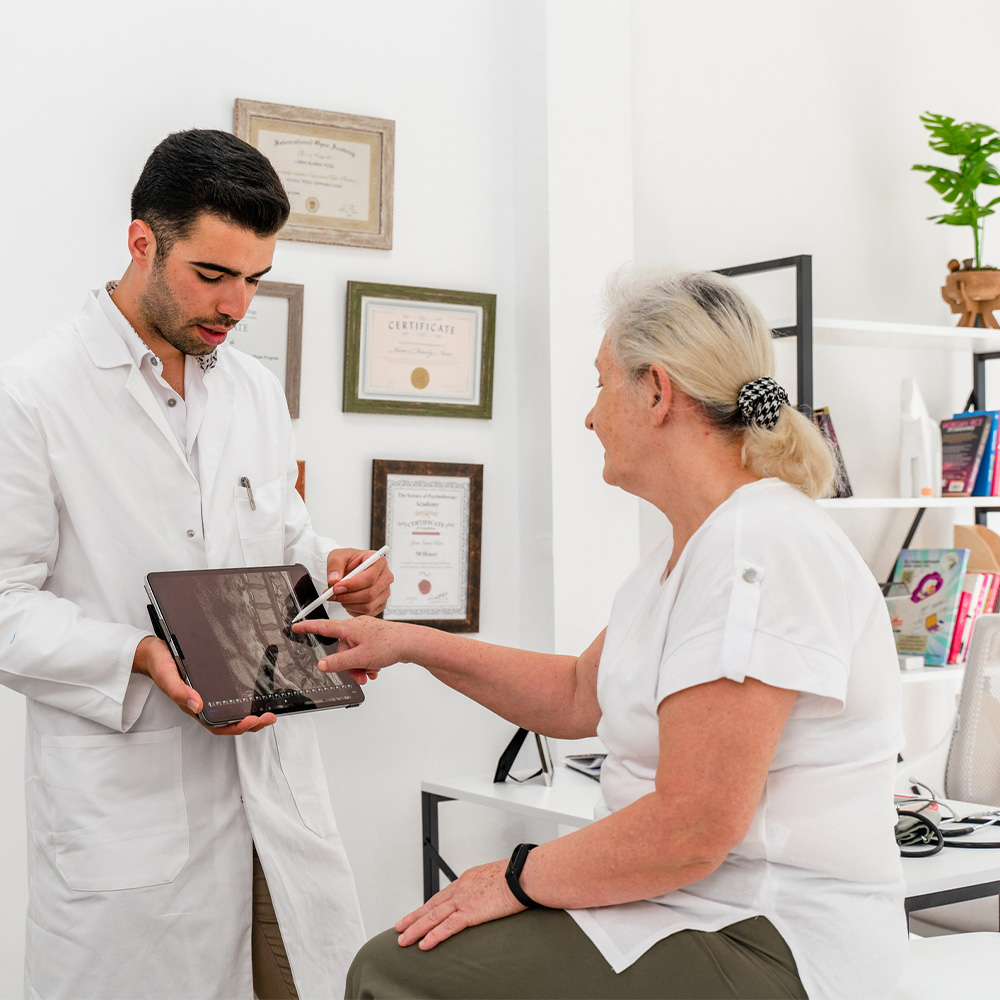
– A widely used fracture risk calculator may help guide surgical decisions to treat patients with an endocrine disorder called primary hyperparathyroidism (PHPT) that causes progressive bone loss, according to a study led by UT Southwestern Medical Center researchers.
Why do women have more trouble after knee injuries? UTSW model explains: Newsroom - UT Southwestern, Dallas, Texas
https://www.utsouthwestern.edu/newsroom/articles/year-2025/feb-women-knee-injuries.html
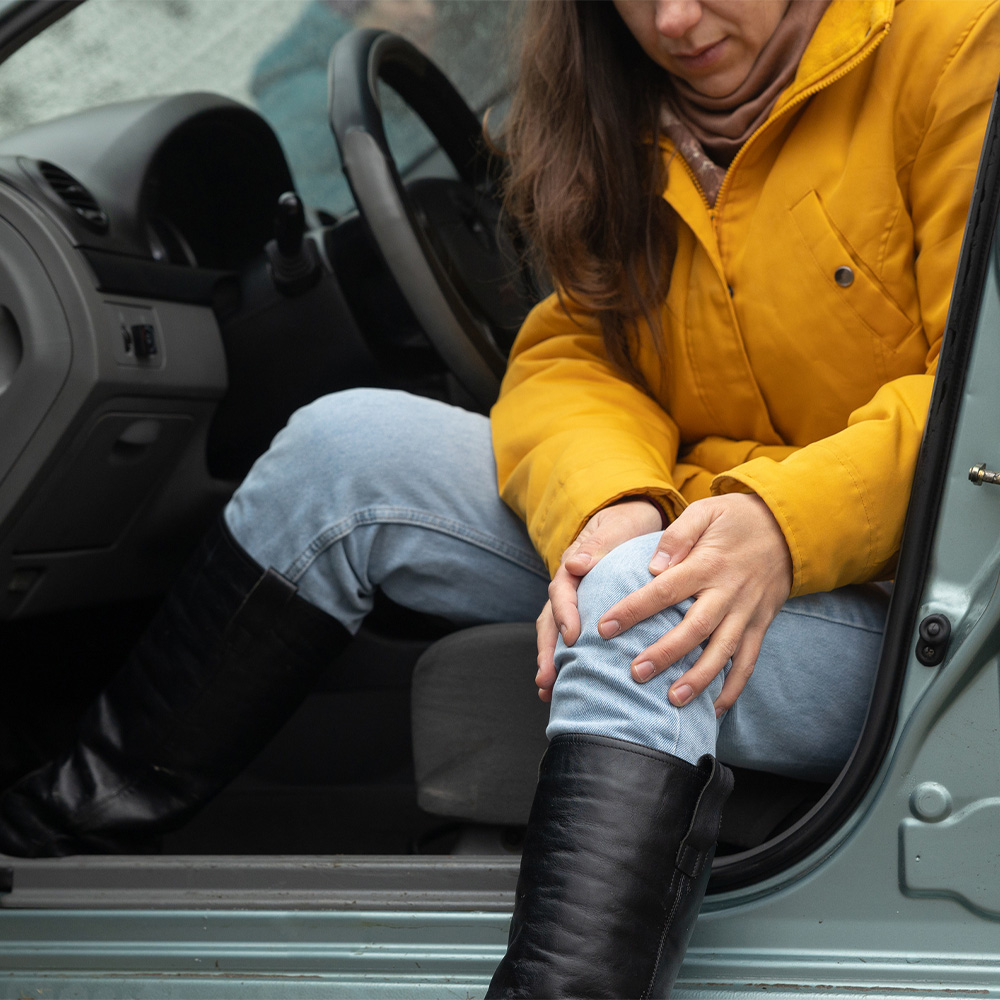
A computer model of the cellular environment inside the knee developed by UT Southwestern Medical Center researchers sheds light on why women tend to have worse outcomes after knee injuries than men. Their findings, published in Scientific Reports, could facilitate research into new therapies for knee inflammatory disorders and personalized treatments for patients with these conditions.
Neonatal diabetes model provides insights on how condition develops: Newsroom - UT Southwestern, Dallas, Texas
https://www.utsouthwestern.edu/newsroom/articles/year-2025/april-neonatal-diabetes-model.html
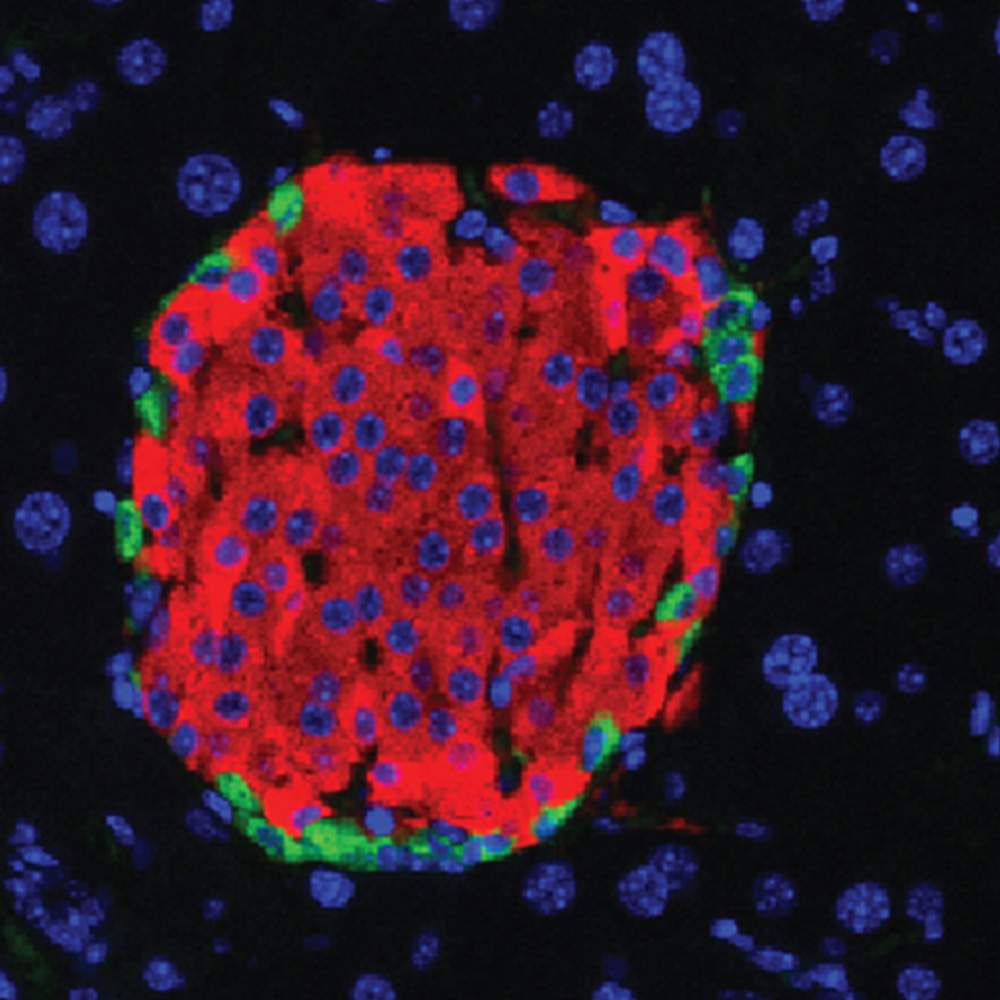
A preclinical model developed at UT Southwestern Medical Center that recapitulates a rare infant-onset form of diabetes suggests the condition stems from gradual damage to the pancreas through misregulation of a molecular pathway called the unfolded protein response (UPR).
Pandemic increases substance abuse, mental health issues for those struggling with obesity: Newsroom - UT Southwestern, Dallas, Texas
https://www.utsouthwestern.edu/newsroom/articles/year-2021/pandemic-increases-substance-abuse.html
The COVID-19 pandemic is having a detrimental impact on substance use, mental health, and weight-related health behaviors among people with obesity, according to a new study by researchers at UT Southwestern and the UTHealth School of Public Health.
How AI will enhance health care: Newsroom - UT Southwestern, Dallas, Texas
https://www.utsouthwestern.edu/newsroom/articles/year-2024/may-ai-health-care.html
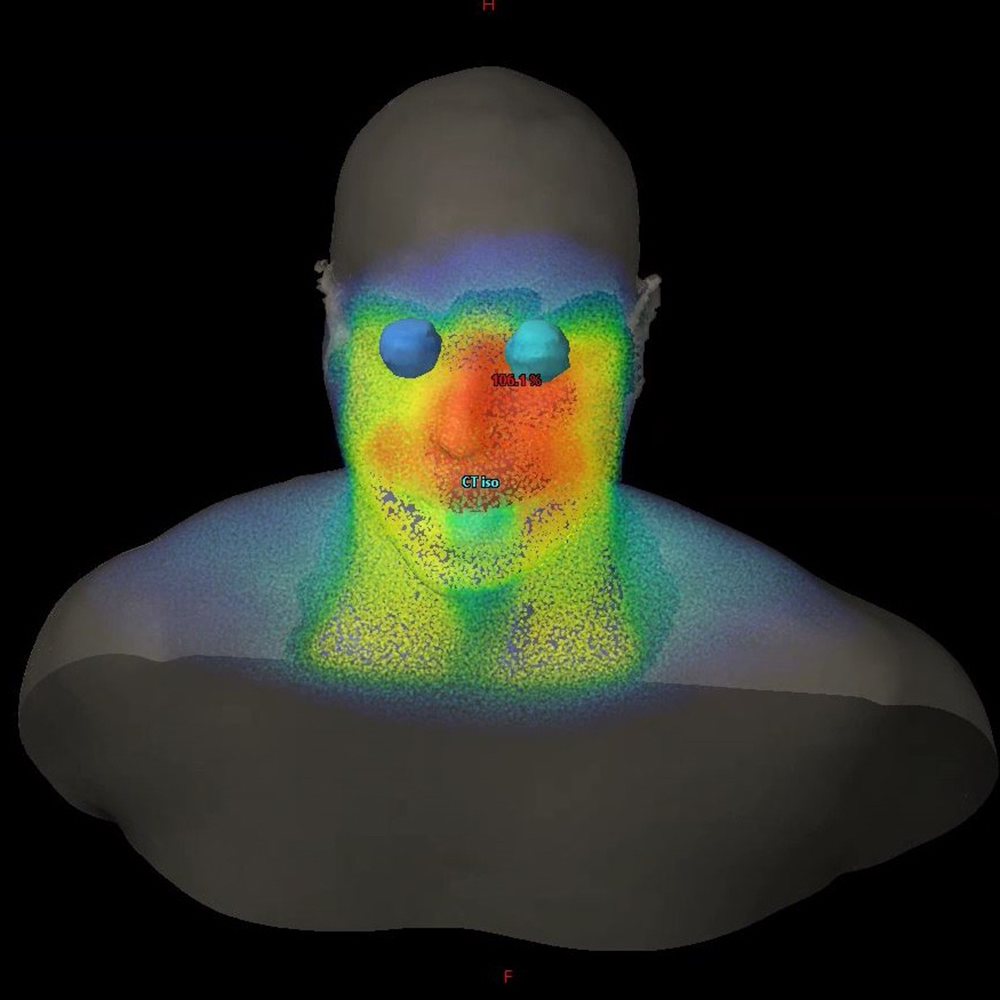
Artificial intelligence is rapidly reshaping the landscape of health care, revolutionizing scientific discovery, drug development, diagnosis and treatment, as well as health care delivery operations. As with any emerging technology, its success lies in its implementation, and The University of Texas System is committed to harnessing AI’s potential for the ultimate benefit of patients while ensuring its ethical and responsible use.
Could cancer immunotherapy success depend on gut bacteria?: Newsroom - UT Southwestern, Dallas, Texas
https://www.utsouthwestern.edu/newsroom/articles/year-2020/cancer-immunotherapy-gut-bacteria.html
A study by researchers revealed that gut bacteria can penetrate tumor cells and boost the effectiveness of an experimental immunotherapy that targets the CD47 protein.
Blood vessel cells implicated in chronic inflammation of obesity: Newsroom - UT Southwestern, Dallas, Texas
https://www.utsouthwestern.edu/newsroom/articles/year-2020/blood-vessel-cells-obesity.html
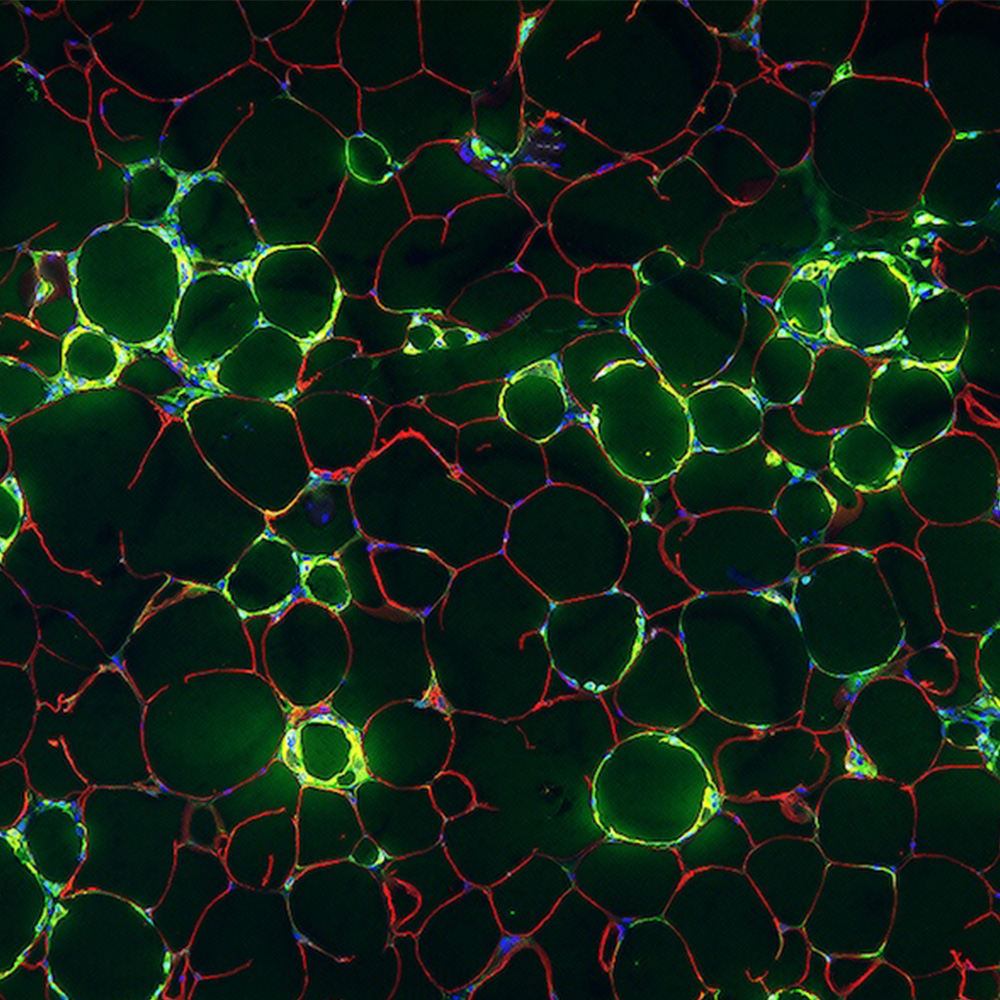
Low-level inflammation is one of the driving factors behind many of the diseases associated with obesity.