
Search
Antibody may improve treatment response in lung cancer: Newsroom - UT Southwestern, Dallas, Texas
https://www.utsouthwestern.edu/newsroom/articles/year-2026/june-antibody-lung-cancer.html
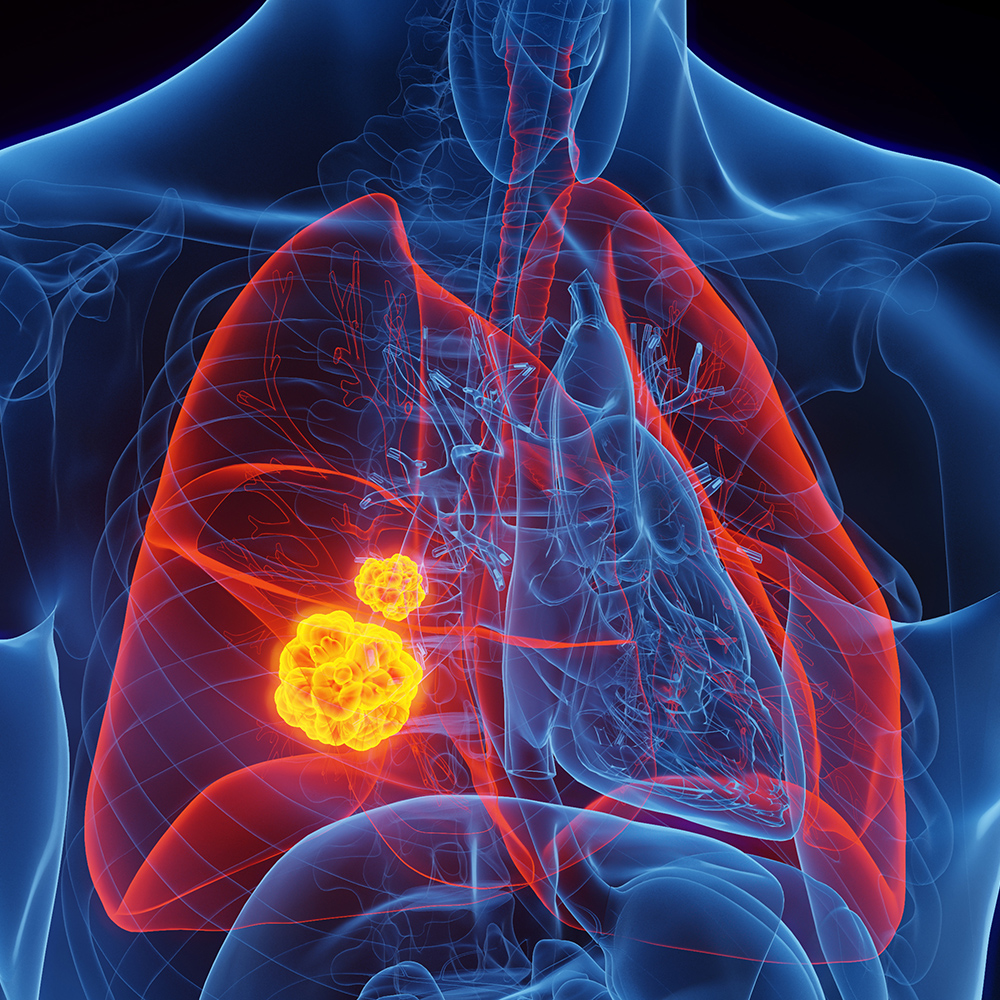
An experimental antibody treatment that binds to a protein known as PCDH7 shrank tumors in preclinical models of non-small cell lung cancer (NSCLC), even those resistant to a targeted therapy, a study led by UT Southwestern Medical Center researchers showed.
Study reveals how RNA-modifying enzyme picks its targets: Newsroom - UT Southwestern, Dallas, Texas
https://www.utsouthwestern.edu/newsroom/articles/year-2026/june-rna-modifying-enzyme.html
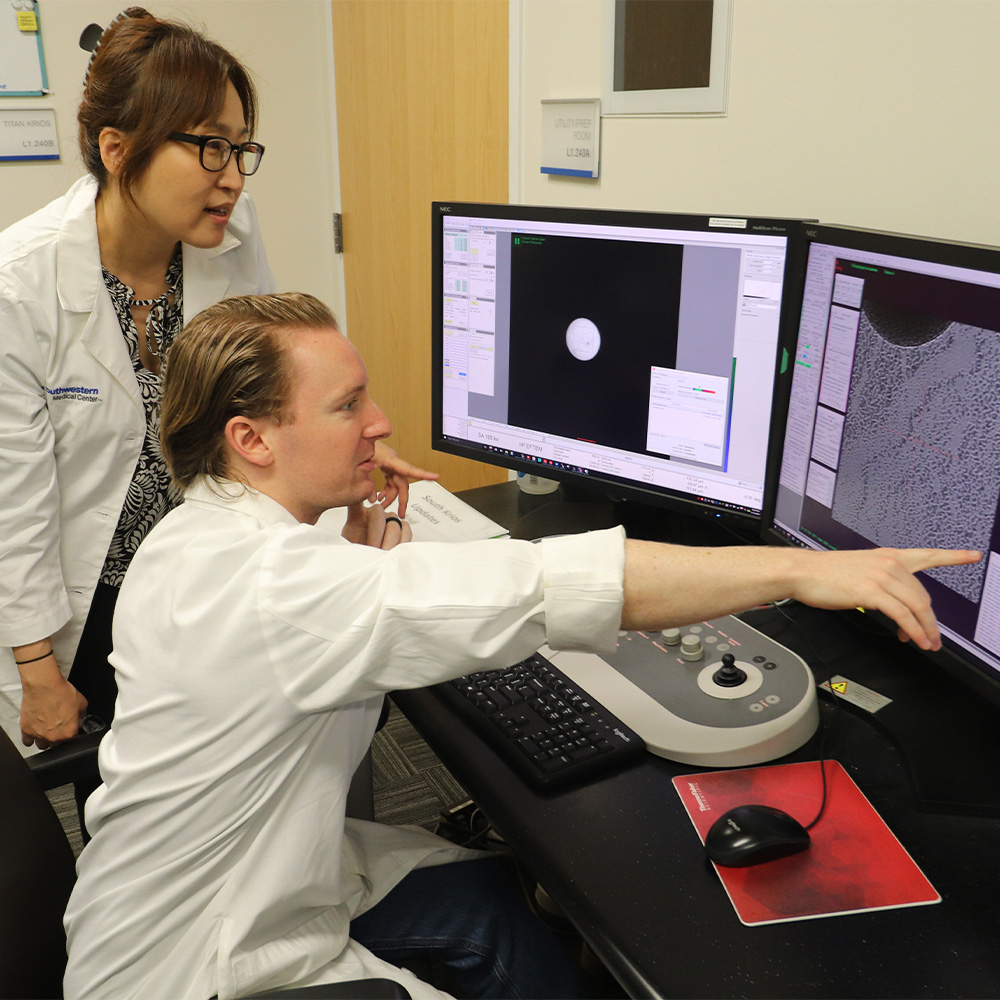
An RNA-modifying enzyme linked to cancer and neurological disorders selects its targets by recognizing specific RNA shapes and sequences, according to a study by UT Southwestern Medical Center researchers.
Disrupted metabolism linked to heart failure, UTSW study finds: Newsroom - UT Southwestern, Dallas, Texas
https://www.utsouthwestern.edu/newsroom/articles/year-2026/june-overactive-fat-burning.html
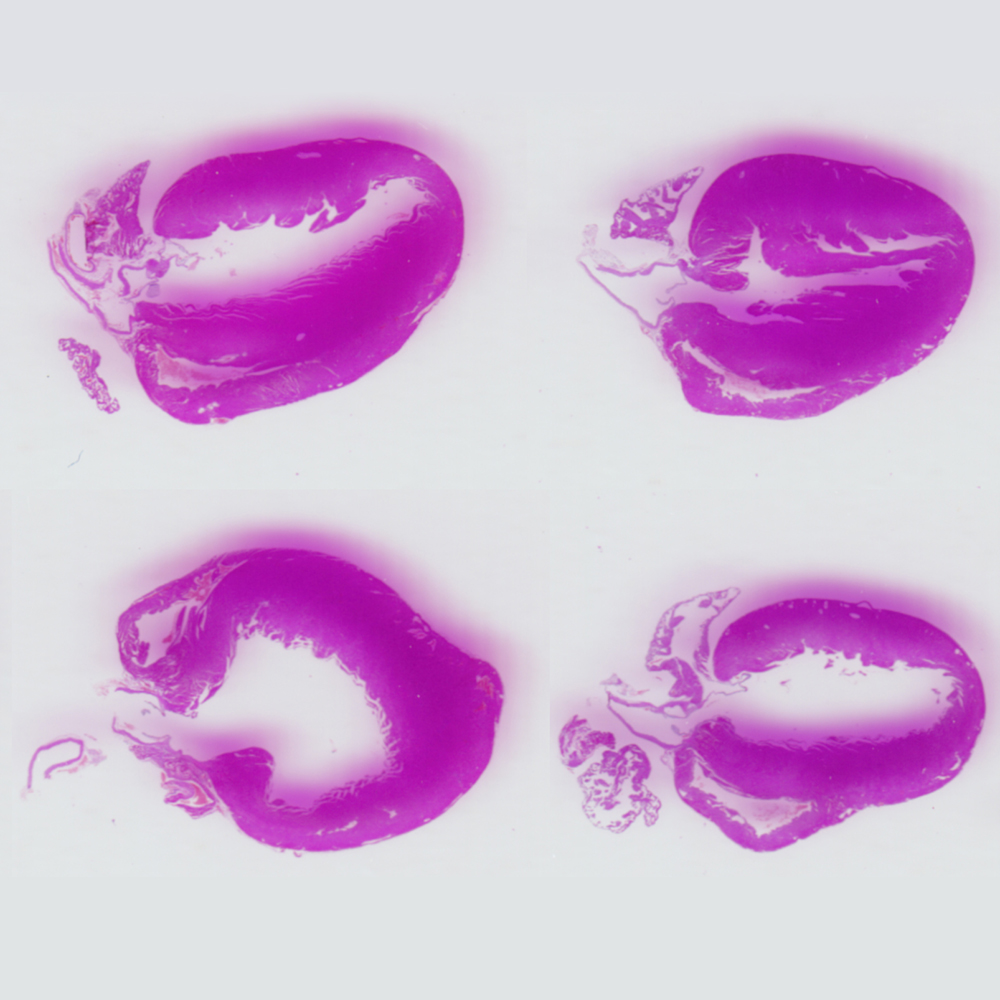
When heart cells burn fat without normal metabolic controls, they can deplete a lipid needed to keep mitochondria functioning properly, according to a study by UT Southwestern Medical Center researchers.
Metabolites produced by gut bacteria may protect against fungal infection: Newsroom - UT Southwestern, Dallas, Texas
https://www.utsouthwestern.edu/newsroom/articles/year-2026/july-fungal-infections.html
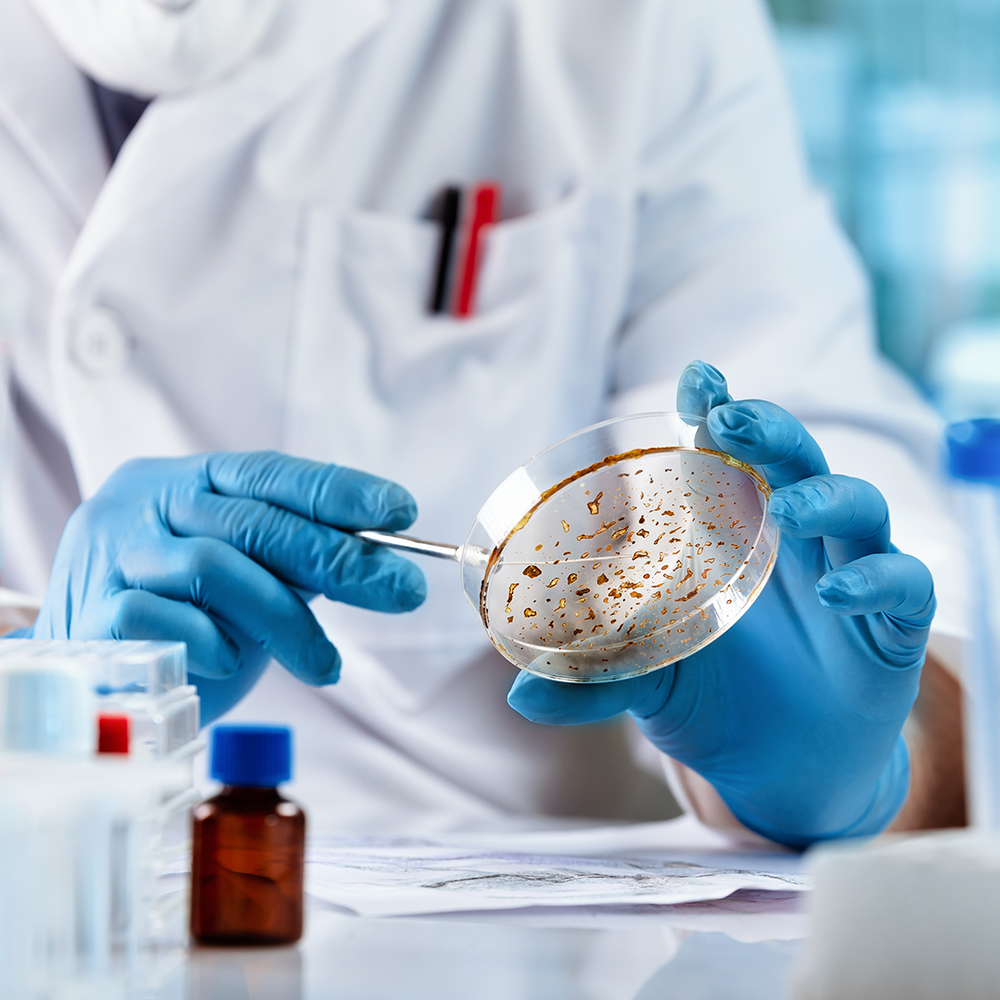
A metabolic byproduct formed when gut bacteria break down dietary fiber appears to protect against dangerous fungal infections common in immunocompromised patients, a study led by UT Southwestern Medical Center researchers shows.
Dendrites may be key to learning and memory, study suggests: Newsroom - UT Southwestern, Dallas, Texas
https://www.utsouthwestern.edu/newsroom/articles/year-2026/july-dendrites.html
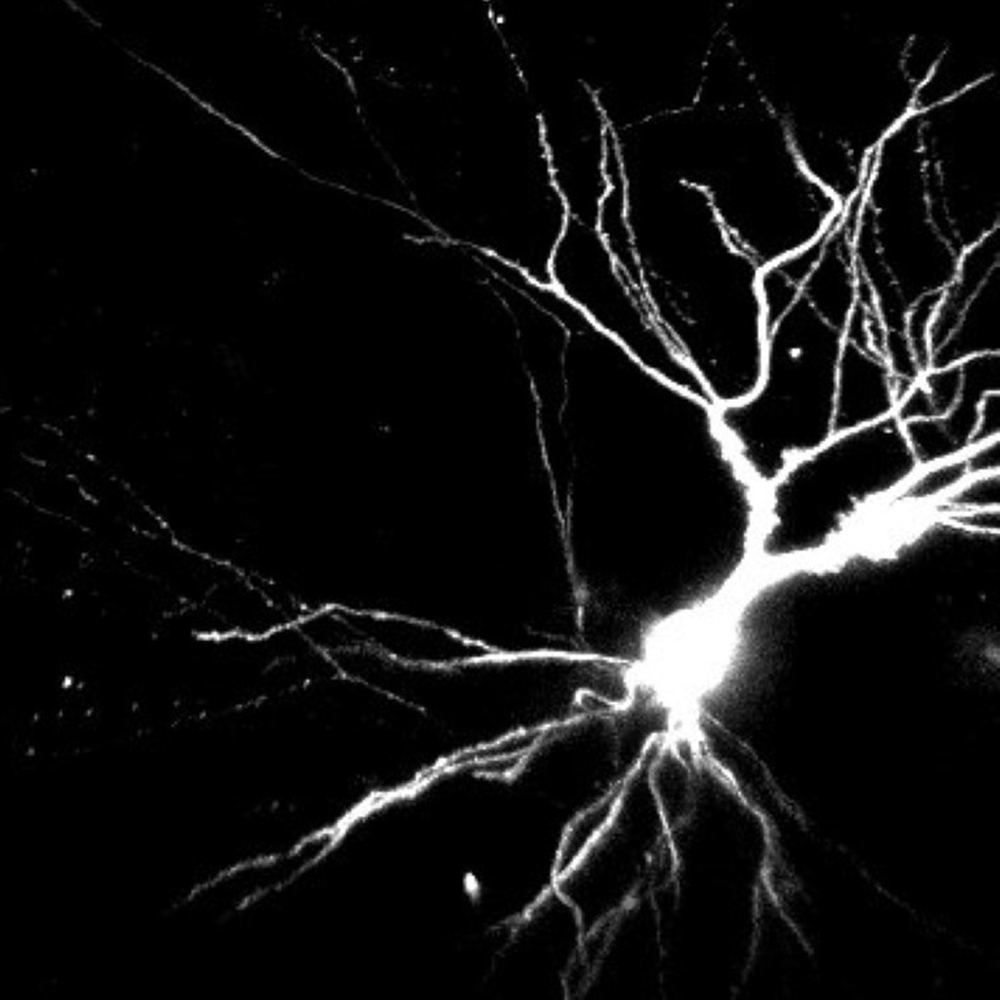
Branchlike structures called dendrites that extend from neurons appear to make their own “computations” independently of the cell body, helping individual brain cells store memories of the past, respond to the present, and anticipate the future, a study led by UT Southwestern Medical Center researchers suggests.
Study challenges concerns over hospital readmission reduction practices: Newsroom - UT Southwestern, Dallas, Texas
https://www.utsouthwestern.edu/newsroom/articles/year-2020/hospital-readmission.html
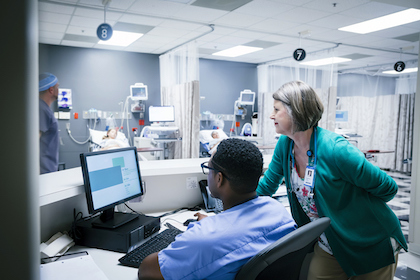
A UT Southwestern study is challenging concerns that a federal health policy enacted in 2012 to reduce hospital readmissions leaves patients more vulnerable.
Traditional risk factors predict heart disease about as well as sophisticated genetic test, study suggests: Newsroom - UT Southwestern, Dallas, Texas
https://www.utsouthwestern.edu/newsroom/articles/year-2020/predicting-heart-disease.html

Traditional cardiovascular risk factors, such as blood pressure, cholesterol levels, diabetes, and smoking status, are at least as valuable in predicting who will develop coronary heart disease as a sophisticated genetic test that surveys millions of different points in DNA.
Study: Tuberculosis bacteria produce cough-triggering molecule: Newsroom - UT Southwestern, Dallas, Texas
https://www.utsouthwestern.edu/newsroom/articles/year-2020/tuberculosis-bacteria.html

The bacteria that cause the deadly lung disease tuberculosis appear to facilitate their own spread by producing a molecule that triggers cough.
Study finds 95 percent satisfaction rate with Mohs surgery: Newsroom - UT Southwestern, Dallas, Texas
https://www.utsouthwestern.edu/newsroom/articles/year-2020/mohs-surgery.html

Patients who received Mohs surgery to treat the most serious form of skin cancer, melanoma, reported a 95 percent long-term satisfaction rate with their results.
UT Southwestern expands neurosurgical program to Texas Health Dallas: Newsroom - UT Southwestern, Dallas, Texas
https://www.utsouthwestern.edu/newsroom/articles/year-2020/neurosurgical-program.html
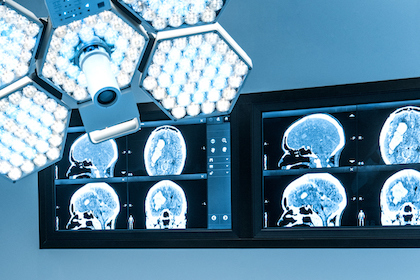
UT Southwestern Medical Center is expanding its neurological surgery program to Texas Health Presbyterian Hospital Dallas.