
Search
Working with a Professional Coach: Thrive Newsletter - Faculty Wellness - UT Southwestern, Dallas, Texas
https://www.utsouthwestern.edu/education/provost/faculty-affairs-career-development/faculty-wellness/news/thrive/working-with-a-coach.html

Your well-being is determined by many factors, including your career satisfaction, life satisfaction, and the myriad of circumstances that define the world you live in. Many of these circumstances are beyond your control, but that belies the fact that much is within your control. The hard part is figuring out the parts you can influence and letting go of the ones you can’t. One of the best ways to do that is by working with a professionally trained coach. Did you know all UTSW-employed faculty have access to a professionally trained coach at no charge? You can learn more about coaching in this month’s blog post, and faculty can sign up for coaching here.
The Gentle Power of Self-Compassion: Embracing Imperfection with Kindness - Faculty Wellness, Thrive blog - UT Southwestern, Dallas, Texas
https://www.utsouthwestern.edu/education/provost/faculty-affairs-career-development/faculty-wellness/news/thrive/self-compassion.html

Self-compassion is important for our mental and emotional well-being. It allows us to be kind to ourselves, even when we make mistakes. This can help us to learn from our mistakes and grow as people. Self-compassion can also help us to cope with stress and difficult emotions. When we are compassionate towards ourselves, we are less likely to judge ourselves harshly or engage in negative self-talk. This can lead to increased feelings of happiness, self-worth, and resilience.
Love begins with yourself: Thrive Newsletter - Faculty Wellness - UT Southwestern, Dallas, Texas
https://www.utsouthwestern.edu/education/provost/faculty-affairs-career-development/faculty-wellness/news/thrive/love-yourself.html

“Love makes the world go round, so the saying goes. Often, it’s associated with romance, passion, and grand gestures to the person who makes our heart go a-thumpin’. Little do we realize that for the world to truly go ‘round, love begins with oneself (or it should, anyway).” -- Tatiana Azman
Why You Should Ask for Help Even Though It's Scary: Thrive Newsletter - Faculty Wellness - UT Southwestern, Dallas, Texas
https://www.utsouthwestern.edu/education/provost/faculty-affairs-career-development/faculty-wellness/news/thrive/ask-for-help.html

Asking for help is often seen as a sign of weakness, but it can actually be a sign of strength. There are many reasons why we might not ask for help, but the most common are that we're afraid of being seen as weak, we're afraid of being told no, or we've been burned in the past by people who offered help but didn't actually help. Yet life is full of things we cannot do alone. Asking for what you need from others is a critical life skill to practice. There are a few key things to keep in mind when asking for help. First, be as specific as possible about what kind of help you need. Second, be open to different types of help. Finally, be accepting and grateful for whatever help you receive, even if it’s indirect.
Navigating Interpersonal Conflict: Thrive Newsletter - Faculty Wellness - UT Southwestern, Dallas, Texas
https://www.utsouthwestern.edu/education/provost/faculty-affairs-career-development/faculty-wellness/news/thrive/interpersonal-conflict.html

Interpersonal conflict in teams can be frustrating and lead to dissatisfaction at work. Conflict itself is not the problem. Conflict around ideas is a necessary and productive element of high-performing teams.
February: The Month of Love—But Is It Really?: Thrive Newsletter - Faculty Wellness - UT Southwestern, Dallas, Texas
https://www.utsouthwestern.edu/education/provost/faculty-affairs-career-development/faculty-wellness/news/thrive/love-yourself-jh.html

It's a beautiful thing to show love to our children, spouses, friends, and family. But when was the last time you truly loved on you?
How to manage inner conflict and find wellness - UT Southwestern, Dallas, Texas
https://www.utsouthwestern.edu/education/provost/faculty-affairs-career-development/faculty-wellness/news/thrive/inner-conflict.html

Conflict is not a strange thing for people. Human beings experience it in their day-to-day lives – with their friends, families, and more so in their professional lives. Often when we think of conflict, it usually includes external individuals such as co-workers, bosses, friends, family members, children, spouses, etc. However, what if I challenged you to go inward and consider inner conflicts you may have within yourself that are hindering you from achieving wellness?
Oh, how time flies! Embracing the Back-to-School Season: Thrive Newsletter - Faculty Wellness - UT Southwestern, Dallas, Texas
https://www.utsouthwestern.edu/education/provost/faculty-affairs-career-development/faculty-wellness/news/thrive/back-to-school.html

As summer winds down and the school year approaches, it's natural for both parents and children to feel a mix of excitement and anxiety. Transitioning from the relaxed pace of summer to the structured routine of school can be challenging. Here are some tips to help your family prepare for the new school year smoothly and stress-free.
Faculty Wellness Retreat Keynote Video: Thrive Newsletter - Faculty Wellness - UT Southwestern, Dallas, Texas
https://www.utsouthwestern.edu/education/provost/faculty-affairs-career-development/faculty-wellness/news/thrive/culture-of-courage.html
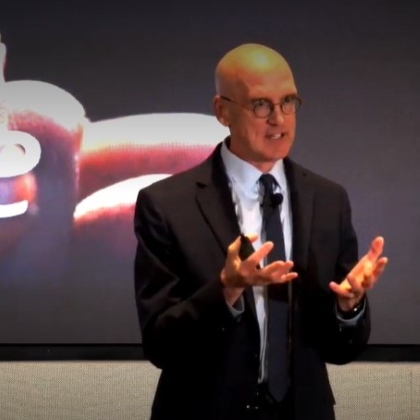
The Office of Faculty Wellness hosted its inaugural Faculty Wellness Retreat, June 9, 2023. Keynote speaker Stephen Swensen, M.D., shared his insights on building camaraderie, agency, and coherence for high-value results in healthcare.
Break the Habit of Procrastination: Thrive Newsletter - Faculty Wellness - UT Southwestern, Dallas, Texas
https://www.utsouthwestern.edu/education/provost/faculty-affairs-career-development/faculty-wellness/news/thrive/break-the-procrastination-habit.html

If you are a procrastinator, you’re not alone. Procrastination is a common problem that affects almost everyone at some point in their lives. By evaluating your current habits and behaviors, and taking the time to identify the source of the problem, you can begin to create a plan of action to break the habit.