

2026 Future Leaders in Clinical Research Symposium
April 13, 2026
8 a.m.-12:30 p.m.
ND.14
About the Symposium
The Future Leaders in Clinical Research Symposium highlights the innovative work supported by UTSW research fellowships and scholarships. We hope you join us for the opportunity to connect, exchange ideas, and build collaborations that advance clinical and translational science. By celebrating scholarly achievements, the symposium underscores the vital role of faculty development programs in cultivating the next generation of clinical research leaders.
Speakers
Scholars
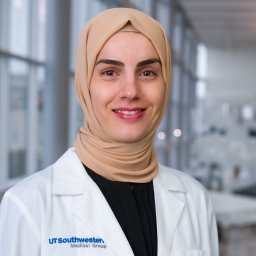
“Infectious Complications After Anti CD19-Directed CAR T-Cell Therapy”
Assistant Professor of Internal Medicine
UTSW-Parkland Health Equity Scholars Program
Dr. Yilmaz's research focuses on improving clinical trial access for disadvantaged patients, ctDNA-guided treatment de-escalation in B-cell lymphomas, and toxicities associated with CAR-T cell therapy. Her current work includes investigating infectious complications following CAR-T therapy in patients with large B-cell lymphomas.
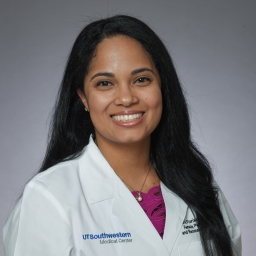
“When Cells Age and Support Fails: Cellular Senescence and ECM Remodeling in Pelvic Organ Prolapse”
Associate Professor of Obstetrics and Gynecology
Dedman Family Scholar in Clinical Care
Dr. Florian-Rodriguez’s research focuses on the molecular and biomechanical mechanisms underlying pelvic floor disorders, specifically pelvic organ prolapse. Her work integrates clinical phenotyping with advanced approaches such as extracellular matrix biology, -omics, and tissue mechanics to identify pathways that drive pelvic floor dysfunction and to develop translational biomarkers and therapeutic targets.
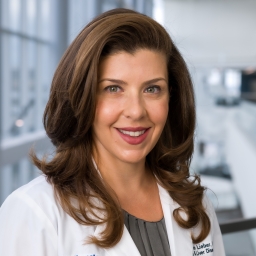
“Survivorship After Liver Transplantation: Identifying At-Risk Survivors in Need of Intervention”
Assistant Professor of Internal Medicine
KL2 Research Scholar
Dr. Lieber's research interests are focused on survivorship after liver transplantation, including patient-reported and medical outcomes, as well as implementation of health behavior interventions.
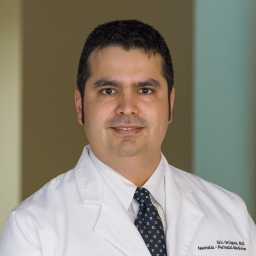
“Biomarkers of Feeding Intolerance in Preterm Infants”
Associate Professor of Pediatrics
KL2 Clinical Scholars Program
Dr. Ortigoza’s research focuses on neonatal gastrointestinal motility and feeding intolerance in preterm infants. He integrates noninvasive physiologic monitoring with microbiome and metabolite analyses to develop objective biomarkers that distinguish developmental immaturity from gastrointestinal pathology. His work aims to improve diagnostic precision and guide safer, evidence-based feeding practices in vulnerable neonatal populations.
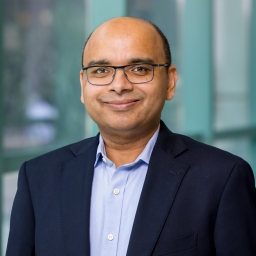
“Novel Therapeutics for Methamphetamine Use Disorder: Utility of GLP-1RAs and Neuromodulation”
Associate Professor of Psychiatry
O’Donnell Brain Institute Clinical Neuroscience Scholar
Dr. Jha's program of research is focused on developing novel interventions for psychiatric disorders and addiction research, personalizing the use of currently available treatments, and bringing these scientific discoveries to clinical practice. Specifically, he has focused on developing novel treatments for methamphetamine use disorder.
“Integrating Translational and Clinical Approaches to Understanding Disease in Human Pregnancy”
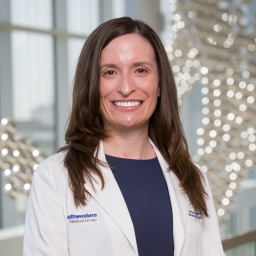
Assistant Professor of Obstetrics and Gynecology
KL2 Research Scholar
Dr. Herrera’s current research seeks to understand the placenta in healthy and diseased states. Using MRI and genomic techniques, she is analyzing the placenta for longitudinal structure and function changes in healthy women and women with chronic hypertension. She is also working to develop first-trimester sonographic assessment of the decidua basalis, the precursor to the placenta, for prediction of placenta accreta spectrum disorders.
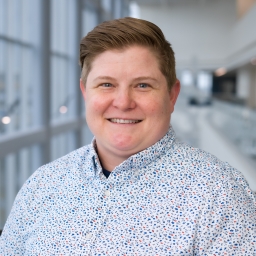
Assistant Professor of Obstetrics and Gynecology
Member of the Cecil H. and Ida Green Center for Reproductive Biology Sciences
Dean’s Discretionary Award
Dr. Solmonson’s research focus is developmental metabolism and placental biology. Her lab aims to understand the metabolic changes associated with pregnancy and how the placenta balances the metabolic demands of fetal development with its own metabolic needs.
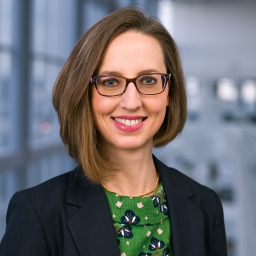
Associate Professor of Obstetrics and Gynecology
Dean’s Scholar in Clinical Research
Dr. Adhikari conducts research aimed at fighting infectious diseases in pregnancy, reducing the primary cesarean delivery rate, and understanding opioid-use disorder among pregnant women. As Medical Director of Perinatal Infectious Diseases at Parkland Health, she supervises infectious disease diagnosis, management, and prevention for the approximately 12,000 patients delivering annually. As a clinical expert in infectious diseases in pregnancy, Dr. Adhikari collaborates with experts such as Dr. Solmonson and Dr. Herrera, as well as mentors in immunology and infectious diseases, to develop unique ways to explore critical questions and improve the diagnosis, treatment, and prevention of infectious disease-related pathology in the maternal-placental-infant triad.
Trainees
- “Using Casual Inference Methods to Estimate Treatment Effects in Peripheral Artery Disease”
Mercy Ude, M.D., Internal Medicine Resident
NIH R38 UT-StARR (Stimulating Access to Research in Residency) - “Home-Based Cardiac Rehabilitation for Older Adults With Heart Failure With Preserved Ejection Fraction (Hfpef): Findings From a Pilot Randomized Controlled Trial”
Vinayak Subramanian, M.D., Cardiology Fellow
NIH R38 UT-StARR (Stimulating Access to Research in Residency) - “Understanding the Patient Experience: Validation of the Cutaneous Lupus Erythematosus Quality of Life Index”
Vraj Shah, Medical Student pursuing clinical and translation research in the Chong Lab - “Reevaluating the Prognosis of Bell's Palsy”
Christine Johansen, Medical Student pursuing clinical and translation research in the Rozen Lab
Agenda
- 8–8:15 a.m.
Light Breakfast and Networking
ND.14 Dining Hall - 8:15–8:25 a.m.
Welcome – Opening Remarks
Eric Peterson, M.D., M.P.H., Vice Provost and Senior Associate Dean for Clinical Research - 8:25–8:35 a.m.
Importance of Scholarly Programs at UTSW
Heidi Jacobe, M.D., Associate Dean for Clinical Research Development Scholar Presentations - 8:35–8:55 a.m.
“Infectious Complications After Anti CD19-Directed CAR T-Cell Therapy”
Elif Yilmaz, M.D. - 8:55–9:15 a.m.
“When Cells Age and Support Fails: Cellular Senescence and ECM Remodeling in Pelvic Organ Prolapse”
Maria Florian-Rodriguez, M.D. - 9:15–9:30 a.m.
“Using Casual Inference Methods to Estimate Treatment Effects in Peripheral Artery Disease”
Mercy Ude, M.D. - 9:30–9:45 a.m.
“Home-Based Cardiac Rehabilitation for Older Adults With Heart Failure With Preserved Ejection Fraction (Hfpef): Findings From a Pilot Randomized Controlled Trial”
Vinayak Subramanian, M.D. - 9:45–10 a.m.
“Understanding the Patient Experience: Validation of the Cutaneous Lupus Erythematosus Quality of Life Index”
Vraj Shah - 10–10:15 a.m.
“Reevaluating the Prognosis of Bell's Palsy”
Christine Johansen - 10:15–10:25 a.m.
Break - 10:25–10:50 a.m.
“Integrating Translational and Clinical Approaches to Understanding Disease in Human Pregnancy”
Christina Herrera, M.D.
Ashley Solmonson, Ph.D.
Emily Adhikari, M.D. - 10:50–11:10 a.m.
“Survivorship After Liver Transplantation: Identifying At-Risk Survivors in Need of Intervention”
Sarah Lieber, M.D. - 11:10–11:20 a.m.
“Biomarkers of Feeding Intolerance in Preterm Infants”
Eric Ortigoza, M.D. - 11:20–11:40 a.m.
“Novel Therapeutics for Methamphetamine Use Disorder: Utility of GLP-1RAs and Neuromodulation”
Manish Jha, M.D. - 11:40-11:45 a.m.
Closing Remarks
Heidi Jacobe, M.D.
Eric Peterson, M.D., M.P.H. - 11:45 a.m.–noon
Scholar Pictures - Noon–12:30 p.m.
Lunch
ND.14 Dining Hall