
Who We Are
Pharmacology Faculty
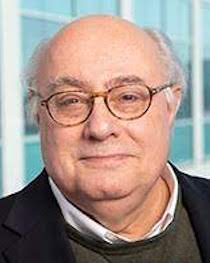
Joseph Albanesi, Ph.D.
joseph.albanesi@utsouthwestern.edu
Our lab investigates the dysregulation of dynamin in neuromyopathies, and the role of phosphoinositides in endocytic trafficking.
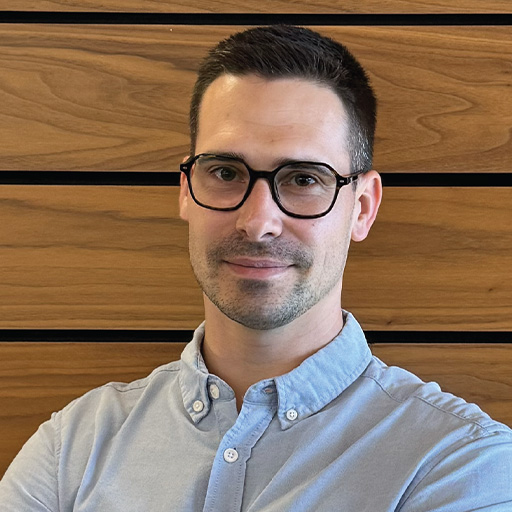
Our lab seeks to understand redox- and metabolite-driven regulatory mechanisms that control cellular processes, particularly mitochondrial metabolism, in health and disease.

View Lab • yuhmin.chook@utsouthwestern.edu
We study how nuclear-cytoplasmic trafficking of macromolecules coordinated by the Karyopherin-βs family of nuclear transport receptors contributes to overall cellular organization.
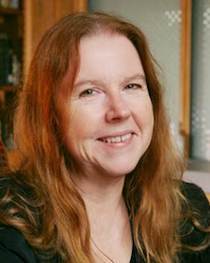
View Lab • melanie.cobb@utsouthwestern.edu
The Cobb Lab studies signal transduction mechanisms, especially MAPKs, WNKs, and Ste20-related protein kinases. We focus on the relationship of nutrient regulation of pancreatic beta cells to neuroendocrine cancers.
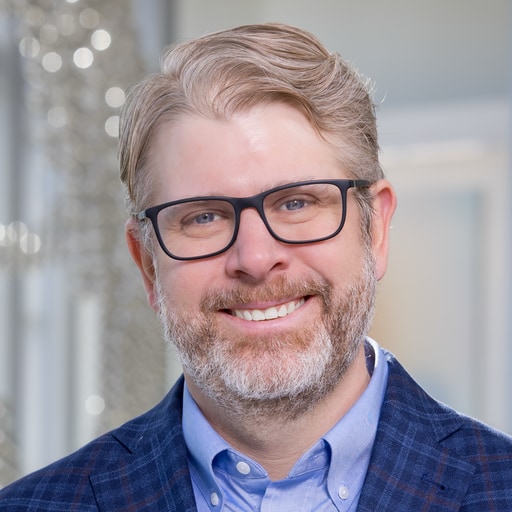
View Lab • JamesJ.Collins@UTSouthwestern.edu
We seek to understand fundamental aspects of schistosome biology, including the biology of somatic and reproductive stem cells.
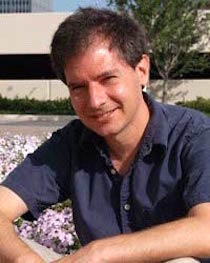
View Lab • corey@chop.swmed.edu
We study how the chemical properties of synthetic nucleic acids affect recognition of RNA and DNA, investigating allele-selective recognition of disease genes that contain expanded repeat regions, and developing RNAi proteins to control splicing or transcription.
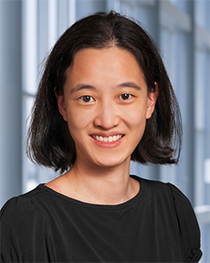
View Lab • sarah.huen@utsouthwestern.edu
We study how metabolic adaption promotes survival during sepsis and how the kidneys contribute to systemic metabolism during inflammation.
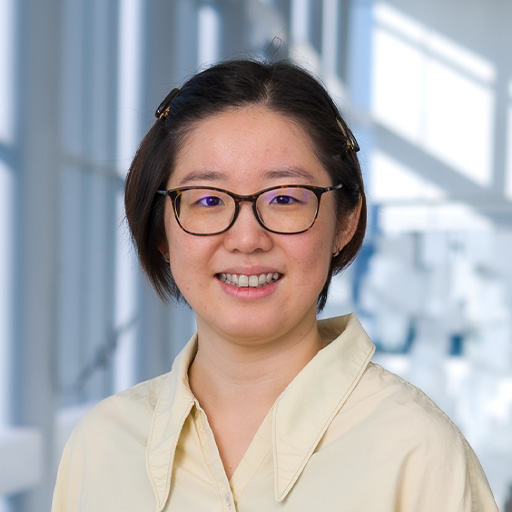
We seek to understand the allosteric regulation of membrane proteins and to develop new pharmacological strategies for modulating membrane enzymes.
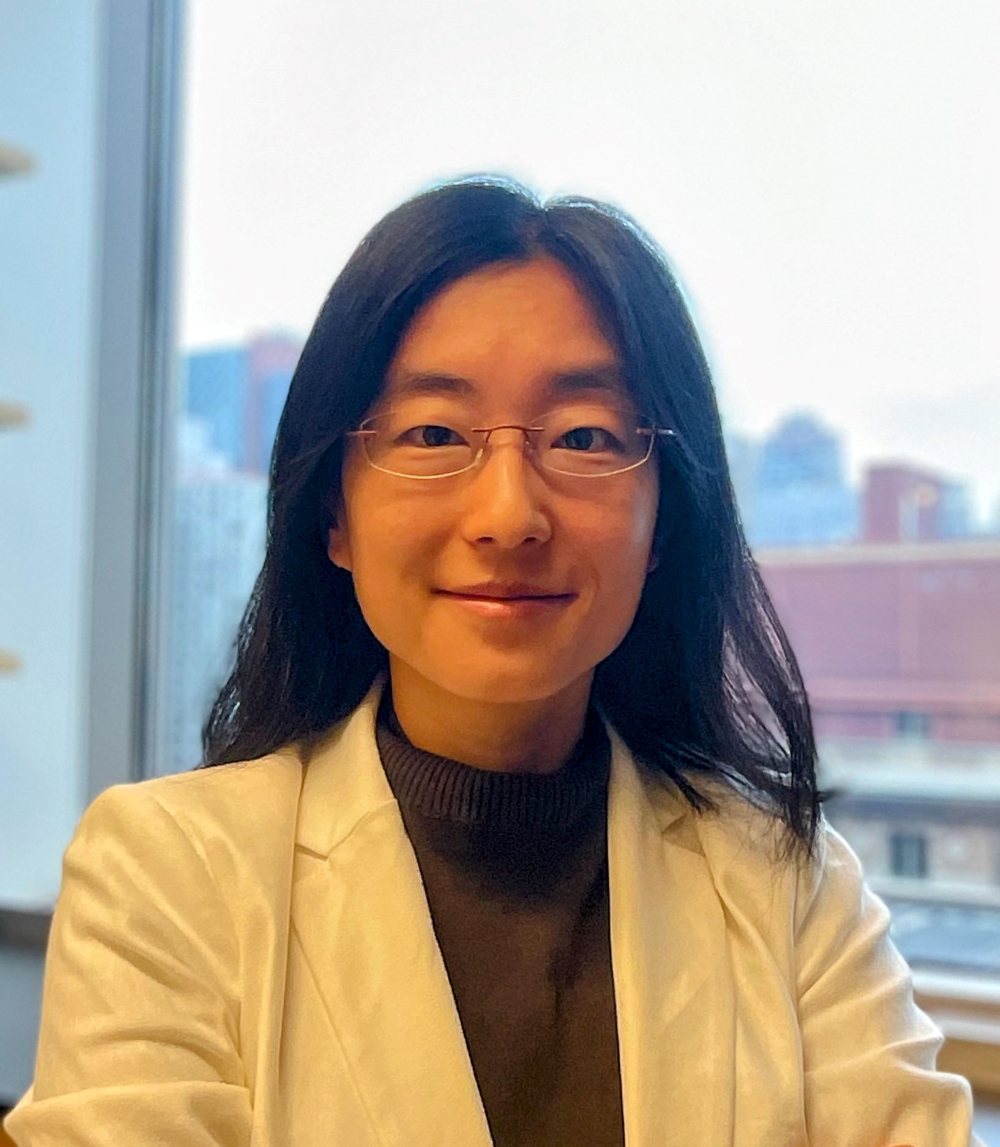
View Lab • siqi.liu@utsouthwestern.edu
We are broadly interested in injury sensing and tissue repair. Specifically, we seek to understand how our epithelial tissues sense injury and engage in a coordinated repair program to restore homeostasis.
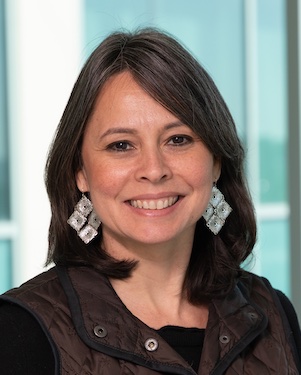
View Lab • elisabeth.martinez@utsouthwestern.edu
We study the deregulation of transcriptional pathways in human disease and finding small molecules to normalize or modulate these gene-expression patterns.
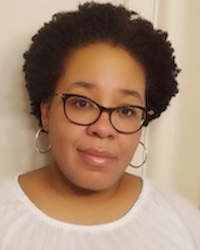
View Lab • jihan.osborne@utsouthwestern.edu
The Osborne lab focuses on understanding how RNA regulatory mechanisms (specifically miRNA and mRNA) regulate normal development and disease.
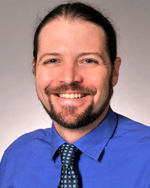
View Lab • michael.reese@utsouthwestern.edu
Our laboratory studies how the ubiquitous parasite Toxoplasma gondii co-opts the cellular signaling of its hosts, and how evolutionary competition has shaped the signaling of both organisms.
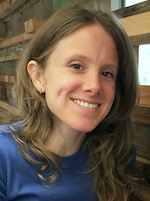
View Lab • CourtneyM.Schroeder@utsouthwestern.edu
The Schroeder lab studies non-canonical cytoskeletal genes that are rapidly evolving and have novel biological functions. We want to know what drives this evolutionary diversification and how it affects fertility, development, and cancer.
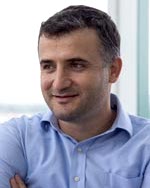
View Lab • erdal.toprak@utsouthwestern.edu
We investigate genetic and molecular basis of phenotypic diversity using whole genome sequencing, transcriptome analysis, fluidics, fluorescence, long-term evolution experiments, large-scale combinatorial mutagenesis, computational methods, and other tools.
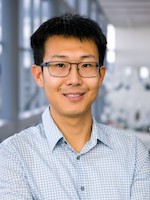
View Lab • boyuan.wang@utsouthwestern.edu
The Wang Lab uses chemical biology tools to study the molecular mechanisms underlying interesting bacterial behaviors. We are particularly interested in (p)ppGpp, a universally conserved, starvation-induced nucleotide messenger.
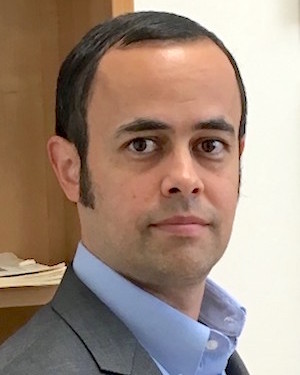
View Lab • benjamin.weaver@utsouthwestern.edu
The Weaver lab studies non-canonical roles of caspases acting with other proteolytic factors to execute diverse cellular functions, particularly signaling pathways, gene expression dynamics, and cell-fate decisions.
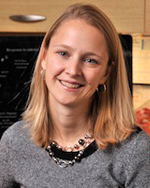
View Lab • angelique.whitehurst@utsouthwestern.edu
The Whitehurst Lab uses RNAi-based functional genomics to identify gene products that support viability and/or modulate chemotherapeutic sensitivity in tumor cells. Using this strategy, we discovered that tumor cells can depend on aberrantly activated gametogenic genes for survival.
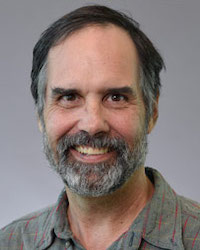
View Lab • thomas.wilkie@utsouthwestern.edu
We study G protein coupled receptor signaling regulating pancreas development, beta cell regeneration in diabetes, and aberrant cell growth and metastasis in pancreatic ductal adenocarcinoma.

View Lab • xuewue.zhang@utsouthwestern.edu
We study signaling mechanisms of transmembrane receptors in neural and immune systems via X-ray, cryo-EM and other approaches.
Retired/Emeritus Faculty
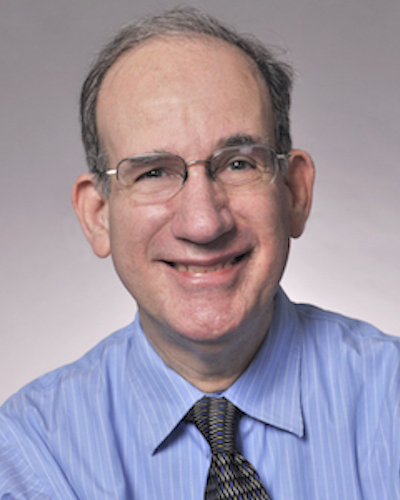
joel.goodman@utsouthwestern.edu
The Goodman lab studies trafficking and assembly of intracellular lipid droplets, with particular attention on the lipodystrophy proteins lipin and seipin.
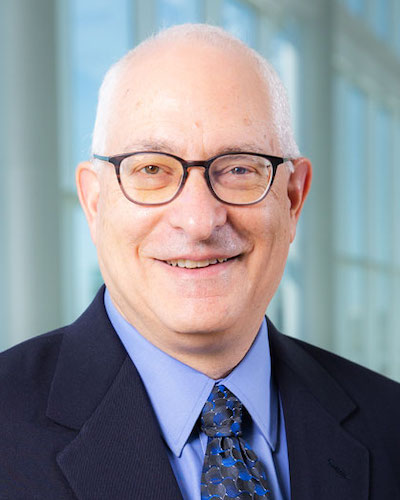
mark.lehrman@utsouthwestern.edu
Dr. Lehrman serves as Assistant Dean for Academic Facilities and Resource Planning. His scientific expertise is synthesis and recognition of glycoconjugates-polysaccharides coupled to proteins and lipids, with focus on the stress-signaling pathways of the endoplasmic reticulum.
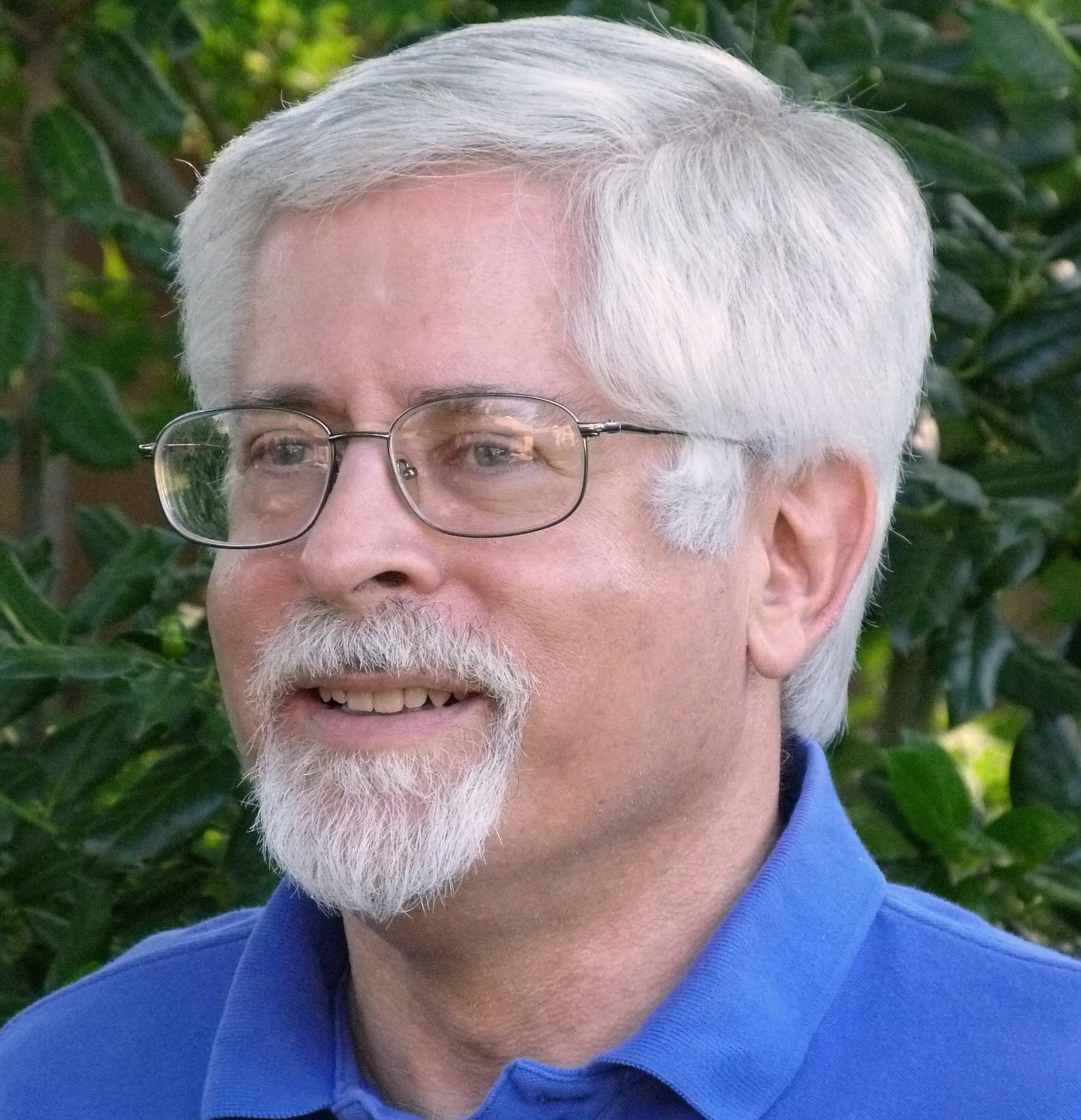
elliot.ross@utsouthwestern.edu
We study the molecular mechanisms used to sort, amplify, and convey information—particularly through G protein signaling modules. I recently became Associate Dean for Basic Research.
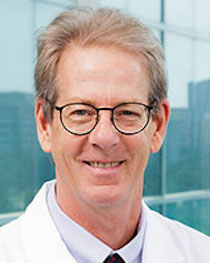
We study the link between pheromones and behavior in Drosophila as a model system for information processing by the brain.
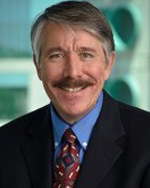
paul.sternweis@utsouthwestern.edu
Our research focuses on elucidation of pathways and mechanisms by which cell surface receptors regulate intracellular function. Current studies, which center on G protein pathways, combine biochemical, structural, fluorescent, and cell-based techniques to gain better understanding of both molecular mechanisms and physiological impact of these pathways.