
Pharmacology Department History
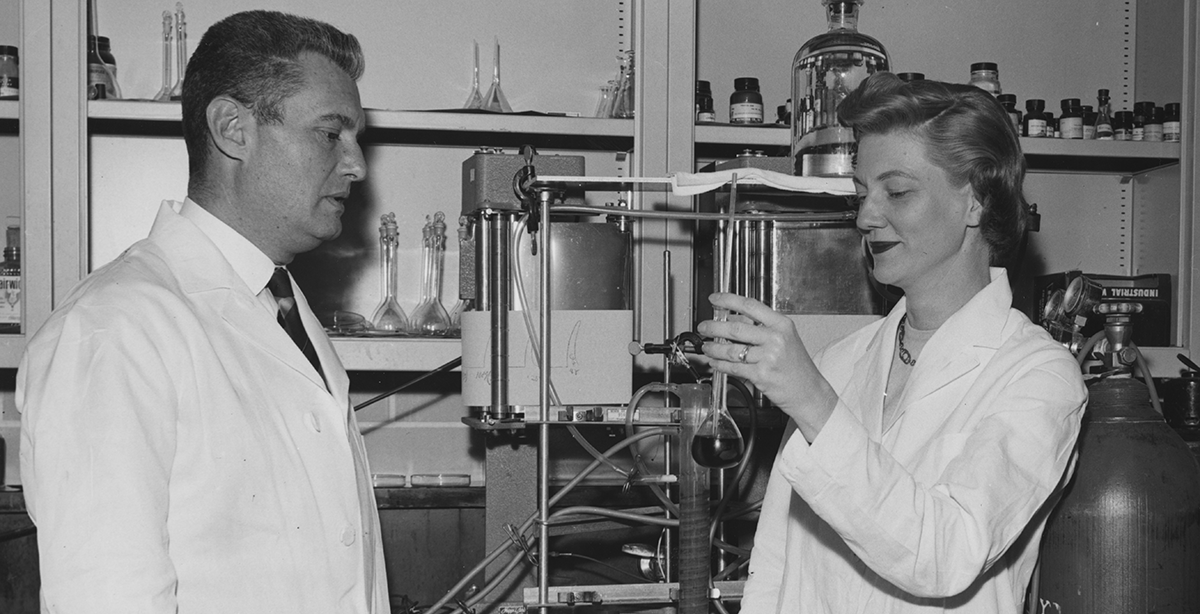
Since UT Southwestern’s founding in 1943, the Department of Pharmacology has been deeply connected to the institution’s mission to train the next generation of leaders in medicine and biomedical science, advance our understanding of fundamental biological principles, and to translate this knowledge to improve human health.
Today, the Department currently boasts over 30 faculty members and, in its rich history, primary faculty have included six HHMI Investigators , five members of the National Academies, and one Nobel Laureate. Researchers in the Department have contributed to discoveries as wide ranging as G-protein signal transduction, endocrine signaling pathways, and extensively increasing our knowledge of cholesterol metabolism and treatments.
Leadership
David Mangelsdorf
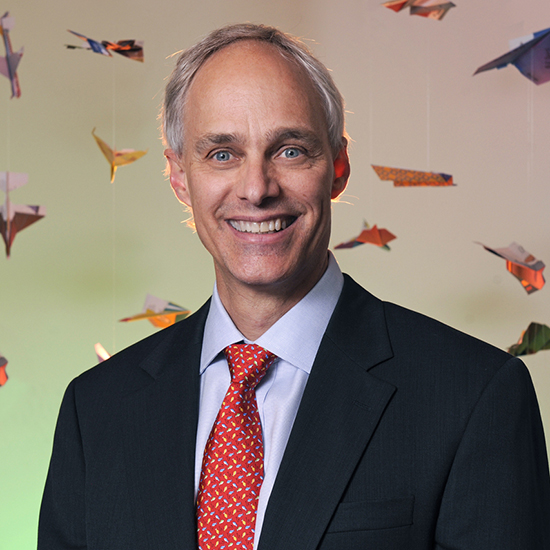
David J. Mangelsdorf, Ph.D. (1958-2025), served as Chair and Professor of the Department of Pharmacology from 2006 until his passing in 2025. Dr. Mangelsdorf fully embraced the serendipity of discovery in his career, taking paths to discoveries in divergent fields. He pioneered the characterization of orphan nuclear receptors, a class of proteins involved in gene regulation, and uncovered signaling pathways instrumental to our understanding of diabetes, obesity, cancer, alcohol intoxication, cholesterol metabolism, and parasitic infections.
Dr. Mangelsdorf ran a joint laboratory with longtime scientific collaborator Steven Kliewer, Ph.D., Professor of Molecular Biology and Pharmacology. Their early work identifying the ligands and physiological functions of orphan nuclear receptors led to the discovery of two novel signaling pathways mediated by the endocrine factors FGF19 and FGF21, which regulate nutrient metabolism during feeding and fasting. These discoveries revealed promising therapeutic targets for conditions such as cholestasis, Type 2 diabetes, and obesity. The Mangelsdorf/Kliewer Lab also uncovered a nuclear receptor pathway in parasitic nematodes and demonstrated that compounds targeting this pathway may represent a new class of antiparasitic agents.
As an HHMI Investigator, Chair of the Endowed Scholars Committee, longtime Principal Investigator of the Pharmacology training grant, and a committed mentor to numerous faculty members, postdoctoral fellows, and learners throughout campus, Dr. Mangelsdorf’s collegial and curious nature fostered multidisciplinary collaborations and championed excellence at UTSW.
Al Gilman

Alfred G. Gilman, M.D., Ph.D. (1941-2015) joined UT Southwestern in 1981 as Chairman of the Department of Pharmacology, where he served for over 20 years. In 2005, Dr. Gilman became Dean of the UT Southwestern Medical School and later served as Executive Vice President for Academic Affairs and Provost at UT Southwestern Medical Center.
In 1994, Dr. Gilman shared the Nobel Prize in Physiology or Medicine with Martin Rodbell, Ph.D., of the National Institute of Environmental Health Sciences for their discovery of G proteins (guanine nucleotide-binding regulatory proteins). It is now known that G proteins are found in virtually all cells, and are central to fundamental body processes including vision, smell, hormone secretion, and cognition. Problems in G‐protein signaling contribute to a range of diseases, including cholera, whooping cough, and cancer.
As a leader in the scientific community, Dr. Gilman was an outspoken defender of scientific integrity and an advocate for rigorous science education. He personally mentored many scientists who have gone on to become leaders in their own fields.
Dr. Gilman retired from UTSW in 2009 as a Regental Professor Emeritus to assume the position of Chief Scientific Officer of the Cancer Prevention and Research Institute of Texas (CPRIT), a position he held until 2012.
On Dec. 4, 2014, the UT System Board of Regents created the Alfred G. Gilman Distinguished Chair in Pharmacology, which honors his numerous contributions to UT Southwestern over his 28-year career.