
Ophthalmology Residency Program
2026 Application Deadline
October 1
2026 Residency Interview Dates
Friday, October 30
Friday, November 6
Friday, November 20
Friday, December 4
Friday, December 11
There will be no in-person interviews. All interviews will be held virtually.
Introduction to the Ophthalmology Residency Program
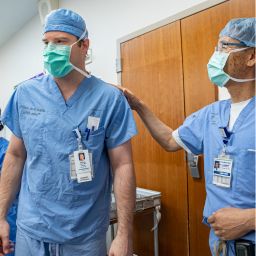
Each year, our Ophthalmology residents gain outstanding and rigorous clinical experience as a result of high surgery volume and clinical pathology. We accept 10 residents each year and strive to provide the best ophthalmic education possible. Didactic lectures presented by our full-time and clinical faculty cover all the basic science and clinical topics, as well as lectures that help fulfill ACGME competencies in medical knowledge, professionalism, system-based practice, practice-based learning and improvement, and interpersonal and communication skills.
Integrated Internship
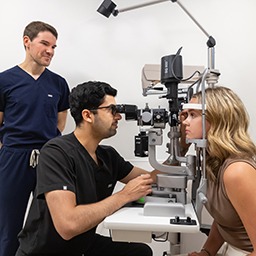
Since 2021, the department has offered an integrated internship. For applicants matching with UT Southwestern Ophthalmology through SF Match, the internship year will be at UT Southwestern. We have chosen to fully integrate our internship (as opposed to a joint preliminary year model favored by many other ophthalmology programs, where interns are assigned to another program for the year and “loaned” back to ophthalmology for four months) to maintain direct control and build an internship schedule that is applicable to the future practice of ophthalmology.
Our interns rotate at affililated hospital sites including Parkland Memorial Hospital, William P. Clements Jr. University Hospital, and the Dallas Veterans Affairs Medical Center.
Our interns have the following rotations:
- Internal medicine (4 months)
- Endocrinology (1 month)
- Rheumatology (1 month)
- Neurology (1 month)
- Emergency medicine (1 month)
- Ophthalmology (4 months)
2026-2027 Stipends
PGY-1: $71,657
PGY-2: $74,258
PGY-3: $77,686
PGY-4: $82,225
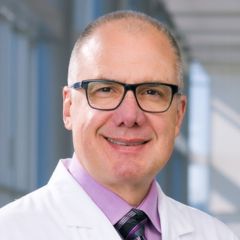
J. William Harbour, M.D.
Professor and Chair of Ophthalmology
Our goal in training residents and fellows is that they will become leaders in ophthalmology in their subspecialties wherever they practice, to not only learn to be technically good and good surgeons but to be compassionate physicians.
Rotations and Surgeries
- By Year
First Year (PGY-2)
During the first year of residency, trainees rotate through additional hospital sites including John Peter Smith Hospital in Fort Worth and Children’s Medical Center in Dallas. This year focuses on developing strong clinical skills through experience in high-volume clinics and exposure to diverse patient populations. Residents also serve as primary surgeon for a variety of extraocular procedures, including oculoplastic and strabismus surgeries, as well as minor operations such as pterygium and chalazion excisions. The oculoplastics rotation was intentionally moved to the first year to better align resident experience with the oculoplastics fellowship cycle, which occurs earlier than those of most other subspecialties. In preparation for expanded intraocular surgical responsibilities in later years, residents complete a formal pre-surgical curriculum that includes virtual surgical simulation.
Second Year (PGY-3)
Second-year residents continue training across the same hospital sites while assuming increasingly more advanced surgical responsibilities. They serve as primary surgeon for an growing number of cataract and other intraocular procedures, including corneal and vitreoretinal surgeries. Training in phacoemulsification begins at most sites and includes early exposure to premium intraocular lens implantation and minimally invasive glaucoma surgery (MIGS). Residents perform an average of 30 cataract procedures as primary surgeon during the second year and often meet ACGME minimum requirements for MIGS before advancing to their senior year.
Clinical training is further enriched through subspecialty rotations in neuro-ophthalmology, vitreoretinal disease, ocular oncology, and cornea and external disease. The year also includes a dedicated overnight consult rotation, a resident-driven initiative designed to better balance patient care responsibilities with resident well-being.
Third Year (PGY-4)
During their final year of residency, senior residents rotate through glaucoma, retina, and advanced surgical services across all training sites. Surgical experiences include ocular trauma, refractive surgery, complex cataract procedures (including laser-assisted cataract surgery, premium intraocular lens implantation, and extracapsular cataract extraction), glaucoma surgery, strabismus surgery, and retinal procedures.
Senior residents spend more time in the operating room, serving as primary surgeon on many cases with significant autonomy under close faculty supervision. The goal of this year is to graduate residents with a strong surgical foundation and the confidence to pursue the next stage of their careers, whether entering comprehensive ophthalmic practice or advanced supspecialty training.
- Subspecialty Rotations
- Comprehensive ophthalmology
- Contact lenses
- Cornea and external disease
- Lens and cataract
- Glaucoma
- Low vision rehabilitation
- Medical retina
- Neuro-ophthalmology
- Ocular oncology
- Oculoplastics and orbital surgery
- Ophthalmic pathology
- Pediatric ophthalmology and strabismus
- Retina and vitreous surgery
- Uveitis and intraocular inflammation
- Surgery
We far exceed minimum surgical requirements for training as established by the ACGME. With a variety of training sites in the Metroplex, we offer a broad base of surgical training with substantial surgical numbers in all subspecialty areas, in addition to cataract surgery. Residents perform surgery with advanced equipment, including femtosecond laser-assisted cataract surgery and premium intraocular lens implants.
Procedure ACGME Minimum Requirement UTSW Ophthalmology 2026 Residency Class Median Max Cataract 86 237 277 Laser Surgery - YAG Capsulotomy 5 32 57 Laser Surgery - Laser Trabeculoplasty 5 22 50 Laser Surgery - Laser Iridotomy 4 12 34 Laser Surgery - Panretinal Laser Photocoagulation 10 154 279 Keratoplasty* 5 7 13 Pterygium/Conjunctival and Other Cornea 3 9 12 Keratorefractive Surgery* 6 6 8 Strabismus 10 24 51 Glaucoma - Trabeculectomy/Tube Shunts* 5 5 10 Glaucoma - MIGS 5 15 30 Retina Vitreous* 10 20 38 Oculoplastic and Orbital 28 38 53 Oculoplastic - Eyelid Laceration 3 6 10 Oculoplastic - Chalazion Excision 3 5 6 Oculoplastic - Blepharoplasty/Ptosis Repair 3 12 31 Globe Trauma 4 9 16 * Surgeon plus assistant as per ACGME reporting guidelines Source: ACGME Case Logs
Videos: Get to Know the Department of Ophthalmology
- Virtual Tours
YouVisit Tour - An interactive campus tour that brings to life what a future at UT Southwestern could look like.
Ophthalmology Tour
UT Southwestern Campus Tour
- About our Program
J. William Harbour, M.D., Professor and Chair of Ophthalmology, discusses the strengths of the department's training programs:
Kishan G. Patel, M.D., Director of the Ophthalmology Residency Program, on what UT Southwestern has to offer:
Leadership
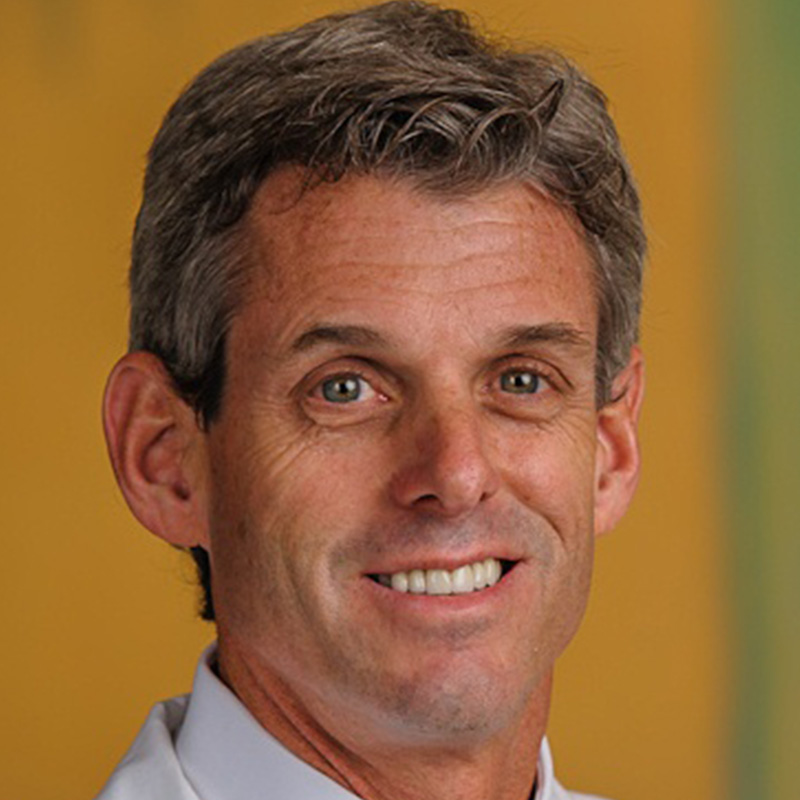
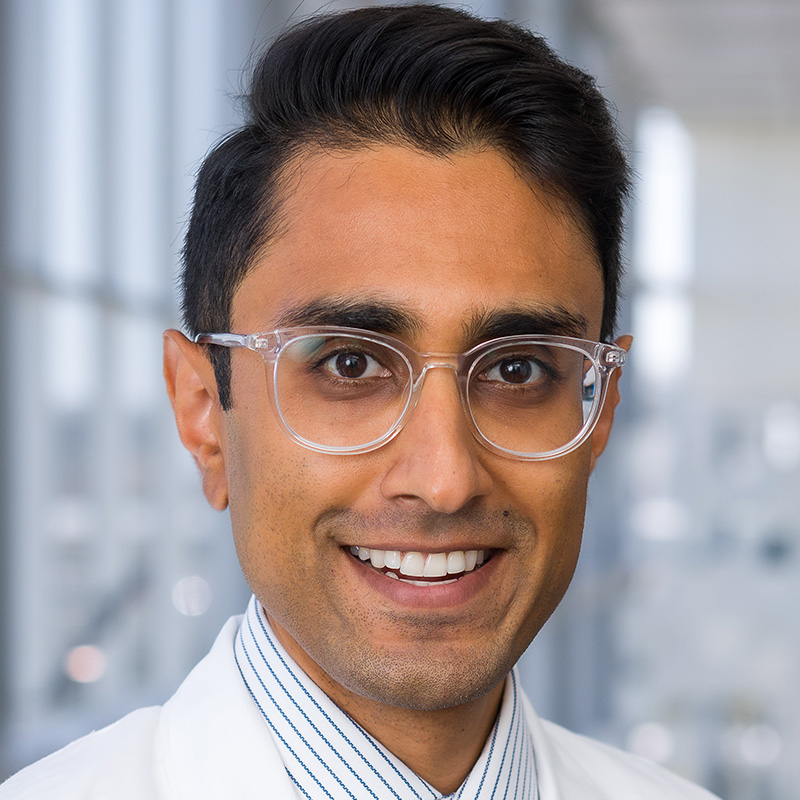
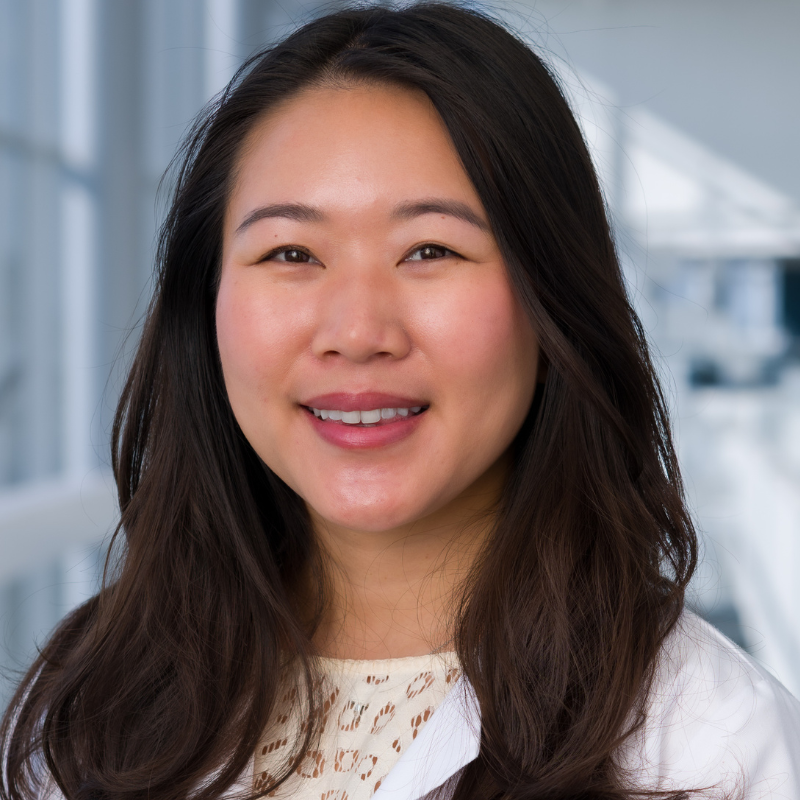
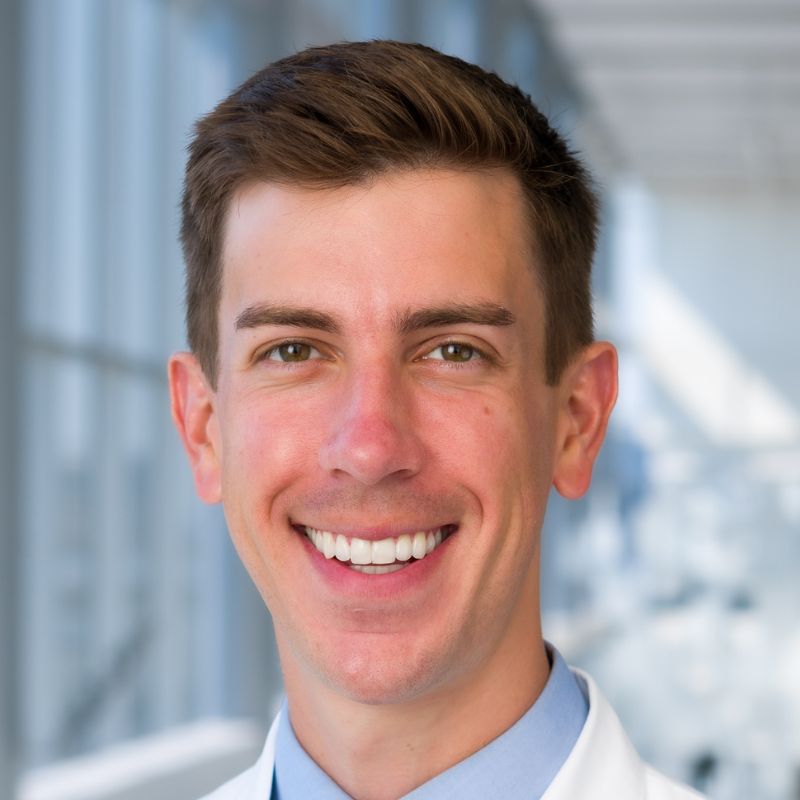
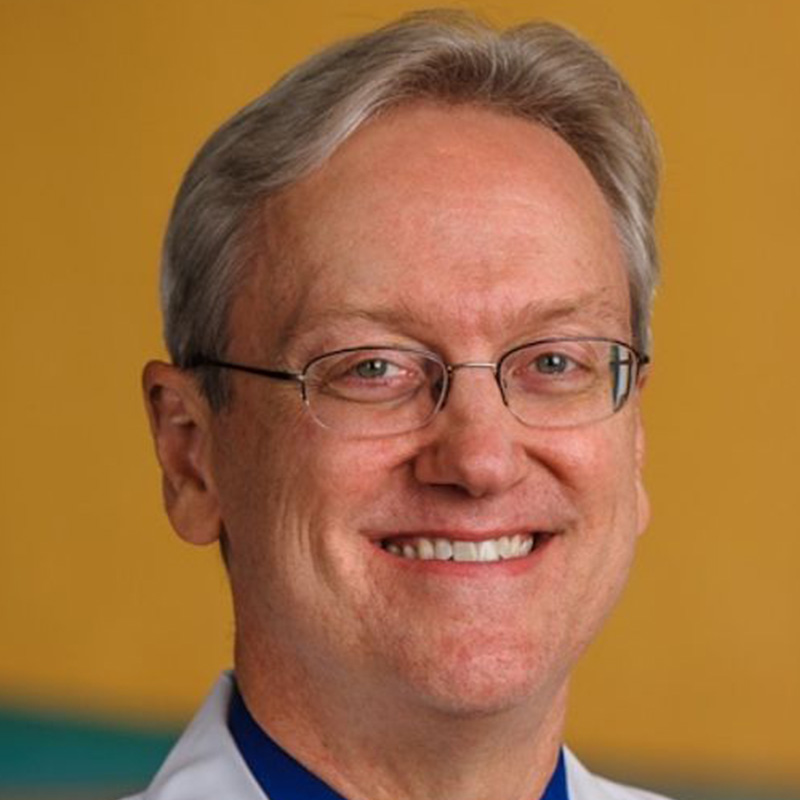

Andrea Davis Willingham, B.S., C-TAGME
GME Program Coordinator III
Andrea.davis@utsouthwestern.edu
Phone: 214-648-3848
