
Search
Studies examine different responses to SARS-CoV-2 variants: Newsroom - UT Southwestern, Dallas, Texas
https://www.utsouthwestern.edu/newsroom/articles/year-2024/jan-sars-cov-2-variants.html
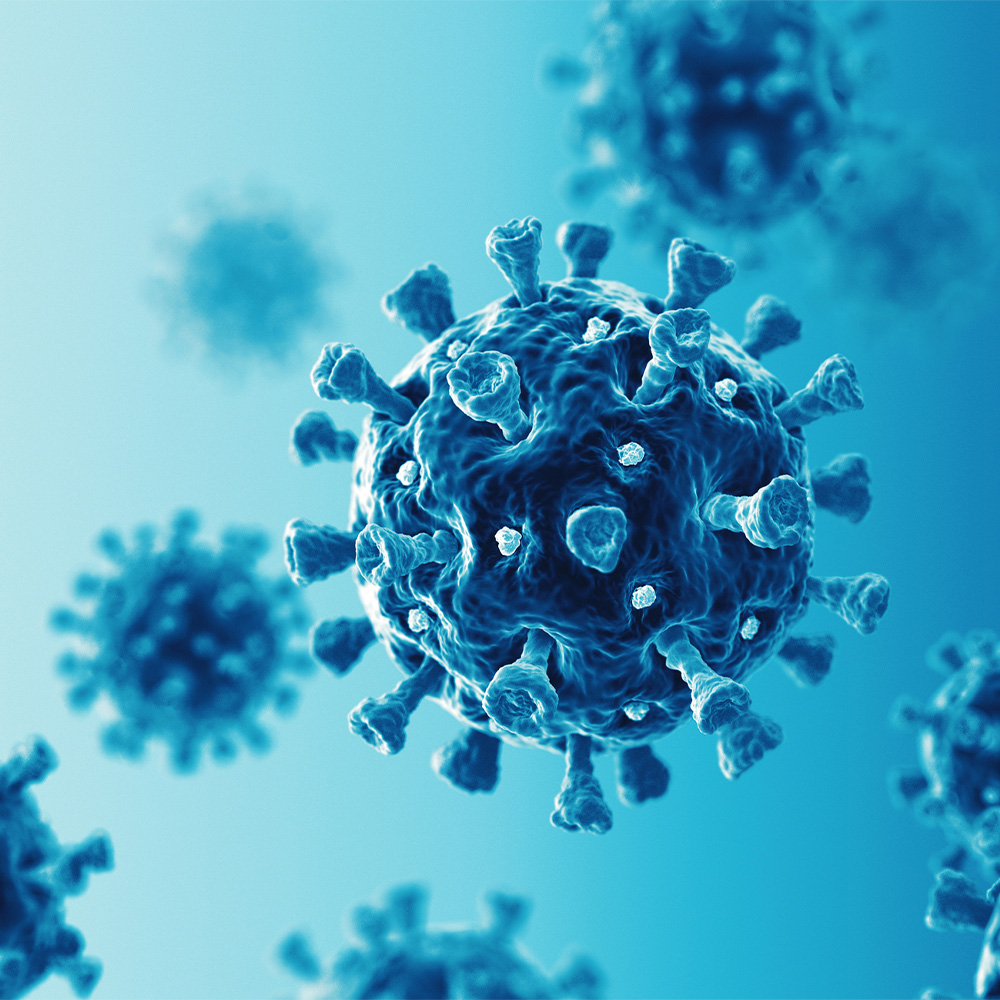
– Two studies led by a researcher at UT Southwestern Medical Center show the effects of different SARS-CoV-2 variants on lung tissue, revealing what may cause some COVID-19 infections to be more severe than others.
AccessHope, UT Southwestern Medical Center collaborate to expand cancer expertise access in southern states : Newsroom - UT Southwestern, Dallas, Texas
https://www.utsouthwestern.edu/newsroom/articles/year-2024/june-accesshope-collaboration.html
– AccessHope, LLC, a company changing the way leading-edge cancer expertise is delivered, announced that UT Southwestern Harold C. Simmons Comprehensive Cancer Center will become the seventh National Cancer Institute (NCI)-designated center in the AccessHope network.
UT Southwestern joins Dallas and nation in mourning the loss of U.S. Rep. Eddie Bernice Johnson, inspirational leader and supporter: Newsroom - UT Southwestern, Dallas, Texas
https://www.utsouthwestern.edu/newsroom/articles/year-2024/jan-ebj-tribute.html
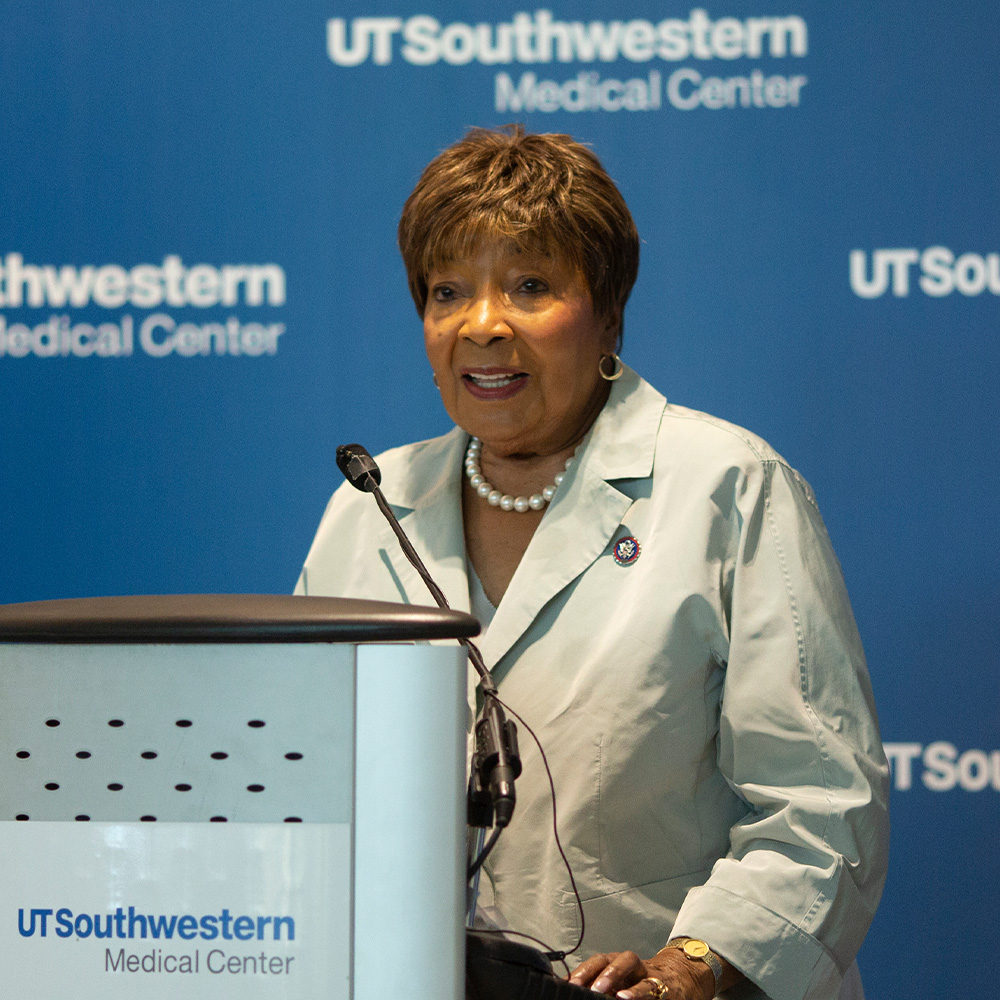
UT Southwestern Medical Center joined leaders in Dallas and across the nation in mourning the loss and honoring the legacy of U.S. Rep. Eddie Bernice Johnson, an inspirational leader who helped advance the medical center’s science, research, clinical care, and educational initiatives during her
How cancer cells don their invisibility cloaks - UT Southwestern, Dallas, Texas
https://www.utsouthwestern.edu/newsroom/articles/year-2020/how-cancer-cells-don-their-invisibility-cloaks.html
Immunotherapy drugs that target a protein called programmed death ligand 1 (PD-L1) on the surface of cancer cells have quickly become a mainstay to treat many forms of cancer, often with dramatic results.
New CAR T-cell therapy extends remission in heavily relapsed multiple myeloma patients: Newsroom - UT Southwestern, Dallas, Texas
https://www.utsouthwestern.edu/newsroom/articles/year-2021/new-car-t-cell-therapy.html
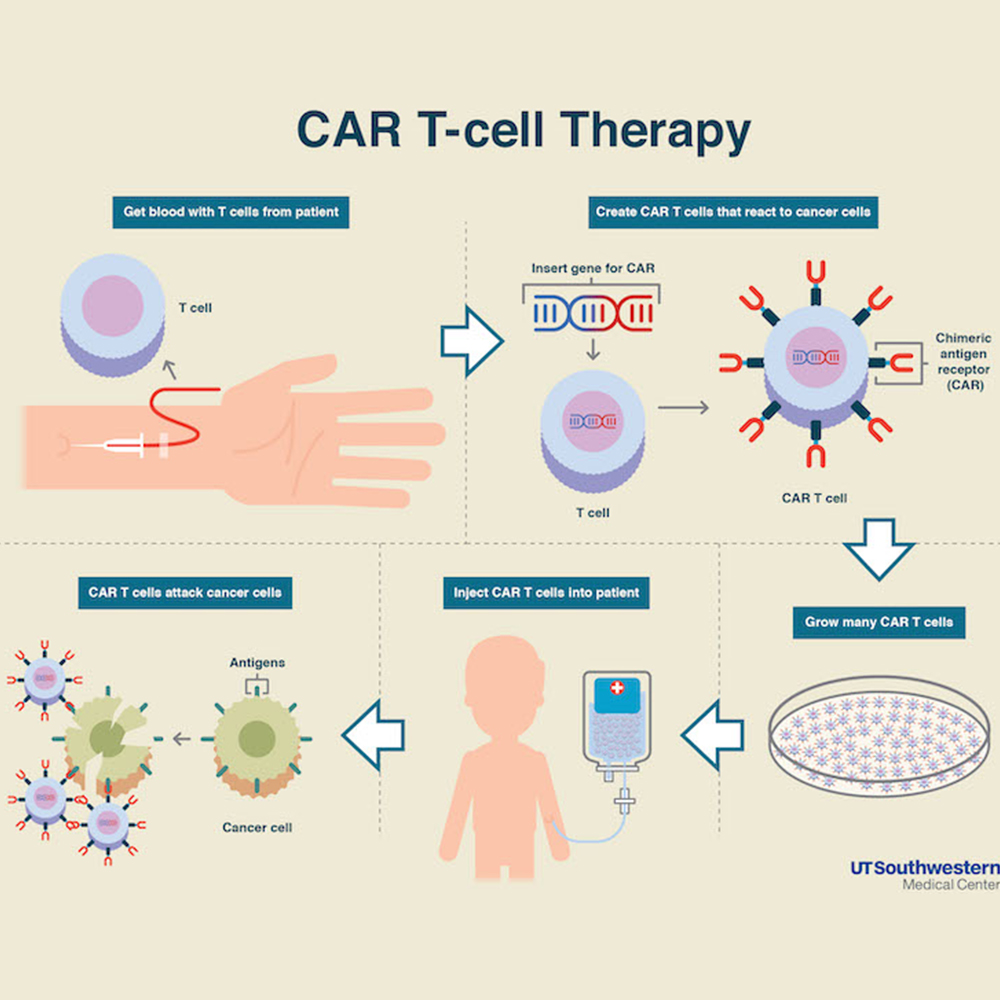
A new type of CAR T-cell therapy more than triples the expected length of remission for multiple myeloma patients who have relapsed several times, according to an international clinical trial with UT Southwestern as the lead enrolling site.
Cancer-fighting gene restrains 'jumping genes' : Newsroom - UT Southwestern, Dallas, Texas
https://www.utsouthwestern.edu/newsroom/articles/year-2020/cancer-fighting-gene-restrains-jumping-genes.html
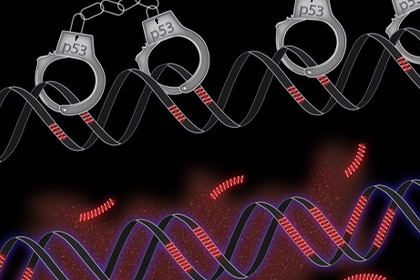
About half of all tumors have mutations of the gene p53, normally responsible for warding off cancer. Now, UT Southwestern scientists have discovered a new role for p53 in its fight against tumors: preventing retrotransposons, or “jumping genes,” from hopping around the human genome.
Pathway tied to cancer-driving genome alterations identified : Newsroom - UT Southwestern, Dallas, Texas
https://www.utsouthwestern.edu/newsroom/articles/year-2024/sept-cancer-driving-genome.html
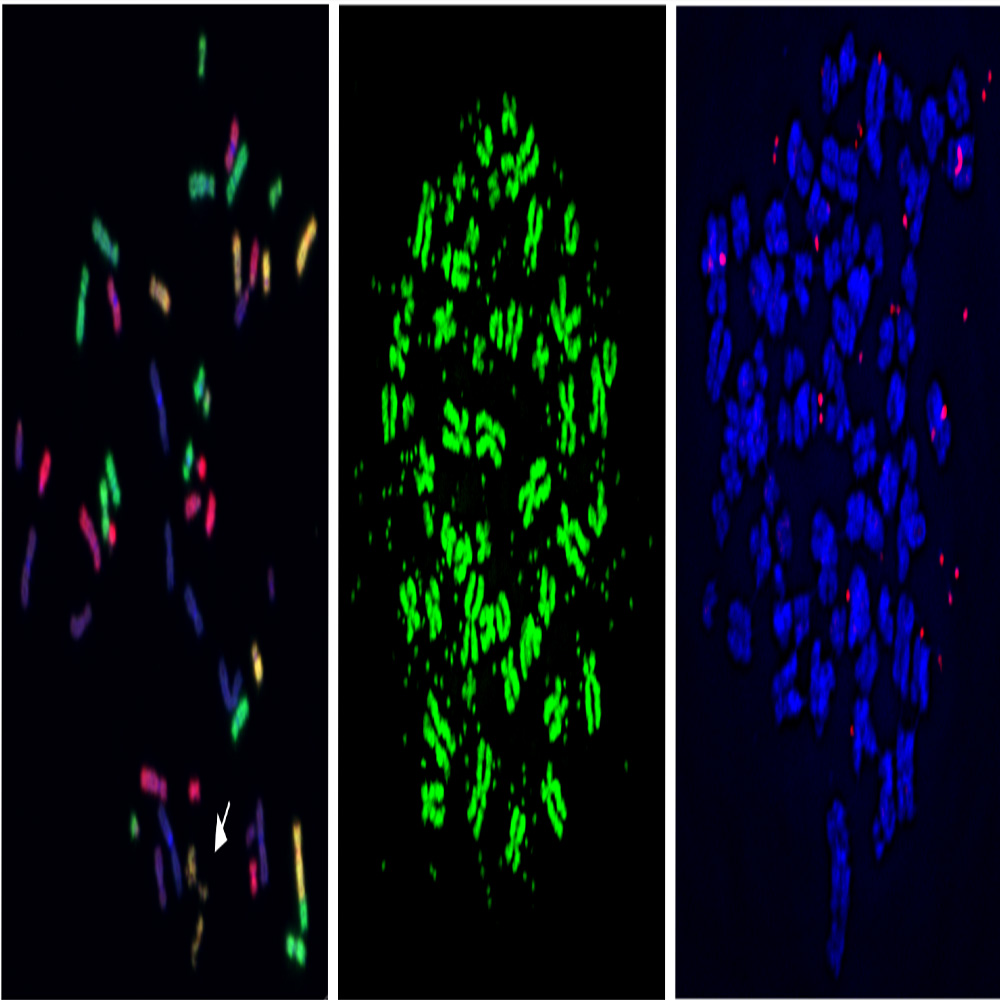
Cancer cells appear to hijack a genetic pathway involved in DNA repair to drive malignancy and overcome treatment, a study led by UT Southwestern Medical Center researchers shows. Their findings, published in Cell, explain how chromosomes in some tumors undergo massive rearrangements and could lead
From classroom to clinic: UTSW students match to top residency programs: Newsroom - UT Southwestern, Dallas, Texas
https://www.utsouthwestern.edu/newsroom/articles/year-2026/march-match-day.html
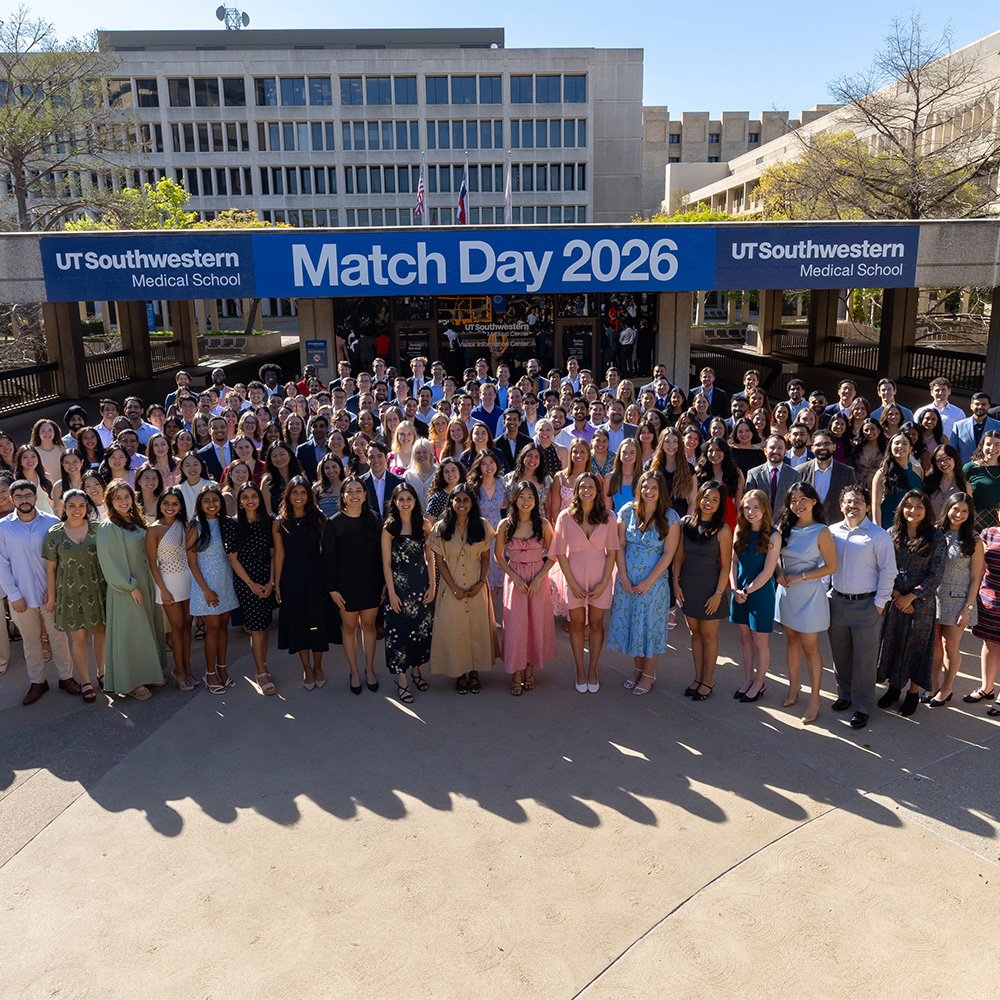
UT Southwestern Medical School’s Class of 2026 crowded inside the Bryan Williams, M.D. Student Center gymnasium for the time-honored tradition of National Match Day. At precisely 11 a.m., the soon-to-be graduates – along with thousands of other medical students nationwide – tore open the envelopes
Sickle cell patients face higher risks in joint reconstruction surgeries: Newsroom - UT Southwestern, Dallas, Texas
https://www.utsouthwestern.edu/newsroom/articles/year-2023/april-joint-reconstruction-surgeries.html
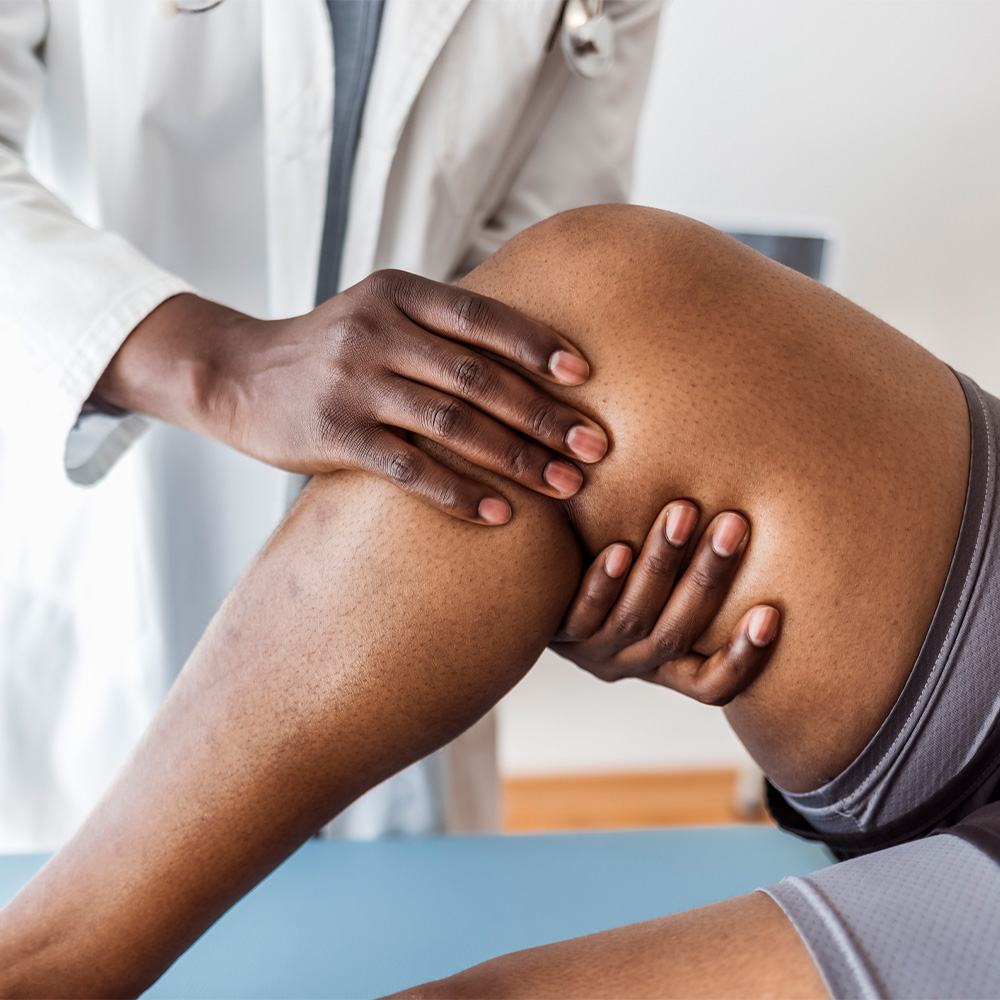
Patients with sickle cell disease (SCD) who undergo total knee replacement are at higher risk for complications than non-SCD patients, according to a large-scale, retrospective study by researchers from UT Southwestern Medical Center and the University of Calgary.
UT Southwestern Q&A: Experts offer tips on talking to kids about traumatic events: Newsroom - UT Southwestern, Dallas, Texas
https://www.utsouthwestern.edu/newsroom/articles/year-2023/march-kids-traumatic-events.html
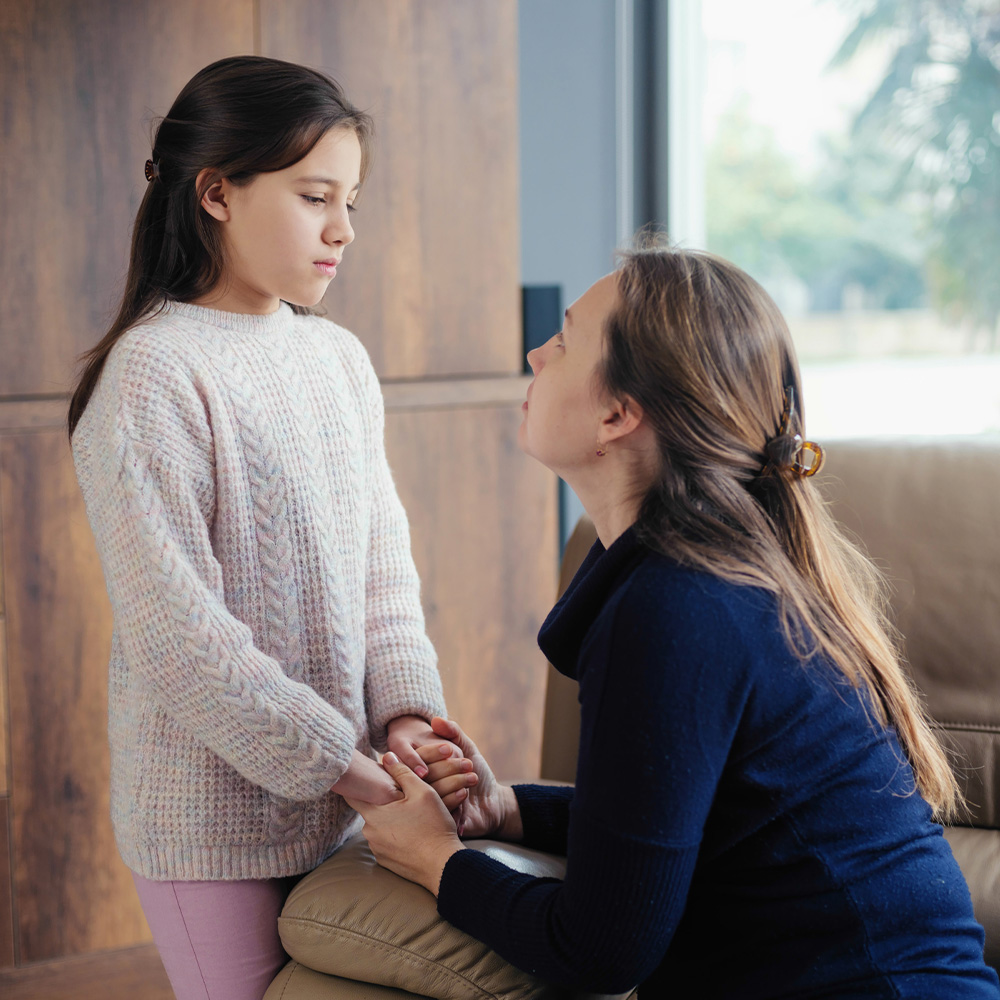
Whether it’s after a natural disaster, a fatal shooting, or a tragedy closer to home, parents may find themselves trying to navigate difficult conversations with their children. What to say is just as important as what not to say, according to experts at UT Southwestern Medical Center. Children are