
Search
Liver cancer growth tied to tryptophan intake: Newsroom - UT Southwestern, Dallas, Texas
https://www.utsouthwestern.edu/newsroom/articles/year-2024/july-liver-cancer-growth.html

Researchers at UT Southwestern Medical Center have discovered that a diet free of the amino acid tryptophan can effectively halt the growth of liver cancer in mice. Their findings, published in Nature Communications, offer new insights for dietary-based cancer treatments and highlight the critical
Fibromyalgia, IBS patients linked to multiple-drug intolerance: Newsroom - UT Southwestern, Dallas, Texas
https://www.utsouthwestern.edu/newsroom/articles/year-2024/may-fibromyalgia-ibs-patients.html

Patients with fibromyalgia and irritable bowel syndrome (IBS) who take multiple medications are more likely to develop severe drug intolerance than healthy patients, UT Southwestern Medical Center researchers reported.
New AI tool to detect possible metastatic breast cancer: Newsroom - UT Southwestern, Dallas, Texas
https://www.utsouthwestern.edu/newsroom/articles/year-2024/may-new-ai-tool.html
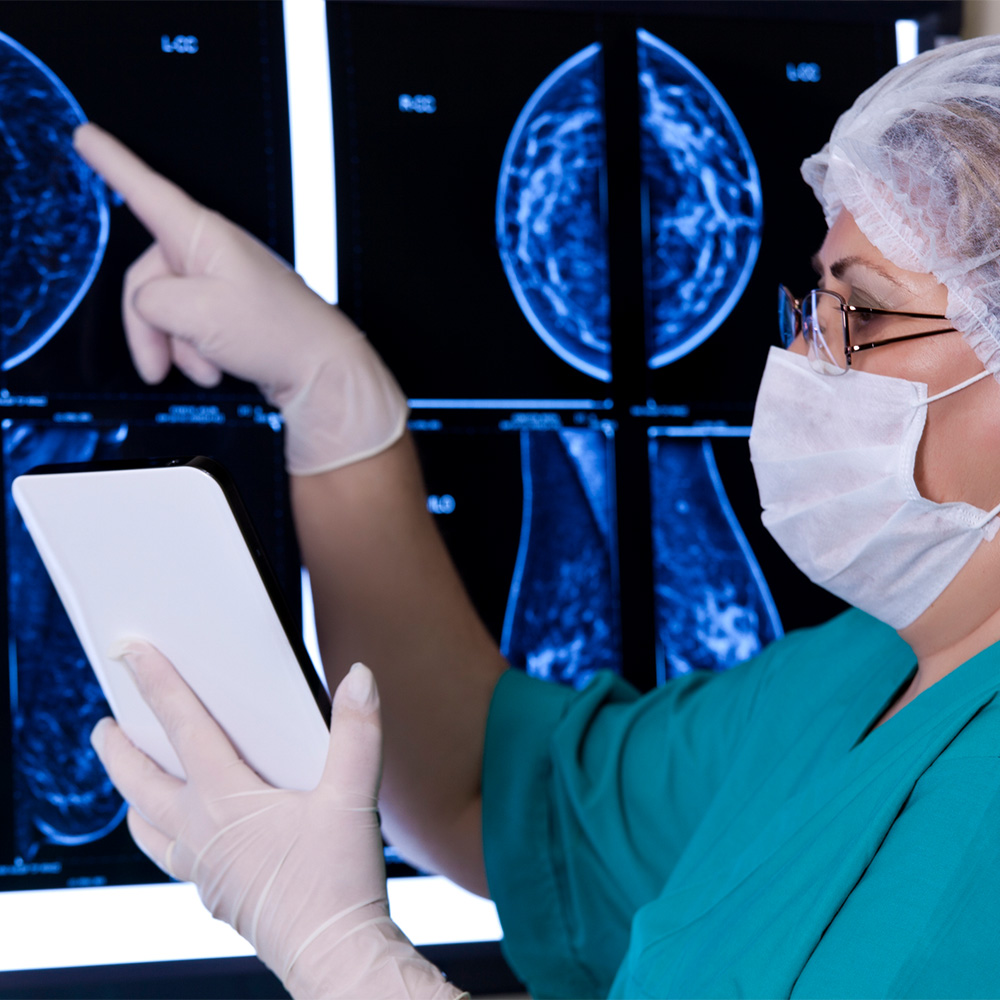
Researchers at UT Southwestern Medical Center have developed a novel artificial intelligence (AI) model to improve the detection of breast cancer metastasis, which could reduce the need for needle or surgical biopsies.
The new age of AI is dawning in science and medicine at UT Southwestern: Newsroom - UT Southwestern, Dallas, Texas
https://www.utsouthwestern.edu/newsroom/articles/year-2024/may-new-age-of-ai.html

When cancer cells metastasize, breaking away from the primary tumor and spreading to blood, tissue, or lymph nodes, the disease is at its most lethal.
Iron supplements provided in prenatal visits improved outcomes: Newsroom - UT Southwestern, Dallas, Texas
https://www.utsouthwestern.edu/newsroom/articles/year-2023/sept-prenatal-visits.html

Giving free prenatal iron supplements to medically underserved pregnant patients rather than only recommending them significantly reduced anemia and postpartum blood transfusions.
Postpartum urinary incontinence linked to mental health: Newsroom - UT Southwestern, Dallas, Texas
https://www.utsouthwestern.edu/newsroom/articles/year-2024/june-postpartum-urinary-incontinence.html

A UT Southwestern Medical Center study of hundreds of underserved women showed that depression and anxiety, in addition to physical factors such as a higher body mass index and previous births, are associated with lingering postpartum urinary incontinence. The findings, published in Urogynecology
Proteins for skin strength also control cell signaling: Newsroom - UT Southwestern, Dallas, Texas
https://www.utsouthwestern.edu/newsroom/articles/year-2024/aug-proteins-for-skin-strength.html

An extensive family of proteins that gives human skin mechanical strength also appears to organize molecular signals that control skin cell activity, a study led by UT Southwestern Medical Center researchers shows. Their findings, published in Developmental Cell, could lead to new ways to fight a
Pandemic increases substance abuse, mental health issues for those struggling with obesity: Newsroom - UT Southwestern, Dallas, Texas
https://www.utsouthwestern.edu/newsroom/articles/year-2021/pandemic-increases-substance-abuse.html

The COVID-19 pandemic is having a detrimental impact on substance use, mental health, and weight-related health behaviors among people with obesity, according to a new study by researchers at UT Southwestern and the UTHealth School of Public Health.
Molecular imaging innovator Samuel Achilefu, Ph.D., to launch, lead Biomedical Engineering Department at UT Southwestern: Newsroom - UT Southwestern, Dallas, Texas
https://www.utsouthwestern.edu/newsroom/articles/year-2022/achilefu-molecular-imaging-innovator.html

Samuel Achilefu, Ph.D., nationally recognized for expertise in molecular imaging and its application in treating human diseases, has been selected inaugural Chair to launch a new Department of Biomedical Engineering (BME) at UT Southwestern Medical Center.
Breaking it down: How cells degrade unwanted microRNAs : Newsroom - UT Southwestern, Dallas, Texas
https://www.utsouthwestern.edu/newsroom/articles/year-2020/how-cells-degrade-unwanted-micrornas.html
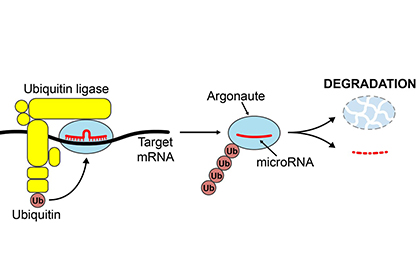
UT Southwestern researchers have discovered a mechanism that cells use to degrade microRNAs (miRNAs), genetic molecules that regulate the amounts of proteins in cells.