
Search
Breaking it down: How cells degrade unwanted microRNAs : Newsroom - UT Southwestern, Dallas, Texas
https://www.utsouthwestern.edu/newsroom/articles/year-2020/how-cells-degrade-unwanted-micrornas.html
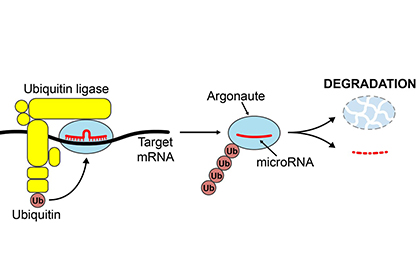
UT Southwestern researchers have discovered a mechanism that cells use to degrade microRNAs (miRNAs), genetic molecules that regulate the amounts of proteins in cells.
The secret of lymph: How lymph nodes help cancer cells spread : Newsroom - UT Southwestern, Dallas, Texas
https://www.utsouthwestern.edu/newsroom/articles/year-2020/lymph-nodes-help-cancer-cells-spread.html
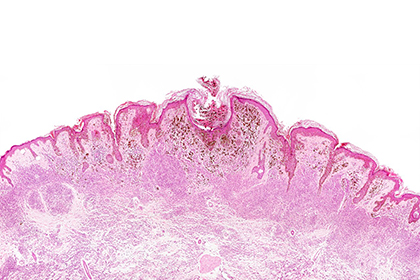
For decades, physicians have known that many kinds of cancer cells often spread first to lymph nodes before traveling to distant organs through the bloodstream.
Understanding the circadian clocks of individual cells: Newsroom - UT Southwestern, Dallas, Texas
https://www.utsouthwestern.edu/newsroom/articles/year-2020/understanding-the-circadian-clocks-of-individual-cells.html
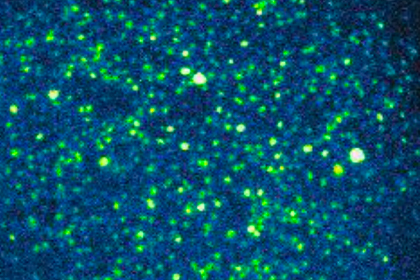
Two new studies led by UT Southwestern scientists outline how individual cells maintain their internal clocks, driven both through heritable and random means.
Studying Songbird Neurology to Unlock Language Acquisition - UT Southwestern, Dallas, TX
https://www.utsouthwestern.edu/research/scientific-report/articles/studying-songbird-neurology-to-unlock-language-acquisition.html
When he was just 6 months old, Todd Roberts moved with his family from Houston to Brazil to support his scientist father’s research on malaria and other mosquito-borne diseases. There, he simultaneously learned Brazilian Portuguese and English, becoming the most fluent bilingual speaker in his household.
SoRelle, Park contribute to research of severity of cancer immunotherapy side effects linked to genetics
https://www.utsouthwestern.edu/departments/pathology/news/sorelle-park-immunotherapy-side-effects.html
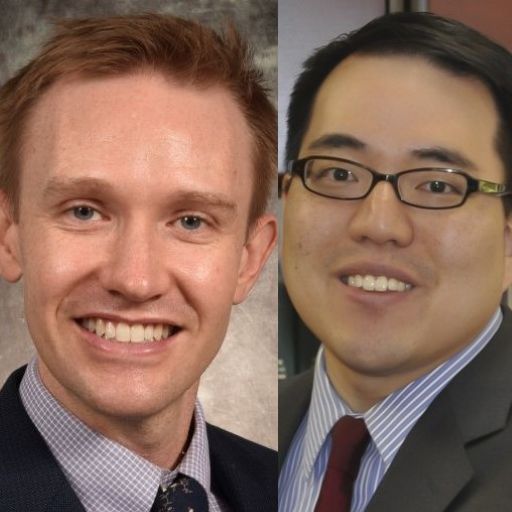
SoRelle, Park contribute to research of severity of cancer immunotherapy side effects linked to genetics Published on: May 06, 2026 Dr. Jeff SoRelle Dr. Jason Park Severity of cancer immunotherapy side effects linked to genetics Back-to top
UT Southwestern and Children’s Health receive $100 million gift from The Stephens Greth Foundation for new pediatric campus: Newsroom - UT Southwestern, Dallas, Texas
https://www.utsouthwestern.edu/newsroom/articles/year-2026/april-npc-gift-greth-foundation.html

Neurons in a part of the brain known as the ventromedial hypothalamus (VMH) appear to direct the body to boost endurance in response to exercise, a study co-led by researchers at UT Southwestern Medical Center shows.
How cancer cells stiff-arm normal environmental cues to consume energy: Newsroom - UT Southwestern, Dallas, Texas
https://www.utsouthwestern.edu/newsroom/articles/year-2020/how-cancer-cells-consume-energy.html
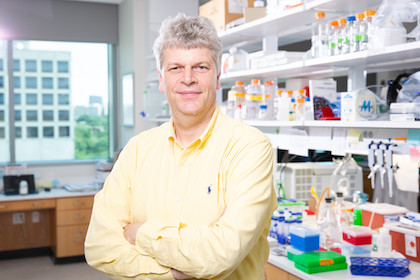
UT Southwestern researchers have uncovered how cells in general modulate their energy consumption based on their surroundings.
How cancer cells don their invisibility cloaks - UT Southwestern, Dallas, Texas
https://www.utsouthwestern.edu/newsroom/articles/year-2020/how-cancer-cells-don-their-invisibility-cloaks.html
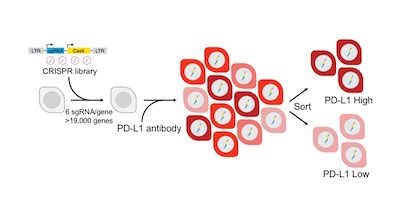
Immunotherapy drugs that target a protein called programmed death ligand 1 (PD-L1) on the surface of cancer cells have quickly become a mainstay to treat many forms of cancer, often with dramatic results.
Ovarian cancer cells use stress hormone signaling to shut down immune system: Newsroom - UT Southwestern, Dallas, Texas
https://www.utsouthwestern.edu/newsroom/articles/year-2026/may-ovarian-cancer-cells-immune-system.html
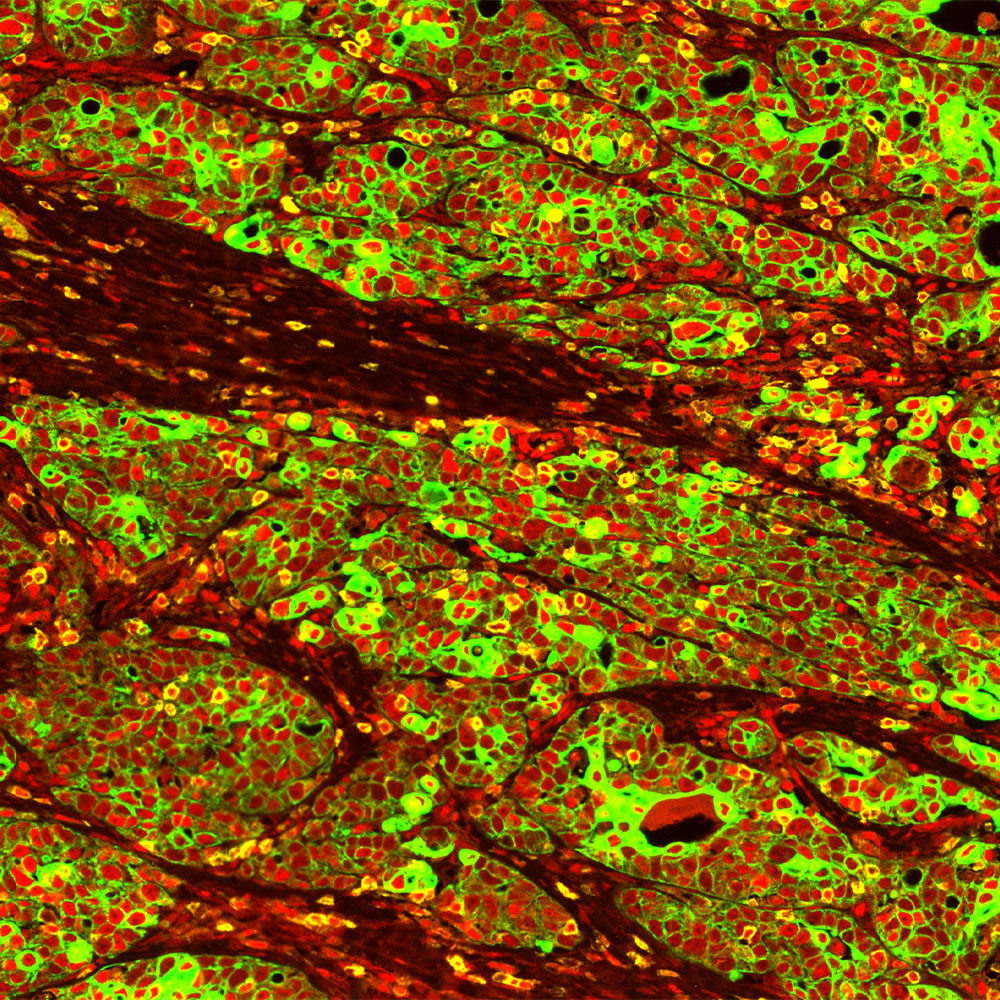
When activated in ovarian cancer cells, the receptor for the body’s primary stress hormone alters the tumor environment in ways that blunt immune response, according to new research led by UT Southwestern Medical Center.
Human cells can exchange genomic DNA that alters cell behavior: Newsroom - UT Southwestern, Dallas, Texas
https://www.utsouthwestern.edu/newsroom/articles/year-2026/may-cri-human-cells-dna.html
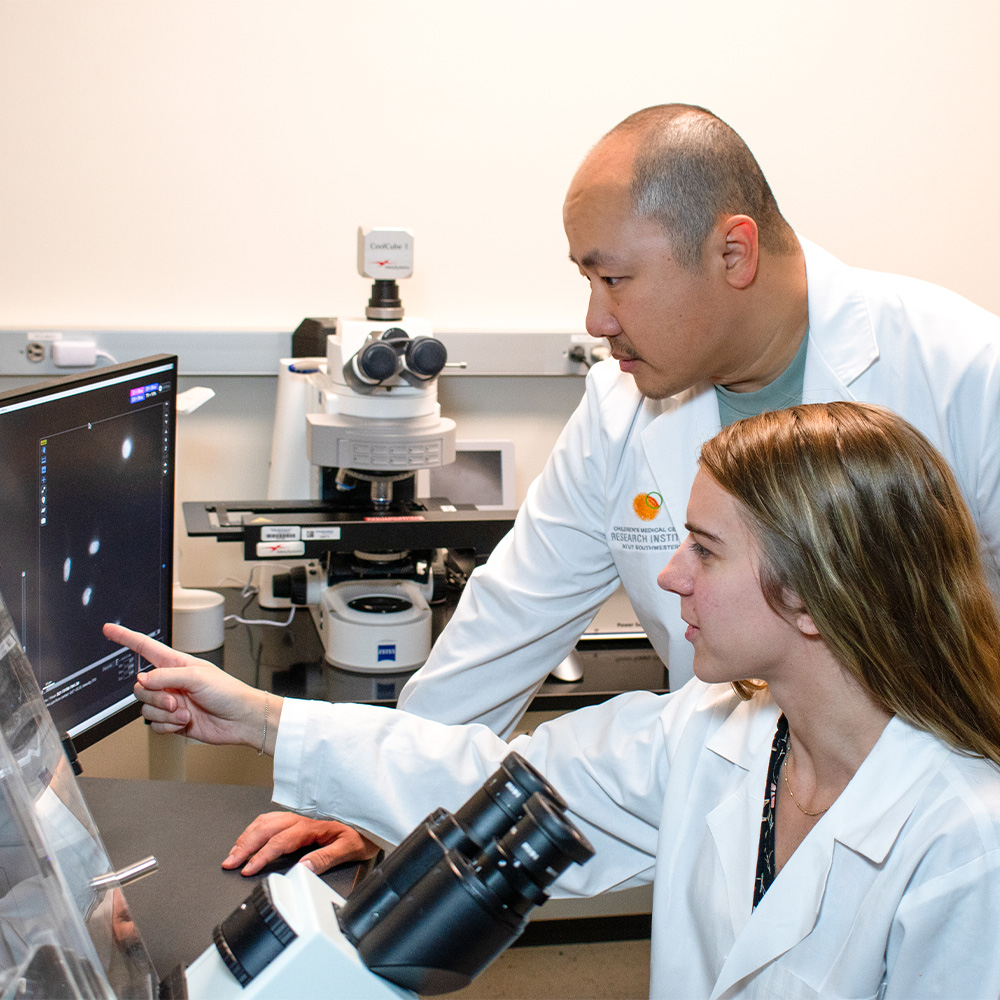
Scientists at Children’s Medical Center Research Institute at UT Southwestern (CRI) have discovered that large pieces of DNA can transfer directly between human cells, and the DNA can persist and change how the recipient cell functions.