
Search
How Legionella makes itself at home : Newsroom - UT Southwestern, Dallas, Texas
https://www.utsouthwestern.edu/newsroom/articles/year-2021/how-legionella-makes-itself-at-home.html
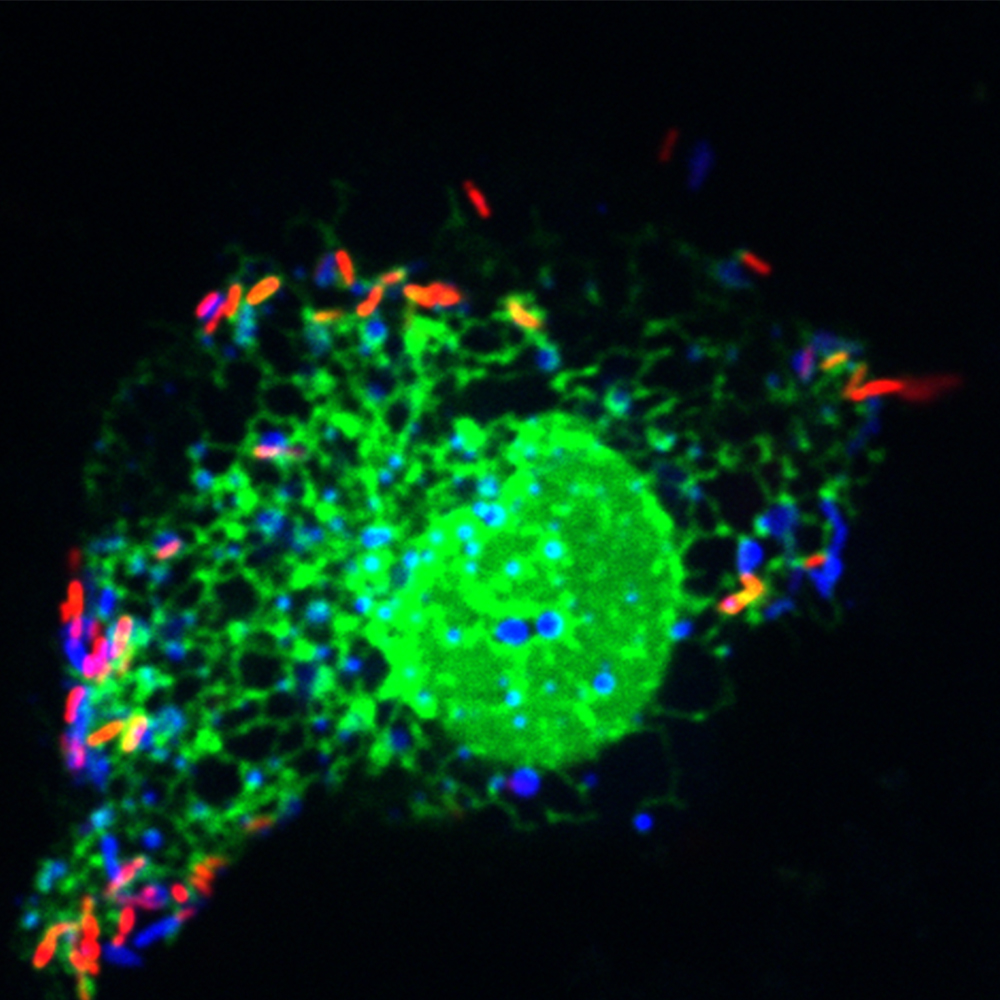
Scientists at UT Southwestern have discovered a key protein that helps the bacteria that causes Legionnaires’ disease to set up house in the cells of humans and other hosts.
UT Southwestern cancer researchers uncover antitumor mechanisms to help improve radiation therapy: Newsroom - UT Southwestern, Dallas, Texas
https://www.utsouthwestern.edu/newsroom/articles/year-2021/antitumor-mechanisms-to-help-improve-radiation-therapy.html
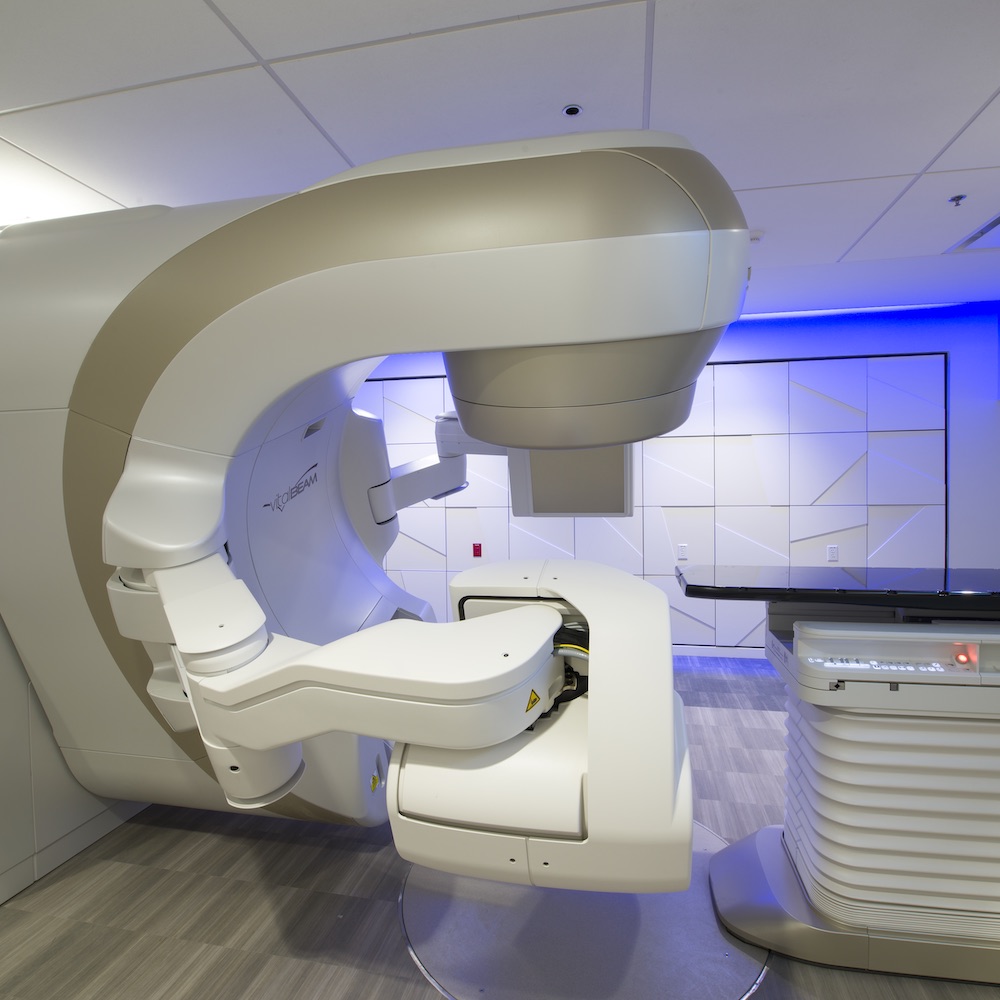
An international team of cancer researchers has identified important mechanisms that activate antitumor immune response during radiation therapy
Finding the Achilles' heel of a killer parasite: Newsroom - UT Southwestern, Dallas, Texas
https://www.utsouthwestern.edu/newsroom/articles/year-2020/finding-the-achilles-heel-of-a-killer-parasite.html
Two studies led by UT Southwestern researchers shed light on the biology and potential vulnerabilities of schistosomes – parasitic flatworms that cause the little-known tropical disease schistosomiasis.
COVID-19 patient outcomes affected by cardiovascular risk : Newsroom - UT Southwestern, Dallas, Texas
https://www.utsouthwestern.edu/newsroom/articles/year-2020/covid-19-patient-outcomes-affected-by-cardiovascular-risk.html
Research presented today by UT Southwestern cardiologists at the annual American Heart Association (AHA) Scientific Sessions 2020 showed that Black and Hispanic people were more likely to be hospitalized with COVID-19 than white patients, and that nonwhite men with cardiovascular disease or risk factors were more likely to die.
Development of new stem cell type may lead to advances in regenerative medicine: Newsroom - UT Southwestern, Dallas, Texas
https://www.utsouthwestern.edu/newsroom/articles/year-2020/new-stem-cell-regenerative-medicine.html
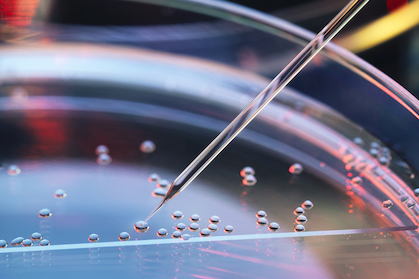
A team led by UT Southwestern has derived a new “intermediate” embryonic stem cell type from multiple species that can contribute to chimeras and create precursors to sperm and eggs in a culture dish.
UT Southwestern biochemist, molecular biologist named Howard Hughes Medical Institute Investigators: Newsroom - UT Southwestern, Dallas, Texas
https://www.utsouthwestern.edu/newsroom/articles/year-2021/howard-hughes-medical-institute-investigators.html

Two UT Southwestern Medical Center researchers – a biochemist and a molecular biologist – are among 33 distinguished scientists nationwide named Howard Hughes Medical Institute (HHMI) Investigators.
UTSW researchers identify first Beta variant in North Texas amid rise of "variants of concern": Newsroom - UT Southwestern, Dallas, Texas
https://www.utsouthwestern.edu/newsroom/articles/year-2021/first-beta-variant-in-north-texas.html
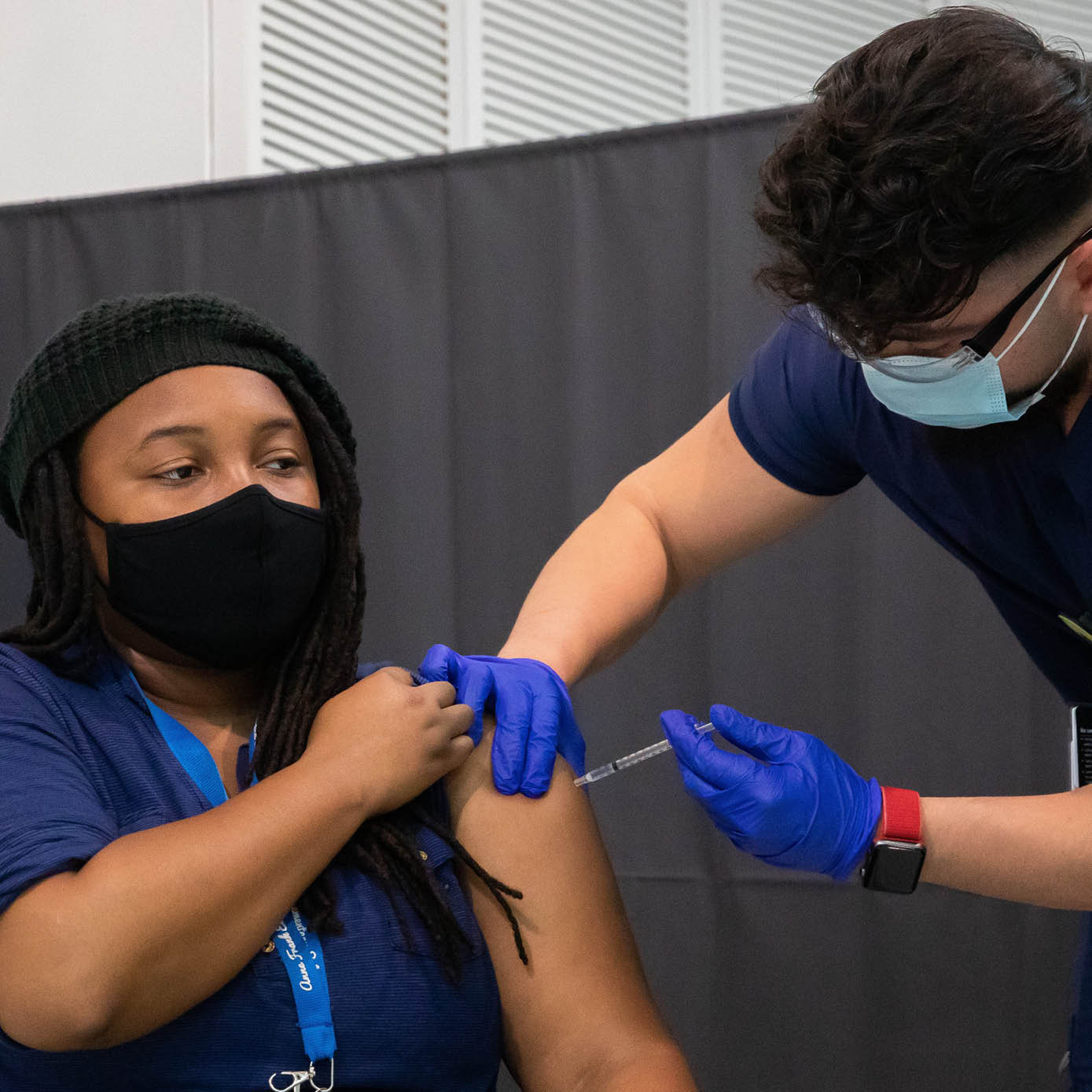
UT Southwestern Medical Center scientists have identified the first two cases of the Beta variant (B.1.351) of COVID-19 infection in North Texas using next-generation sequencing technologies along with targeted PCR testing.
When the BumR gives you diarrhea - UT Southwestern, Dallas, Texas
https://www.utsouthwestern.edu/newsroom/articles/year-2020/when-the-bumr-gives-you-diarrhea.html
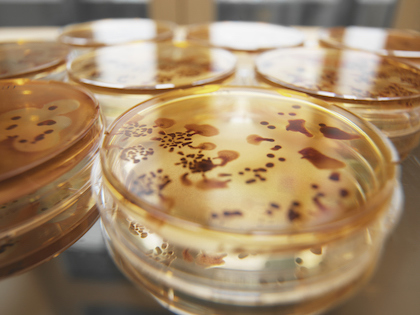
A study from UT Southwestern researchers sheds new light on how the bug that’s the No. 1 cause of bacterial diarrhea finds its way through the human gut.
Immunotherapy side effect could be a positive sign for kidney cancer patients : Newsroom - UT Southwestern, Dallas, Texas
https://www.utsouthwestern.edu/newsroom/articles/year-2020/immunotherapy-side-effect-could-be-a-positive-sign.html
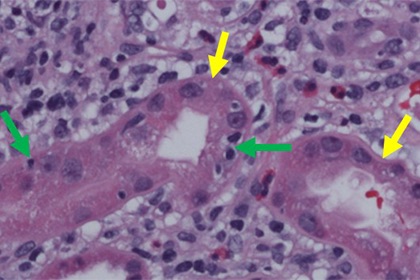
An autoimmune side effect of immune checkpoint inhibitor (ICI) drugs could signal improved control of kidney cancer, according to a new study by researchers in UT Southwestern’s Kidney Cancer Program (KCP).
Viewing dopamine receptors in their native habitat: Newsroom - UT Southwestern, Dallas, Texas
https://www.utsouthwestern.edu/newsroom/articles/year-2020/viewing-dopamine-receptors-in-their-native-habitat.html
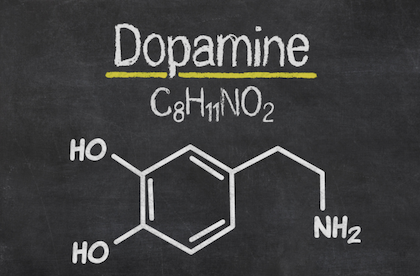
Dopamine, a chemical that sends messages between different parts of the brain and body, plays a key role in a variety of diseases and behaviors by interacting with receptors on cells.