
Search
Exercise improves memory, boosts blood flow to brain - UT Southwestern, Dallas, Texas
https://www.utsouthwestern.edu/newsroom/articles/year-2020/exercise-improves-memory-boosts-blood-flow-to-brain.html
Scientists have collected plenty of evidence linking exercise to brain health, with some research suggesting fitness may even improve memory.
Missing protein helps small cell lung cancer evade immune defenses: Newsroom - UT Southwestern, Dallas, Texas
https://www.utsouthwestern.edu/newsroom/articles/year-2021/missing-protein-helps-small-cell-lung-cancer.html
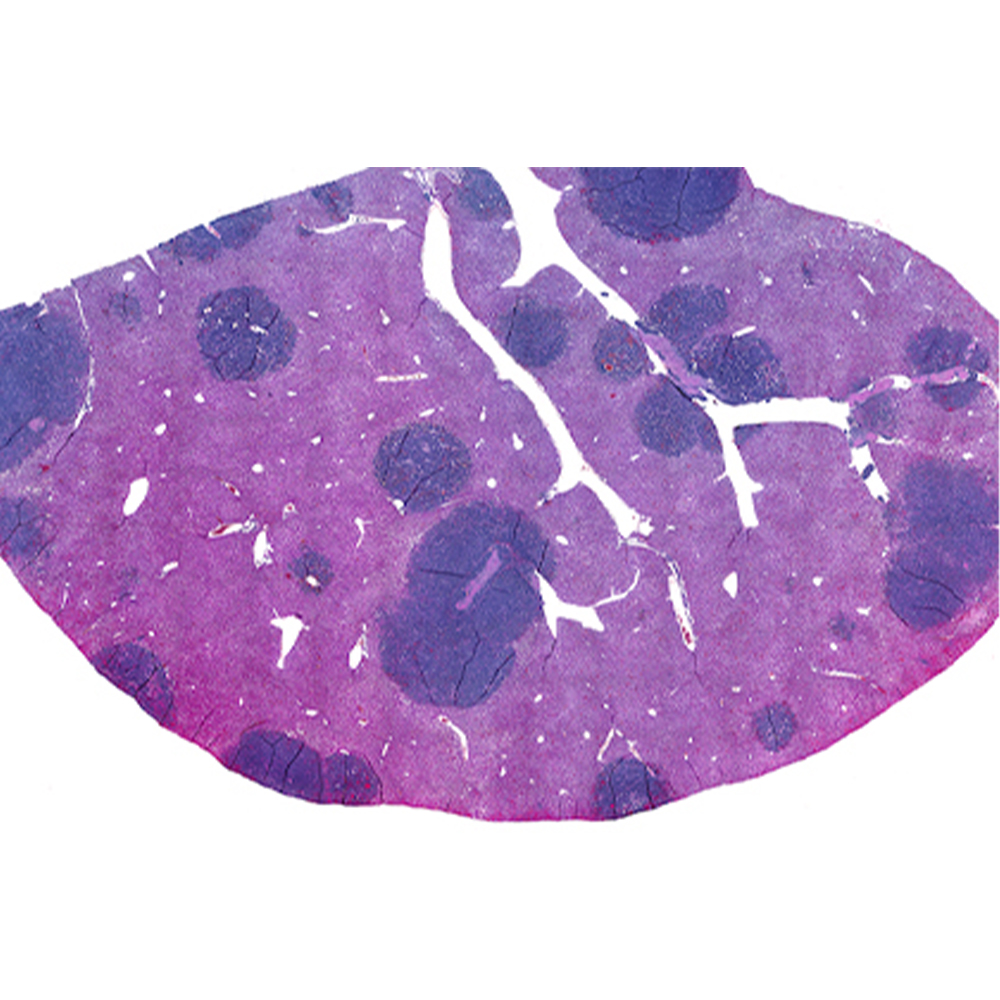
Small cell lung cancer (SCLC) cells are missing a surface protein that triggers an immune response, allowing them to hide from one of the body’s key cancer defenses, a new study led by UT Southwestern researchers suggests.
Medicine Minute News Highlights - September 22, 2026, Internal Medicine News, UT Southwestern, Dallas TX
https://www.utsouthwestern.edu/departments/internal-medicine/who-we-are/news-portal/medicine-minute/260922-medicine-minute.html
Singal Elected to International Leadership Role | Bing Receives Grant or Colorectal Cancer Research | Zhao Shares Teaching Spotlight
J-1 Exchange Visitor Five-Point Letter: Office of International Affairs - UT Southwestern, Dallas, Texas
https://www.utsouthwestern.edu/about-us/administrative-offices/international-affairs/postdocs-clinical-trainees-employees/j1-exchange-visitors/five-points-letter.html
Learn what steps departments should take with the Five Point Letter for J-1 exchange visitors
Kathleen Bell, M.D., Traumatic Brain Injury and Stroke Research
https://www.utsouthwestern.edu/departments/pmr/research/kathleen-bell-traumatic-brain-injury-and-stroke-research.html
Dr. Bell's research focuses on TBI and stroke.
Gene in fat plays key role in insulin resistance: Newsroom - UT Southwestern, Dallas, Texas
https://www.utsouthwestern.edu/newsroom/articles/year-2020/gene-in-fat-plays-key-role-in-insulin-resistance.html
Deleting a key gene in mice in just their fat made tissues throughout these animals insulin resistant, in addition to other effects, a new study by UT Southwestern researchers shows.
Stiffer colon could signal risk of early-onset colorectal cancer: Newsroom - UT Southwestern, Dallas, Texas
https://www.utsouthwestern.edu/newsroom/articles/year-2025/dec-stiffer-intestines-early-onset-colorectal-cancer.html
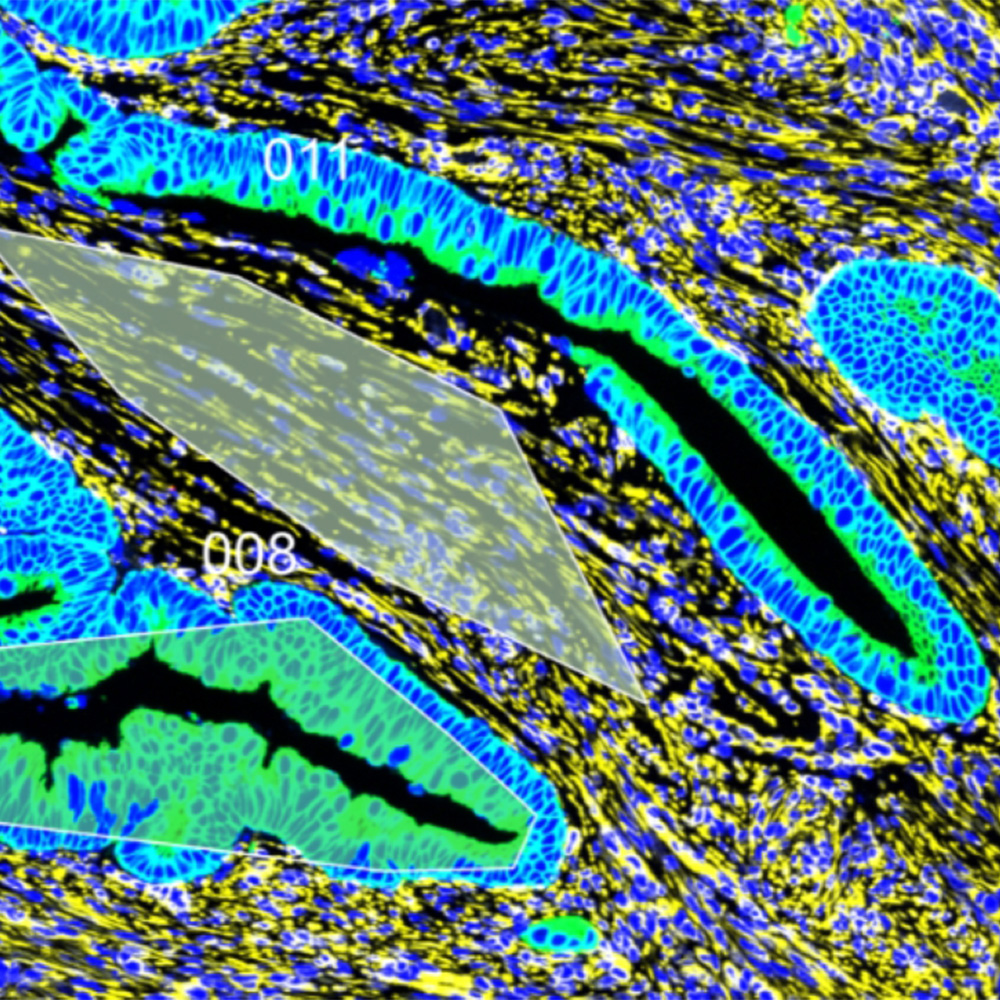
Increased stiffness of the intestines, spurred by chronic inflammation, may encourage the development and progression of early-onset colorectal cancer (CRC), a study co-led by UT Southwestern Medical Center researchers suggests.
Drug combination could eliminate side effects of once-popular diabetes treatment: Newsroom - UT Southwestern, Dallas, Texas
https://www.utsouthwestern.edu/newsroom/articles/year-2020/drug-combination-could-eliminate-diabetes-treatment-side-effects.html
Study shows how an effective but largely abandoned treatment for Type 2 diabetes could be used again in combination with another drug to eliminate problematic side effects.
Experts call for more clinical trials on alcohol use, liver disease: Newsroom - UT Southwestern, Dallas, Texas
https://www.utsouthwestern.edu/newsroom/articles/year-2024/june-clinical-trials-alcohol-use-liver-disease.html
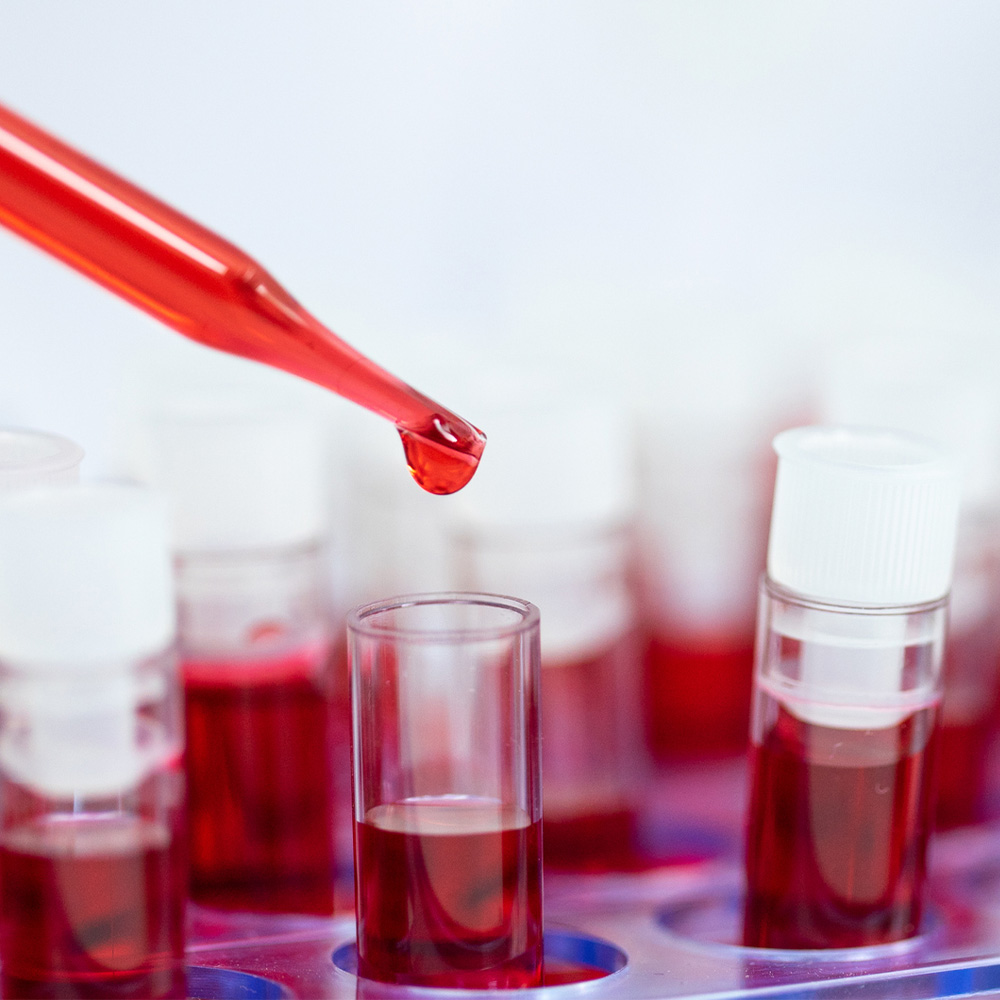
More clinical research is needed to investigate how reducing alcohol consumption in patients with alcohol-related liver disease (ALD) may slow disease progression and improve outcomes, according to an international task force of experts from more than two dozen institutions including UT Southwestern Medical Center.
UTSW researcher receives NIH Director’s New Innovator Award: Newsroom - UT Southwestern, Dallas, Texas
https://www.utsouthwestern.edu/newsroom/articles/year-2023/oct-maddipati-nih-directors-new-innovator-award.html
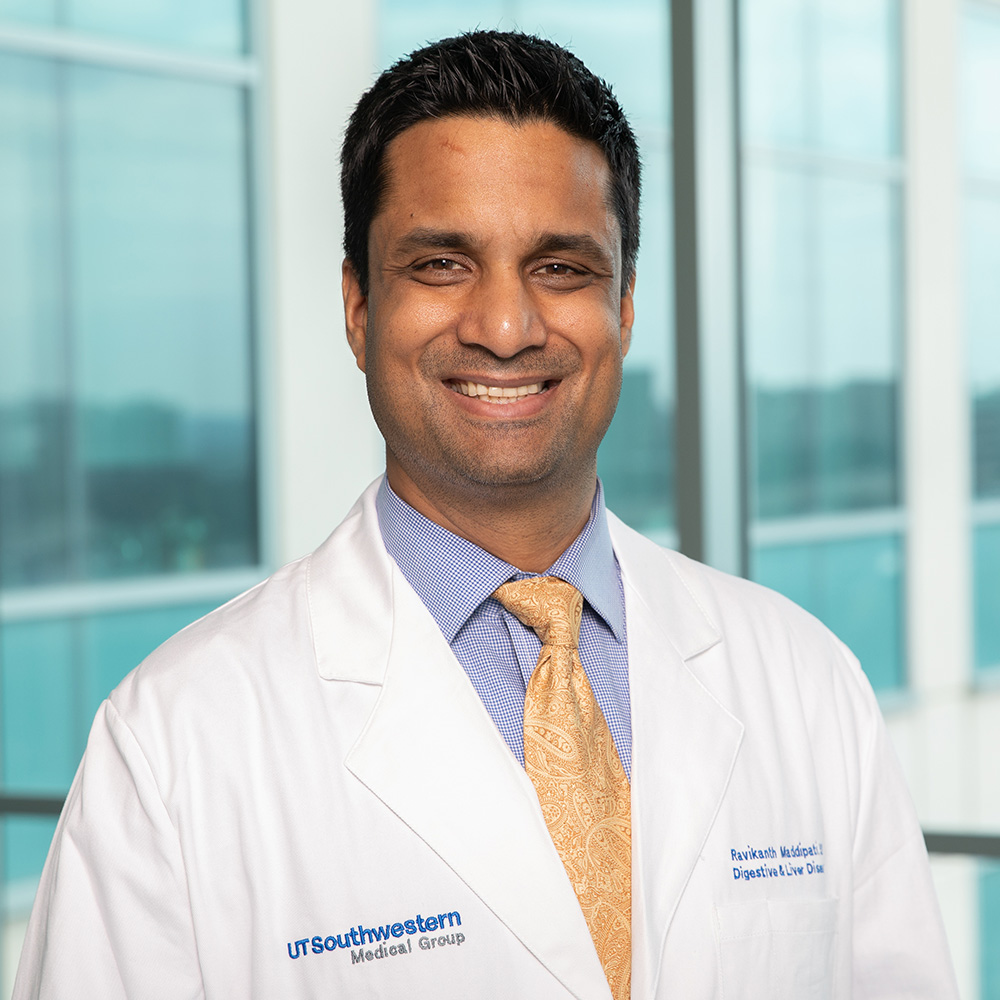
Ravikanth Maddipati, M.D., Assistant Professor of Internal Medicine and in Children’s Medical Center Research Institute at UT Southwestern, has been awarded $1.5 million from the National Institutes of Health (NIH) to support research investigating positional heterogeneity in cancer, or how tumors in the same organ can behave differently based on where they form.