
Search
EMS training on key skills improves heart attack survival : Newsroom - UT Southwestern, Dallas, Texas
https://www.utsouthwestern.edu/newsroom/articles/year-2024/aug-ems-training-heart-attack-survival.html
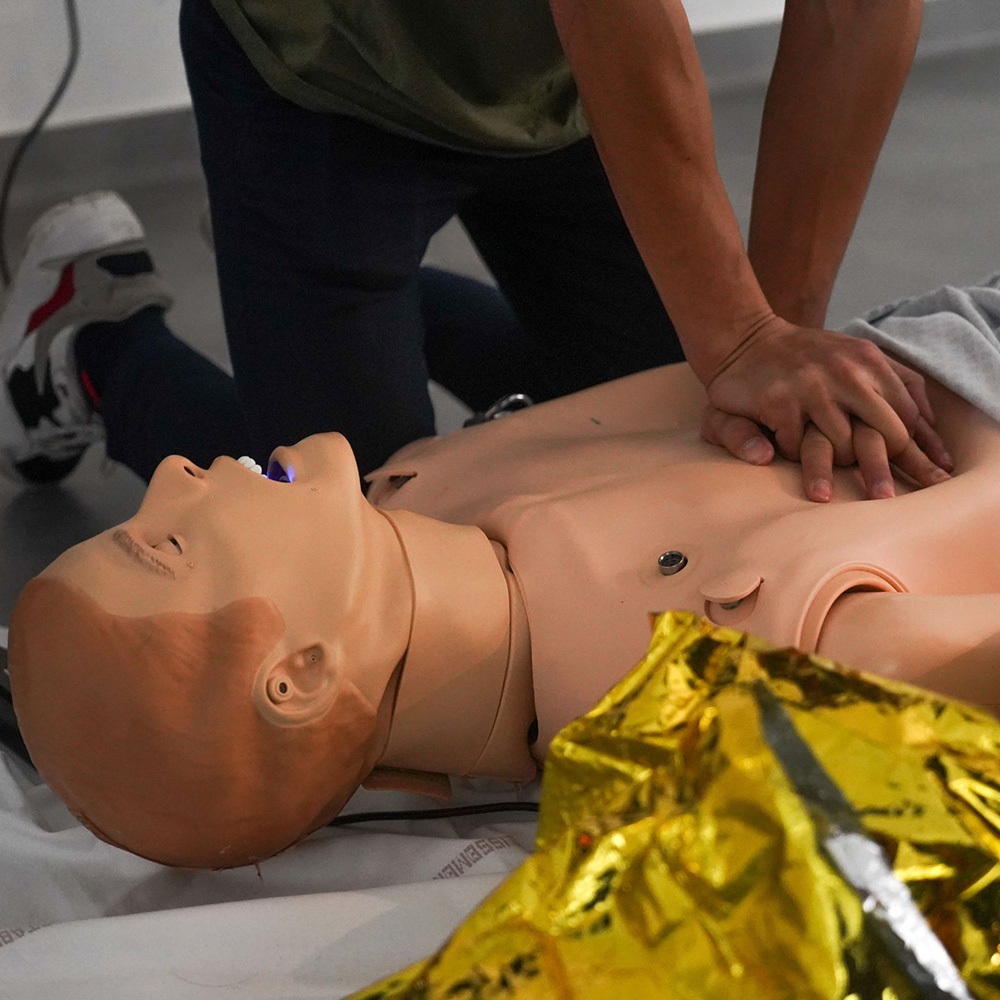
Emergency medical services (EMS) agencies that adopt four or more critical best practices have higher rates of survival among cardiac arrest patients than their peers, a nationwide study co-led by a UT Southwestern Medical Center researcher found.
UTSW’s Simmons Cancer Center awarded more than $11.5 million in CPRIT funding: Newsroom - UT Southwestern, Dallas, Texas
https://www.utsouthwestern.edu/newsroom/articles/year-2024/sept-scc-awarded-cprit-funding.html
Eight scientists and physicians in the Harold C. Simmons Comprehensive Cancer Center at UT Southwestern have been awarded more than $11.5 million in grants from the Cancer Prevention and Research Institute of Texas (CPRIT) to support the state’s fight against cancer.
$25 million donation from Hamon Charitable Foundation will help UT Southwestern, Children’s Health develop joint pediatric campus: Newsroom - UT Southwestern, Dallas, Texas
https://www.utsouthwestern.edu/newsroom/articles/year-2024/sept-hamon-charitable-foundation-donation.html
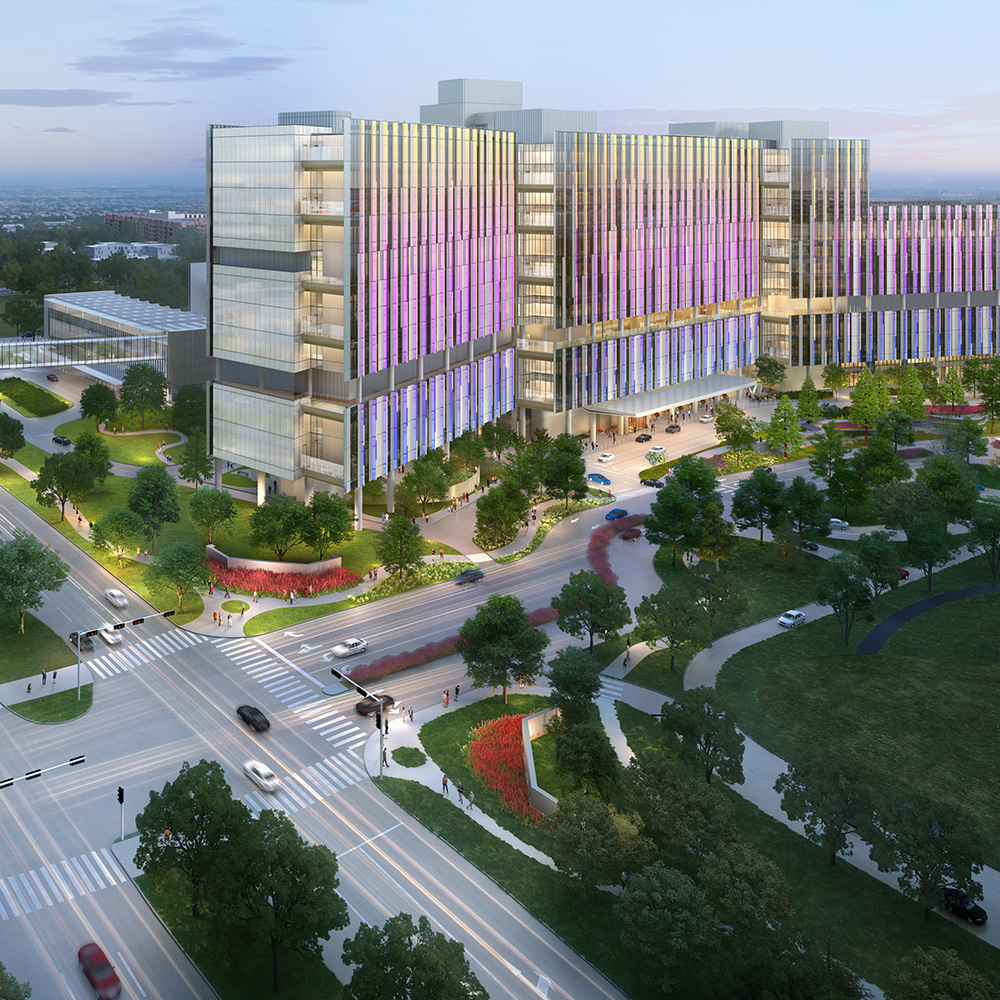
UT Southwestern Medical Center and Children's HealthSM announced a $25 million gift from the Hamon Charitable Foundation in support of the $5 billion transformative pediatric campus to be built in Dallas’ Southwestern Medical District across from UTSW’s William P. Clements Jr. University Hospital.
Computer model boosts detection of cell-to-cell communication: Newsroom - UT Southwestern, Dallas, Texas
https://www.utsouthwestern.edu/newsroom/articles/year-2024/sept-computer-model-cell-to-cell-communication.html
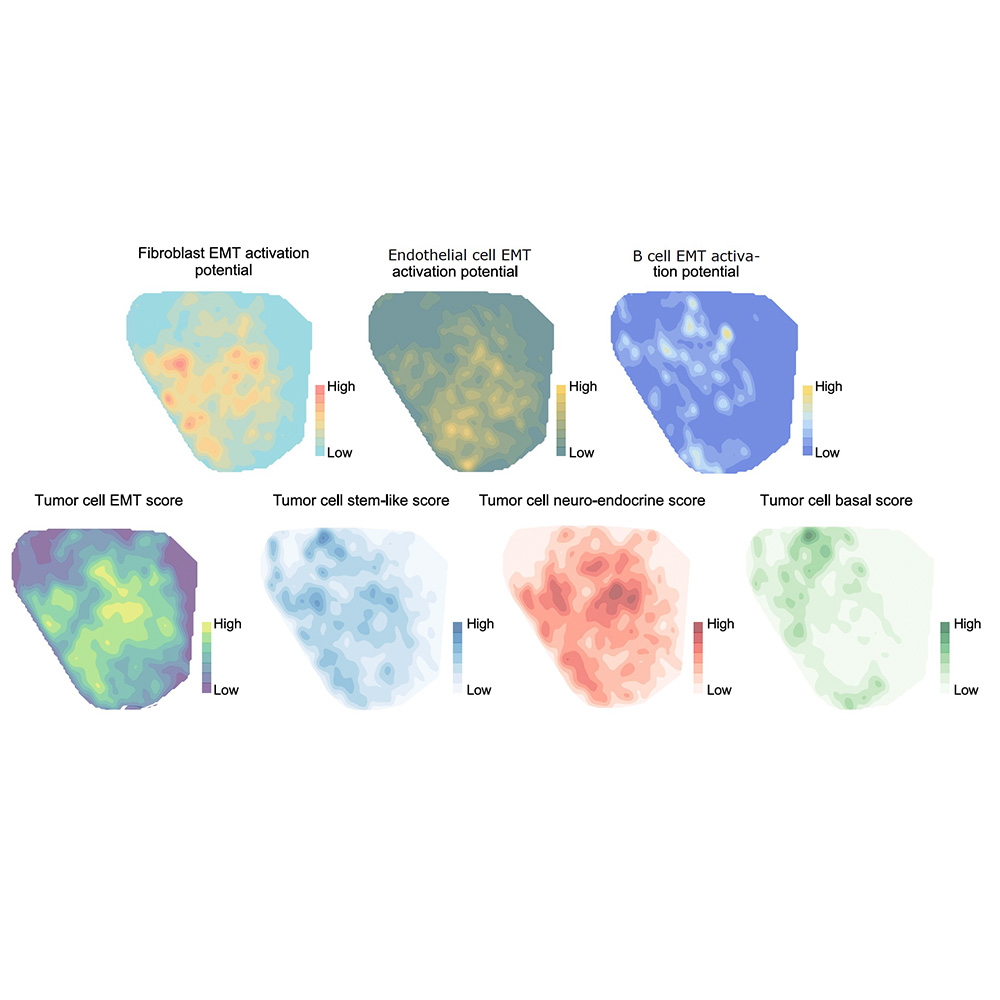
A computer model developed by UT Southwestern Medical Center researchers significantly enhances the ability of scientists to detect communication between cells according to a new study published in Nature Methods.
Natural grass may pose greater risk for football concussions: Newsroom - UT Southwestern, Dallas, Texas
https://www.utsouthwestern.edu/newsroom/articles/year-2024/aug-natural-grass-football-concussions.html

Young football players who sustained a head-to-ground concussion practicing or playing games on natural grass experienced more symptoms – and significantly higher severity – than those who suffered concussions on artificial turf, researchers at UT Southwestern Medical Center found.
Targeting protein has potential to treat leukemia, lymphoma: Newsroom - UT Southwestern, Dallas, Texas
https://www.utsouthwestern.edu/newsroom/articles/year-2024/aug-targeting-protein-leukemia-lymphoma.html
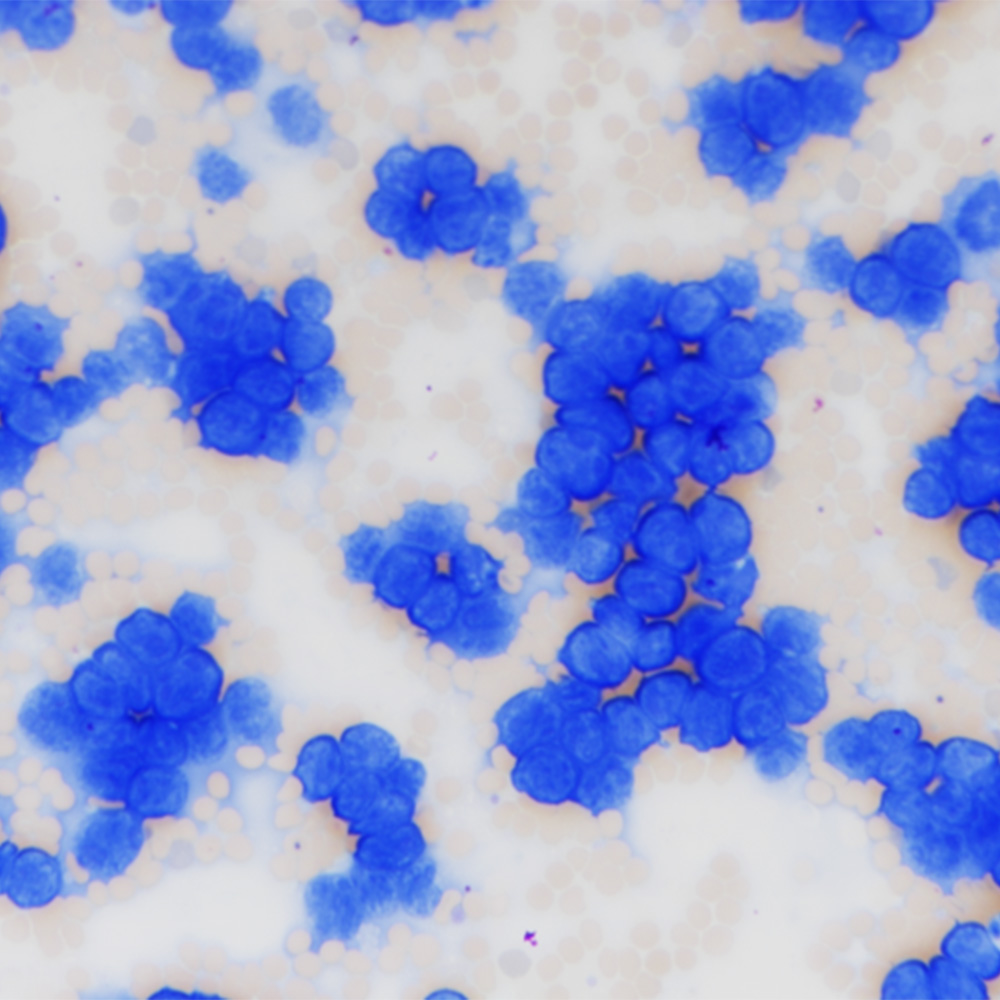
Targeting a protein called ZFP574 suppressed leukemia in a mouse model of the disease, UT Southwestern Medical Center researchers showed in a new study.
Widespread disparities exist in treating advanced cancers: Newsroom - UT Southwestern, Dallas, Texas
https://www.utsouthwestern.edu/newsroom/articles/year-2024/sept-widespread-disparities-advanced-cancers.html
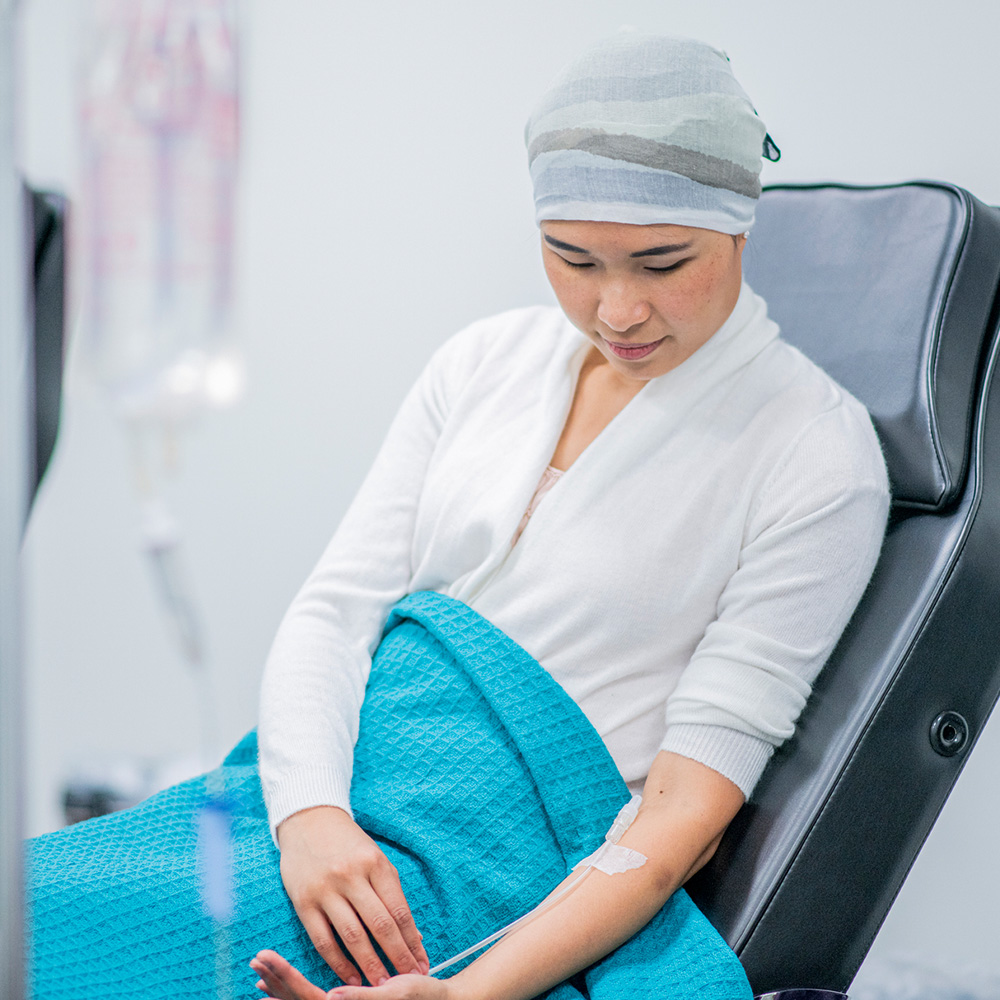
A study led by researchers at UT Southwestern Medical Center reveals significant disparities across the country in the use of immunotherapy for patients with advanced kidney and bladder cancers.
Sleep apnea sufferers more likely to develop heart disease: Newsroom - UT Southwestern, Dallas, Texas
https://www.utsouthwestern.edu/newsroom/articles/year-2024/july-sleep-apnea-heart-disease.html

Obstructive sleep apnea (OSA) is linked to an increased risk of cardiovascular disease in adults, even those younger than 40, researchers at UT Southwestern Medical Center found.
UTSW study identifies RNA molecule that regulates cellular aging : Newsroom - UT Southwestern, Dallas, Texas
https://www.utsouthwestern.edu/newsroom/articles/year-2024/july-rna-molecule-cellular-aging.html
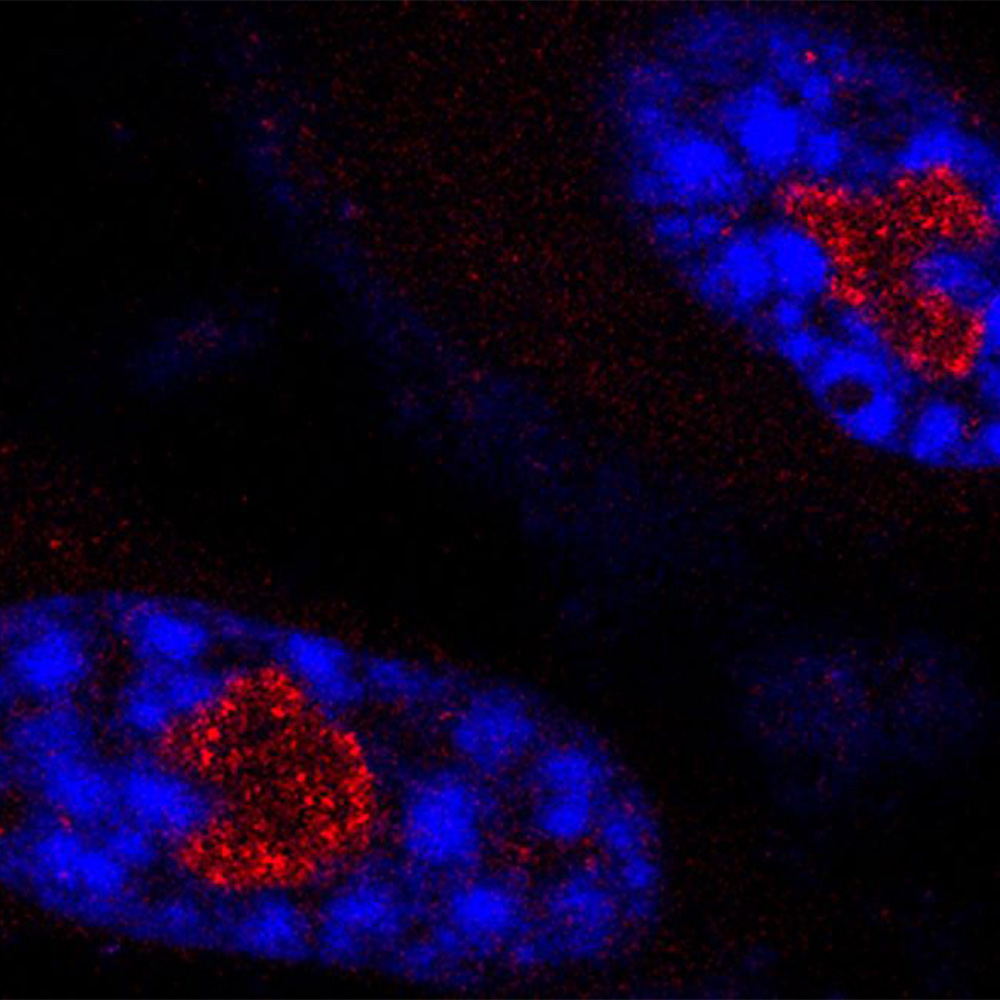
A team led by UT Southwestern Medical Center researchers has discovered a new way that cells regulate senescence, an irreversible end to cell division. The findings, published in Cell, could one day lead to new interventions for a variety of conditions associated with aging, including neurodegenerative and cardiovascular diseases, diabetes, and cancer, as well as new therapies for a collection of diseases known as ribosomopathies.
Children’s Research Institute at UT Southwestern identifies metabolic inflexibility that keeps damage at bay during liver regeneration: Newsroom - UT Southwestern, Dallas, Texas
https://www.utsouthwestern.edu/newsroom/articles/year-2024/july-childrens-ut-liver-regeneration.html
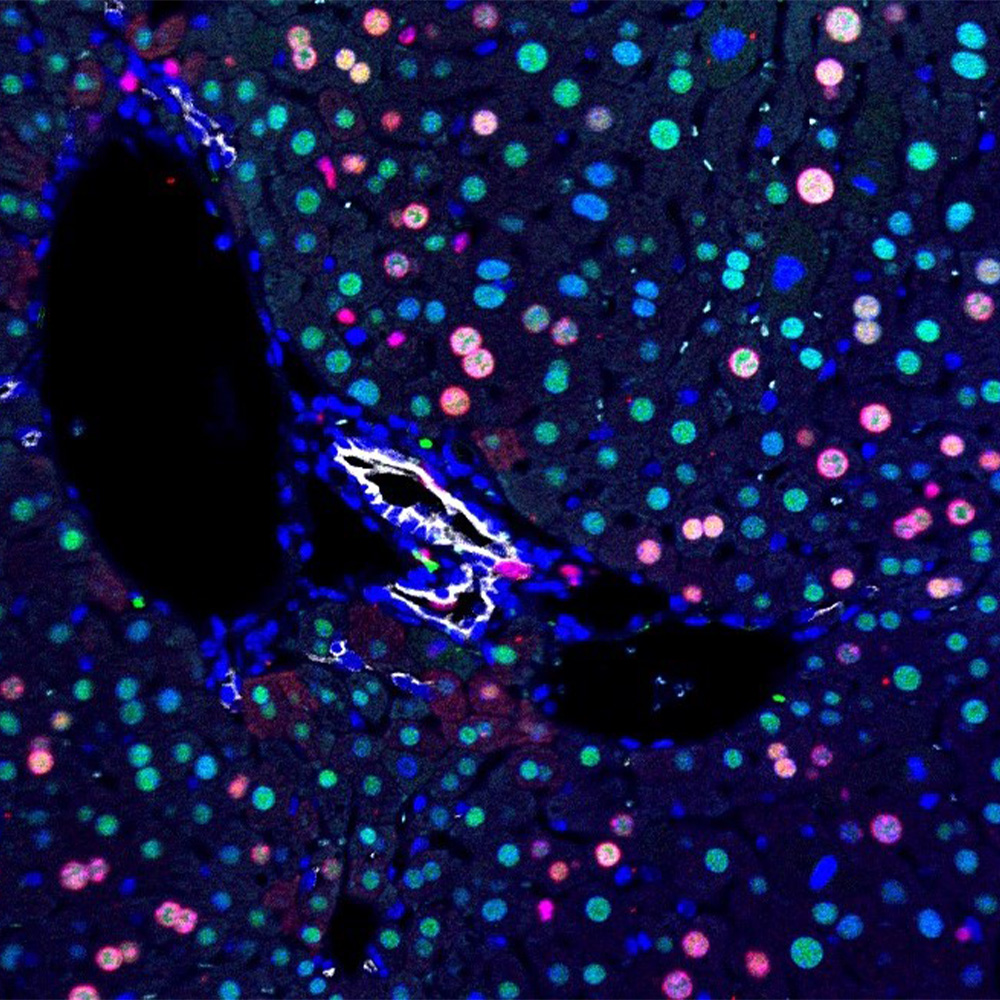
Liver cells have a vital metabolic inflexibility during regeneration to starve dysfunctional cells and keep damage from spreading, according to new research from Children’s Medical Center Research Institute at UT Southwestern (CRI) published in Science.