
Search
Boosting the immune system's appetite for cancer - UT Southwestern, Dallas, Texas
https://www.utsouthwestern.edu/newsroom/articles/year-2020/boosting-the-immune-systems-appetite-for-cancer.html
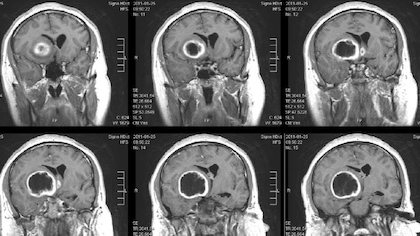
A combination of immunotherapy agents that encourages some immune cells to eat cancer cells and alert others to attack tumors put mice with a deadly type of brain cancer called glioblastoma into long-term remission
Human cells can exchange genomic DNA that alters cell behavior: Newsroom - UT Southwestern, Dallas, Texas
https://www.utsouthwestern.edu/newsroom/articles/year-2026/may-cri-human-cells-dna.html
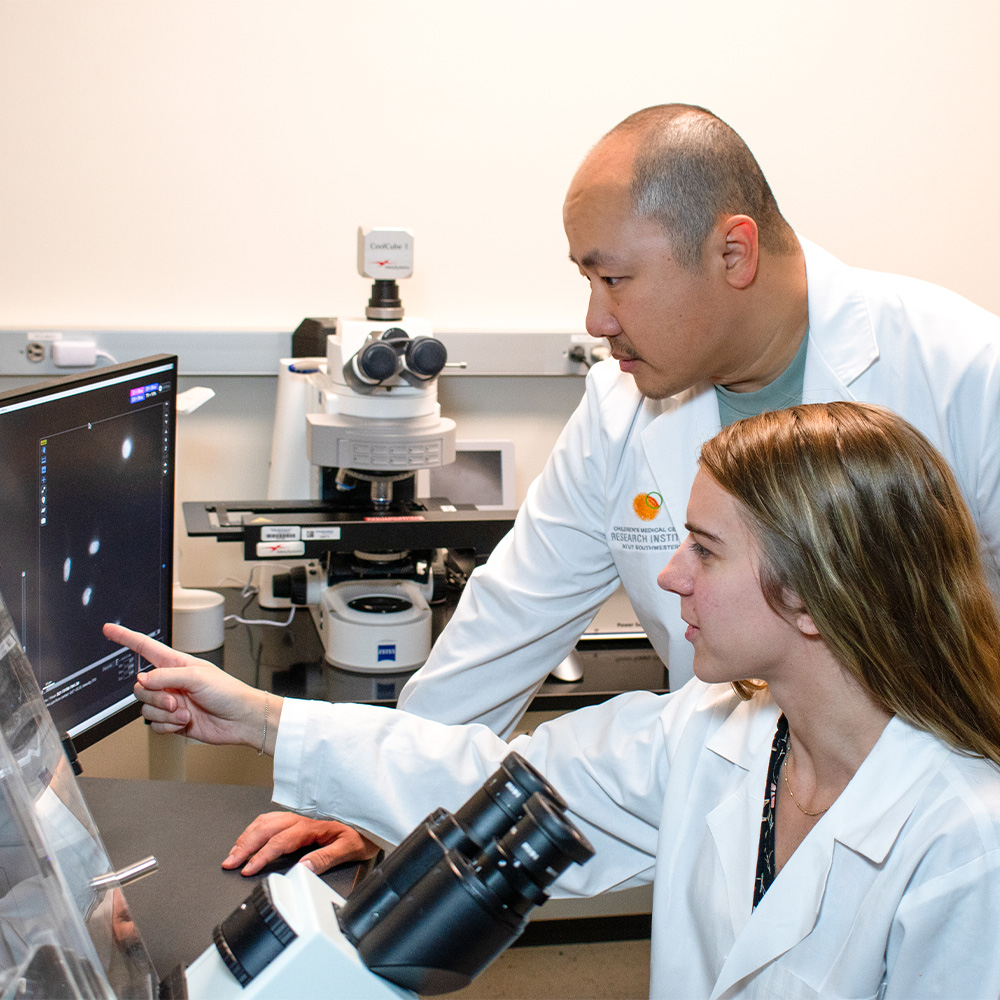
Scientists at Children’s Medical Center Research Institute at UT Southwestern (CRI) have discovered that large pieces of DNA can transfer directly between human cells, and the DNA can persist and change how the recipient cell functions.
How cancer cells stiff-arm normal environmental cues to consume energy: Newsroom - UT Southwestern, Dallas, Texas
https://www.utsouthwestern.edu/newsroom/articles/year-2020/how-cancer-cells-consume-energy.html
UT Southwestern researchers have uncovered how cells in general modulate their energy consumption based on their surroundings.
Ovarian cancer cells use stress hormone signaling to shut down immune system: Newsroom - UT Southwestern, Dallas, Texas
https://www.utsouthwestern.edu/newsroom/articles/year-2026/may-ovarian-cancer-cells-immune-system.html
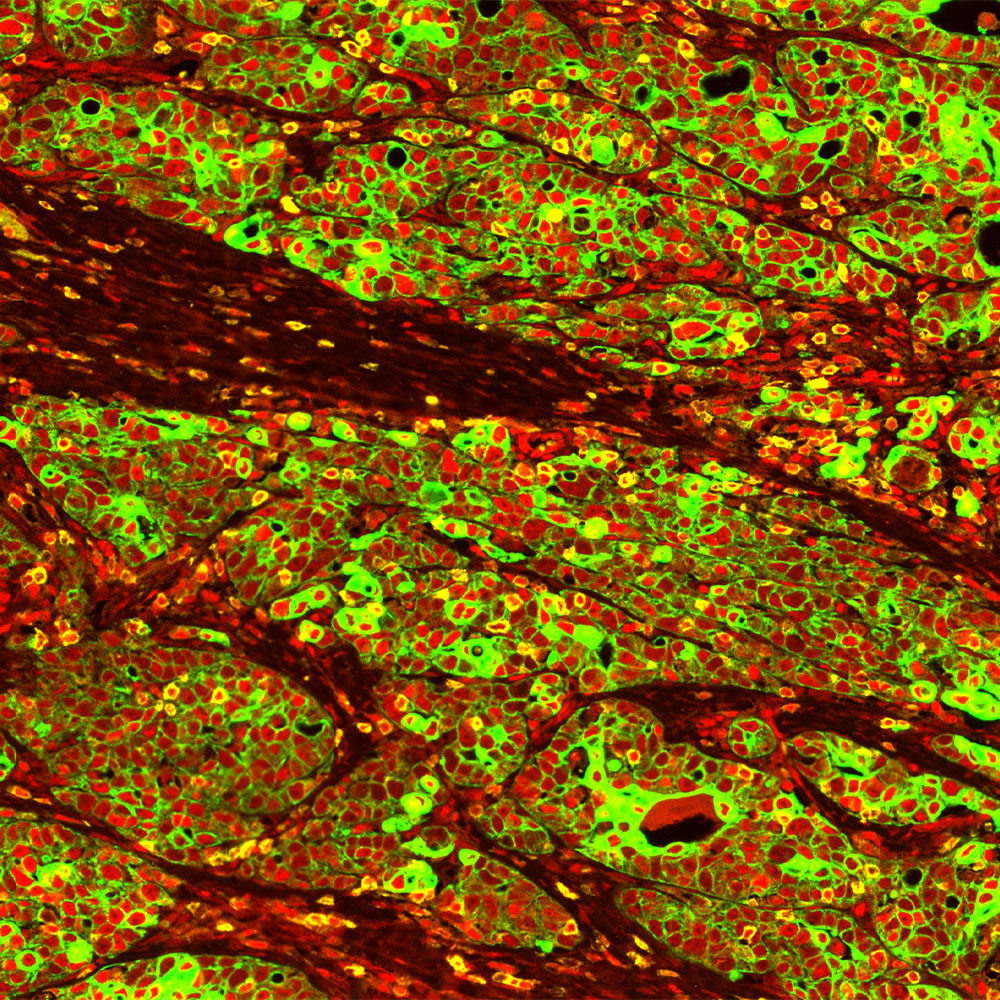
When activated in ovarian cancer cells, the receptor for the body’s primary stress hormone alters the tumor environment in ways that blunt immune response, according to new research led by UT Southwestern Medical Center.
Orphan Drug Boosts Radiation Therapy - UT Southwestern, Dallas, TX
https://www.utsouthwestern.edu/research/scientific-report/articles/orphan-drug-boosts-radiation-therapy.html
For decades, lung cancer has been one of medicine’s toughest opponents. Radiation therapy can slow the disease, but delivering curative doses without harming nearby organs, such as the heart and esophagus has remained out of reach.
Studying Songbird Neurology to Unlock Language Acquisition - UT Southwestern, Dallas, TX
https://www.utsouthwestern.edu/research/scientific-report/articles/studying-songbird-neurology-to-unlock-language-acquisition.html
When he was just 6 months old, Todd Roberts moved with his family from Houston to Brazil to support his scientist father’s research on malaria and other mosquito-borne diseases. There, he simultaneously learned Brazilian Portuguese and English, becoming the most fluent bilingual speaker in his household.
SoRelle, Park contribute to research of severity of cancer immunotherapy side effects linked to genetics
https://www.utsouthwestern.edu/departments/pathology/news/sorelle-park-immunotherapy-side-effects.html
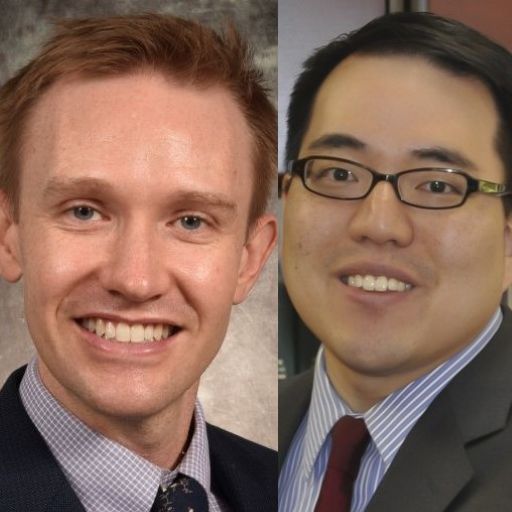
SoRelle, Park contribute to research of severity of cancer immunotherapy side effects linked to genetics Published on: May 06, 2026 Dr. Jeff SoRelle Dr. Jason Park Severity of cancer immunotherapy side effects linked to genetics Back-to top
UTSW spinoff receives $2.6 million CPRIT grant to develop novel cancer immunotherapy: Newsroom - UT Southwestern, Dallas, Texas
https://www.utsouthwestern.edu/newsroom/articles/year-2026/sept-cprit-grant-cancer-immunotherapy.html
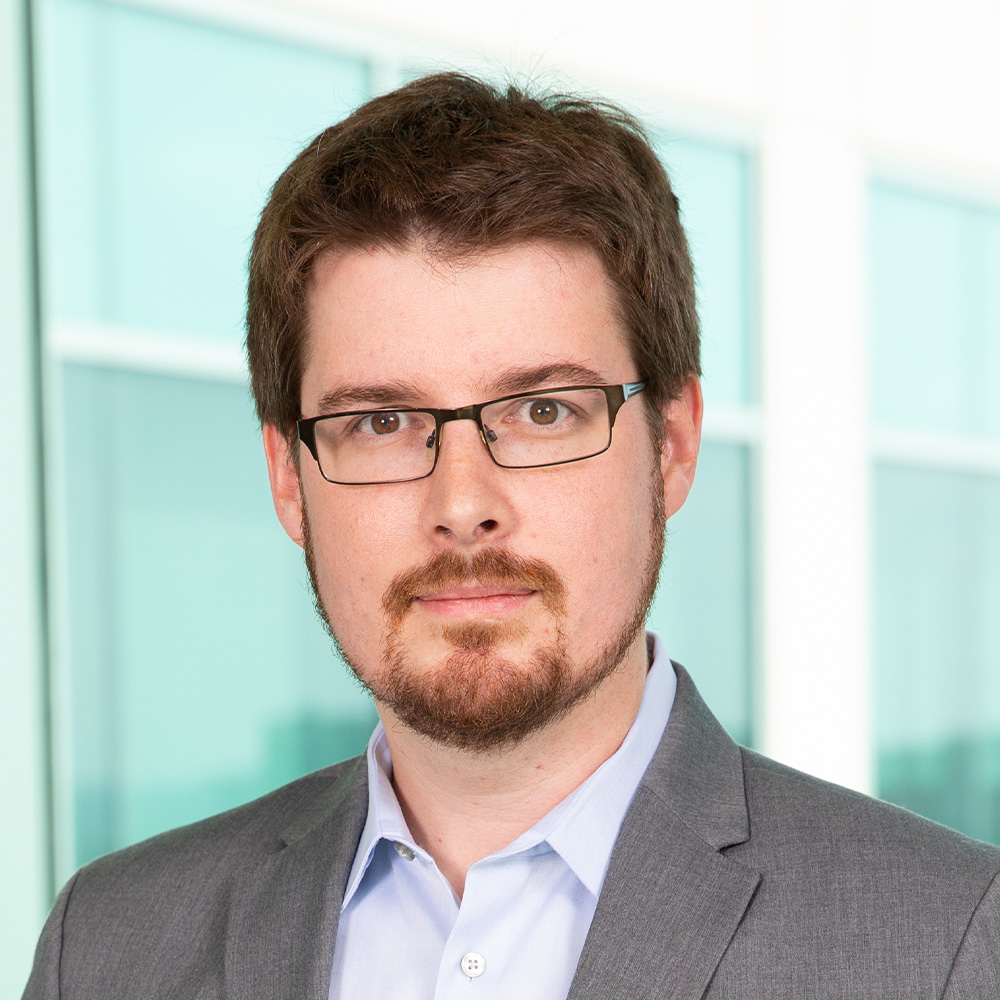
MusiQ Bio, a biotech startup created to advance an anticancer technology developed at UT Southwestern Medical Center, has been awarded a $2.59 million grant from the Cancer Prevention and Research Institute of Texas (CPRIT).
New research center set to explore treatments for Alzheimer’s : Newsroom - UT Southwestern, Dallas, Texas
https://www.utsouthwestern.edu/newsroom/articles/year-2026/aug-research-center-treatments-alzheimers.html
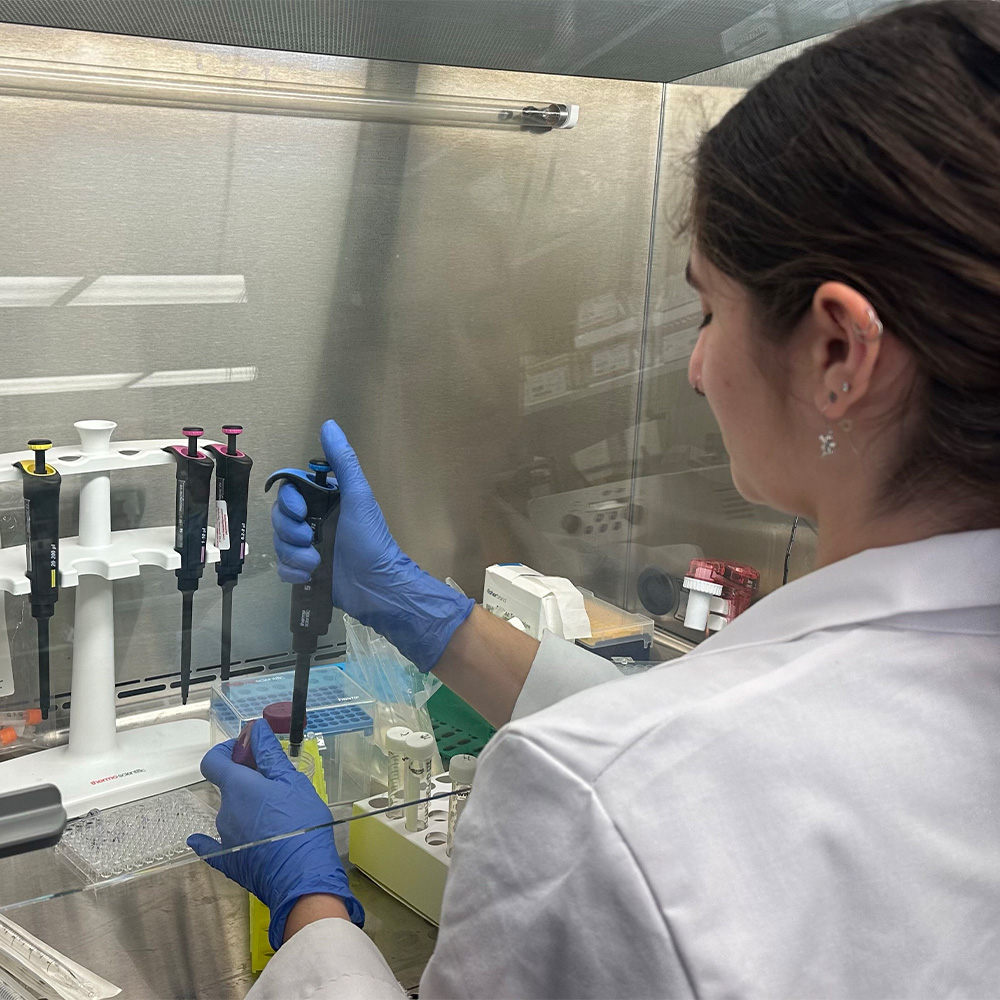
Since launching in April, the North Texas Alzheimer’s Disease Research Center (NT-ADRC) based at UT Southwestern Medical Center has quickly established the foundation needed to support cutting-edge research into Alzheimer’s and related dementias.
FAQ - Imposed $100,000 Fee on H-1B Visa Applications
https://www.utsouthwestern.edu/about-us/administrative-offices/international-affairs/immigration-updates/faq-president-fee-h1b-visa-applications.html
President's Proclamation: Starting September 21, 2025, U.S. employers must pay a $100,000 fee per worker to bring an H-1B employee from abroad, unless an exception applies.