
Search
Immune protein STING key for repairing, generating lysosomes: Newsroom - UT Southwestern, Dallas, Texas
https://www.utsouthwestern.edu/newsroom/articles/year-2025/april-immune-protein-sting-key.html
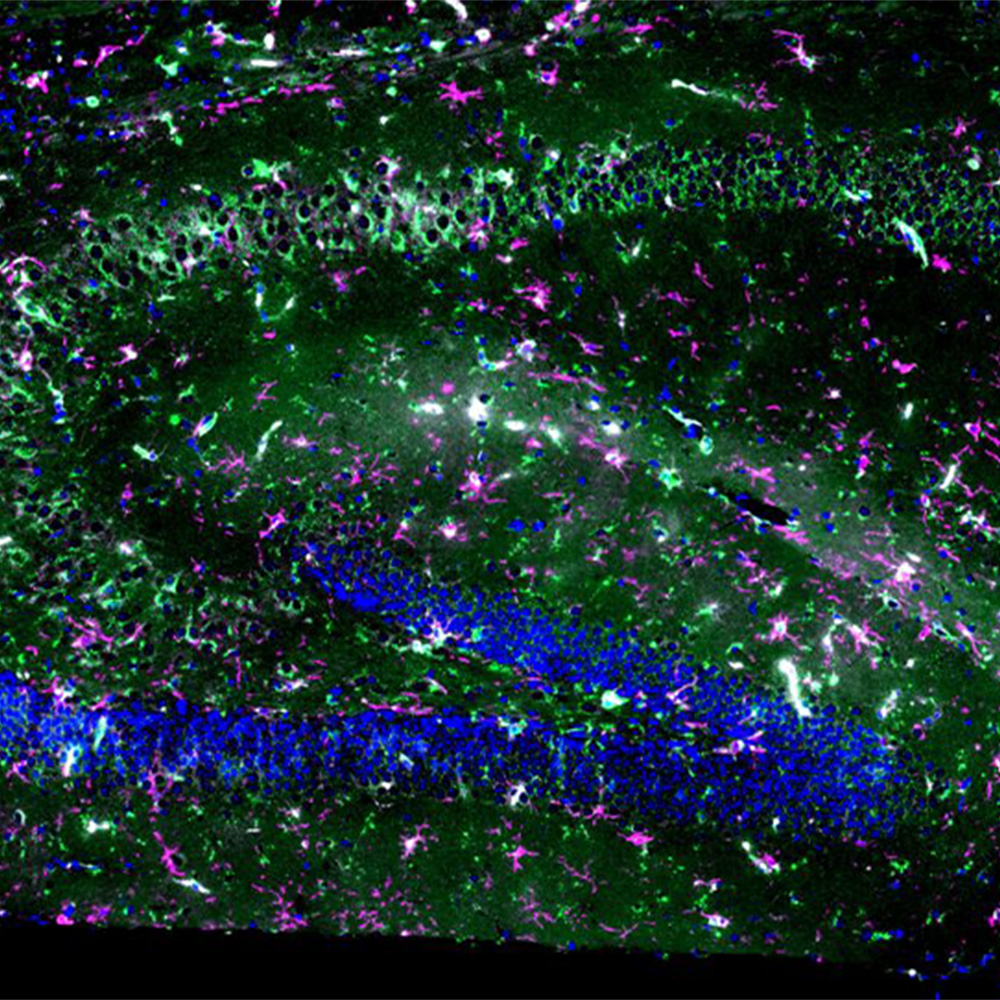
– The STING protein, known for helping cells fight viral infections by generating inflammation, also appears to function as a quality control sensor for organelles that serve as cellular waste disposal systems, UT Southwestern Medical Center researchers found. Their study, published in Molecular Cell, helps explain critical features of diseases called lysosomal storage disorders and could eventually lead to new treatments for these and other neurodegenerative diseases.
Protein linked to immunotherapy resistance in kidney cancer: Newsroom - UT Southwestern, Dallas, Texas
https://www.utsouthwestern.edu/newsroom/articles/year-2025/may-to-immunotherapy-resistance-kidney-cancer.html
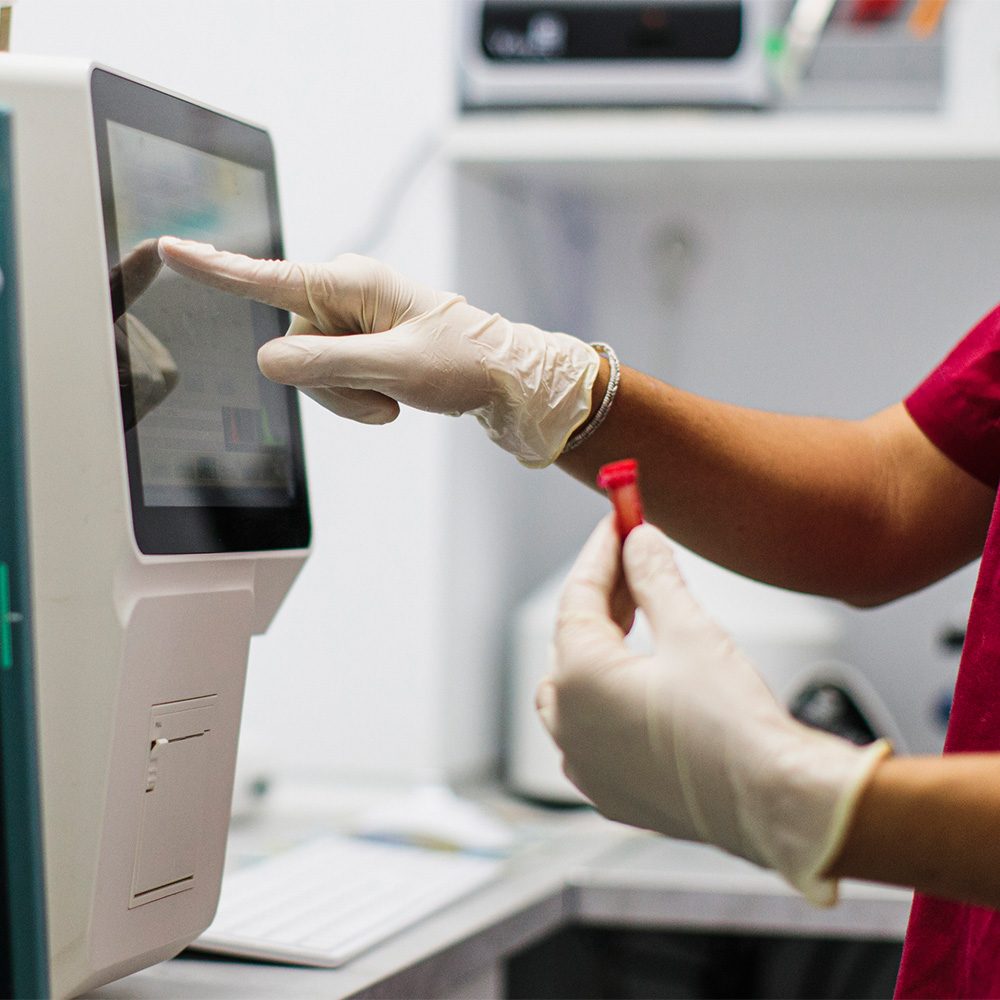
A protein identified by researchers at UT Southwestern Medical Center may drive resistance to immune checkpoint inhibitors, a widely used form of immunotherapy to treat cancer.
UTSW Research: Anaphylaxis hospital stays, LDL-lowering drug, and more: Newsroom - UT Southwestern, Dallas, Texas
https://www.utsouthwestern.edu/newsroom/articles/year-2025/july-research-roundup-ldl-lowering-drug.html

A team of researchers including UT Southwestern Medical Center Pediatrics faculty members Jo-Ann Nesiama, M.D., Professor, and Geetanjali Srivastava, M.D., M.P.H., Associate Professor, collected data on 5,641 ED visits for pediatric anaphylaxis between 2016 and 2019 from 30 hospitals in the U.S. and one in Canada.
Faster clot-busting drug works as well as traditional drug for stroke: Newsroom - UT Southwestern, Dallas, Texas
https://www.utsouthwestern.edu/newsroom/articles/year-2025/march-faster-clot-busting-drug.html
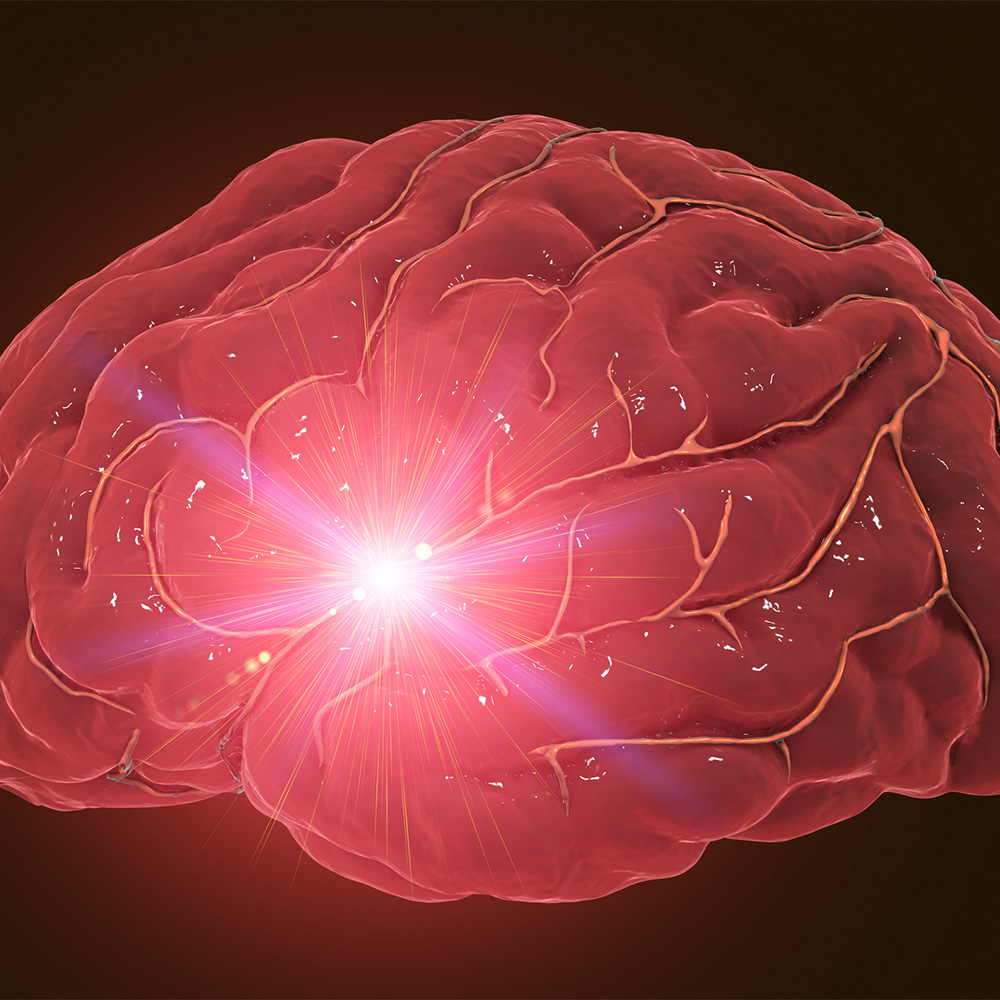
– A “clot-busting” drug recently approved to treat acute ischemic strokes (AIS) that can be delivered quickly works as well as a decades-old medication used by most hospitals in the U.S. and could hold significant advantages for some patients, a study led by a UT Southwestern Medical Center researcher shows. The findings, published in JAMA Network Open, could encourage more hospitals to use the newer drug, tenecteplase.
Lifelong physical activity may slow cognitive decline: Newsroom - UT Southwestern, Dallas, Texas
https://www.utsouthwestern.edu/newsroom/articles/year-2025/april-physical-activity-cognitive-decline.html
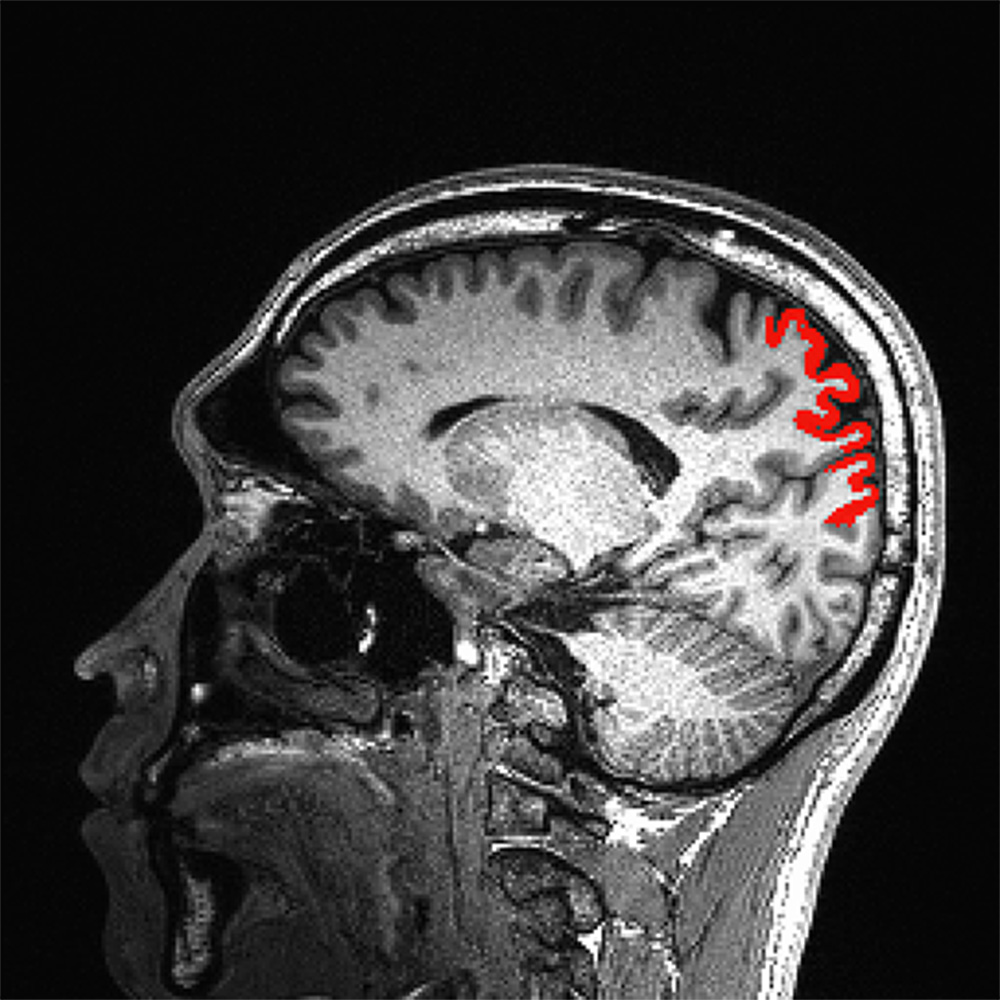
High levels of physical activity may mitigate brain loss in adults and help maintain long-term cognitive health, researchers at UT Southwestern Medical Center report in a study published in the Journal of Applied Physiology.
FDA-designated orphan drug could increase radiation efficacy in lung cancer: Newsroom - UT Southwestern, Dallas, Texas
https://www.utsouthwestern.edu/newsroom/articles/year-2025/april-fda-designated-orphan-drug.html
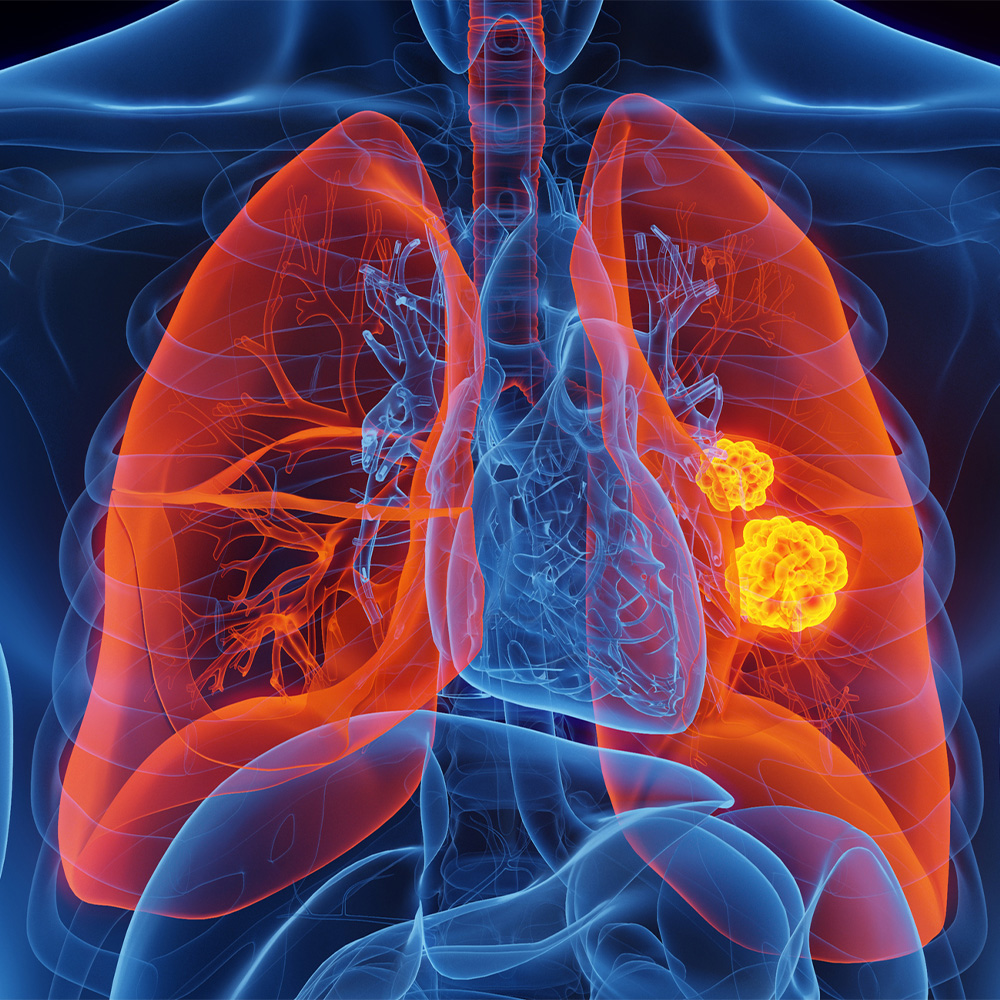
– An FDA-designated orphan drug that can target a key vulnerability in lung cancer shows promise in improving the efficacy of radiation treatments in preclinical models, according to a study by UT Southwestern Medical Center researchers.
Cryo-EM technology reveals how vitamin K works in the body : Newsroom - UT Southwestern, Dallas, Texas
https://www.utsouthwestern.edu/newsroom/articles/year-2025/feb-cryo-em-technology-vitamin-k.html
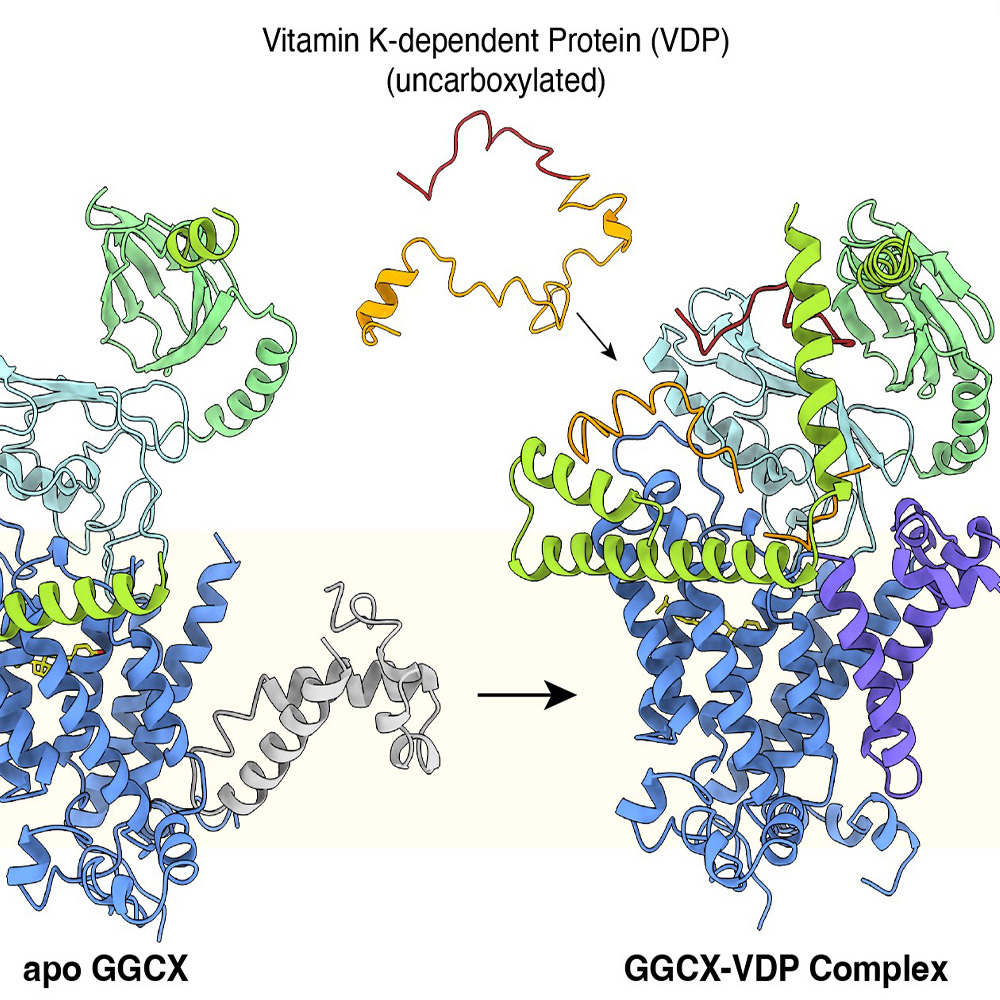
Using a powerful microscopy technique, a team led by researchers at UT Southwestern Medical Center has gained insights into how the body uses vitamin K, an essential nutrient that plays a pivotal role in blood clotting and other physiological functions.
New method identifies protein that may govern cancer cell movement and metastasis : Newsroom - UT Southwestern, Dallas, Texas
https://www.utsouthwestern.edu/newsroom/articles/year-2025/april-cancer-cell-movement-metastasis.html
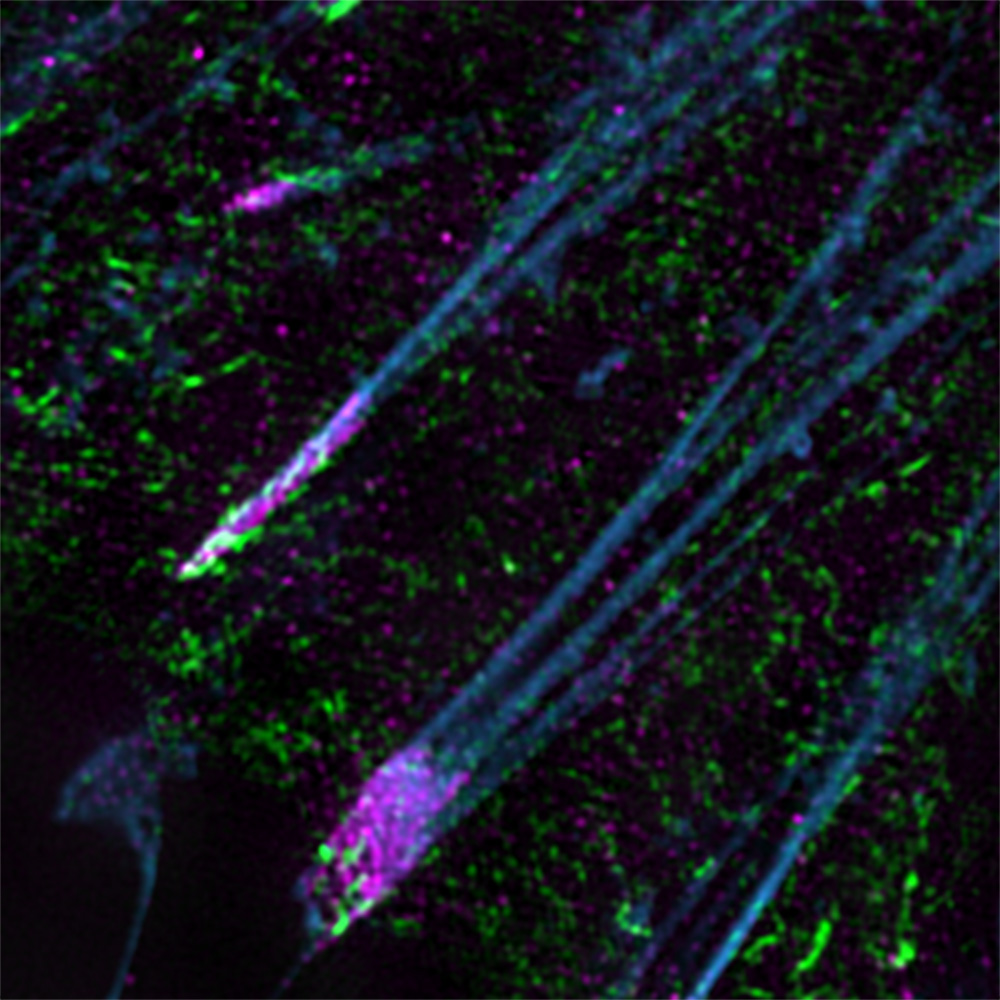
Using a novel method that gives a readout of which proteins are in specific locations within cells, UT Southwestern Medical Center researchers have identified a protein that plays a key role in cell adhesion and movement.
UTSW researchers use focused ultrasound to identify stroke biomarkers : Newsroom - UT Southwestern, Dallas, Texas
https://www.utsouthwestern.edu/newsroom/articles/year-2025/march-ultrasound-identify-stroke-biomarkers.html
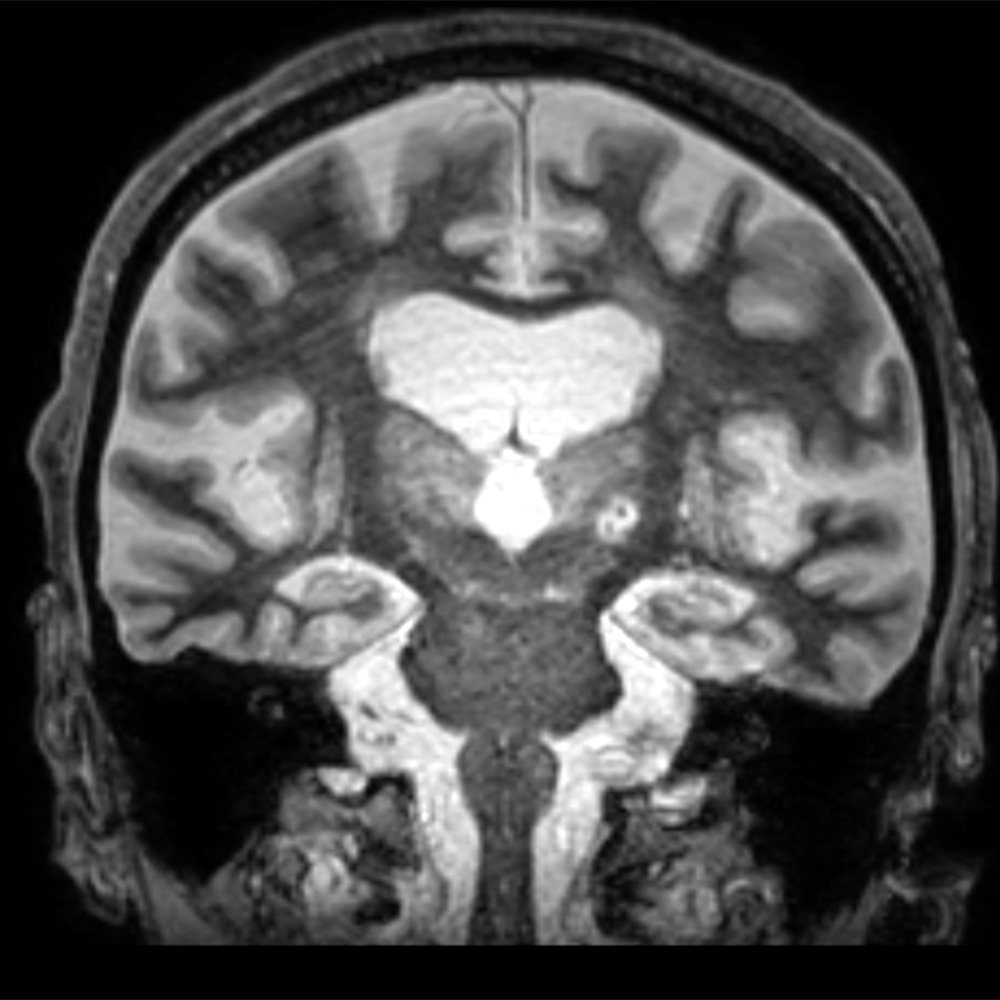
A molecule called glial fibrillary acidic protein (GFAP) rose significantly in the blood of patients who underwent high-intensity focused ultrasound (HIFU), a procedure that is used to treat tremors and causes damage similar to a small stroke, UT Southwestern Medical Center scientists discovered in a new study. Their findings, published in Brain Communications, reveal a potential biomarker for stroke and could eventually lead to blood tests that quickly diagnose brain injuries.
UT Southwestern helps advance state, national efforts to strengthen nutrition education in medical schools: Newsroom - UT Southwestern, Dallas, Texas
https://www.utsouthwestern.edu/newsroom/articles/year-2026/march-strengthen-nutrition-education-in-medical-schools.html
– UT Southwestern, one of the first medical schools in the country to integrate culinary medicine and nutrition education into its curriculum, is partnering with the U.S. Department of Health and Human Services (HHS) and more than 50 other top medical schools to launch a program promoting more widespread, meaningful nutrition training for future doctors.