
Search
UTSW study reveals how key protein affects neuron structure: Newsroom - UT Southwestern, Dallas, Texas
https://www.utsouthwestern.edu/newsroom/articles/year-2024/sept-torsinA.html
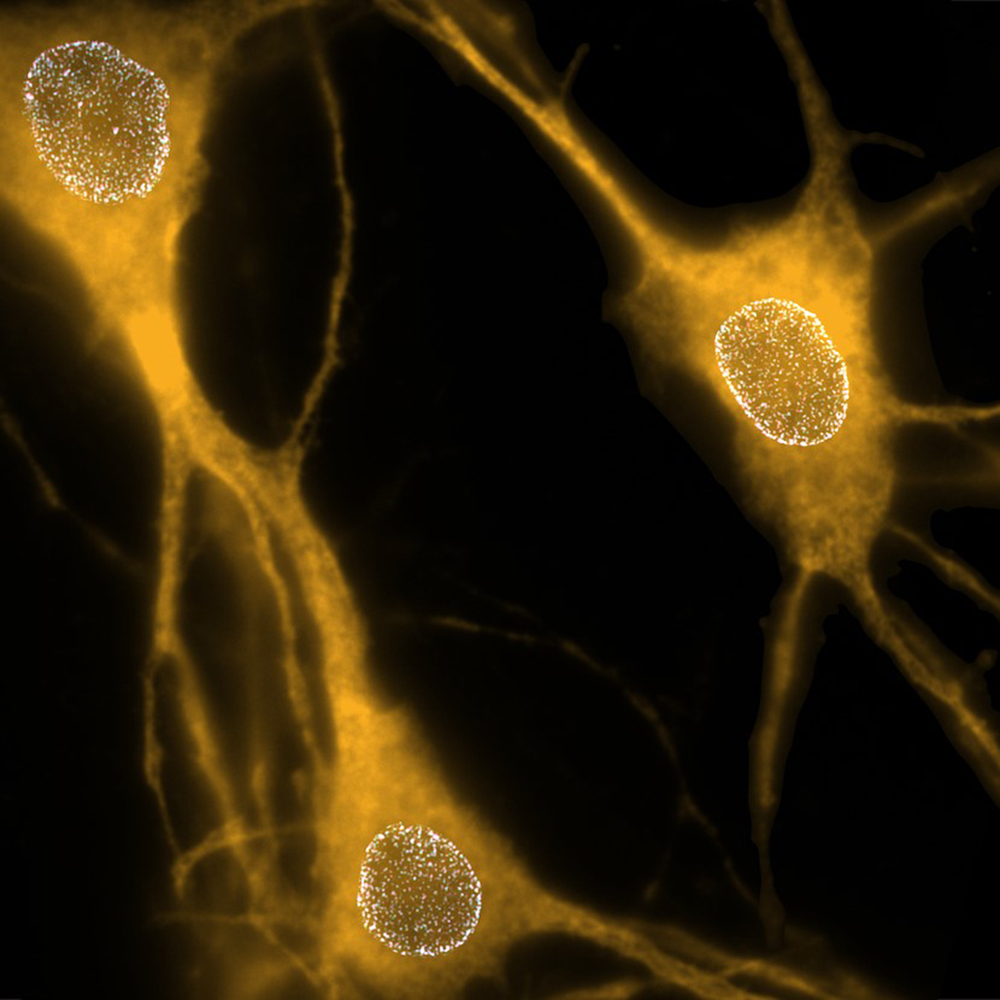
A protein called torsinA plays a key role in the early development of neurons, determining where nuclear pores are placed in the membrane that encloses the nucleus of nerve cells, a study led by UT Southwestern Medical Center researchers shows.
CRI’s Sean Morrison elected to European Molecular Biology Organization: Newsroom - UT Southwestern, Dallas, Texas
https://www.utsouthwestern.edu/newsroom/articles/year-2023/july-morrison-embo.html

Stem cell biologist Sean J. Morrison, Ph.D., has been elected by his peers as an associate member of the European Molecular Biology Organization (EMBO).
UTSW Research: Alcohol-associated liver disease, depression treatment, and more: Newsroom - UT Southwestern, Dallas, Texas
https://www.utsouthwestern.edu/newsroom/articles/year-2024/sept-research-roundup.html
Researchers have long known that outcomes for alcohol-associated liver disease (ALD) aren’t equal among all races and ethnicities in the U.S., but differences among these groups have been less clear.
New neurodevelopmental disorder identified among patients with common symptoms: Newsroom - UT Southwestern, Dallas, Texas
https://www.utsouthwestern.edu/newsroom/articles/year-2023/may-neurodevelopmental-disorder.html

A new type of developmental disability caused by mutations in a gene known as CBX1 has been discovered by a UT Southwestern Medical Center researcher and his colleagues. The findings, reported in Genetics in Medicine, offer insight into the role this gene plays in development and could eventually lead to therapies for a range of related disorders.
Animal Resource Center (ARC): UT Southwestern, Dallas, Texas
https://www.utsouthwestern.edu/research/research-support/animal-resource-center/
Learn about UT Southwestern's Animal Research Center and link to information for personnel on-campus to our secure intranet site.
Research Security - UT Southwestern Medical Center
https://www.utsouthwestern.edu/research/research-support/research-security/
Research Security is the set of principles and actions that safeguard the research enterprise against the misappropriation of research and development to the detriment of national or economic security, related violations of research integrity, and foreign government interference.
UTSW finds potential key to predict immunotherapy toxicity : Newsroom - UT Southwestern, Dallas, Texas
https://www.utsouthwestern.edu/newsroom/articles/year-2023/aug-immunotherapy-toxicity.html

Researchers at UT Southwestern Medical Center have identified a novel parameter of T cells that could help oncologists anticipate which patients would be most likely to develop immunotherapy toxicity.
UTSW researchers generate cattle blastoids in lab to aid farm animal reproduction: Newsroom - UT Southwestern, Dallas, Texas
https://www.utsouthwestern.edu/newsroom/articles/year-2023/may-cattle-blastoids.html

UT Southwestern Medical Center stem cell and developmental biologists and colleagues have developed a method to produce bovine blastoids, a crucial step in replicating embryo formation in the lab that could lead to the development of new reproductive technologies for cattle breeding.
UTSW study challenges classic tenet of memory research: Newsroom - UT Southwestern, Dallas, Texas
https://www.utsouthwestern.edu/newsroom/articles/year-2023/sept-memory-research.html

Connections among one set of activated neurons in rat brains grew stronger while memories were being formed, but those in another weakened, UT Southwestern Medical Center researchers discovered.
Start screenings at age 45 to prevent colorectal cancer, UT Southwestern experts advise : Newsroom - UT Southwestern, Dallas, Texas
https://www.utsouthwestern.edu/newsroom/articles/year-2023/june-colorectal-cancer.html
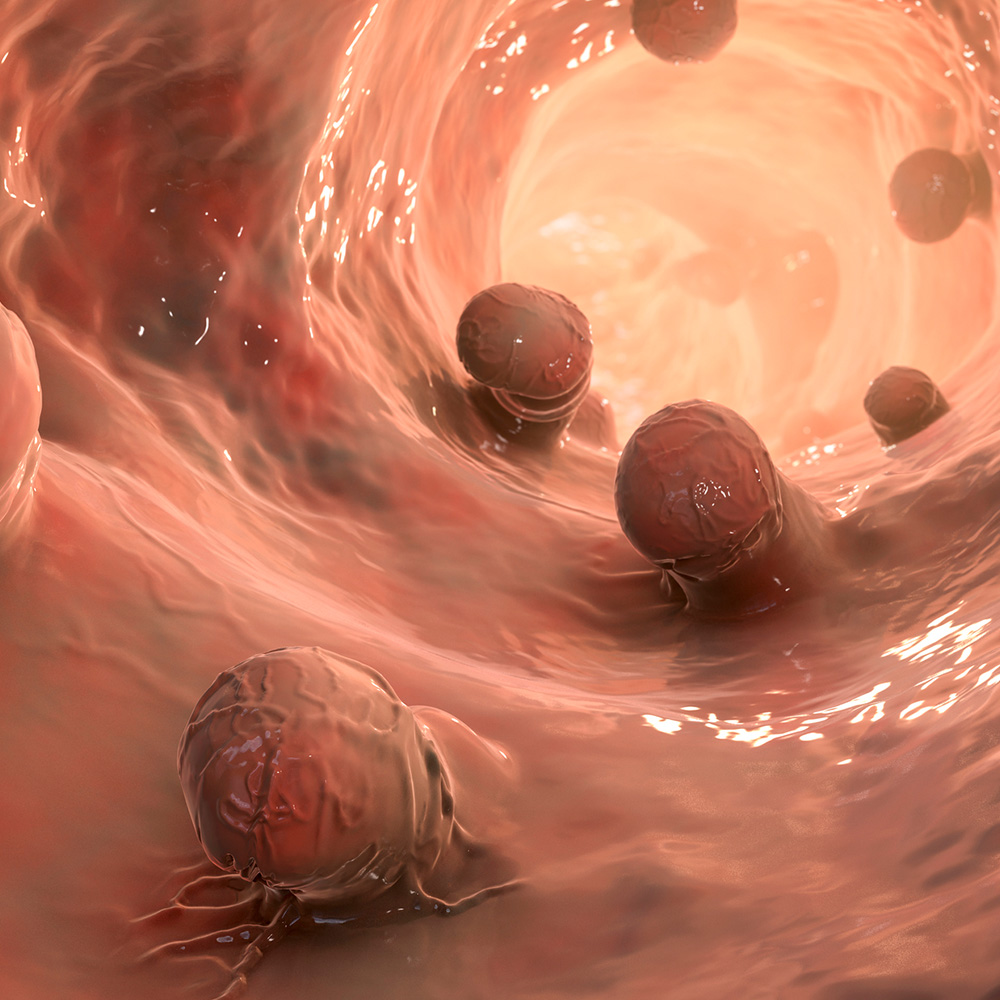
Colorectal cancer is on the rise among younger adults. According to the American Cancer Society, the proportion of cases among people under 55 increased from 11% in 1995 to 20% in 2019, and it is now the leading cause of cancer-related deaths for men younger than 50.