
Search
Geriatric Psychiatry | Conditions & Treatments | UT Southwestern Medical Center
https://utswmed.org/conditions-treatments/geriatric-psychiatry/

Our geriatric psychiatry team provides expert care and services to prevent, evaluate, diagnose, and treat mental health and emotional disorders in older people.
Gliomas | Peter O'Donnell Jr. Brain Institute | Condition | UT Southwestern Medical Center
https://utswmed.org/conditions-treatments/gliomas/

Using the latest advancements in technology, experts at UT Southwestern treat many patients with all types of gliomas (brain tumors) each year.
Glomus Tumor | Peter O'Donnell Jr. Brain Institute | Condition | UT Southwestern Medical Center
https://utswmed.org/conditions-treatments/glomus-tumor/
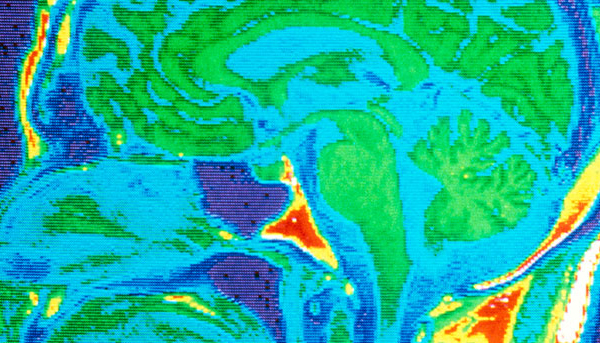
Specialists at UT Southwestern are experts at diagnosing and treating glomus tumors, as well as restoring quality of life for each patient.
Hemorrhagic Stroke | Peter O'Donnell Jr. Brain Institute | Condition | UT Southwestern Medical Center
https://utswmed.org/conditions-treatments/hemorrhagic-stroke/
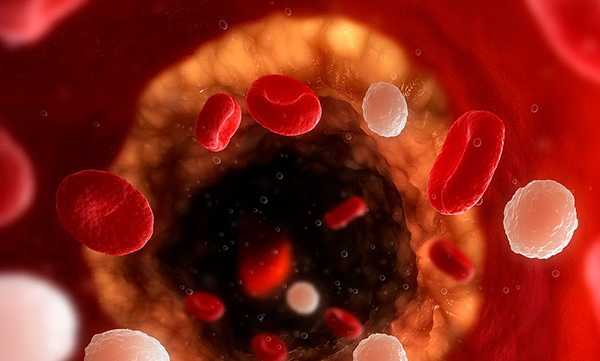
UT Southwestern specialists treat and prevent hemorrhagic stroke (bleeding in the brain) with advanced endovascular therapies and surgical treatments.
Huntington’s Disease | Peter O'Donnell Jr. Brain Institute | Condition | UT Southwestern Medical Center
https://utswmed.org/conditions-treatments/huntingtons-disease/

Experts at UT Southwestern collaborate to provide people with Huntington’s disease the latest in care advances, from clinical trials to genetic counseling.
Restrictive Cardiomyopathy | Comprehensive Heart and Vascular Center | Condition | UT Southwestern Medical Center
https://utswmed.org/conditions-treatments/restrictive-cardiomyopathy/

UT Southwestern’s experienced heart specialists diagnose and treat restrictive cardiomyopathy, a heart muscle condition that can mimic heart failure.
Syncope | Comprehensive Heart and Vascular Center | Condition | UT Southwestern Medical Center
https://utswmed.org/conditions-treatments/syncope/
UT Southwestern cardiologists offer a range of diagnosis and treatment options for syncope (fainting), which can be a symptom of a more serious heart condition.
Tetralogy of Fallot | Comprehensive Heart and Vascular Center | Condition | UT Southwestern Medical Center
https://utswmed.org/conditions-treatments/tetralogy-of-fallot/
UT Southwestern’s skilled cardiothoracic surgeons have extensive expertise in the latest procedures to correct tetralogy of Fallot, a congenital heart defect.
Tetralogy of Fallot Repair | Conditions & Treatments | UT Southwestern Medical Center
https://utswmed.org/conditions-treatments/tetralogy-of-fallot-repair/
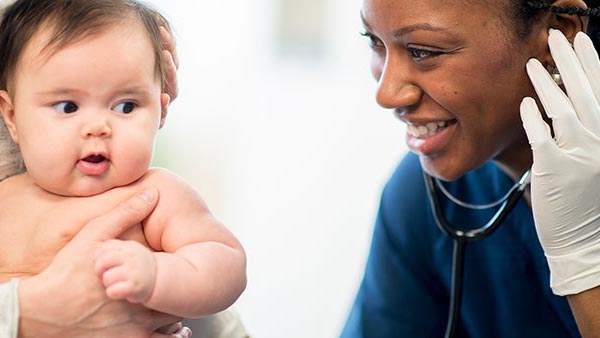
UT Southwestern’s expert cardiothoracic surgeons perform open-heart surgery to repair tetralogy of Fallot, a congenital heart defect, to restore heart function.
The Ross Procedure | Conditions & Treatments | UT Southwestern Medical Center
https://utswmed.org/conditions-treatments/the-ross-procedure/
UT Southwestern's cardiothoracic surgeons perform the Ross procedure as an alternative to traditional aortic valve replacement.