
Search
Alumni News: Byron Cryer Begins Tenure as AGA Institute President, Internal Medicine, UT Southwestern, Dallas TX
https://www.utsouthwestern.edu/departments/internal-medicine/who-we-are/news-portal/alumni-news/alumni-cryer.html
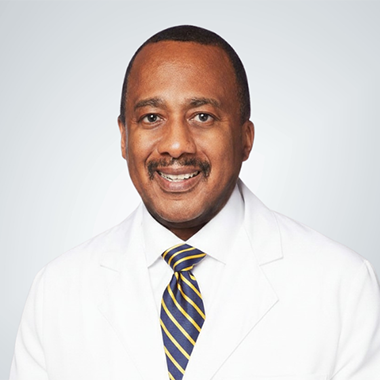
Byron Cryer, Former Faculty and GI Fellow Begins Tenure as AGA Institute President
Clinical Nutrition Tuition & Fees - UT Southwestern, Dallas, TX
https://www.utsouthwestern.edu/education/students/accounting/tuition-and-fees/school-of-health-professions/clinical-nutrition.html
Tuition and Fees - Clinical Nutrition - School of Health Professions
For Patients: Once Upon a Time Human Genomics Center - UT Southwestern, Dallas, Texas
https://www.utsouthwestern.edu/departments/pathology/services/once-upon-a-time/services-sm/for-patients-narrative.html
UT Southwestern’s Once Upon a Time Human Genomics Center offers Comprehensive Pan-Cancer Next Generation Sequencing, research testing, and genomics analysis support.
Ordering a Test: Once Upon a Time Human Genomics Center - UT Southwestern, Dallas, Texas
https://www.utsouthwestern.edu/departments/pathology/services/once-upon-a-time/services-sm/for-ordering-narrative.html
UT Southwestern’s Once Upon a Time Human Genomics Center offers Comprehensive Pan-Cancer Next Generation Sequencing, research testing, and genomics analysis support.
Master of Health Informatics Tuition & Fees - UT Southwestern, Dallas, TX
https://www.utsouthwestern.edu/education/students/accounting/tuition-and-fees/school-of-public-health/master-health-informatics.html
Tuition and Fees - Master of Health Informatics - School of Public Health
Master of Health Informatics Tuition & Fees - UT Southwestern, Dallas, Texas
https://www.utsouthwestern.edu/education/students/accounting/tuition-and-fees/school-of-health-professions/master-health-informatics.html
Tuition and Fees - Master of Health Informatics - School of Health Professions
Physical Therapy Program Tuition & Fees - UT Southwestern, Dallas, TX
https://www.utsouthwestern.edu/education/students/accounting/tuition-and-fees/school-of-health-professions/physical-therapy.html
Tuition and Fees - Physical Therapy Program - School of Health Professions
Conversation Partners: Office of International Affairs - UT Southwestern, Dallas, Texas
https://www.utsouthwestern.edu/about-us/administrative-offices/international-affairs/cultural-community-information/english-language-resources/conversation-partners.html
This program matches international visitors at UT Southwestern with native-English speakers for conversation and cultural exchange.
Live Courses - Learning Opportunities: Research - Provost
https://www.utsouthwestern.edu/education/provost/research/training-development/learning-opportunities/live-courses.html
Build knowledge on your schedule with live, in-person courses designed to strengthen core research skills and support independent learning. Includes: Successfully Earning a K (SEAK), Pre-SOAR, SOAR.
Past Forums: New Faculty Research Forum: Faculty Development - UT Southwestern, Dallas, TX
https://www.utsouthwestern.edu/education/provost/faculty-affairs-career-development/faculty-development/researchers/new-faculty-research-forum/past-forums.html
Recently appointed Assistant Professors present 10-minute lectures about their research at the annual New Faculty Research Forum.