
Search
Rachel Bonnema: Associate Vice Chair for Faculty Development Appointed: Internal Medicine, UT Southwestern, Dallas TX
https://www.utsouthwestern.edu/departments/internal-medicine/who-we-are/news-portal/announcements/announcement-bonnema.html
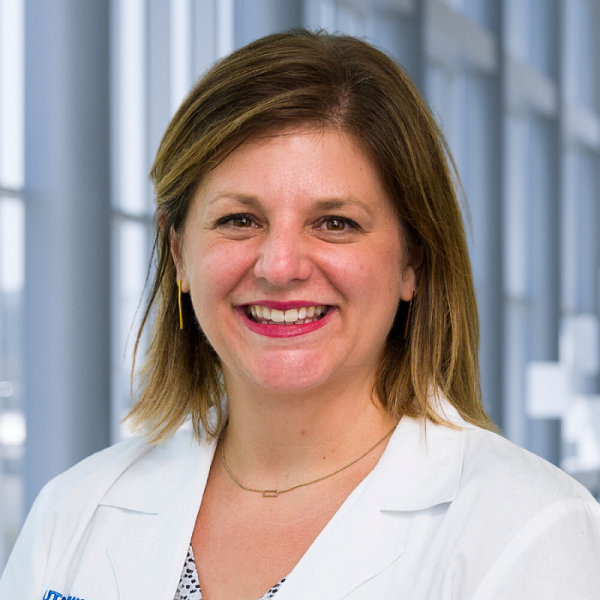
Rachel Bonnema Appointed Associate Vice Chair for Faculty Development Published on: June 10, 2025 Dr. Rachel Bonnema , a Professor in the William T. and Gay F. Solomon Division of General Internal Medicine, has been named Associate Vice Chair for Faculty Development, a leadership role that was previo…
Alumni News: Yancy Receives Distinguished Alumni Award: Internal Medicine, UT Southwestern, Dallas TX
https://www.utsouthwestern.edu/departments/internal-medicine/who-we-are/news-portal/alumni-news/alumni-yancy.html
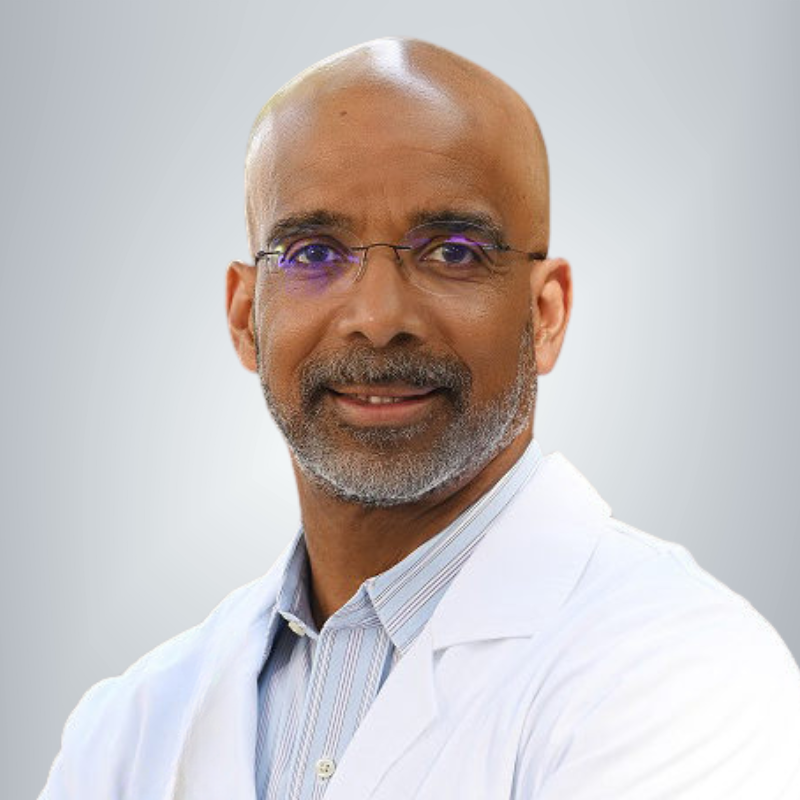
Clyde Yancy, M.D., receives Distinguished Alumni Award
Alumni News: Brian Weis, M.D., Ph.D., Internal Medicine, UT Southwestern, Dallas TX
https://www.utsouthwestern.edu/departments/internal-medicine/who-we-are/news-portal/alumni-news/alumni-weis.html
Story teaser placeholder.
Craig Rubin: Division Chief to Retire After 40 Years: Internal Medicine, UT Southwestern, Dallas TX
https://www.utsouthwestern.edu/departments/internal-medicine/who-we-are/news-portal/announcements/announcement-rubin.html
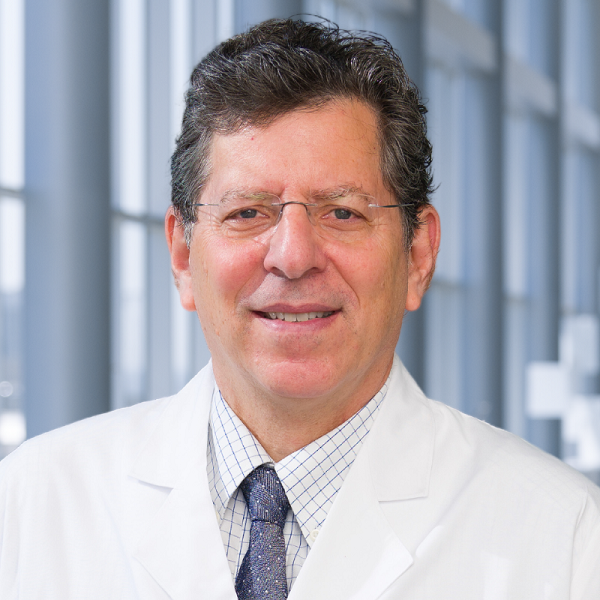
Craig Rubin to Retire After 40 Years Published on: June 17, 2025 Dr. Craig Rubin , a Professor of Internal Medicine and Chief of the Division of Geriatric Medicine, has announced his intention to retire at the end of the year. Dr. Rubin has been a cornerstone of the institution since joining the facu…
Gas Leak: Emergency Management - UT Southwestern, Dallas, TX
https://www.utsouthwestern.edu/about-us/administrative-offices/safety/emergency/hazardous-materials/gas-leak.html
A gas leak refers to a leak of natural gas — either from a pipe or another contained area — into any area where gas should not be.
Girod, Parikh Elected Members of ACCA: Internal Medicine, UT Southwestern, Dallas TX
https://www.utsouthwestern.edu/departments/internal-medicine/who-we-are/news-portal/announcements/announcement-girod-parikh.html
Carlos Girod and Samir Parikh Elected Members of ACCA Published on: November 05, 2024 Dr. Carlos Girod, a Professor in the Division of Pulmonary and Critical Care Medicine, and Dr. Samir M. Parikh, a Professor and Division Chief of Nephrology, have been elected members of the American Clinical and Cl…
Current Fellows: Vascular Surgery - UT Southwestern, Dallas, Texas
https://www.utsouthwestern.edu/departments/surgery/divisions-sections/vascular-surgery/fellowship/current-fellows.html
Meet the fellows of the Division of Vascular Surgery at UT Southwestern.
CMRU Recognized by Area Nonprofit: Medicine Matters, Internal Medicine, UT Southwestern, Dallas TX
https://www.utsouthwestern.edu/departments/internal-medicine/who-we-are/news-portal/medicine-matters/240326-mm-cmru.html
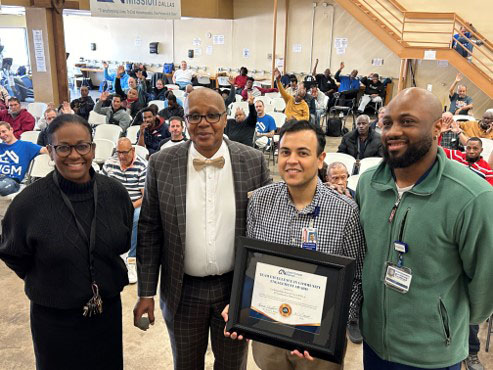
CMRU Recognized by Area Nonprofit for Team Excellence Published on: March 26, 2024 Cardiometabolic Research Unit Provides Health Screenings to Vulnerable Population From left, UGM Volunteer Coordinator Tonya Johnson, UGM CEO Bruce J. Butler, Neil Keshvani, M.D., and Daniel Ayodel, M.B.S. The Cardiome…
Current Residents: Vascular Surgery - UT Southwestern, Dallas, Texas
https://www.utsouthwestern.edu/departments/surgery/divisions-sections/vascular-surgery/vascular-residency/current-residents.html
Meet the residents of the Division of Vascular Surgery at UT Southwestern.
Current Residents: Oral and Maxillofacial Surgery - UT Southwestern, Dallas, Texas
https://www.utsouthwestern.edu/departments/surgery/divisions-sections/oral-maxillofacial-surgery/residency-program/current-residents.html
Learn about the currents residents in the Division of Oral and Maxillofacial Surgery in the Department of Surgery at UT Southwestern.