
Search
Stopping the cycle of recurrent urinary tract infections in women: Newsroom - UT Southwestern, Dallas, Texas
https://www.utsouthwestern.edu/newsroom/articles/year-2023/oct-recurrent-urinary-tract-infections-in-women.html

A study by UT Southwestern Medical Center researchers is the first to demonstrate the long-term efficacy of electrofulguration, a minimally invasive outpatient procedure that treats chronic urinary tract infections (UTIs) among postmenopausal women.
Traditional Chinese medicine reduces risk after heart attack: Newsroom - UT Southwestern, Dallas, Texas
https://www.utsouthwestern.edu/newsroom/articles/year-2023/oct-traditional-chinese-medicine-heart-attack.html
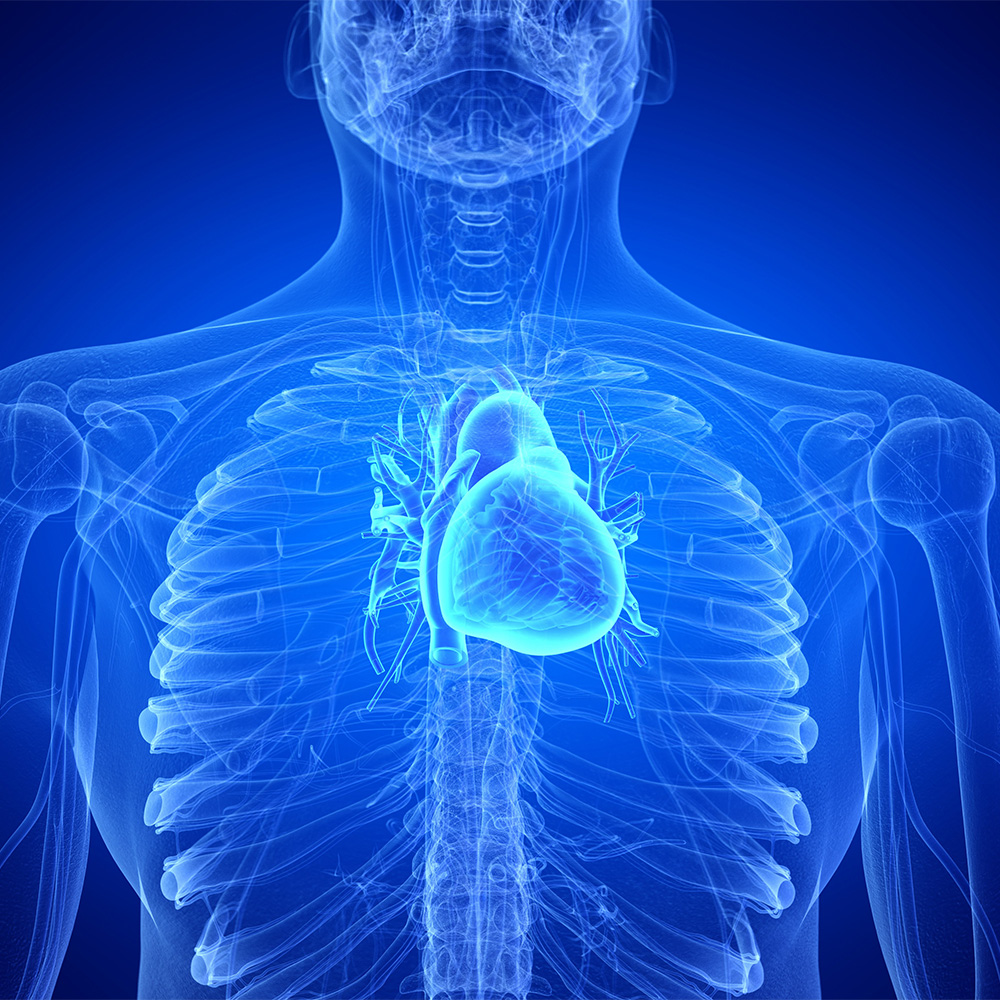
A traditional Chinese medicine whose name means “to open the network of the heart” reduced the risk of heart attacks, deaths, and other major cardiovascular complications for at least a year after a first heart attack, a study led by UT Southwestern Medical Center researchers shows.
Readmissions more likely for wheelchair users after shoulder replacement: Newsroom - UT Southwestern, Dallas, Texas
https://www.utsouthwestern.edu/newsroom/articles/year-2023/oct-wheelchair-users-after-shoulder-replacement.html

Wheelchair users are nearly three times more likely to experience hospital readmission following total shoulder arthroplasty (TSA), according to UT Southwestern Medical Center researchers.
Accelerated brain aging predicts less antidepressant efficacy: Newsroom - UT Southwestern, Dallas, Texas
https://www.utsouthwestern.edu/newsroom/articles/year-2023/aug-accelerated-brain-aging-antidepressant-efficacy.html
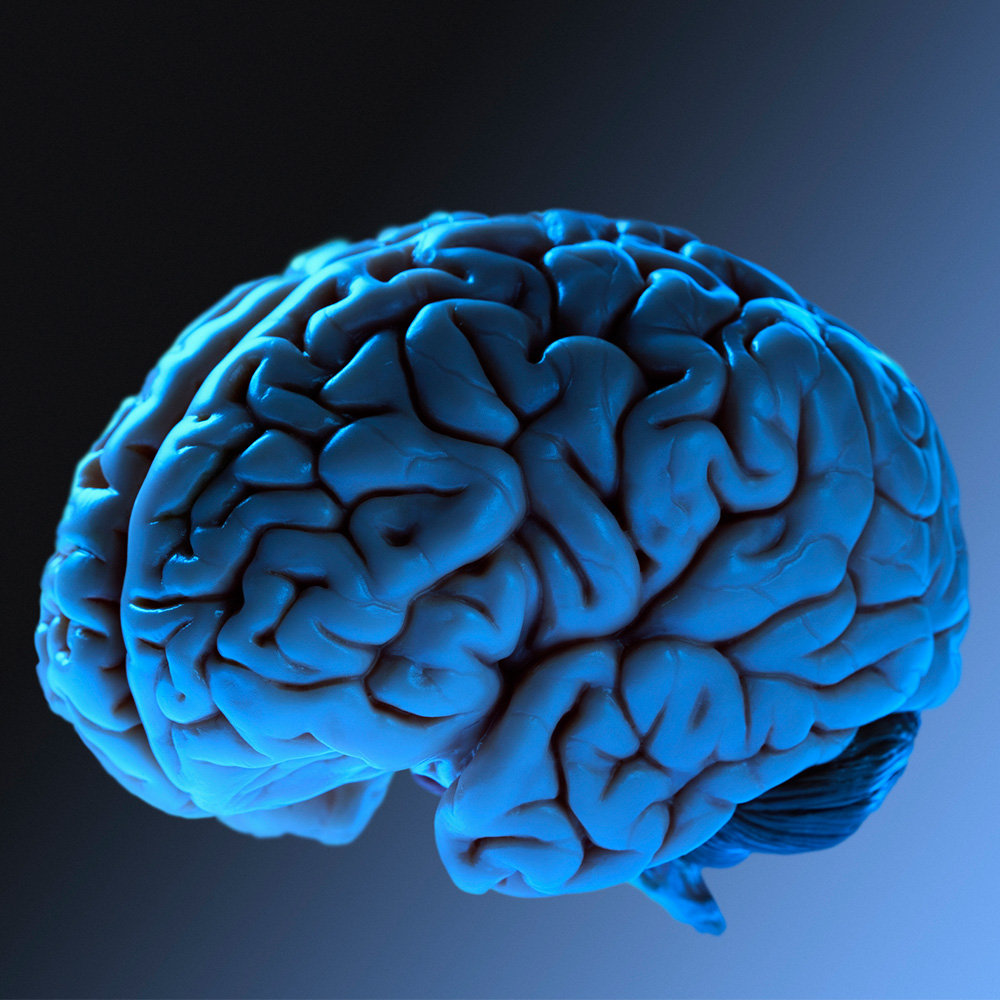
Patients whose brains appear older on scans than their chronological age showed less improvement on sertraline, a first-line drug treatment for major depressive disorder (MDD), researchers from UT Southwestern Medical Center reported.
Emergency room visits by cancer patients can often be avoided: Newsroom - UT Southwestern, Dallas, Texas
https://www.utsouthwestern.edu/newsroom/articles/year-2023/oct-er-visits-cancer-patients.html
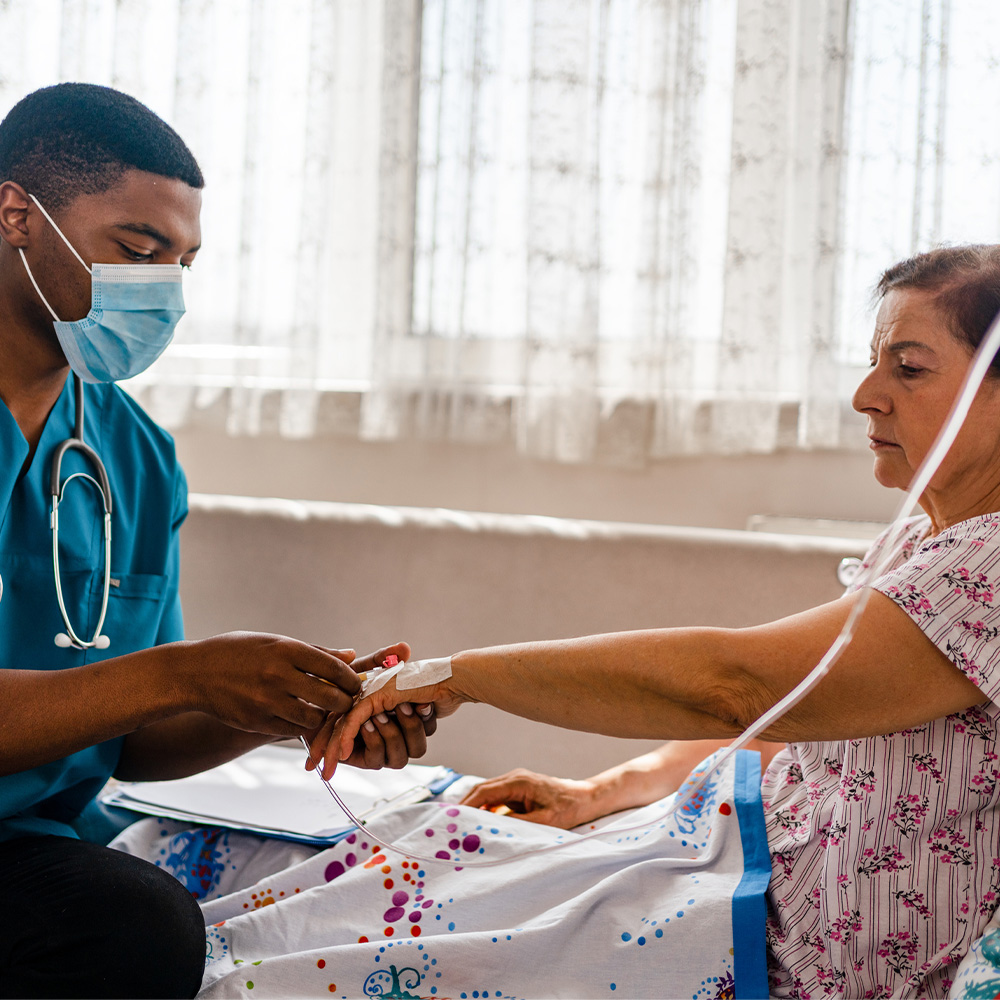
– Recently diagnosed cancer patients often decide on their own to visit hospital emergency departments (EDs) for symptoms that don’t warrant that type of care, UT Southwestern Medical Center researchers report.
Microprotein plays vital role in fat accumulation: Newsroom - UT Southwestern, Dallas, Texas
https://www.utsouthwestern.edu/newsroom/articles/year-2025/nov-microprotein-fat-accumulation.html
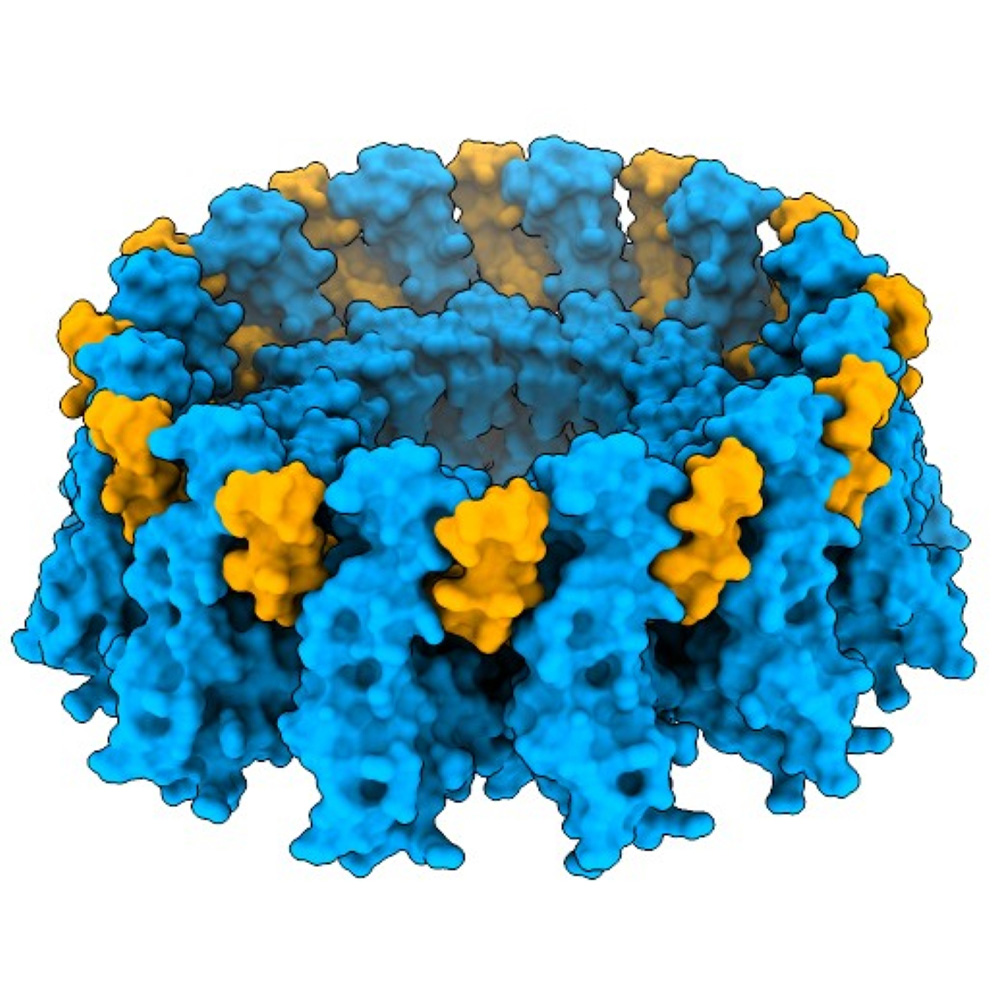
A microprotein called adipogenin appears to play a key role in helping fat cells store lipid droplets – a phenomenon that’s pivotal for metabolic health, a study co-led by UT Southwestern Medical Center researchers shows.
UTSW study identifies factors affecting survival of patients with metastatic breast cancer : Newsroom - UT Southwestern, Dallas, Texas
https://www.utsouthwestern.edu/newsroom/articles/year-2025/oct-metastatic-breast-cancer.html
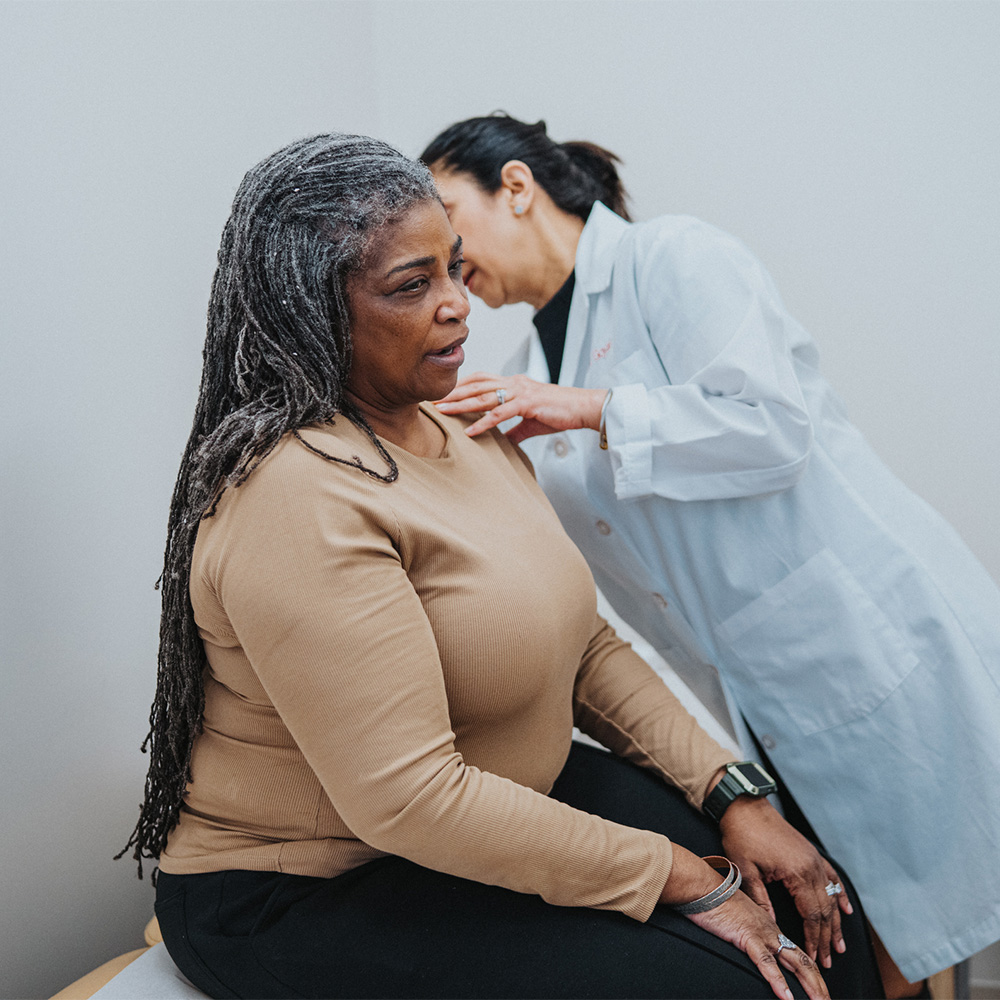
Researchers have identified factors associated with survival for patients initially diagnosed with metastatic breast cancer who were seen at UT Southwestern Medical Center and its affiliated sites.
UTSW discovery opens door to novel strategies for hard-to-treat cancers : Newsroom - UT Southwestern, Dallas, Texas
https://www.utsouthwestern.edu/newsroom/articles/year-2025/oct-hard-to-treat-cancers.html
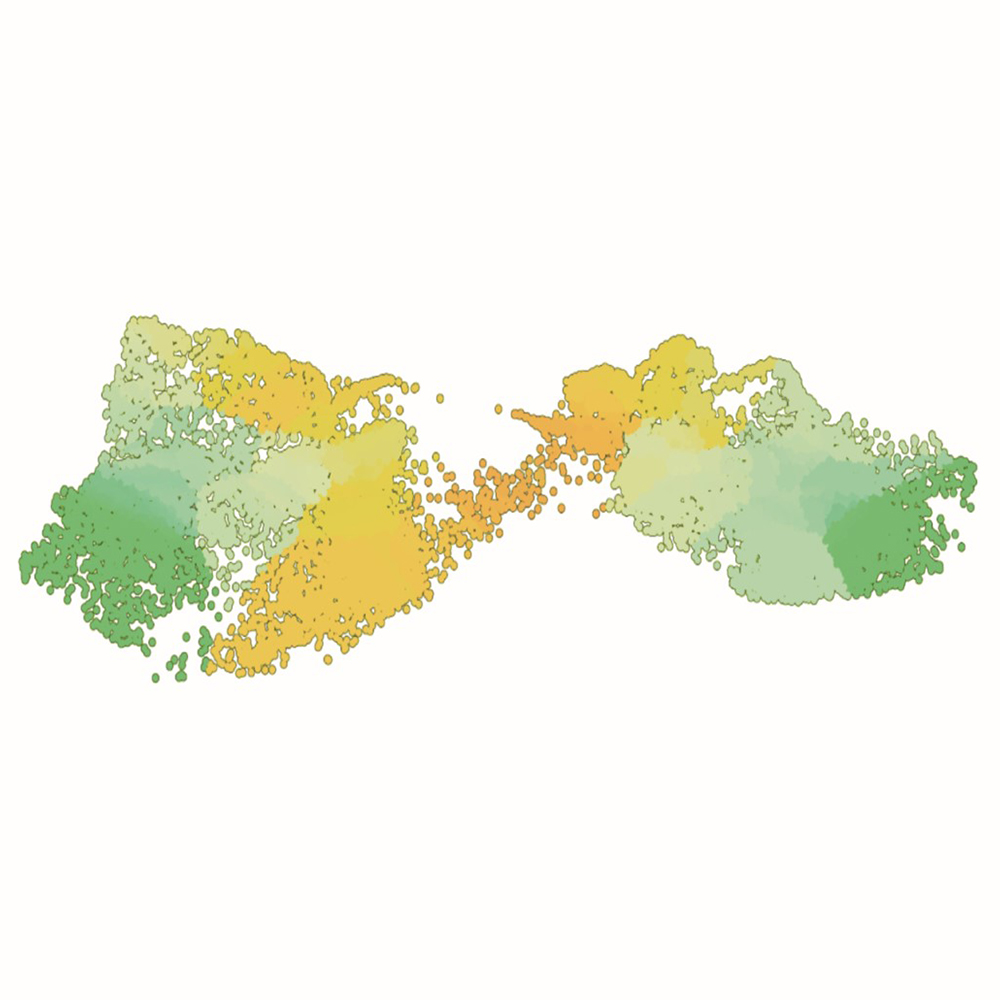
UT Southwestern Medical Center researchers have identified two distinct populations of cells known as antigen-presenting cancer-associated fibroblasts (apCAFs) that appear to support the survival and growth of malignant tumors. Their findings, reported in Cancer Cell, could one day lead to new therapies for notoriously hard-to-treat cancers, including pancreatic cancer and advanced colorectal cancer (CRC) that has spread throughout the abdomen, known as peritoneal metastasis.
Neurons in brain’s timekeeper might control nighttime hunger: Newsroom - UT Southwestern, Dallas, Texas
https://www.utsouthwestern.edu/newsroom/articles/year-2025/oct-neurons-brain-timekeeper.html
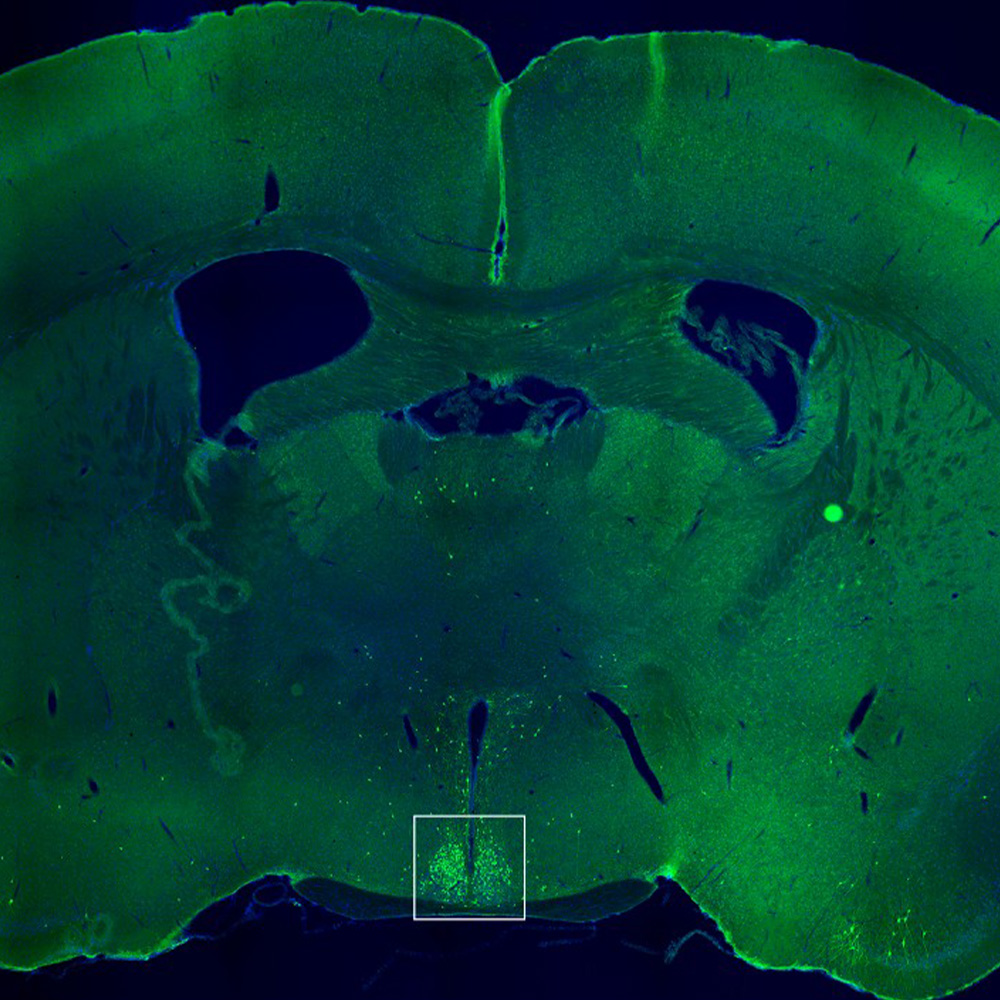
Activating specific neurons in a part of the brain that serves as the body’s master circadian pacemaker caused mice to eat significantly more during a time of day when they would normally be at rest, a UT Southwestern Medical Center study shows.
Two UT Southwestern scientists named Clarivate Citation Laureates : Newsroom - UT Southwestern, Dallas, Texas
https://www.utsouthwestern.edu/newsroom/articles/year-2025/sept-clarivate-citation-laureates.html
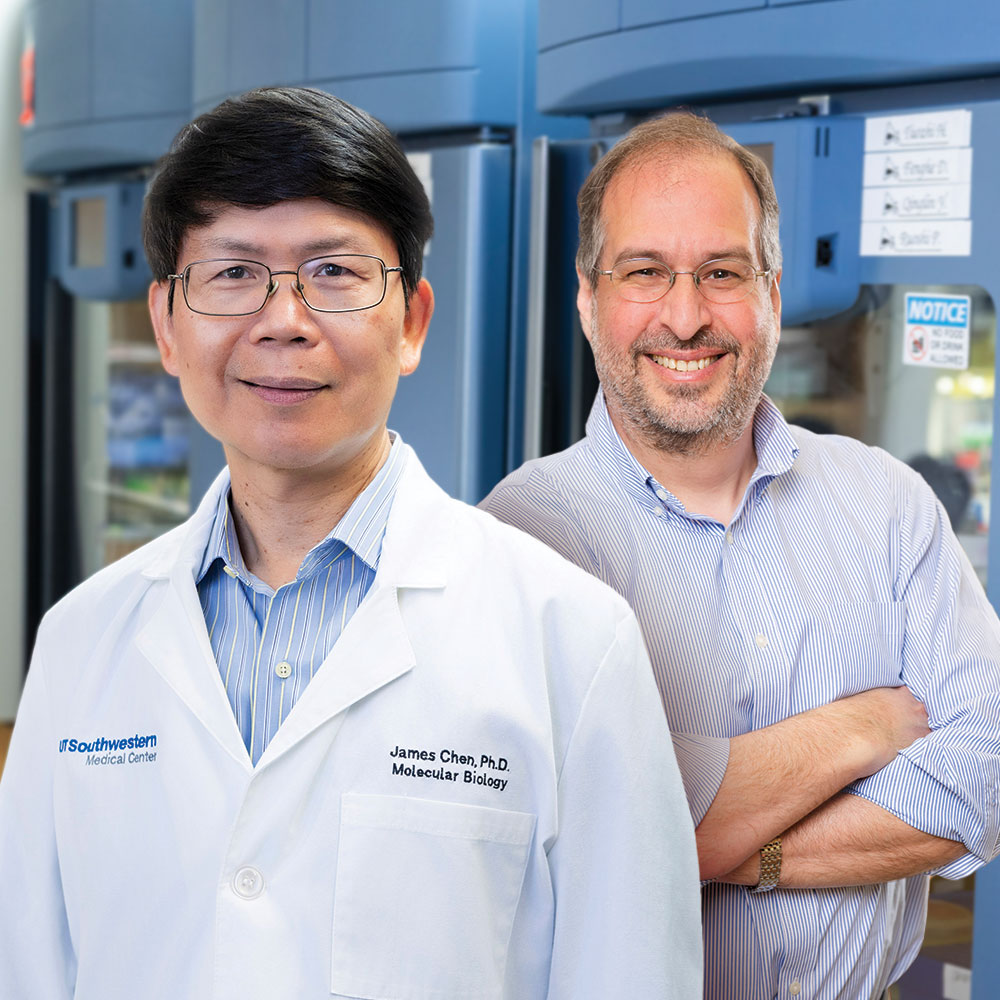
Two UT Southwestern Medical Center scientists – Zhijian “James” Chen, Ph.D., Professor of Molecular Biology and Director of the Center for Inflammation Research, and Michael Rosen, Ph.D., Chair and Professor of Biophysics – have been selected as 2025 Citation Laureates in recognition of work deemed by Clarivate to be of the highest impact.