
Search
In Memoriam: Aslan Turer: Medicine Matters, Internal Medicine, UT Southwestern, Dallas TX
https://www.utsouthwestern.edu/departments/internal-medicine/who-we-are/news-portal/medicine-matters/240521-mm-turer.html
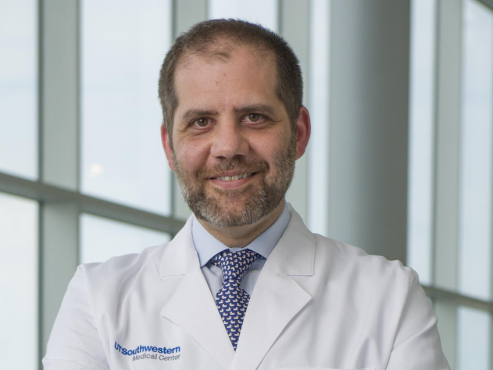
In Memoriam: Aslan Turer Published on: May 21, 2024 Aslan Turer, M.D., M.H.S., M.B.A. Aslan Turer, M.D., M.H.S., M.B.A. , Professor in the Division of Cardiology, died at his home after a lengthy illness, surrounded by his family, on Friday, May 17. He was 49. Dr. Turer’s work ethic was surpassed onl…
Burstein and Colleagues Advance Understanding of Complex Molecular Process: Medicine Matters, Internal Medicine, UT Southwestern, Dallas TX
https://www.utsouthwestern.edu/departments/internal-medicine/who-we-are/news-portal/medicine-matters/231222-mm-bursetin.html
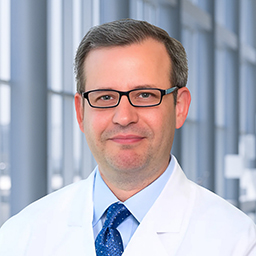
Burstein and Colleagues Advance Understanding of Complex Molecular Process Published on: December 22, 2023 Ezra Burstein, M.D., Ph.D., a Professor and Chief of Digestive and Liver Diseases, and colleagues recently published the results of an investigation into the molecular organization of essential …
Behind the White Coat: Thrive Newsletter - Faculty Wellness - UT Southwestern, Dallas, Texas
https://www.utsouthwestern.edu/education/provost/faculty-affairs-career-development/faculty-wellness/news/thrive/behind-the-white-coat.html
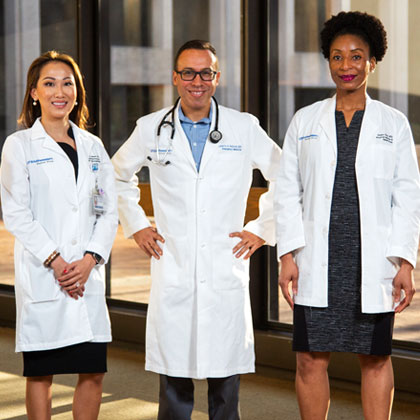
I often ask my clients “who are you” and “who do you want to be…” I ask this question with the understanding that life can shift who we are and how we show up to the world and how we show up to our responsibilities and not to mention how we show up to the expectations others have placed on us.
No One Should Suffer in Silence: Thrive Newsletter - Faculty Wellness - UT Southwestern, Dallas, Texas
https://www.utsouthwestern.edu/education/provost/faculty-affairs-career-development/faculty-wellness/news/thrive/suffer-in-silence.html

Don't suffer in silence. UT Southwestern's CALM Peer Support Program emerges as a crucial lifeline, offering a supportive resource for those seeking understanding and connection. We have found there are many advantages of engaging in peer support and exploring healthy ways to overcome adversity.
How to Embrace Diversity and Inclusion on a Personal Level: Thrive Newsletter - Faculty Wellness - UT Southwestern, Dallas, Texas
https://www.utsouthwestern.edu/education/provost/faculty-affairs-career-development/faculty-wellness/news/thrive/embrace-diversity.html

Thrive faculty wellness article for July 2023 Humans naturally gravitate towards those who are similar to them, but in today's diverse world, we should embrace our differences to create connection and inclusion. We can do this by listening with open curiosity, being aware of our own biases, and embracing differences as a way of deepening shared understanding. When we embrace diversity and inclusion, we open ourselves up to new experiences and possibilities, and we make the world a more welcoming place for everyone.
Canadian Registration
https://www.utsouthwestern.edu/about-us/administrative-offices/international-affairs/postdocs-clinical-trainees-employees/tn/canadian-registration.html
Information regarding executive order on Canadian Registration, to be effective April 11, 2025
The Utopia of Rules: On Technology, Stupidity, and the Secret Joys of Bureaucracy - Medicine Matters - Internal Medicine, UT Southwestern, Dallas, TX
https://www.utsouthwestern.edu/departments/internal-medicine/who-we-are/news-portal/medicine-matters/240112-recommended-reading.html

A brief synopsis by Salahuddin “Dino” Kazi, M.D.
In Memoriam: John Fordtran: Medicine Matters, Internal Medicine, UT Southwestern, Dallas TX
https://www.utsouthwestern.edu/departments/internal-medicine/who-we-are/news-portal/medicine-matters/250224-mm-fordtran.html
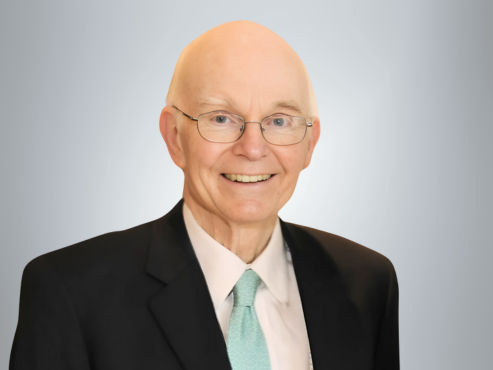
In Memoriam: John Fordtran Published on: February 24, 2025 John Fordtran, M.D. John Fordtran, M.D. , a former Professor and Chief of Gastroenterology who trained and mentored generations of physicians at UT Southwestern and at Baylor University Medical Center, died at his home north of Dallas on Feb.…
Hidden Potential: The Science of Achieving Greater Things: Medicine Matters, Internal Medicine, UT Southwestern, Dallas, TX
https://www.utsouthwestern.edu/departments/internal-medicine/who-we-are/news-portal/medicine-matters/231215-recommended-reading.html
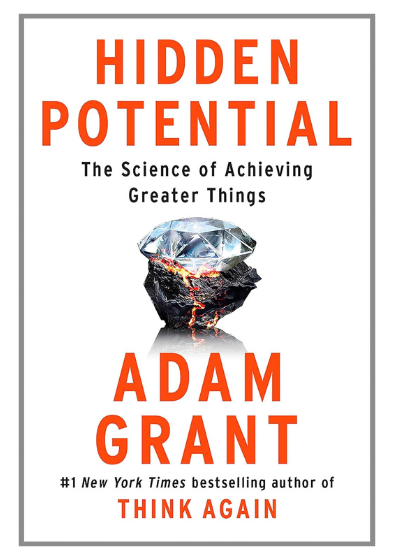
Hidden Potential: The Science of Achieving Greater Things Published on: December 15, 2023 Recommended Reading | Adam Grant Adam Grant writes about organizational psychology and seeks and interprets natural and laboratory evidence to unlock new ways of understanding the human condition. His books are …
Love begins with yourself: Thrive Newsletter - Faculty Wellness - UT Southwestern, Dallas, Texas
https://www.utsouthwestern.edu/education/provost/faculty-affairs-career-development/faculty-wellness/news/thrive/love-yourself.html

“Love makes the world go round, so the saying goes. Often, it’s associated with romance, passion, and grand gestures to the person who makes our heart go a-thumpin’. Little do we realize that for the world to truly go ‘round, love begins with oneself (or it should, anyway).” -- Tatiana Azman