
Search
UTSW team’s new AI method may lead to ‘automated scientists’: Newsroom - UT Southwestern, Dallas, Texas
https://www.utsouthwestern.edu/newsroom/articles/year-2024/feb-ai-method-automated-scientists.html
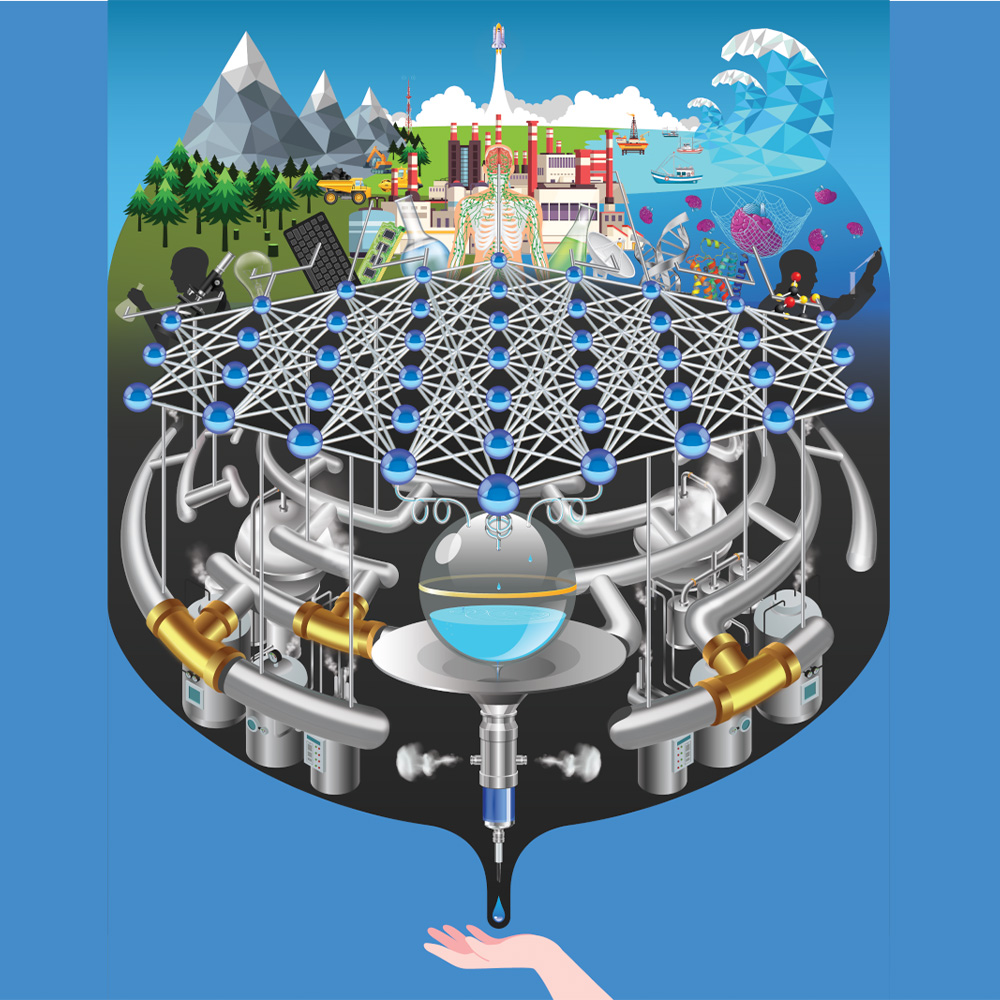
UT Southwestern Medical Center researchers have developed an artificial intelligence (AI) method that writes its own algorithms and may one day operate as an “automated scientist” to extract the meaning behind complex datasets.
ER patient portal usage increasing, study shows: Newsroom - UT Southwestern, Dallas, Texas
https://www.utsouthwestern.edu/newsroom/articles/year-2024/may-patient-portal-er-visits.html
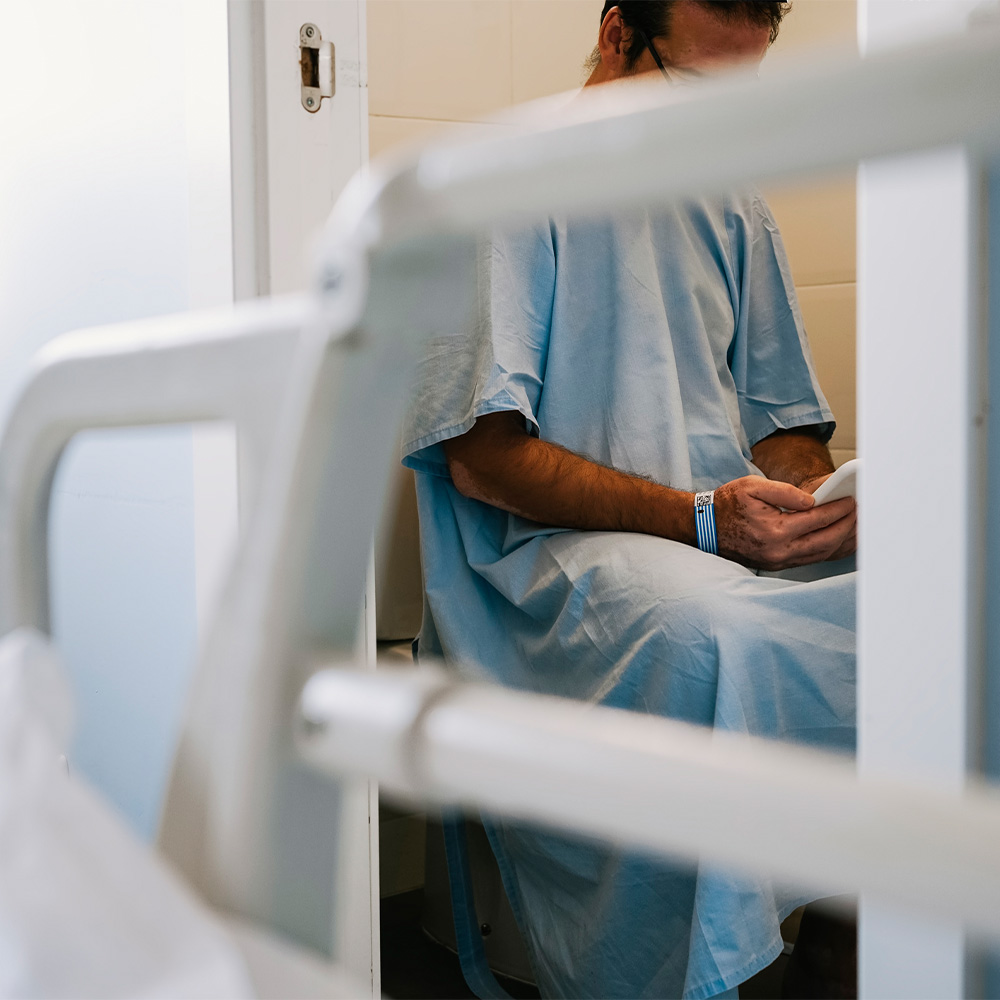
More people are using online patient portals to view their information while in the emergency room, but access is challenging for members of medically underserved communities and the elderly, UT Southwestern Medical Center researchers and national colleagues found in a new study.
UTSW’s Simmons Cancer Center awarded more than $11.5 million in CPRIT funding: Newsroom - UT Southwestern, Dallas, Texas
https://www.utsouthwestern.edu/newsroom/articles/year-2024/sept-scc-awarded-cprit-funding.html
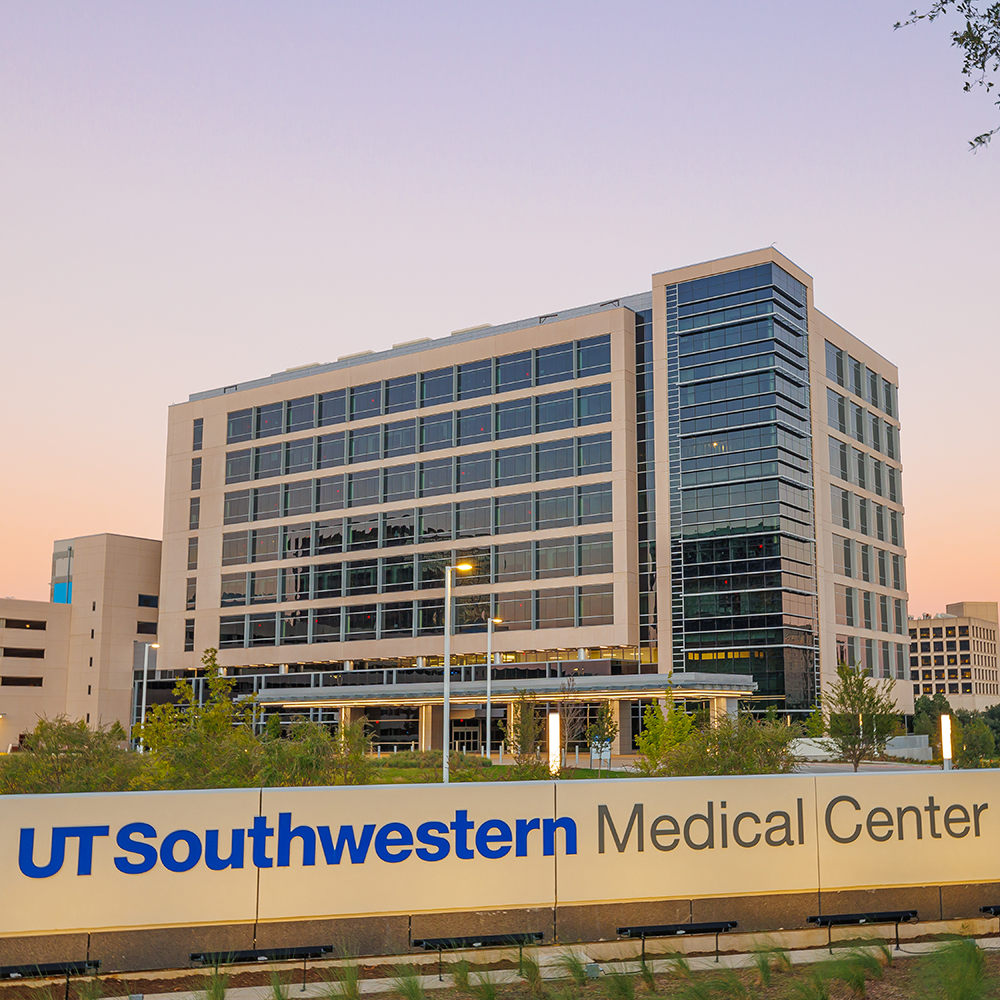
Eight scientists and physicians in the Harold C. Simmons Comprehensive Cancer Center at UT Southwestern have been awarded more than $11.5 million in grants from the Cancer Prevention and Research Institute of Texas (CPRIT) to support the state’s fight against cancer.
Office of Student and Alumni Affairs - UT Southwestern, Dallas, TX
https://www.utsouthwestern.edu/education/students/student-and-alumni-affairs/
The Office of Student and Alumni Affairs at UT Southwestern provides services for admissions, student records, financial aid, student life, and other support.
Computer model boosts detection of cell-to-cell communication: Newsroom - UT Southwestern, Dallas, Texas
https://www.utsouthwestern.edu/newsroom/articles/year-2024/sept-computer-model-cell-to-cell-communication.html
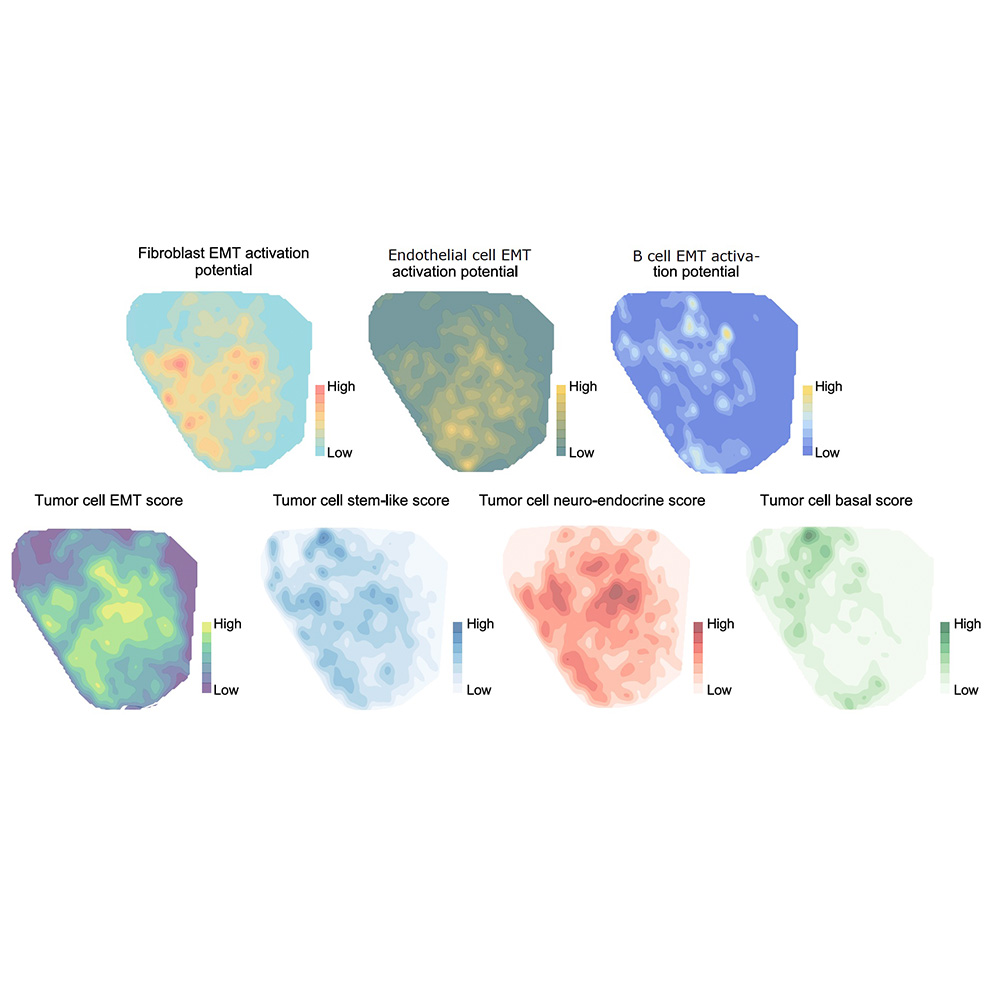
A computer model developed by UT Southwestern Medical Center researchers significantly enhances the ability of scientists to detect communication between cells according to a new study published in Nature Methods.
Natural grass may pose greater risk for football concussions: Newsroom - UT Southwestern, Dallas, Texas
https://www.utsouthwestern.edu/newsroom/articles/year-2024/aug-natural-grass-football-concussions.html

Young football players who sustained a head-to-ground concussion practicing or playing games on natural grass experienced more symptoms – and significantly higher severity – than those who suffered concussions on artificial turf, researchers at UT Southwestern Medical Center found.
Education level, social media skills linked to cancer fatalism: Newsroom - UT Southwestern, Dallas, Texas
https://www.utsouthwestern.edu/newsroom/articles/year-2024/july-education-social-media-cancer.html

More educated patients who are skilled at finding reliable information through social media don’t always see cancer as fatal while those with less schooling and social media awareness hold more fatalistic beliefs about the disease, researchers at UT Southwestern Medical Center found.
Targeting protein has potential to treat leukemia, lymphoma: Newsroom - UT Southwestern, Dallas, Texas
https://www.utsouthwestern.edu/newsroom/articles/year-2024/aug-targeting-protein-leukemia-lymphoma.html
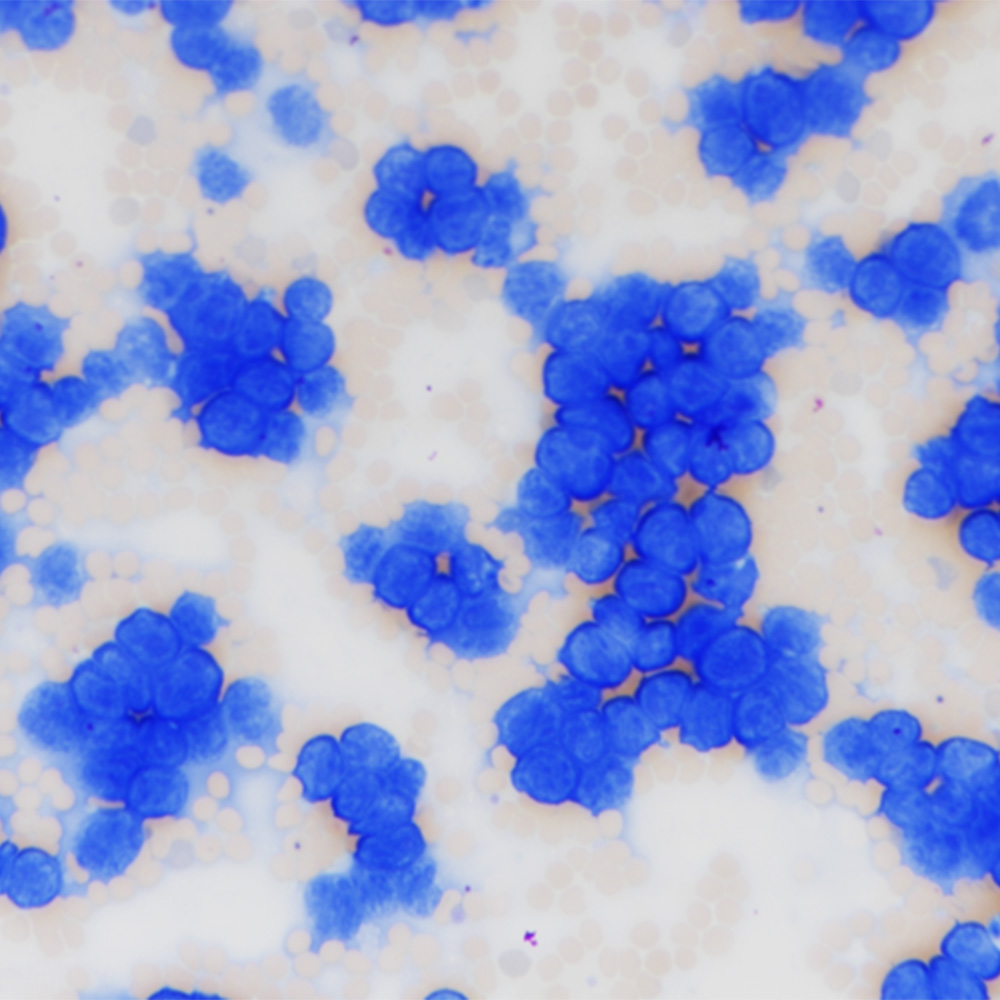
Targeting a protein called ZFP574 suppressed leukemia in a mouse model of the disease, UT Southwestern Medical Center researchers showed in a new study.
Study identifies 18 proteins linked to heart failure, frailty : Newsroom - UT Southwestern, Dallas, Texas
https://www.utsouthwestern.edu/newsroom/articles/year-2024/july-proteins-linked-to-heart-failure.html
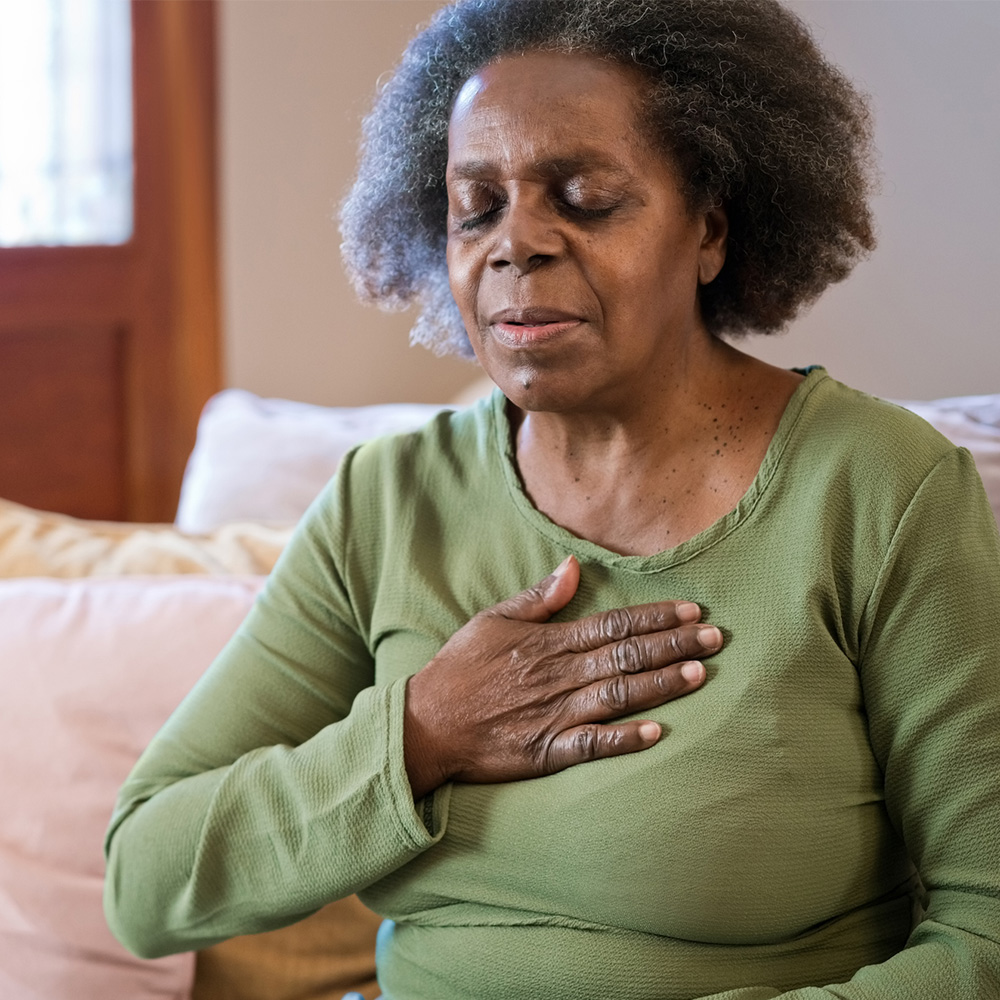
An analysis of blood samples from thousands of study participants, led by researchers at UT Southwestern Medical Center, revealed 18 proteins associated with both heart failure and frailty, conditions that commonly develop in late life.
Sensor involved in regulating metabolic health identified : Newsroom - UT Southwestern, Dallas, Texas
https://www.utsouthwestern.edu/newsroom/articles/year-2024/july-sensor-metabolic-health-identified.html
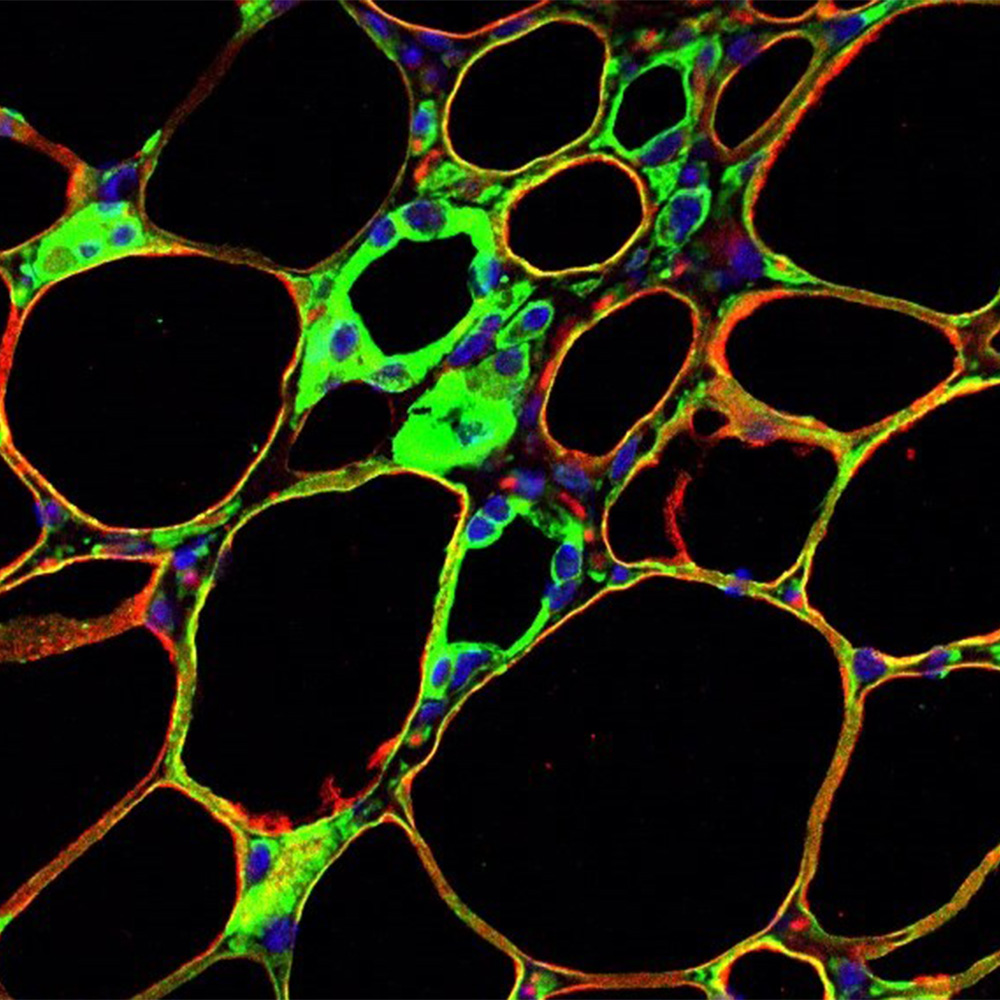
A protein receptor called PAQR4 found within fat cells appears to act as a sensor for ceramides, waxy lipids whose overabundance has been linked to a variety of metabolic disorders and cancers, a study led by UT Southwestern Medical Center researchers suggests.