
Search
Bioengineered approach shows promise in ulcerative colitis: Newsroom - UT Southwestern, Dallas, Texas
https://www.utsouthwestern.edu/newsroom/articles/year-2024/jan-bioengineered-approach-ulcerative-colitis.html

By taking advantage of mechanisms that allow cancer cells to evade immune attack, UT Southwestern Medical Center researchers have developed a new strategy that has potential for treating ulcerative colitis.
E-scooter injuries can come at a cost to the public: Newsroom - UT Southwestern, Dallas, Texas
https://www.utsouthwestern.edu/newsroom/articles/year-2024/jan-e-scooter-accident-injuries.html

Electric scooters carry a significant risk of orthopedic injuries and associated costs for medical care, which can create a financial burden for the public, according to a study by UT Southwestern Medical Center researchers.
UTSW study sheds light on rare form of autism: Newsroom - UT Southwestern, Dallas, Texas
https://www.utsouthwestern.edu/newsroom/articles/year-2024/may-light-on-rare-form-of-autism.html
A new study focused on the gene tied to a rare form of autism spectrum disorder (ASD) called FOXP1 syndrome offers hope that gene therapy might be able to help patients with this condition.
Robotic surgery is associated with improved outcomes for most colon cancer patients: Newsroom - UT Southwestern, Dallas, Texas
https://www.utsouthwestern.edu/newsroom/articles/year-2024/jan-robotic-surgery-colon-cancer-patients.html
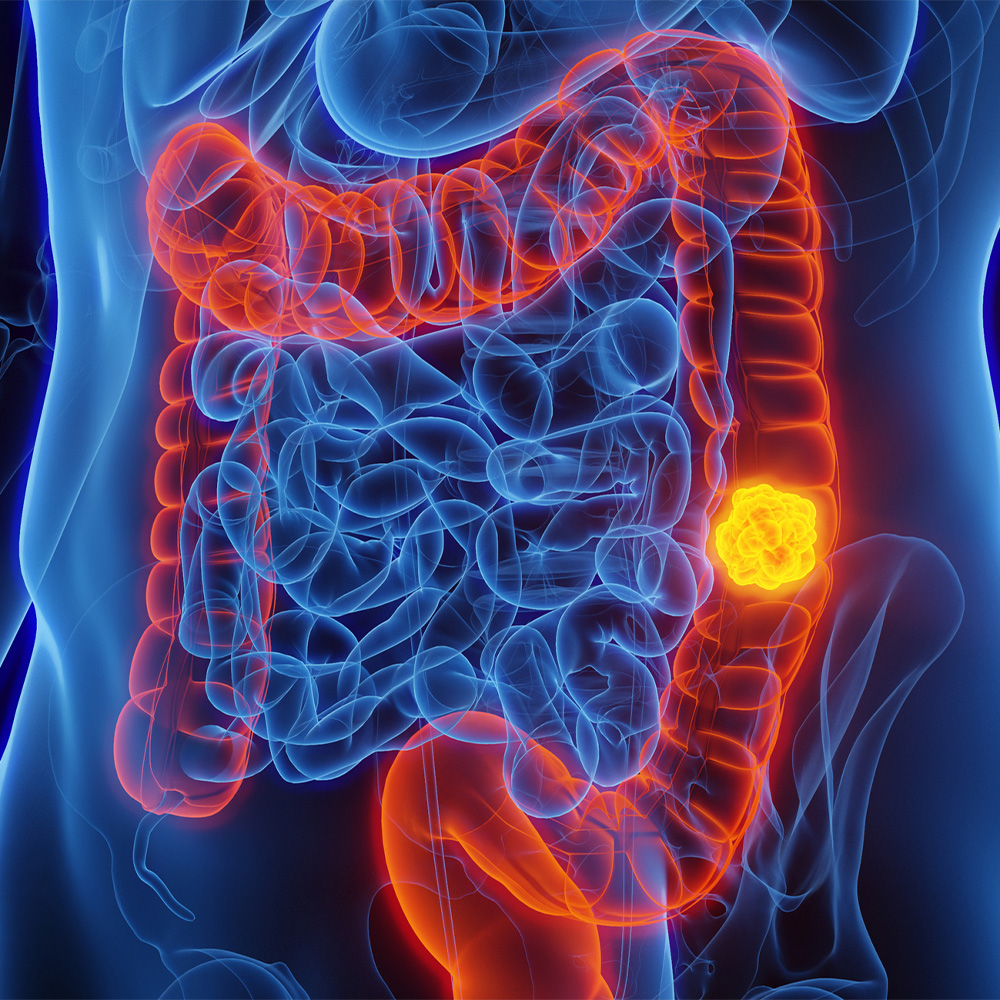
Robotic surgery offers significant benefits over laparoscopic procedures for many patients undergoing colectomies for colon cancer, according to a study by UT Southwestern Medical Center.
Machine learning sheds light on gene transcription : Newsroom - UT Southwestern, Dallas, Texas
https://www.utsouthwestern.edu/newsroom/articles/year-2024/may-machine-learning-gene-transcription.html

A team led by researchers at UT Southwestern Medical Center developed deep learning models to identify a simple set of rules that govern the activity of promoters – regions of DNA that initiate the process by which genes produce proteins.
Combined therapy makes headway for liver cancer: Newsroom - UT Southwestern, Dallas, Texas
https://www.utsouthwestern.edu/newsroom/articles/year-2024/may-combined-therapy-live-cancer.html
A drug that targets a protein known as phosphatidylserine boosted the response rate for hepatocellular carcinoma (HCC) patients receiving immunotherapy without compromising their safety, according to results of a phase two clinical trial conducted by UT Southwestern Medical Center.
Simulation reveals new mechanism for membrane fusion: Newsroom - UT Southwestern, Dallas, Texas
https://www.utsouthwestern.edu/newsroom/articles/year-2024/april-new-mechanism-for-membrane-fusion.html
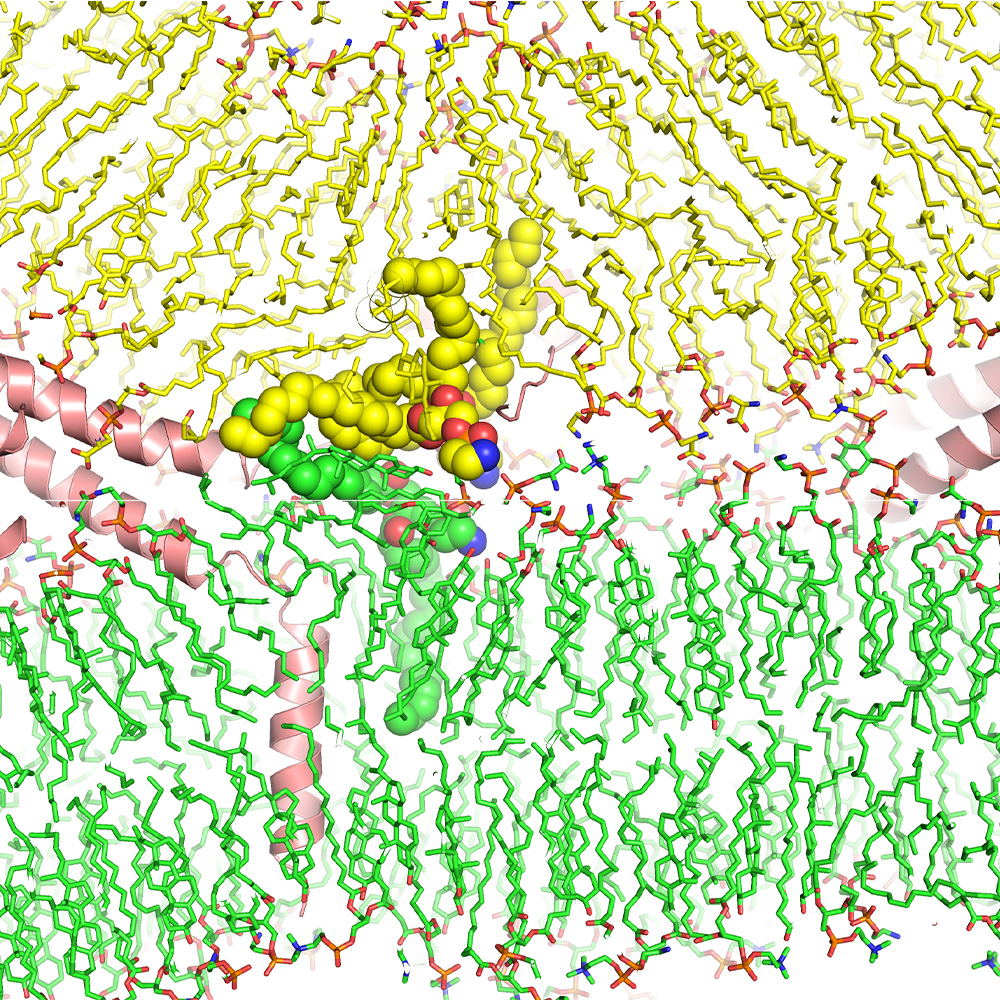
– An intricate simulation performed by UT Southwestern Medical Center researchers using one of the world’s most powerful supercomputers sheds new light on how proteins called SNAREs cause biological membranes to fuse.
Blocking gene may halt growth of breast cancer cells: Newsroom - UT Southwestern, Dallas, Texas
https://www.utsouthwestern.edu/newsroom/articles/year-2024/april-blocking-gene-breast-cancer-cells.html
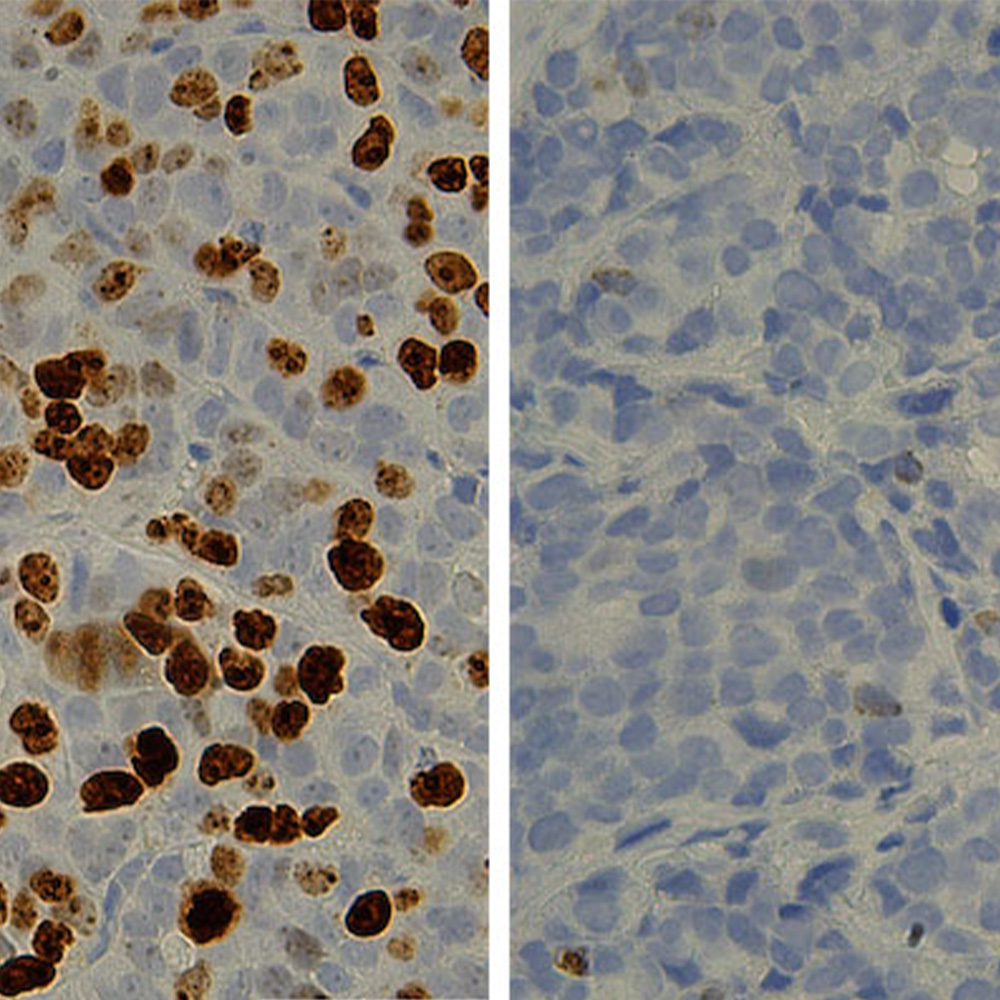
Shutting down a gene called PRMT5 stopped metastatic estrogen receptor-positive (ER+) breast cancer cells from growing after they acquired resistance to a standard therapy known as CDK4/6 inhibitors, UT Southwestern Medical Center researchers showed in a new study.
UTSW Research: Improved bladder cancer detection, tracking gamma waves, and more: Newsroom - UT Southwestern, Dallas, Texas
https://www.utsouthwestern.edu/newsroom/articles/year-2024/may-improved-bladder-cancer-detection.html
Studies analyze blue light cystoscopy, irregularities in brain activity, the origins of abnormal bone formations, and HIV transcription.
Essential tremor triples dementia risk, UTSW study shows: Newsroom - UT Southwestern, Dallas, Texas
https://www.utsouthwestern.edu/newsroom/articles/year-2024/april-tremor-triples-dementia-risk.html

Patients with a common movement disorder known as essential tremor (ET) developed dementia at three times the rate of similarly aged people in the general population, a study led by UT Southwestern Medical Center researchers shows.