
Search
Regenerating cells that keep the beat: Newsroom - UT Southwestern, Dallas, Texas
https://www.utsouthwestern.edu/newsroom/articles/year-2021/regenerating-cells-that-keep-the-beat.html
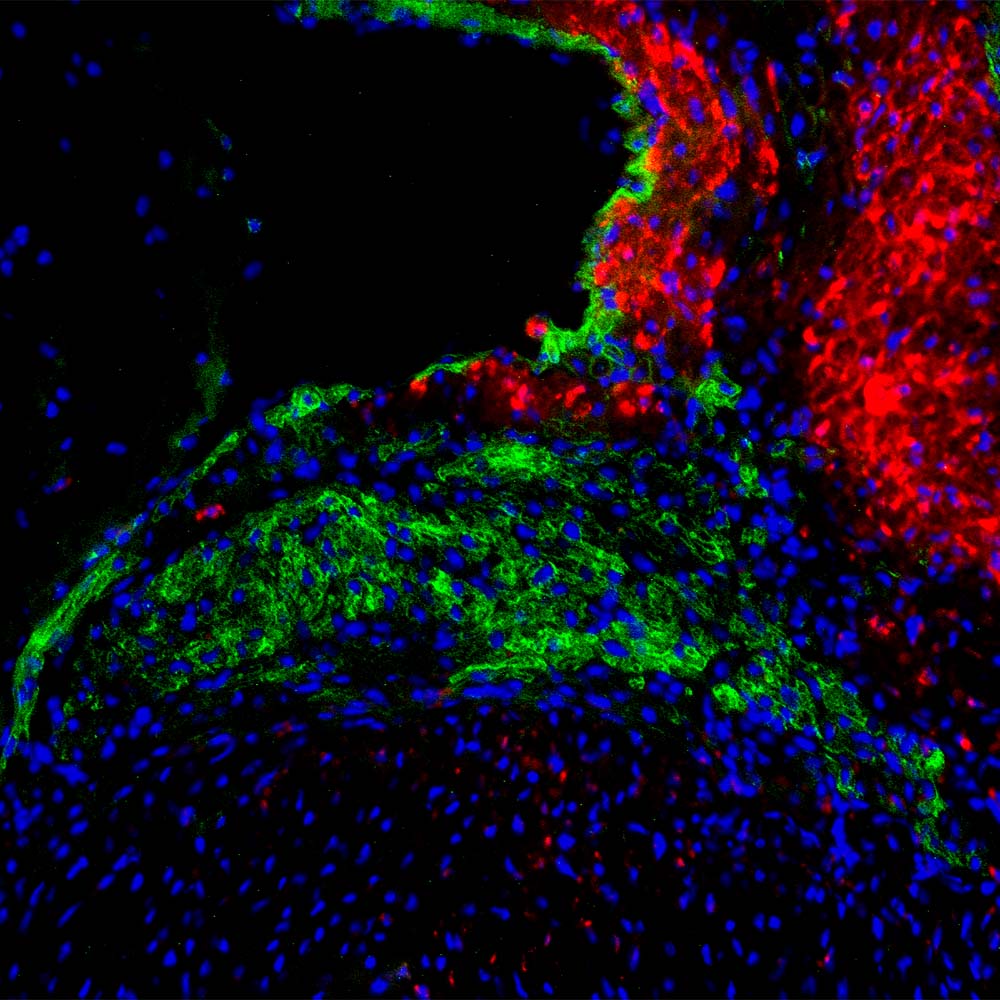
Specialized cells that conduct electricity to keep the heart beating have a previously unrecognized ability to regenerate in the days after birth, a new study in mice by UT Southwestern researchers suggests.
Mental health challenges contributed to weight gain for people with obesity during COVID-19: Newsroom - UT Southwestern, Dallas, Texas
https://www.utsouthwestern.edu/newsroom/articles/year-2022/august-mental-health-challenges.html

Over the first year of the COVID-19 pandemic, almost 30% of patients with obesity gained more than 5% of their body weight, and 1 in 7 gained more than 10%. While diet and exercise habits were factors, people with the highest levels of stress, anxiety, and depression reported the most weight gain.
UTSW researchers use DNA analysis to diagnose subtypes of heart disease – UT Southwestern Medical Center psychiatric hospital: Newsroom - UT Southwestern, Dallas, Texas
https://www.utsouthwestern.edu/newsroom/articles/year-2022/september-subtypes-of-heart-disease.html
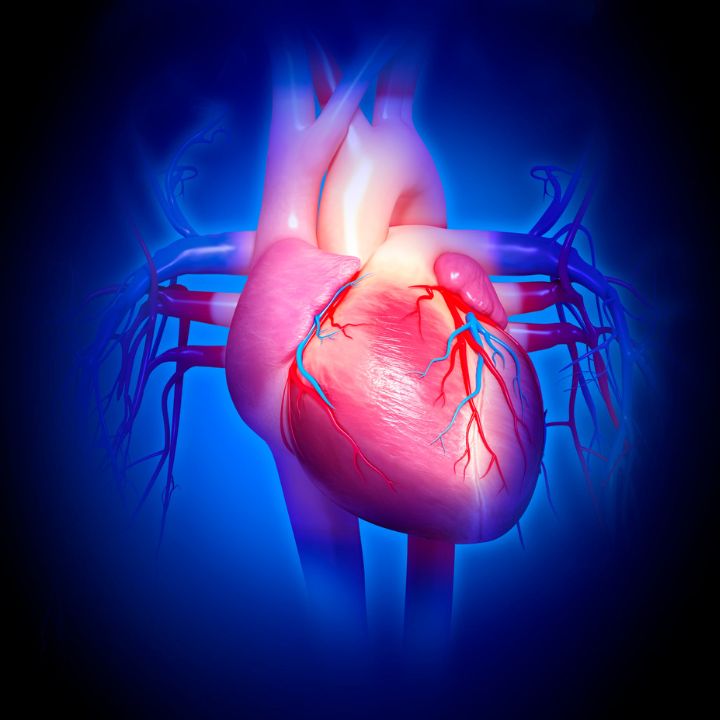
The human heart is an intricate, complex organ and, like a car that starts sputtering, its function deteriorates for all sorts of reasons.
Medicare eligibility linked to more food pantry visits, improved food security: Newsroom - UT Southwestern, Dallas, Texas
https://www.utsouthwestern.edu/newsroom/articles/year-2022/september-improved-food-security.html

Low-income seniors were seven times more likely to visit a food pantry in the year after becoming eligible for Medicare, resulting in improved food security, according to a new study from UT Southwestern.
UT Southwestern researchers identify a gene therapy target for polycystic kidney disease – UT Southwestern Medical Center psychiatric hospital: Newsroom - UT Southwestern, Dallas, Texas
https://www.utsouthwestern.edu/newsroom/articles/year-2022/september-polycystic-kidney-disease.html
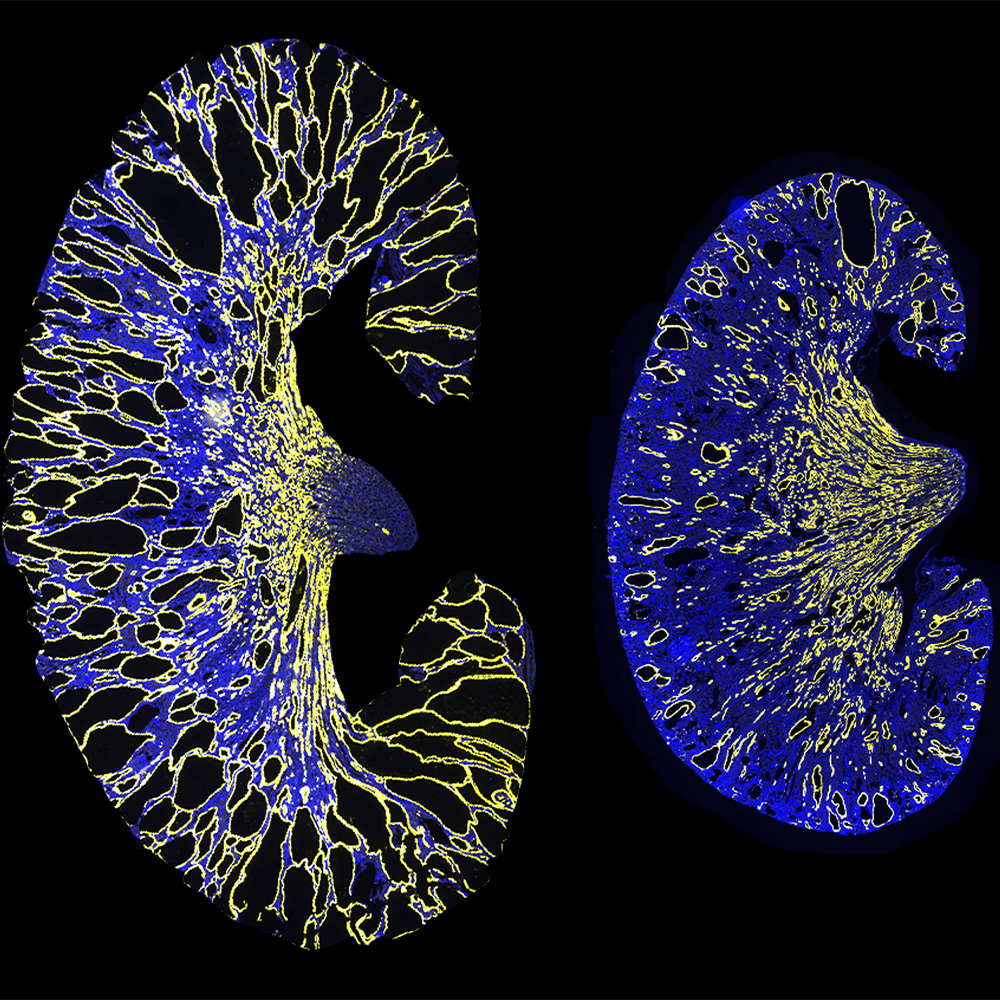
Blocking the inhibition of PKD1 and PKD2 gene expression by deleting a binding site for microRNAs hindered the formation and growth of kidney cysts in autosomal dominant polycystic kidney disease (ADPKD) models, UT Southwestern researchers reported.
National Cancer Institute renews $11.5 million program of excellence award in kidney cancer – UT Southwestern Medical Center psychiatric hospital: Newsroom - UT Southwestern, Dallas, Texas
https://www.utsouthwestern.edu/newsroom/articles/year-2022/september-program-of-excellence-award.html
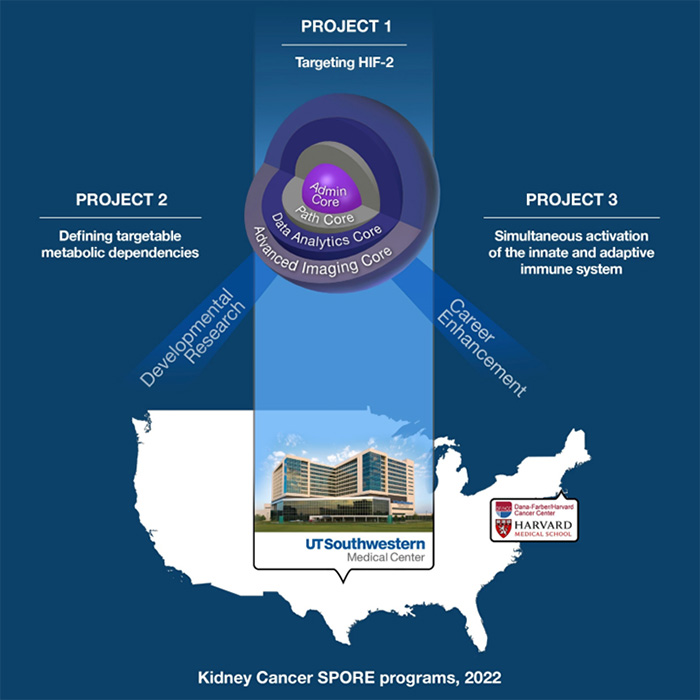
The National Cancer Institute (NCI) has renewed UT Southwestern’s Harold C. Simmons Comprehensive Cancer Center Kidney Cancer Program (KCP) Specialized Program of Research Excellence (SPORE) award.
UT Southwestern ranked top health care institution globally for published research by Nature Index: Newsroom - UT Southwestern, Dallas, Texas
https://www.utsouthwestern.edu/newsroom/articles/year-2022/october-top-healthcare-institution.html
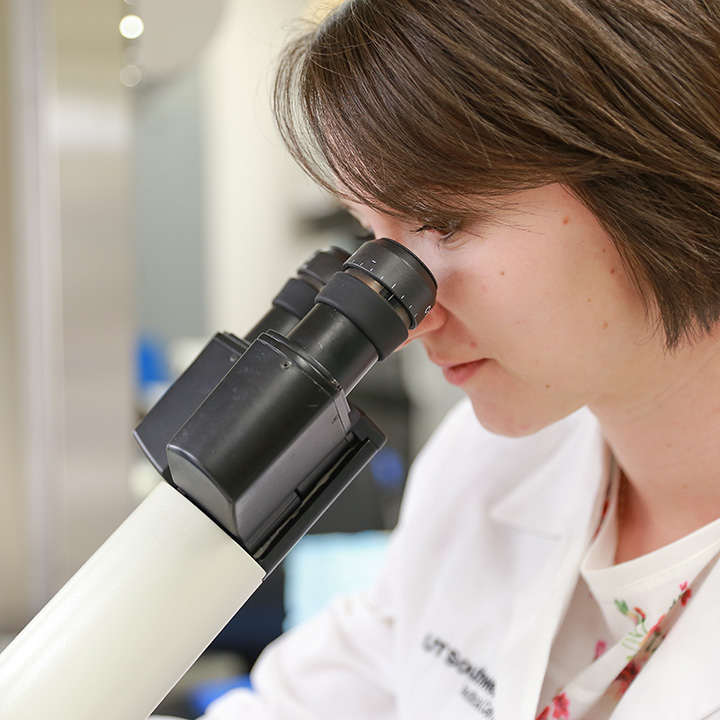
For the third year in a row, UT Southwestern is ranked as the top health care institution globally by Nature Index for publishing high-quality research in all subjects and in the life sciences.
Molecular imaging innovator Samuel Achilefu, Ph.D., to launch, lead Biomedical Engineering Department at UT Southwestern: Newsroom - UT Southwestern, Dallas, Texas
https://www.utsouthwestern.edu/newsroom/articles/year-2022/achilefu-molecular-imaging-innovator.html

Samuel Achilefu, Ph.D., nationally recognized for expertise in molecular imaging and its application in treating human diseases, has been selected inaugural Chair to launch a new Department of Biomedical Engineering (BME) at UT Southwestern Medical Center.
Long-haul COVID deserves more attention, UTSW expert says: Newsroom - UT Southwestern, Dallas, Texas
https://www.utsouthwestern.edu/newsroom/articles/year-2022/august-long-haul-covid.html
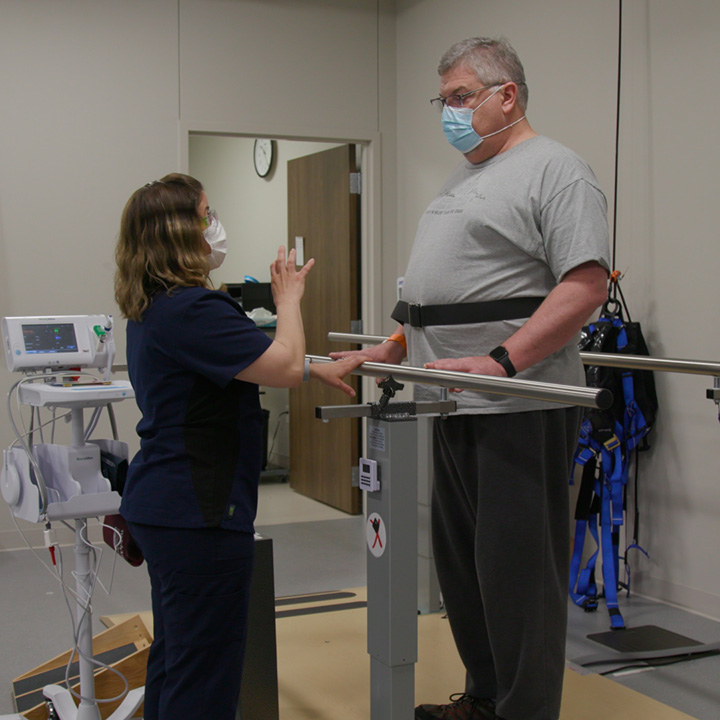
While public attention has been focused on the million-plus Americans who have died from COVID-19 and the ongoing level of cases and hospitalizations, tens of millions of patients have developed life-altering symptoms that linger long after their COVID-19 infection clears.
Enhanced recovery protocols improve patient outcomes in minimally invasive gynecologic surgery: Newsroom - UT Southwestern, Dallas, Texas
https://www.utsouthwestern.edu/newsroom/articles/year-2022/august-enhanced-recovery-protocols.html

Following Enhanced Recovery After Surgery (ERAS) protocols designed to minimize surgical stress results in improved patient recovery and satisfaction, reduced postoperative complications, and shorter hospital stays, according to a review of ERAS programs in minimally invasive gynecologic surgery by UT Southwestern researchers.