
Search
Finding the Achilles' heel of a killer parasite: Newsroom - UT Southwestern, Dallas, Texas
https://www.utsouthwestern.edu/newsroom/articles/year-2020/finding-the-achilles-heel-of-a-killer-parasite.html
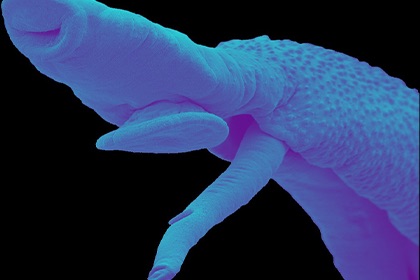
Two studies led by UT Southwestern researchers shed light on the biology and potential vulnerabilities of schistosomes – parasitic flatworms that cause the little-known tropical disease schistosomiasis.
Using machine learning to predict pediatric brain injury: Newsroom - UT Southwestern, Dallas, Texas
https://www.utsouthwestern.edu/newsroom/articles/year-2020/machine-learning-pediatric-brain-injury.html
When newborn babies or children with heart or lung distress are struggling to survive, doctors often turn to a form of life support that uses artificial lungs.
Immunotherapy side effect could be a positive sign for kidney cancer patients : Newsroom - UT Southwestern, Dallas, Texas
https://www.utsouthwestern.edu/newsroom/articles/year-2020/immunotherapy-side-effect-could-be-a-positive-sign.html
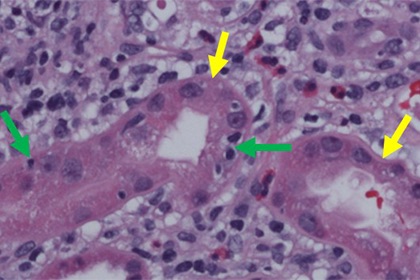
An autoimmune side effect of immune checkpoint inhibitor (ICI) drugs could signal improved control of kidney cancer, according to a new study by researchers in UT Southwestern’s Kidney Cancer Program (KCP).
How Legionella makes itself at home : Newsroom - UT Southwestern, Dallas, Texas
https://www.utsouthwestern.edu/newsroom/articles/year-2021/how-legionella-makes-itself-at-home.html
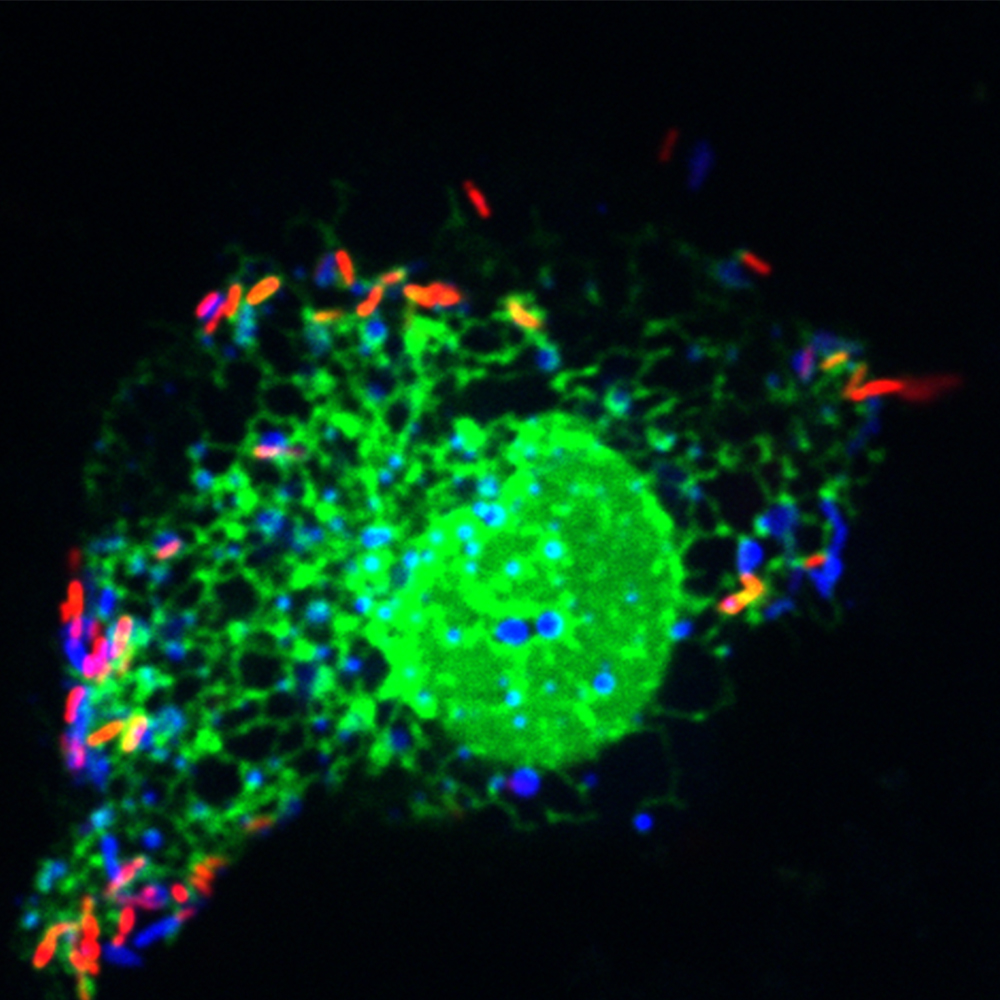
Scientists at UT Southwestern have discovered a key protein that helps the bacteria that causes Legionnaires’ disease to set up house in the cells of humans and other hosts.
UTSW performs first HIV-positive-to-HIV-positive organ transplant in Texas: Newsroom - UT Southwestern, Dallas, Texas
https://www.utsouthwestern.edu/newsroom/articles/year-2020/hiv-positive-to-hiv-positive-organ-transplant.html
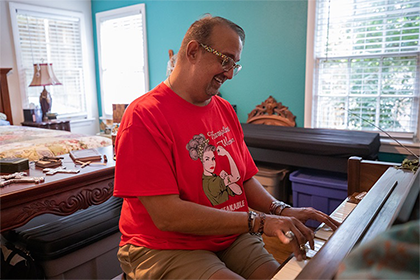
Less than three weeks after getting on an organ transplant list for HIV-positive patients, John Welch got the call. A liver was available from a deceased donor, and it was an excellent match.
Development of new stem cell type may lead to advances in regenerative medicine: Newsroom - UT Southwestern, Dallas, Texas
https://www.utsouthwestern.edu/newsroom/articles/year-2020/new-stem-cell-regenerative-medicine.html
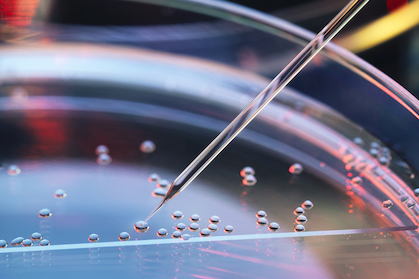
A team led by UT Southwestern has derived a new “intermediate” embryonic stem cell type from multiple species that can contribute to chimeras and create precursors to sperm and eggs in a culture dish.
Scientists identify cells responsible for liver tissue maintenance and regeneration: Newsroom - UT Southwestern, Dallas, Texas
https://www.utsouthwestern.edu/newsroom/articles/year-2021/scientists-identify-cells-responsible-for-liver-tissue.html
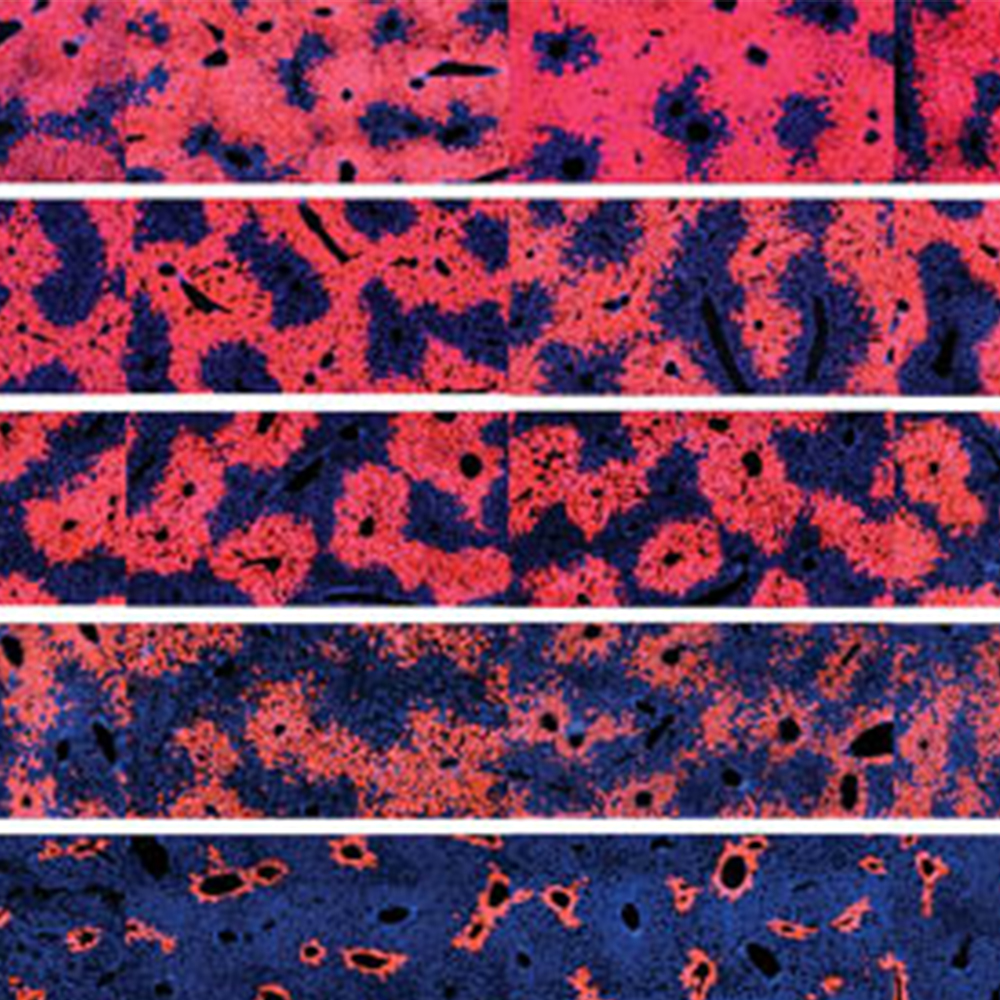
While the amazing regenerative power of the liver has been known since ancient times, the cells responsible for maintaining and replenishing the liver have remained a mystery.
Viewing dopamine receptors in their native habitat: Newsroom - UT Southwestern, Dallas, Texas
https://www.utsouthwestern.edu/newsroom/articles/year-2020/viewing-dopamine-receptors-in-their-native-habitat.html
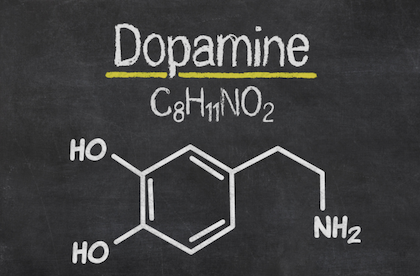
Dopamine, a chemical that sends messages between different parts of the brain and body, plays a key role in a variety of diseases and behaviors by interacting with receptors on cells.
UTSW scientists identify brain circuit that triggers rare, blood sugar-dependent epilepsy: Newsroom - UT Southwestern, Dallas, Texas
https://www.utsouthwestern.edu/newsroom/articles/year-2022/november-blood-sugar-dependent-epilepsy.html
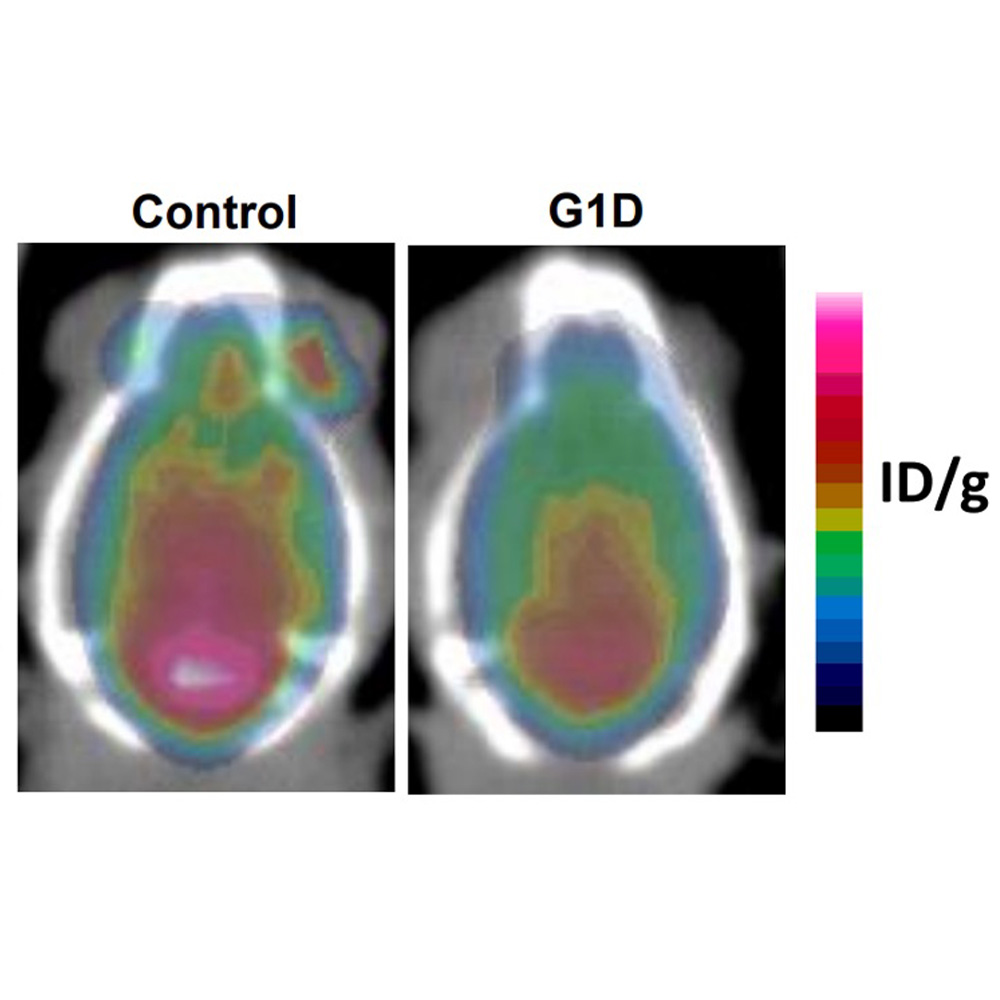
A small group of brain cells linked in a circuit is responsible for setting off whole-brain seizures in a rare form of epilepsy affected by blood sugar levels, a study led by UT Southwestern researchers suggests.
UTSW researchers find no decrease in preterm births with vaginal progesterone: Newsroom - UT Southwestern, Dallas, Texas
https://www.utsouthwestern.edu/newsroom/articles/year-2022/october-preterm-births-with-vaginal-progesterone.html
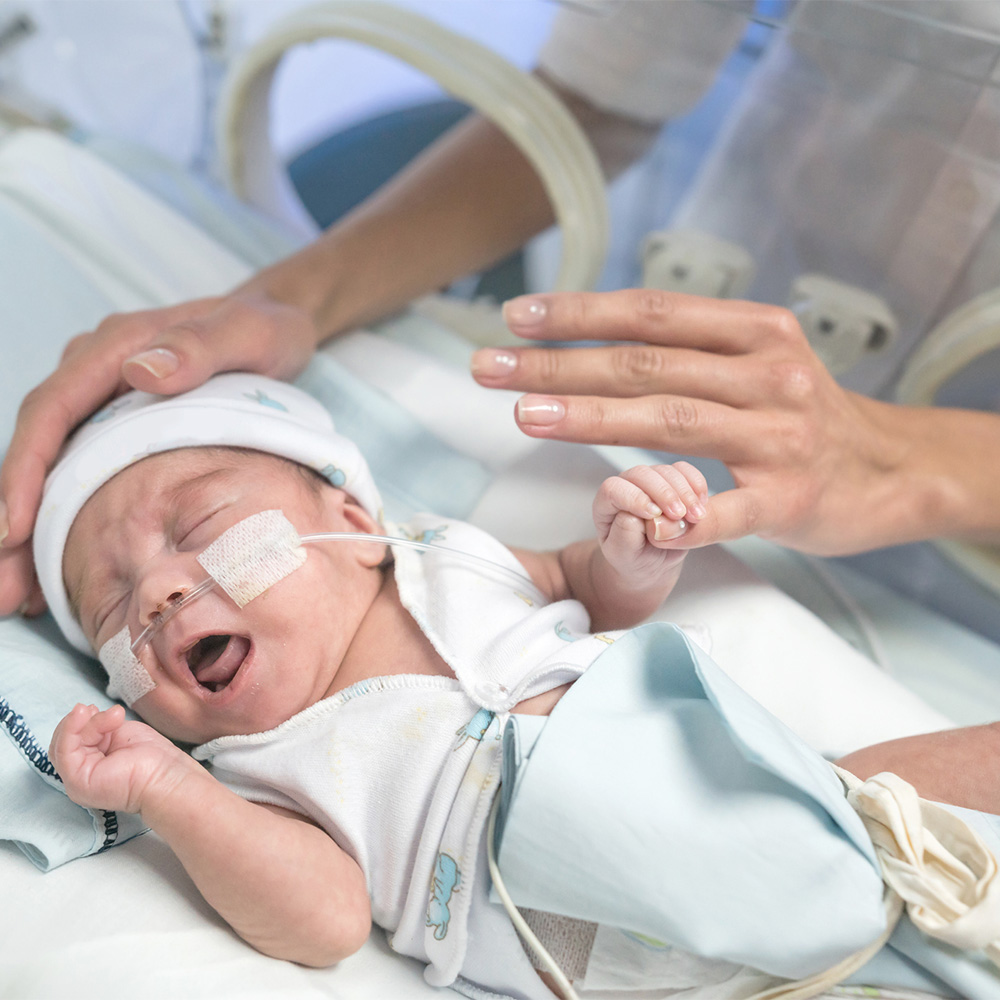
Vaginal progesterone, a hormone treatment considered the standard of care for preventing preterm birth in at-risk pregnant women, may not be effective, according to UT Southwestern researchers.