
Search
Key protein behind necroptotic cell death could drive new treatment strategies: Newsroom - UT Southwestern, Dallas, Texas
https://www.utsouthwestern.edu/newsroom/articles/year-2025/dec-key-protein-necroptotic-cell-death.html
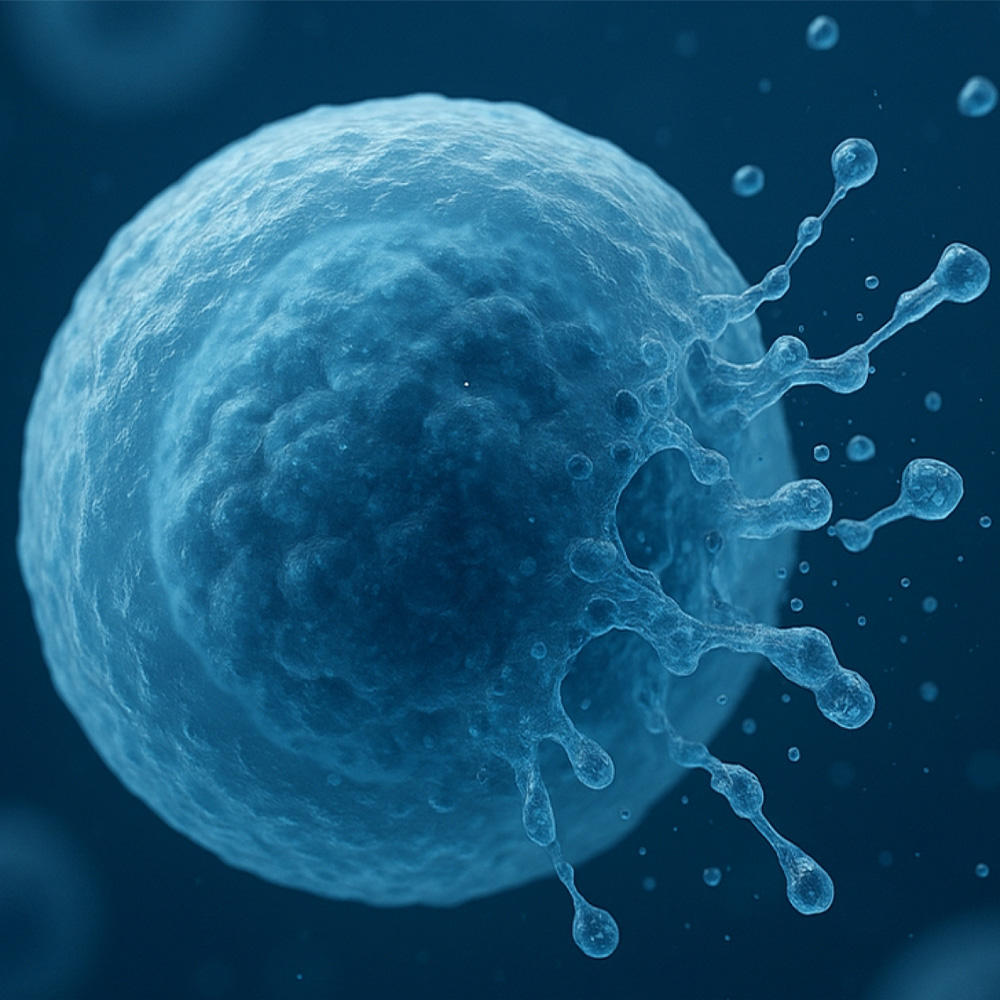
Researchers at UT Southwestern Medical Center have identified a protein that causes human cell membranes to break open in a form of inflammatory programmed cell death called necroptosis.
Study links female sex hormones to progression of eye disease: Newsroom - UT Southwestern, Dallas, Texas
https://www.utsouthwestern.edu/newsroom/articles/year-2025/july-female-sex-hormones-eye-disease.html
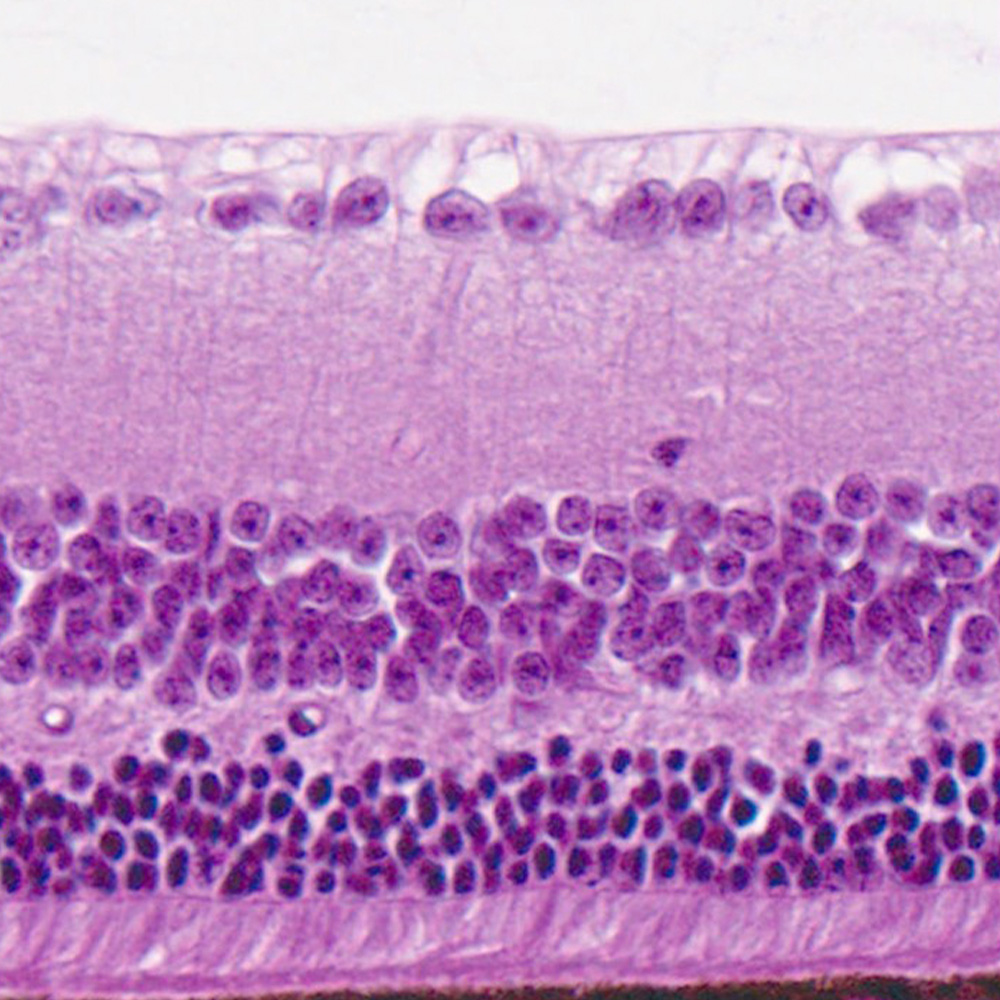
Female sex hormones can significantly enhance the progression of the rare neurodegenerative eye disease retinitis pigmentosa (RP), according to a preclinical study by researchers at UT Southwestern Medical Center. The findings, published in Science Advances, may lead to therapeutics to slow progression of the disease and help clinicians assess the risk of hormone therapies for female patients with genetic markers for the disease.
Heat boosts antibiotics’ effectiveness against prosthetic infections: Newsroom - UT Southwestern, Dallas, Texas
https://www.utsouthwestern.edu/newsroom/articles/year-2026/march-heat-boosts-antibiotics-prosthetic-infections.html
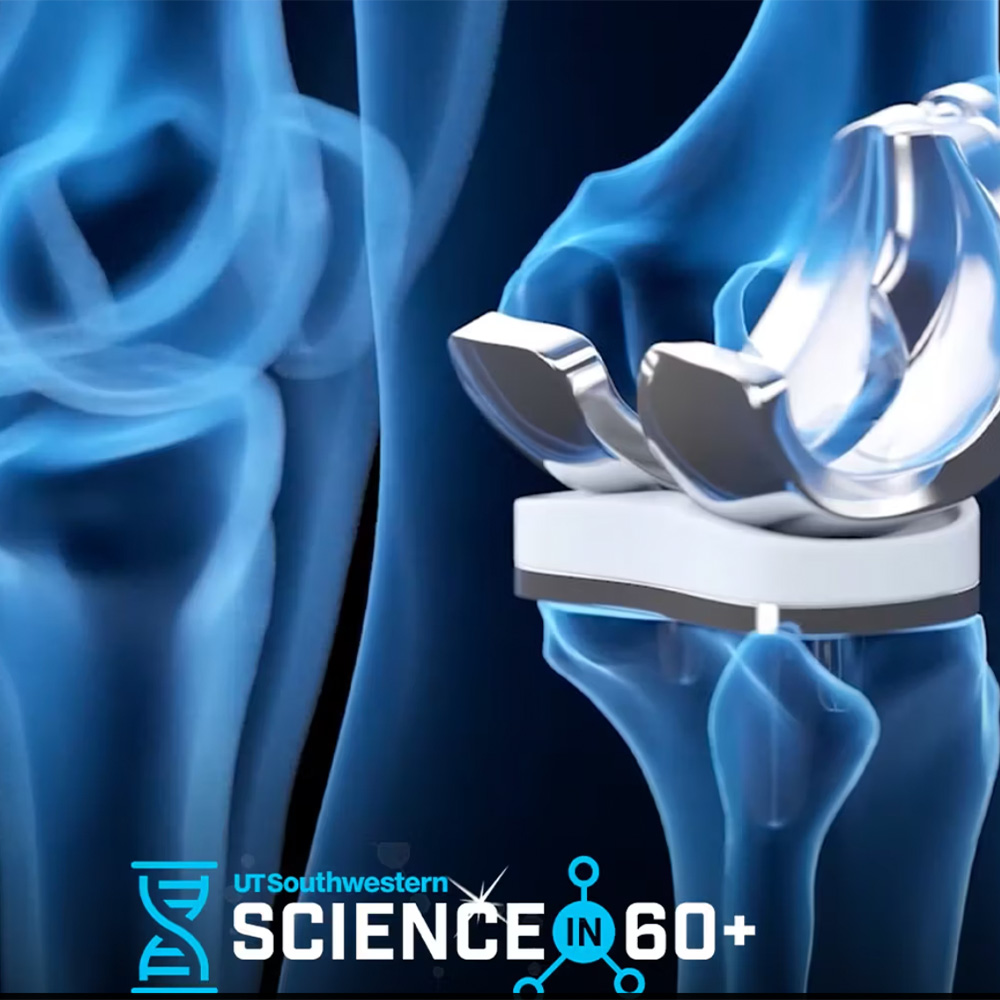
Heat generated by alternating magnetic fields (AMF) helps common antibiotics work better against prosthetic joint infections, researchers at UT Southwestern Medical Center found.
Scientists identify protein that heightens neurodegenerative disease: Newsroom - UT Southwestern, Dallas, Texas
https://www.utsouthwestern.edu/newsroom/articles/year-2025/may-gene-that-heightens-neurodegenerative-disease.html
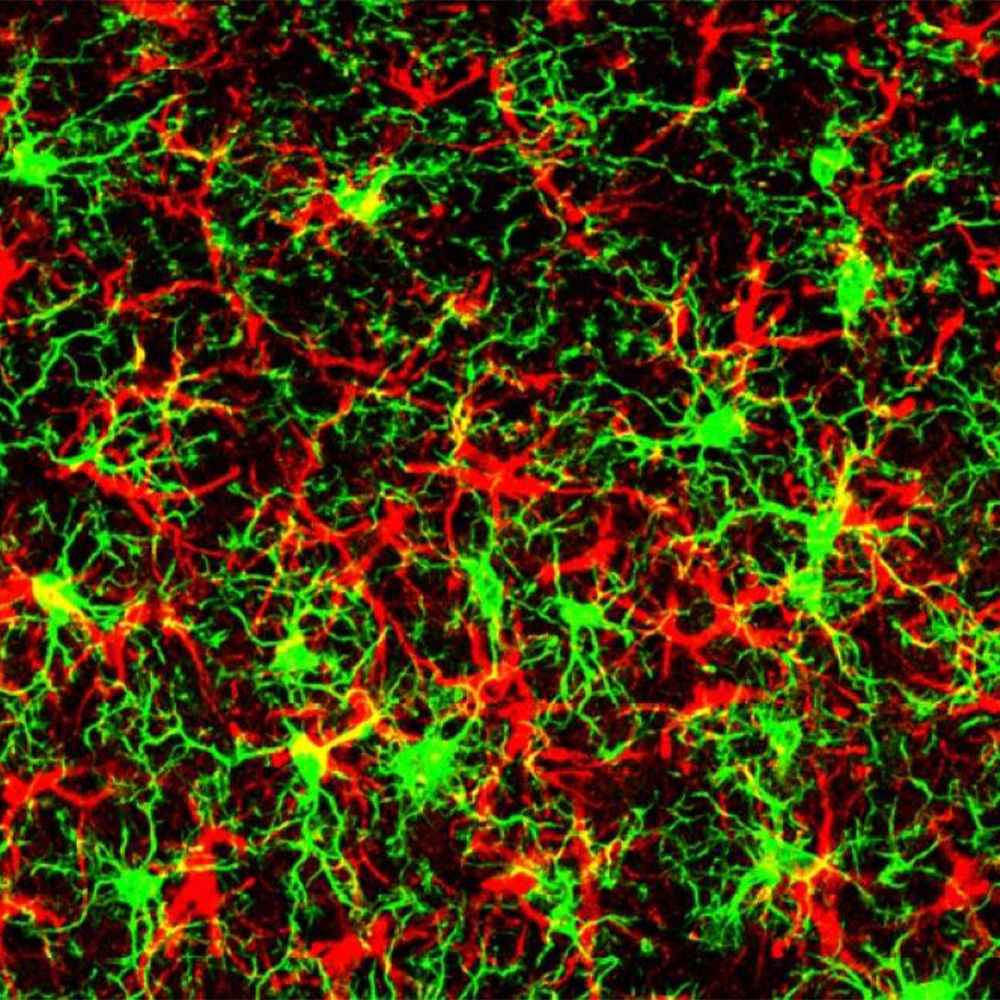
UT Southwestern Medical Center scientists have identified a gene that appears to act as a master control switch for reactive gliosis, a prominent feature of many neurodegenerative diseases that is thought to contribute to their pathology.
High phosphate diet impacts nervous system, induces hypertension: Newsroom - UT Southwestern, Dallas, Texas
https://www.utsouthwestern.edu/newsroom/articles/year-2025/june-high-phosphate-diet-induces-hypertension.html

Diets rich in phosphate additives, commonly found in processed foods, can increase blood pressure by triggering a brain signaling pathway and overactivating the sympathetic nervous system that regulates cardiovascular function, UT Southwestern researchers discovered.
Protein pivotal for B-cell cancers gets a closer look: Newsroom - UT Southwestern, Dallas, Texas
https://www.utsouthwestern.edu/newsroom/articles/year-2025/june-protein-pivotal-b-cell-cancers.html
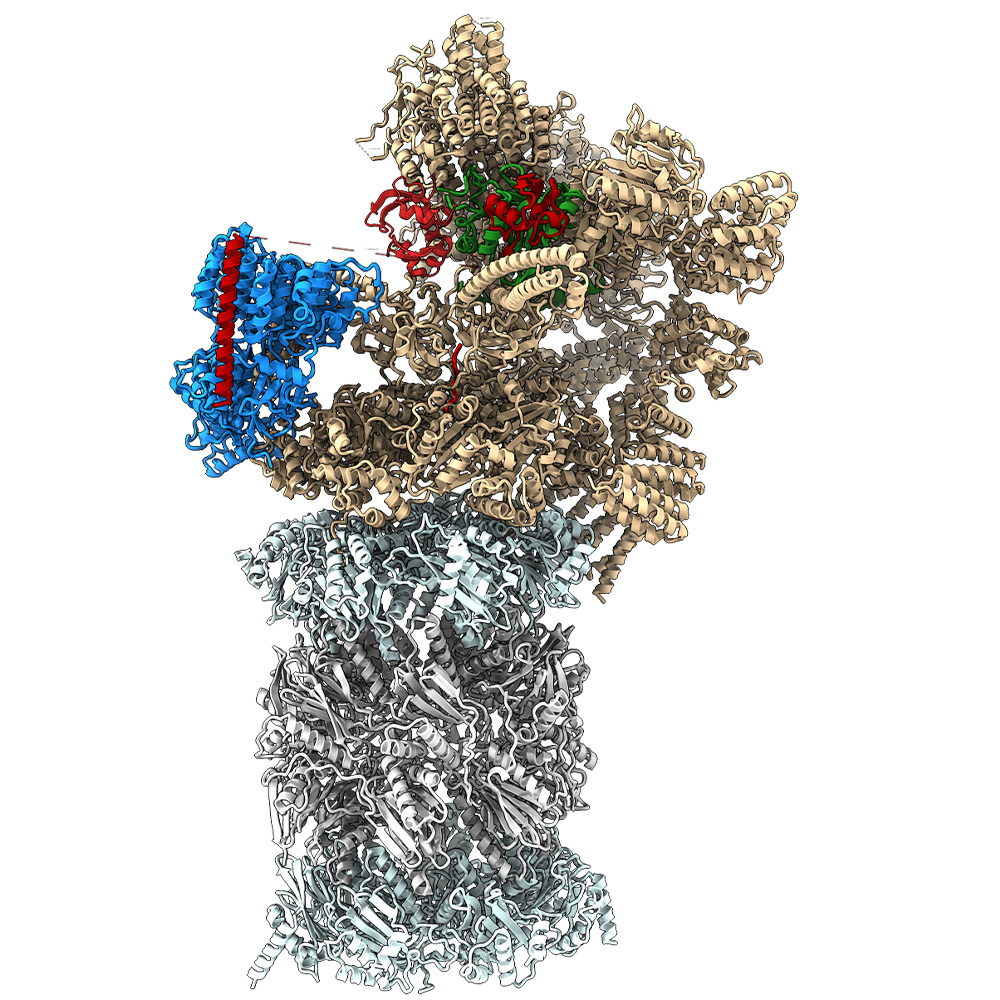
Using a cutting-edge imaging technology known as cryo-electron microscopy, researchers at UT Southwestern Medical Center have determined the structure of a protein called midnolin that’s crucial to the survival of malignant cells in some leukemias, lymphomas, and multiple myelomas.
Ribosome level changes detected in early brain development : Newsroom - UT Southwestern, Dallas, Texas
https://www.utsouthwestern.edu/newsroom/articles/year-2025/aug-ribosome-early-brain-development.html
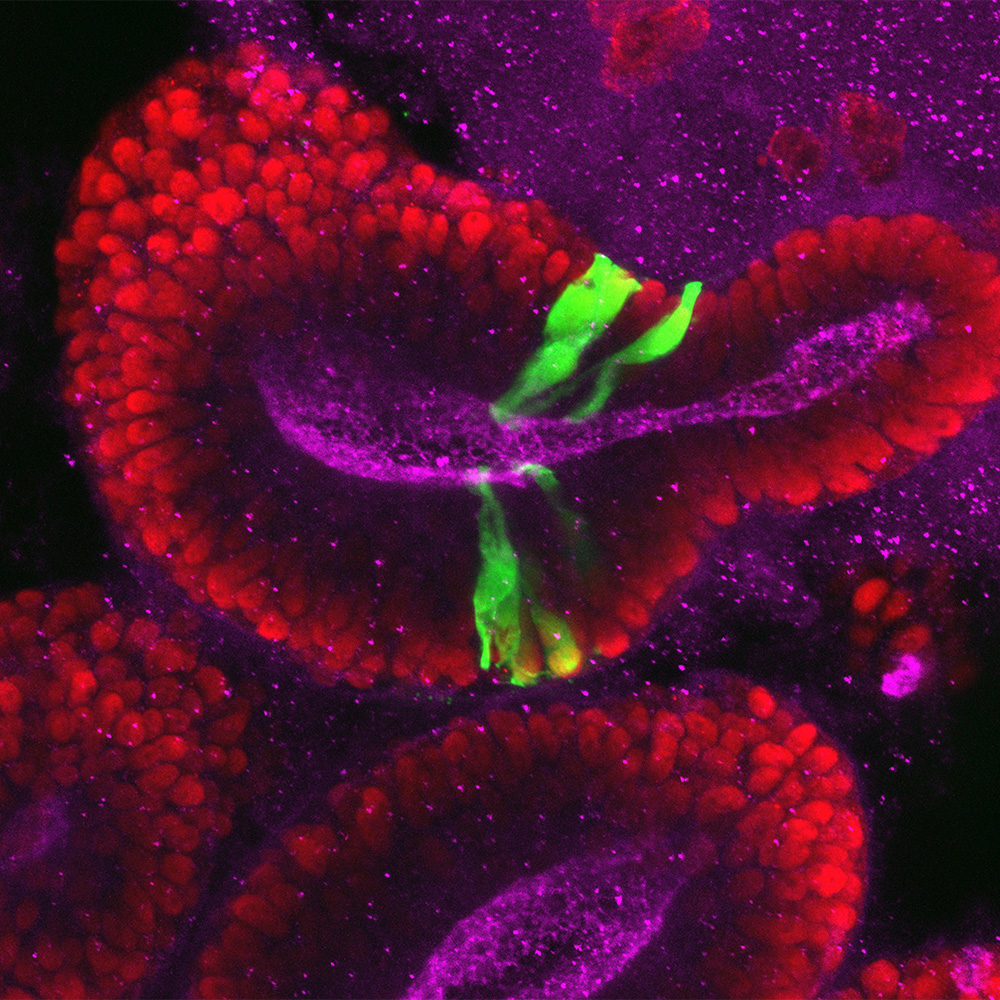
A team led by UT Southwestern Medical Center scientists has identified a specific stage of neurodevelopment when differentiating neural cells produce fewer ribosomes, which are responsible for making proteins.
New tool sheds light on where RNA is found in cells : Newsroom - UT Southwestern, Dallas, Texas
https://www.utsouthwestern.edu/newsroom/articles/year-2025/june-tool-sheds-light-on-rna.html
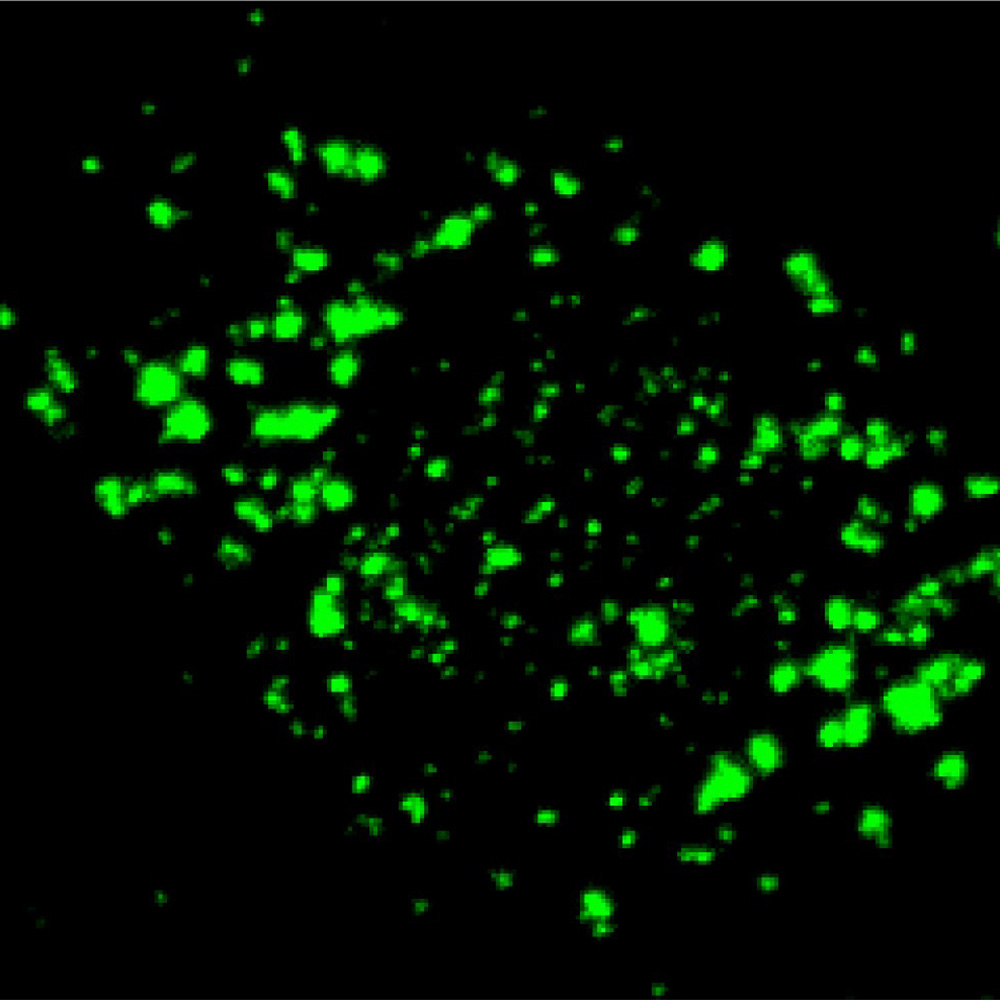
A new tool called PHOTON, developed by scientists at UT Southwestern Medical Center, can identify RNA molecules at their native locations within cells – providing valuable clues to where different RNA species are distributed spatially in response to various cellular cues.
Presurgical radiation may curb pancreatic cancer recurrence: Newsroom - UT Southwestern, Dallas, Texas
https://www.utsouthwestern.edu/newsroom/articles/year-2025/july-presurgical-radiation-pancreatic-cancer.html
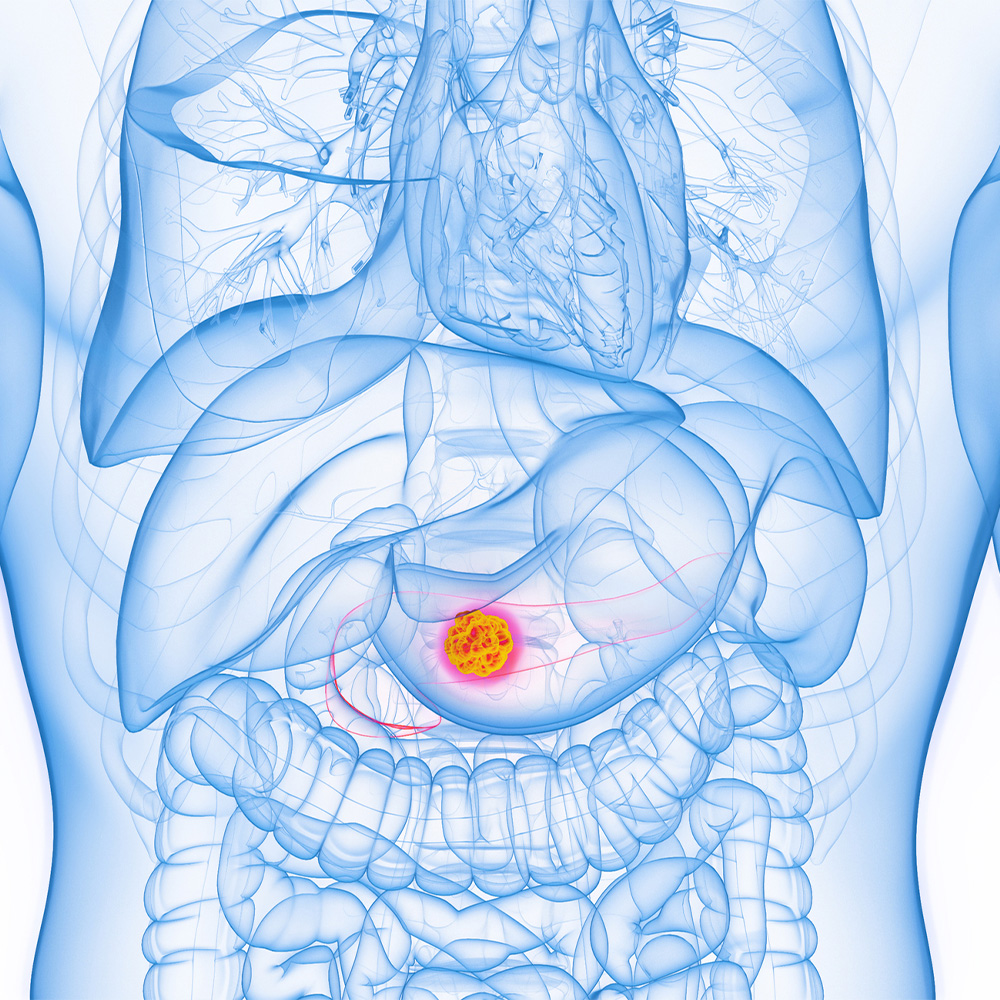
Adding targeted radiation to chemotherapy prior to surgery may offer better control of pancreatic tumors – potentially reducing the rate of recurrence after treatment, according to a new study from UT Southwestern Medical Center. Published in Clinical Cancer Research, the novel study offers evidence of a more effective approach with biological insights for treating one of the most aggressive and lethal forms of cancer.
Cognitive impairment common after cardiogenic shock, study shows: Newsroom - UT Southwestern, Dallas, Texas
https://www.utsouthwestern.edu/newsroom/articles/year-2025/june-cognitive-impairment-cardiogenic-shock.html

Many survivors of cardiogenic shock showed evidence of new cognitive impairment after leaving the hospital, according to a study led by UT Southwestern Medical Center researchers. The findings, published in the Journal of the American College of Cardiology, highlight a need to screen survivors and provide referrals to neuropsychology experts, the authors said.